
In today’s highly connected era, wireless networks have become as essential as air in daily life. When shopping for a router, the prominent “5G Wi-Fi” label on the packaging may feel both familiar and unfamiliar. What technological innovations lie behind this term? How does it reshape our digital experience? 5G Wi-Fi refers to the fifth generation of wireless communication technology standards, represent a major leap forward in wireless networking.
Essence of 5G Wi-Fi Technology
5G Wi-Fi is an important component of IEEE 802.11 series of communication standards. Compared to earlier technologies, its most notable feature is the use of higher frequency band — typically around 5GHz. This band is like a wider highway: although its point-to-point coverage distance is slightly shorter, but it can accommodate more data “vehicles” simultaneously. According to the White Paper on Wireless Communication Technologies issued by the Ministry of Industry and Information Technology’s Radio Administration Bureau, this technology leverages core techniques such as Orthogonal Frequency-Division Multiplexing (OFDM) and Multiple-Input Multiple-Output (MIMO) to increase theoretical transmission rates several times over earlier technologies, laying the foundation for high-bandwidth applications like HD video streaming and online gaming.
Double-Edged Sword of Spectrum Characteristics
High-frequency spectrum is a double-edged sword. Research from the China Academy of Information and Communications Technology (CAICT) indicates that the shorter wavelength of 5GHz band leads to greater signal attenuation when penetrate physical obstacles. This means that in environments with many concrete walls, the coverage range of a single router may be limited. However, because of its higher frequency, this band currently experiences less device congestion and far less interference than the crowded 2.4GHz band—a critical advantage in densely populated residential areas. When neighboring routers are all operating on 2.4GHz band, 5GHz Wi-Fi will provide a cleaner signal channel.
Synergy with 2.4GHz Band
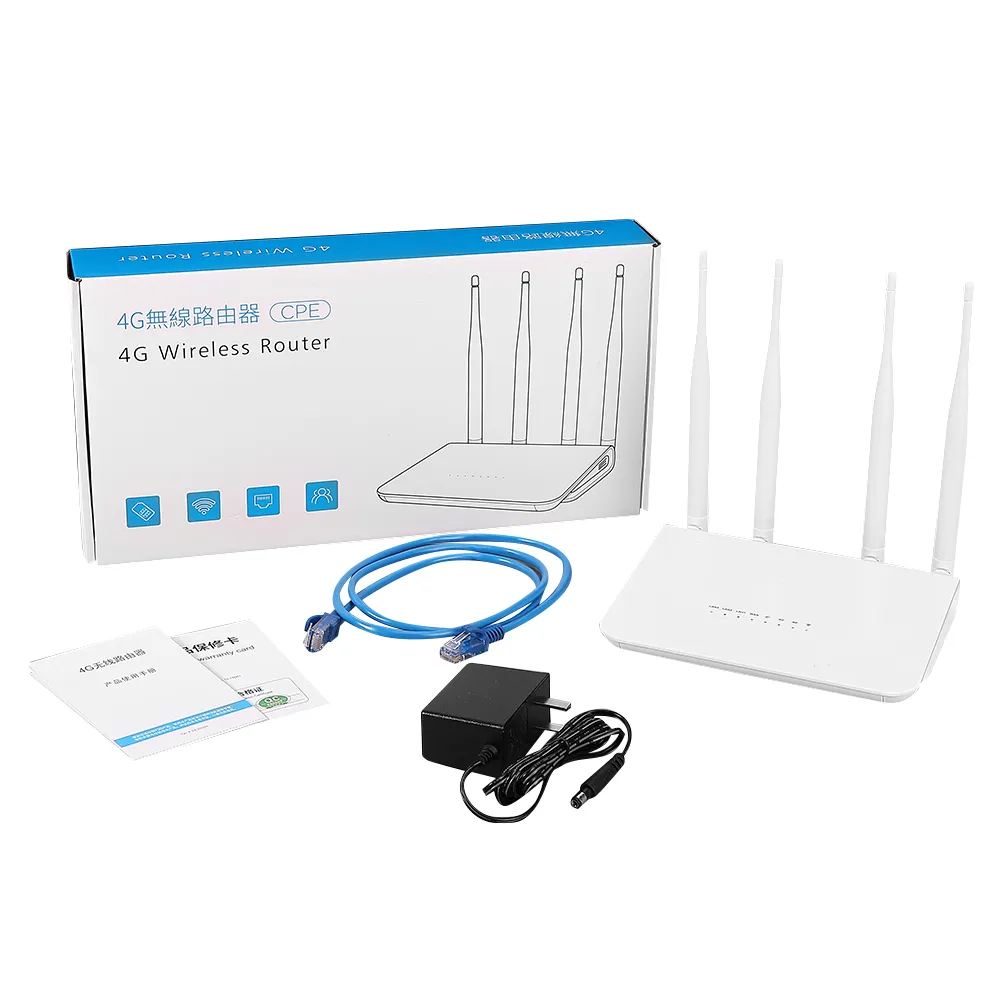
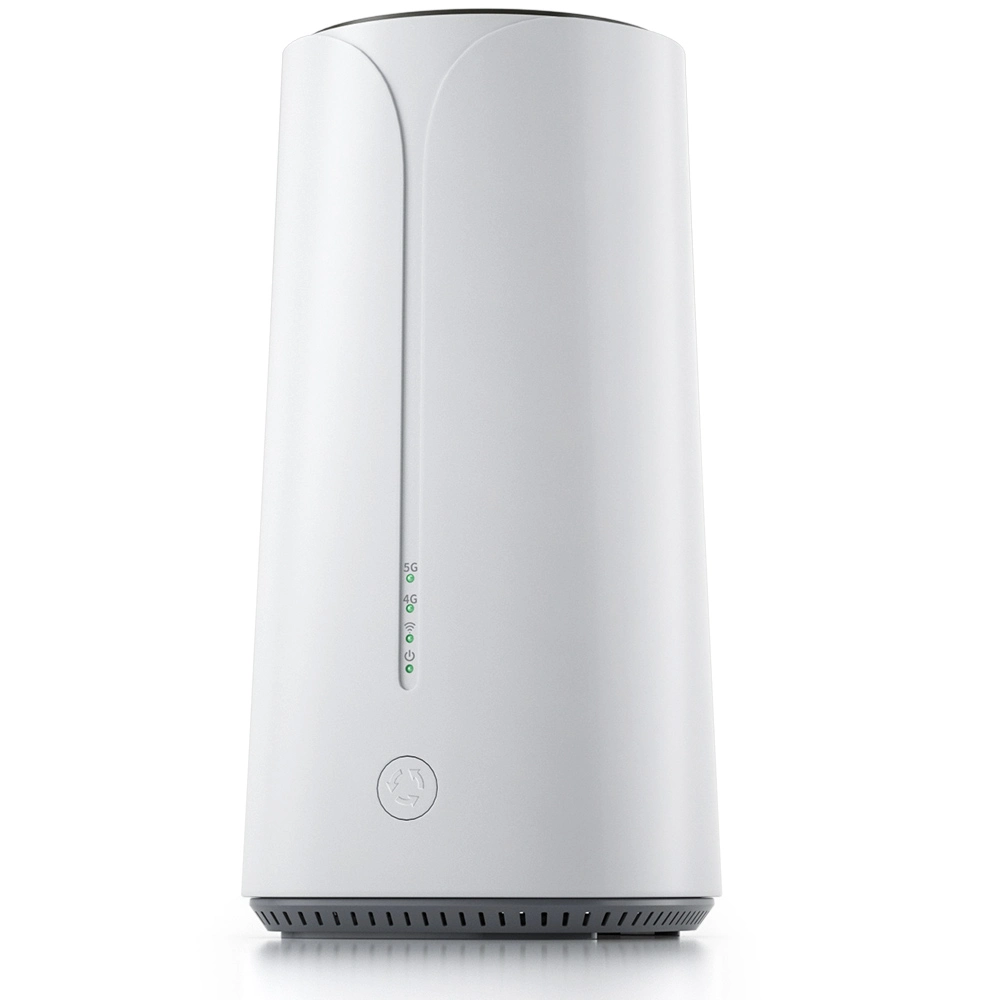
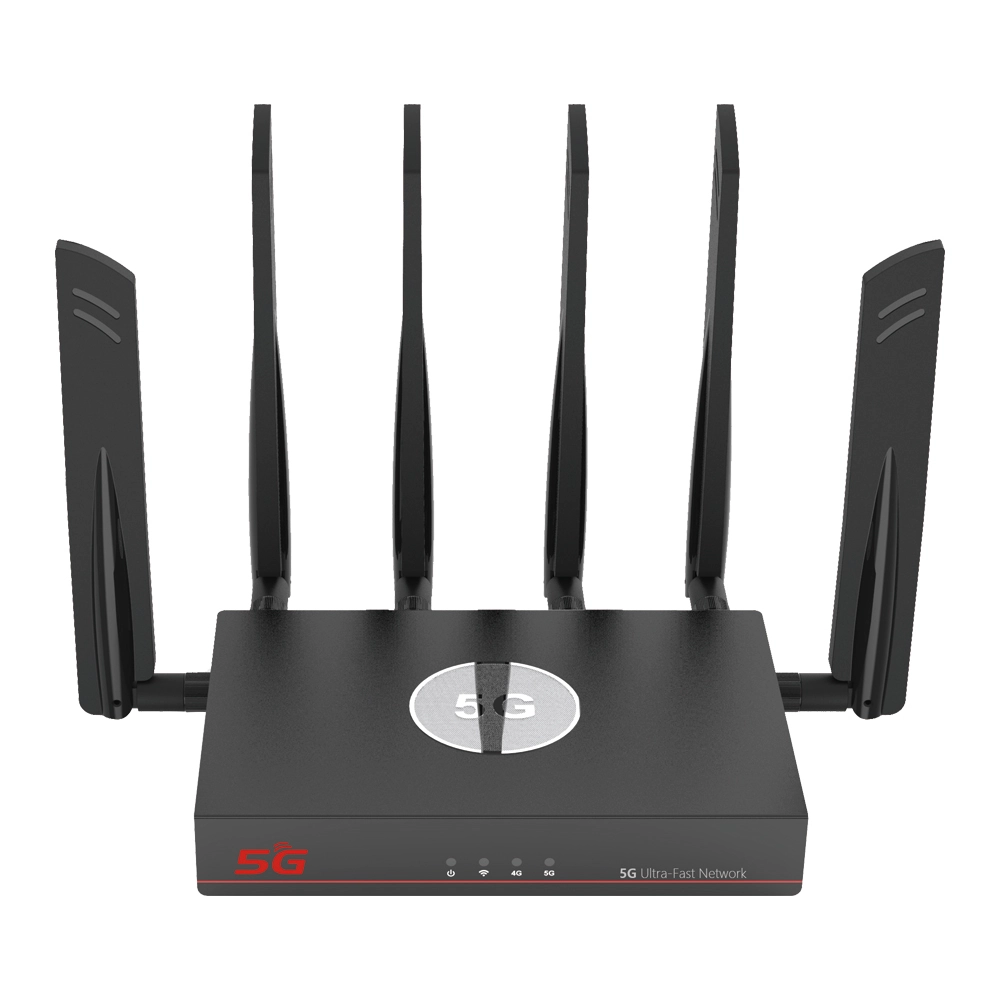
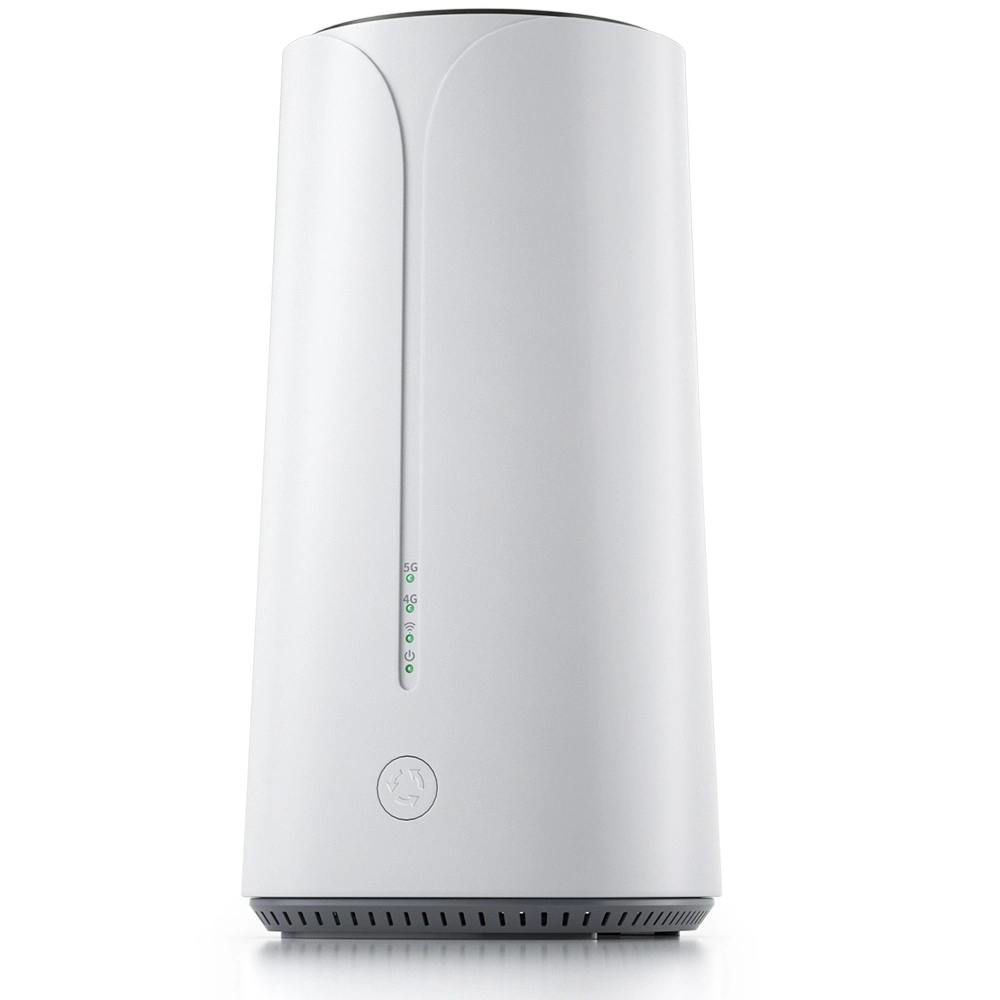
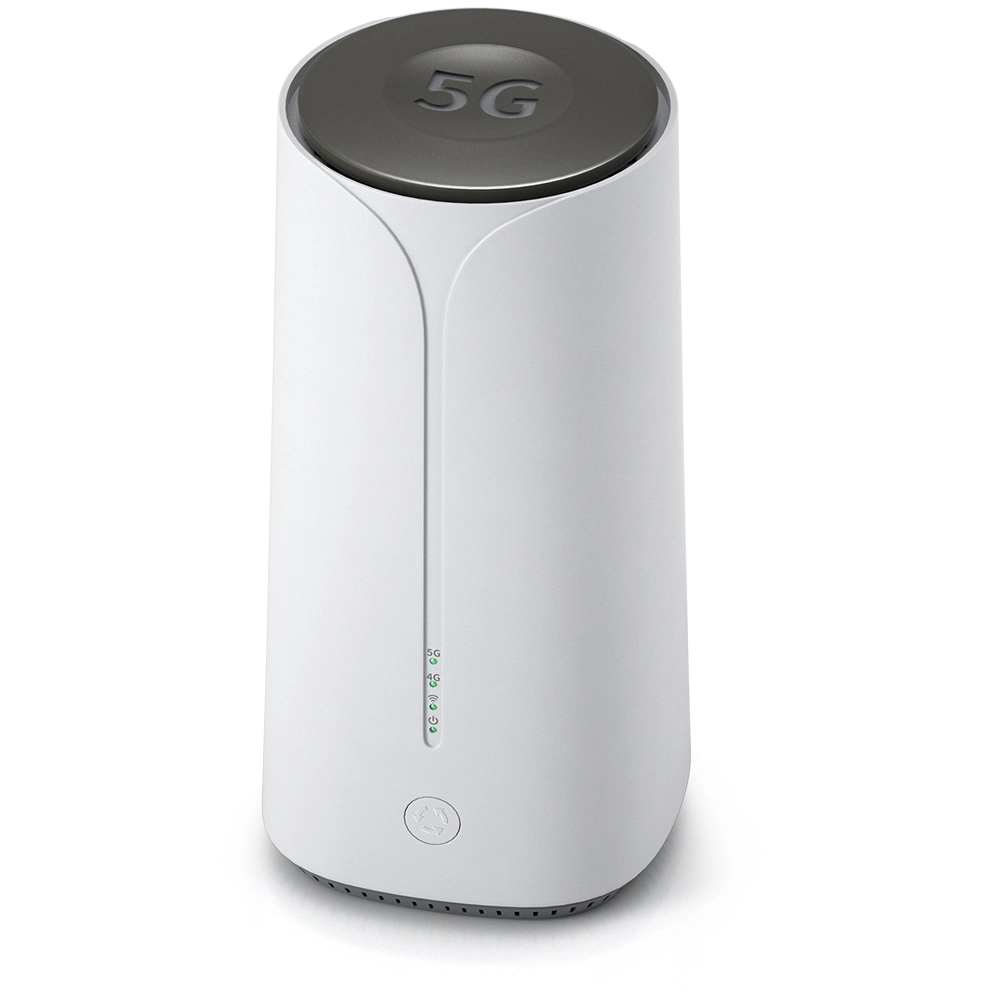
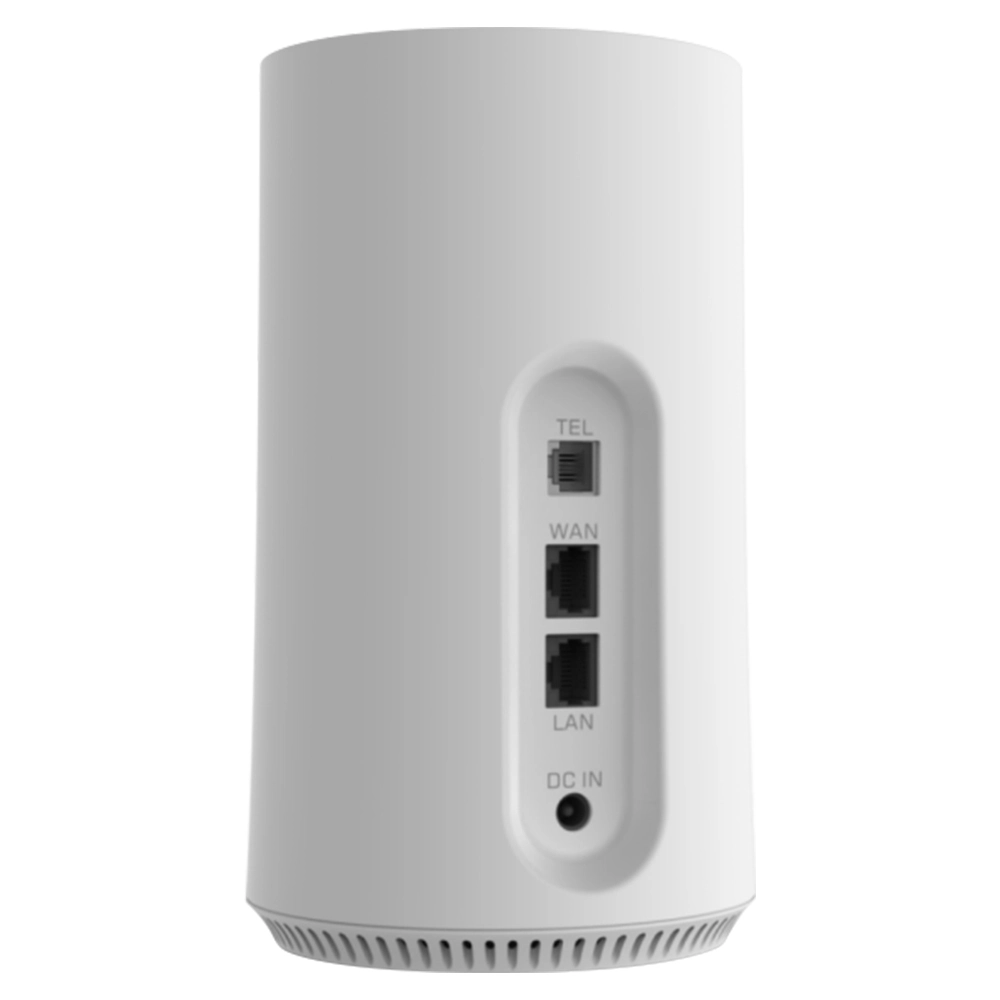
Modern dual-band routers such as 4g lte cpe router and 5g router sim card slot typically incorporate both 2.4GHz and 5GHz bands to form a complementary pair. 2.4GHz band resembles a country road — slower but capable of longer distances. 5GHz band is like an urban elevated expressway — fast but limited in range. Smart mesh networking technology allows devices to automatically switch between bands based on real-time network conditions. For example, low-data-rate devices like smart home sensors can connect to 2.4GHz band, while smart TVs require stable, high-speed transmission prioritize 5GHz band. This dynamic allocation mechanism maximizes the use of spectrum resources.
Factors Affect Real-World Transmission Rates
The gigabit speeds advertised on routers represent peak performance achieved in ideal laboratory conditions. Actual speeds are constrained by the number of antennas on end devices, spatial stream configurations and environmental interference. Devices support MIMO technology can transmit data simultaneously through multiple antennas, significantly improve throughput. According to national broadband quality reports, in a typical city apartment, a 5GHz device support 3×3 MIMO can achieve 60–70% of its nominal speed — far exceeding the maximum speed of 2.4GHz band.
Beamforming: Intelligent Signal Navigation
Advanced routers employ beamforming technology to solve the problem of directional signal transmission. This technology uses algorithms to calculate a device’s location and focuses signal energy toward that specific terminal, rather than broadcasting omnidirectionally like traditional routers. It’s like using a flashlight instead of a light bulb — while total brightness remains unchanged, illumination in the target area is significantly enhanced. Testing data from the Telecom Terminal Industry Association shows that enable beamforming can increase signal strength in edge areas by about 40%, effectively expand high-speed coverage.
Hidden Threshold of Device Compatibility
Not all Wi-Fi-enabled devices can take advantage of 5GHz Wi-Fi. Early IoT devices often come with only 2.4GHz single-band network cards to control costs. When purchase smart home appliances, users should pay special attention to product specifications. Additionally, some older smartphones may recognize 5GHz signals, but due to antenna design limitations, may not achieve theoretical connection speeds. It is recommended to prioritize products that support the latest Wi-Fi 6 standard to ensure optimal compatibility.
Art and Science of Channel Selection
5GHz band offers more independent channel resources. In regional channel planning, channels such as 36, 44 and 149 are common starting points. Modern routers such as 4g lte cpe router and 5g router sim card slot with automatic channel selection scan the surrounding network environment in real time and dynamically switch to the least congested channel. For advanced users, Wi-Fi analyzer apps can be used to detect neighboring router usage and manually select the channel with the least interference. In multi-story homes, staggering channel configurations across different floors can effectively reduce vertical signal interference.
Optimize Router PlacementThe physical placement of a router directly affects 5GHz Wi-Fi performance. Avoid locations near concrete load-bearing walls, metal filing cabinets and other objects that strongly attenuate signals. Prioritize open spaces in the central area of the home. Experimental data show that placing a router on a desk about 1.5 meters above the floor provides more even coverage than place it on the ground or ceiling. For multi-level layouts, a wired-backhaul mesh network system ensures full high-speed coverage more effectively than a single router.
Evolution and Strengthening of Security Mechanisms
5GHz Wi-Fi standard comes with more stringent security protocols. WPA3 uses 256-bit encryption, offer stronger resistance to attacks compared to earlier WEP and WPA protocols. The National Computer Network Emergency Response Technical Team/Coordination Center of China (CNCERT) recommends that users regularly update router firmware to patch security vulnerabilities and disable easily exploitable features such as WPS, build a dual-layer defense system.
Future Technology Evolution Path
Wi-Fi 6 technology has begun introducing revolutionary technologies such as MU-MIMO and OFDMA. These technologies allow routers to communicate with multiple devices simultaneously, significantly improving network efficiency. The China Communications Standards Association predicts that future 5GHz Wi-Fi will merge with millimeter-wave technology, further breaking through speed bottlenecks by expanding available spectrum, supporting emerging applications such as augmented reality (AR) and virtual reality (VR).
Performance in Real-World Application Scenarios
In 4K ultra-high-definition video streaming scenarios, 5GHz Wi-Fi demonstrates clear advantages. Actual measurements show that stably transmitting one 4K UHD video stream requires only about 0.5MB/s of bandwidth, and 5GHz Wi-Fi easily supports multiple concurrent streams. For online gamers, latency below 10 milliseconds means that action commands are transmitted to the server in near real-time — a responsiveness that is difficult to achieve on 2.4GHz band.
A Realistic View of Wall-Penetrating Capabilities
It is important to have realistic expectations about 5GHz Wi-Fi’s ability to penetrate walls. The physical properties of electromagnetic waves dictate that some attenuation will occur when passing through walls, but this can be mitigated through thoughtful router placement. For homes larger than 120 square meters, it is advisable to use a multi-access-point networking solution. EasyMesh-certified devices can automatically create seamless roaming networks, eliminate dead zones.
Impact of Thermal Design on Stability
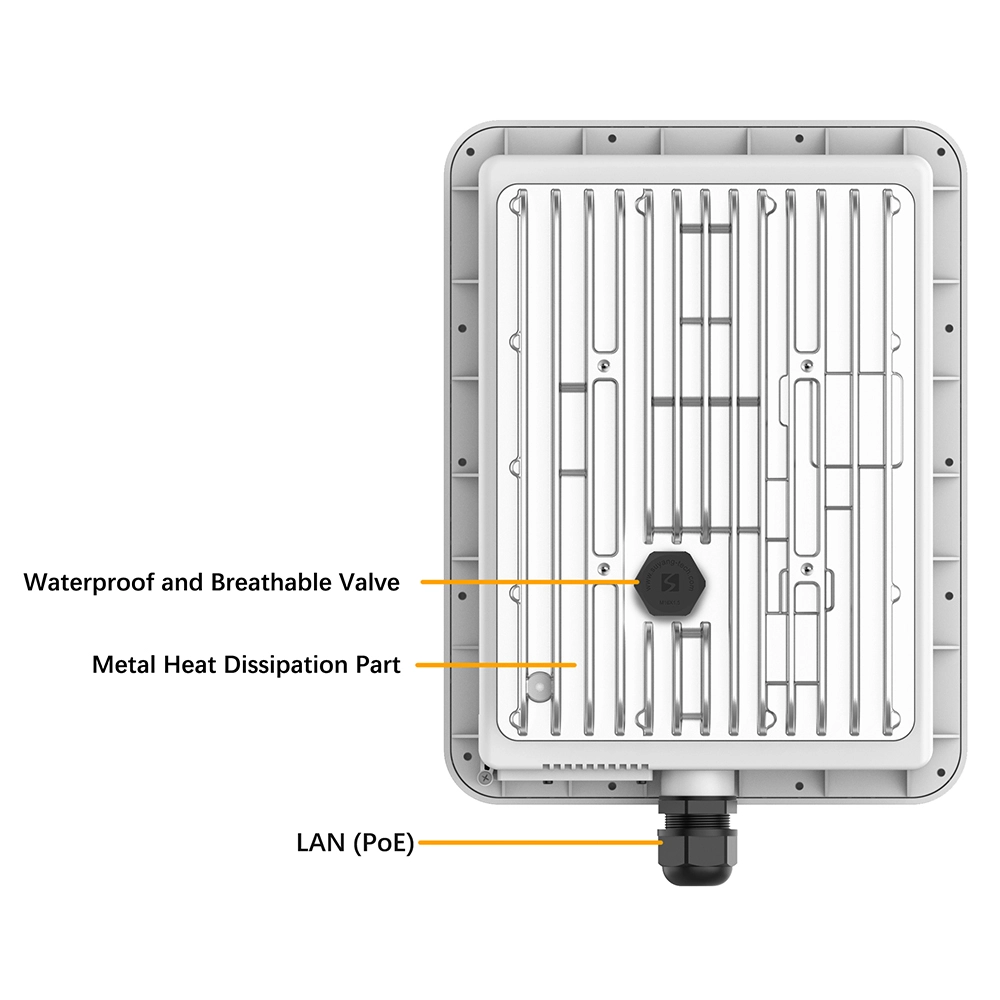
High-performance 5GHz Wi-Fi chips will generate considerable heat during operation. Quality routers often come equipped with metal heatsinks or active cooling fans. Prolonged high-temperature operation will lead to chip throttling, affect transmission stability. Users should ensure adequate space around the router for heat dissipation and avoid placing it inside enclosed entertainment centers. Tests conducted by the Fifth Electronic Research Institute of the Ministry of Industry and Information Technology show that good thermal management can extend a router’s life time between failures (MTBF) by about 30%.
The Importance of Firmware Updates
Router firmware is like the device’s operating system. Regular updates fix security vulnerabilities and improve performance. Major manufacturers release firmware updates quarterly, add new features or improve algorithms. The China Cybersecurity Review Technology and Certification Center recommends that users enable automatic updates or periodically check the manufacturer’s website for updates. For older models that are no longer supported, replacement should be considered to maintain ongoing security support.
Key Parameters in Buying Guides
When to select a router such as 4g lte cpe router and 5g router sim card slot, beyond wireless speed, pay attention to core parameters such as CPU performance and memory capacity. A quad-core processor handles concurrent requests from multiple devices better, while ample memory ensures efficient data forwarding. A comparative test report on routers released by the China Consumers Association notes that devices supporting Quality of Service (QoS) can intelligently allocate bandwidth, ensure priority transmission for critical applications.
Differences from Enterprise-Class Solutions
Home 5GHz Wi-Fi routers differ from enterprise-class products in concurrent connection capacity and management features. Enterprise-class routers support VLAN partitioning and advanced user management, make them suitable for office environments. For ordinary households, routers certified by the Wi-Fi Alliance are sufficient, as this certification ensures compliance with interoperability standards.
Conclusion: The Wisdom of Technology Serving Needs
5G Wi-Fi is not just faster speed—it is the foundation of an intelligent connectivity ecosystem. Understand its technical characteristics will help us to plan home networks more scientifically, find the optimal balance among speed, coverage and stability. As the era of the Internet of Everything arrives, master this knowledge becomes an essential skill for digital life. When we see a router’s indicator lights flashing the next time, we may appreciate more deeply the technological beauty within.


What can we do for you?