
- 1.The Core Hub of Electromagnetic Wave Transmission
- 2.Antenna Materials: The Invisible “Highway” for Signals
- 1. Core Conductor: The “Highway” for Electric Current
- 2. Support Structures and Surface Finishes
- 3. Material Differences Between Omnidirectional and Directional Antennas
- 4. Material Considerations for Internal vs. External Antennas
- 3.Analysis of Key Technical Principles
- 1. Synergy Between Antenna Count and MIMO Technology
- 2. Application Differences Between Omnidirectional and Directional Antennas
- 3. Antenna Gain and Band Adaptation
- 4. Beamforming: Making Signals “Actively” Find Devices
- 5. Polarization and Multi-User MIMO
- 6.Antenna Placement and Optimization
- 1. Scientific Planning of Placement Angles
- 2. Strategies to Mitigate Environmental Interference
- 7.Common Misconceptions and Buying Tips
- Clarify Common Misconceptions
- Antenna-Related Considerations When Buying a Router
- Feasibility of Antenna Upgrades
- 8.Future Technology Trends
- Conclusion
A Complete Guide to Router Antennas: From Materials Science to Signal Optimization
When we enjoy the convenience of wireless networks at home or in the office, few of us pay attention to the router standing silently in the corner, or the antennae extending from it like feelers. These seemingly simple metal rods are actually key determinants of network quality. As the core component for wireless signal transmission, antenna design directly affects network coverage range and connection stability.
1.The Core Hub of Electromagnetic Wave Transmission
Router antenna is fundamentally an energy conversion device, responsible for converting high-frequency electrical signals generated by the circuit into electromagnetic waves radiated into space, meanwhile also receiving electromagnetic wave signals sent back from terminal devices. According to electromagnetic theory, antenna dimensions have a strict correspondence with operating wavelength. 2.4GHz band corresponds to wavelength of approximately 12.5cm, while 5GHz band support wavelength of about 6cm — this explain why modern router antennas are often designed with specific lengths. Through precise impedance matching technology, antennas ensure efficient signal transmission between the circuit and spatial media, with conversion efficiency directly determine wireless coverage radius and transmission stability.
Antennas work based on the principle of electromagnetic resonance. Typically, antenna’s physical length is designed to be related to one-half or one-quarter of its operating wavelength to achieve optimal resonance and thus efficient energy conversion. Antennas also have directionality, mean their ability to radiate or receive signals varies in different directions. Most household 4g wifi router with sim card slot or cellular 5g router use omnidirectional antennas, which radiate signals uniformly 360 degrees horizontally, like a flat “doughnut,” designed to cover an entire room.
2.Antenna Materials: The Invisible “Highway” for Signals
The key to antenna performance lies in materials science, which is invisible to naked eyes. Antenna materials affect not only signal strength, stability and coverage, but also long-term reliability in complex environments.
1. Core Conductor: The “Highway” for Electric Current
The antenna’s core function is efficient conversion between electrical signals and electromagnetic waves, and the choice of conductor material primarily considers electrical conductivity. Pure copper offers excellent conductivity but is soft and prone to bending, so copper alloys such as phosphor bronze and brass are more common in production, maintaining good conductivity while significantly improve hardness and fatigue resistance. For scenarios require higher strength, stainless steel is used in high-end or specialized routers due to its excellent corrosion resistance and mechanical strength.
2. Support Structures and Surface Finishes
Aluminum alloy is the dominant choice for antenna support structures, offer an excellent strength-to-weight ratio, ease of forming and controllable cost. High-strength engineering plastics serve as the outer casing for omnidirectional antennas, provide an aesthetically pleasing and insulating shell.
Surface treatment is critical. Gold plating offers the best performance — chemically stable and highly conductive — but is expensive, typically used only for key contact points. Nickel or tin plating is more cost-effective and provides solid protection. Many antennas use multi-layer plating processes to balance performance and cost.
3. Material Differences Between Omnidirectional and Directional Antennas
Omnidirectional antennas pursue uniform 360-degree horizontal radiation, their radiating elements are typically made of copper alloy rods or tubes, enclosed in plastic or aluminum alloy housings. Directional antennas such as panel or Yagi antennas concentrate signal energy in a specific direction for longer transmission distances. They have more complex structures and demand higher material precision and stability, often use precision die-cast or stamped aluminum alloy.
4. Material Considerations for Internal vs. External Antennas
Internal antennas often use PCB or flexible circuit board antennas, with performance highly dependent on the dielectric constant and loss tangent of the substrate material. Their advantages are low cost and high consistency. External antennas have greater physical size and design freedom, allow to use thicker copper alloy radiating elements, and their external structural materials such as aluminum alloy or plastic directly face the user, make appearance and texture important considerations.
3.Analysis of Key Technical Principles
1. Synergy Between Antenna Count and MIMO Technology
Modern routers generally come with multiple antennas, not for simple stacking, but to implement Multiple-Input Multiple-Output (MIMO) technology. This technology uses multiple antennas to simultaneously send and receive data streams, create parallel transmission channels. For example, a four-antenna router can establish four independent data streams, multiplying theoretical transmission bandwidth. More important, MIMO systems use spatial diversity — receive multiple copies of the same signal through different antennas — and combine intelligent algorithms to select the optimal signal, significantly reducing signal distortion caused by multipath effects.
It is important to clarify that antenna count is not directly equivalent to signal strength. Multiple antennas primarily serve MIMO technology, and the antenna count must match the router’s chipset and terminal device capabilities to be effective.
2. Application Differences Between Omnidirectional and Directional Antennas
Common household routers mostly use omnidirectional antennas, whose signal radiation pattern spreads uniformly in concentric circles horizontally, suitable for environments needing full coverage. Directional antennas concentrate energy within a certain angular range, like a spotlight, achieve long-distance penetration — ideal for narrow spaces or point-to-point transmission. Some high-end routers use smart antenna arrays that dynamically adjust beam direction based on device location, achieve “signal tracking.”
3. Antenna Gain and Band Adaptation
Antenna gain is measured in dBi, reflect the antenna’s ability to concentrate signal energy. Higher gain does not mean greater total transmitted power, but rather a redistribution of energy by changing the radiation pattern. A 5dBi omnidirectional antenna compresses signal energy into a flatter region, provide stronger horizontal coverage but narrow vertical coverage. Single-floor homes suit 5–7dBi antennas, while multi-story structures may require a combination of high- and low-gain antennas.
Current mainstream routers support dual bands: 2.4GHz and 5GHz. 2.4GHz band has longer wavelength and stronger penetration, but is prone to interference; 5GHz band has cleaner channels, suitable for high-speed data transmission but with shorter range. Routers with beamforming technology can automatically identify the band supported by terminals and dynamically adjust antenna operating modes for seamless dual-band switching.
4. Beamforming: Making Signals “Actively” Find Devices
With beamforming, a router uses multiple antennas to cooperatively calculate the location of a connected device such as a smartphone and then concentrate signal energy into a “beam” directed specifically toward that device, rather than spreading it evenly. This effectively adds “navigation” to the signal, significantly improving received signal strength and quality for the target device while reducing interference in other directions. This technology has become standard in mid-to-high-end 4g wifi router with sim card slot or cellular 5g router.
5. Polarization and Multi-User MIMO
Electromagnetic waves have polarization characteristics. Common router and smartphone antennas mostly use vertical polarization. When transmitting and receiving antennas have the same polarization direction, signal strength is maximized; any angle difference will cause polarization loss. Some advanced routers use polarization diversity or circular polarization to mitigate this issue.
Multi-User MIMO (MU-MIMO) is a key feature of Wi-Fi 6 standard, allow a router to use multiple antennas to communicate in parallel with several terminal devices simultaneously, greatly improving network capacity and efficiency when multiple devices are online at the same time.
6.Antenna Placement and Optimization
1. Scientific Planning of Placement Angles
Omnidirectional antennas exhibit a “doughnut effect”: when an antenna is vertical, signal strength is strongest in the horizontal direction and weakest at the top and bottom. It is recommended to orient antennas vertically. If a router has multiple antennas, try to put them at different angles — for example, one vertical, one 45 degrees and another horizontal — to help to cover different floors or devices in various orientations.
For multi-story homes, tilte antennas at about 45 degrees can match the conical coverage area to the living space. Avoid placing antennas close to walls or metal objects, as these materials absorb electromagnetic waves and cause signal attenuation. Experimental data shows that placing a router at a height of 1.5 meters effectively reduces signal absorption by floor materials.
2. Strategies to Mitigate Environmental Interference
Metal furniture and electrical appliances create electromagnetic shielding, and concrete load-bearing walls can attenuate 5GHz signals up to 20dB. Use professional apps for signal mapping to identify blind spots, then adjust router placement. For scenarios where signals must traverse obstacles, try to adjust antenna angles to exploit signal reflection — use reflected waves from walls to supplement direct signals.
7.Common Misconceptions and Buying Tips
Clarify Common Misconceptions
Attach a soda to an antenna couldn’t enhance signal, it may actually disrupt the antenna’s original radiation pattern and backfire.
A longer antenna is not necessarily better, length must match the operating frequency.
Full signal bars do not always mean fast speeds — speed is also affected by channel congestion, router processing power, broadband bandwidth and many other factors.
Wall penetration depends mainly on transmit power, antenna gain, operating frequency and building structure, simply increase antenna count offers limited improvement.
Antenna-Related Considerations When Buying a Router
Check whether the router supports the latest wireless standards such as Wi-Fi 6 or even Wifi 7, which determine the foundation of its antenna design.
Check to see if it support smart technologies like beamforming and MU-MIMO.
For large or complex floor plans, consider Mesh network systems, which use multiple nodes to extend coverage more effectively than a single router with many antennas.
Refer to actual test data from authoritative review sources rather than simply comparing specifications.
Pay attention to antenna materials: well-known brands’ mid-to-high-end models generally use higher-quality materials.
Feasibility of Antenna Upgrades
Some 4g wifi router with sim card slot or cellular 5g router use replaceable antenna connectors, but before upgrading, verify that the device’s output power matches the antenna’s parameters. Excessively high-gain antennas may cause transmit power to exceed national standards, lead to signal quality issues. It is best to choose manufacturer-certified antenna accessories. In practice, upgrade a standard antenna to one with 3dBi higher gain can theoretically expand coverage area by about 40%.
8.Future Technology Trends
With the advancement of Wi-Fi 6/7 technologies, adaptive antenna systems will achieve finer beam control. The application of millimeter-wave bands is driving further miniaturization of antenna dimensions, with array scales expanding to 64 elements or more. The introduction of artificial intelligence will enable antenna systems to learn user behavior patterns, predict device movement trajectories, and implement proactive beam adjustments. Antenna design is also becoming more integrated and miniaturized, allow high-performance array antennas to be elegantly built-in. These innovations will push home networks into an era of intelligent, directed coverage.
Conclusion
A router antenna is far more than a simple metal rod, it is a sophisticated component integrate electromagnetics, materials science and signal processing technology. From the internal copper alloy radiating element, to the micron-thick surface plating, to the outer aluminum alloy shell — every material choice involves careful calculation and trade-offs. Understanding its working principles and characteristics will help us to move beyond the simplistic “more antennas are better” mindset, enable us to choose, set up and optimize our wireless networks more scientifically. When next time your Wi-Fi signal is strong and a video streams smoothly, you might remember that quality antenna materials deserve some of the credit. These seemingly simple metal structures are important bridges connect the digital world to the physical space, and their continued evolution will shape our connected experience for years to come.
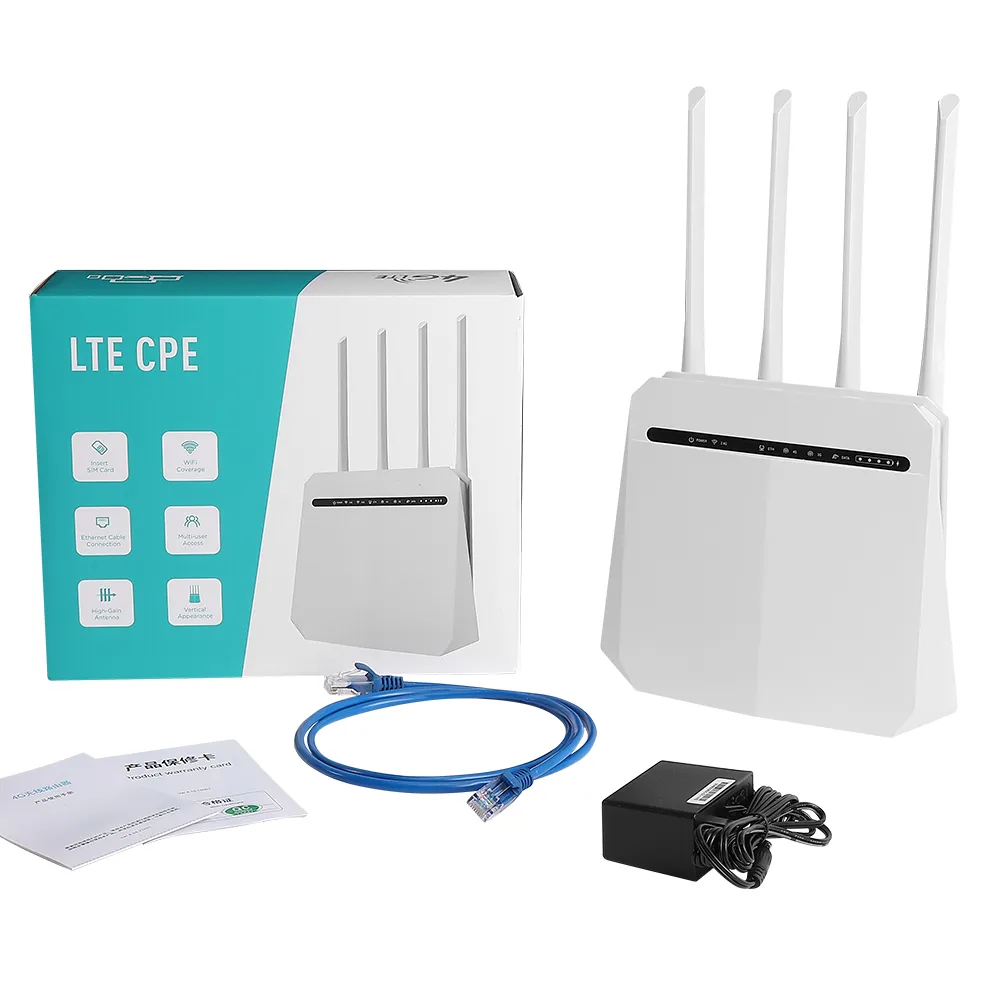
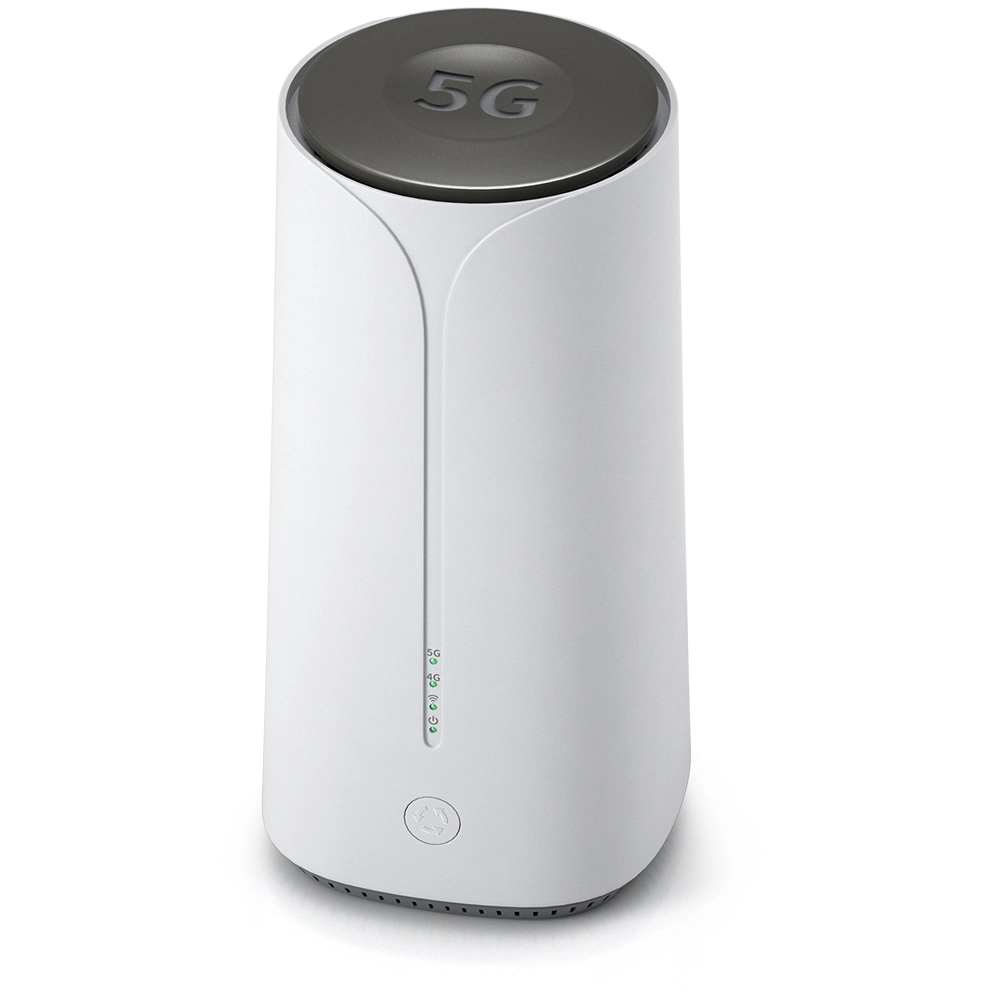
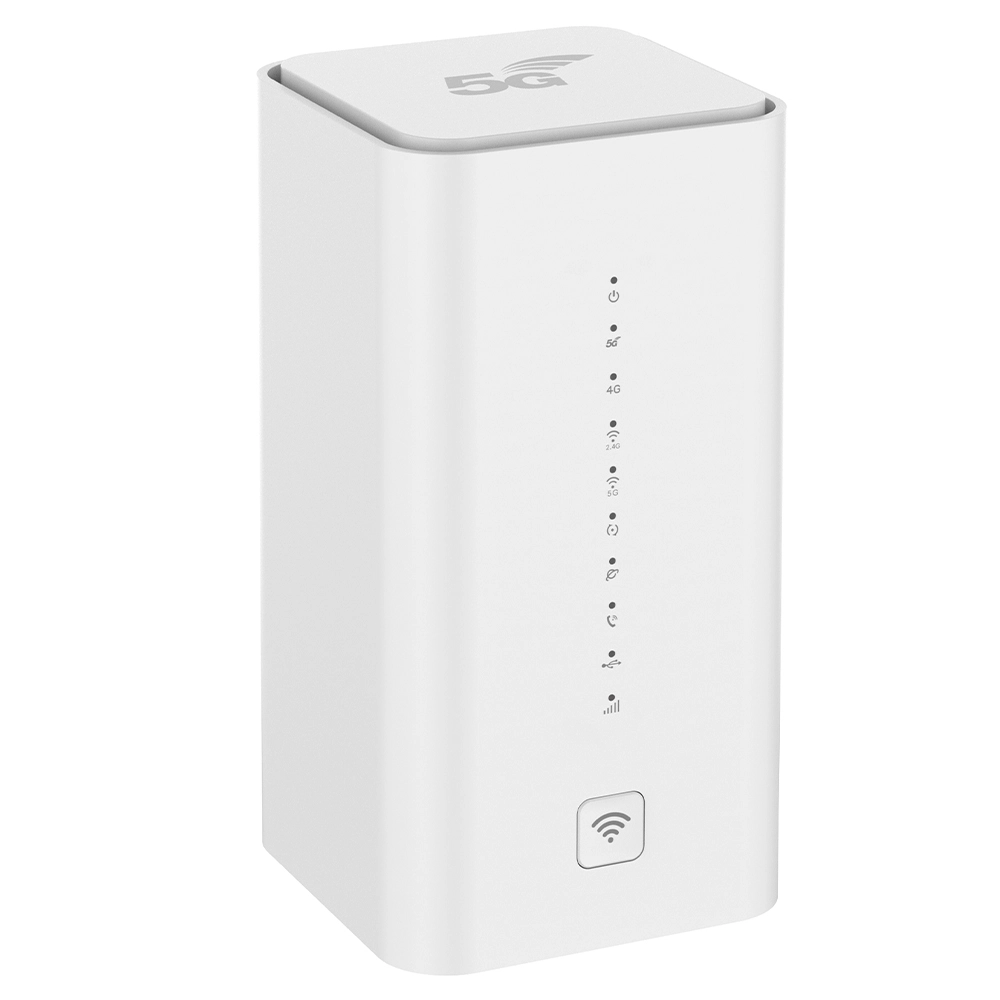
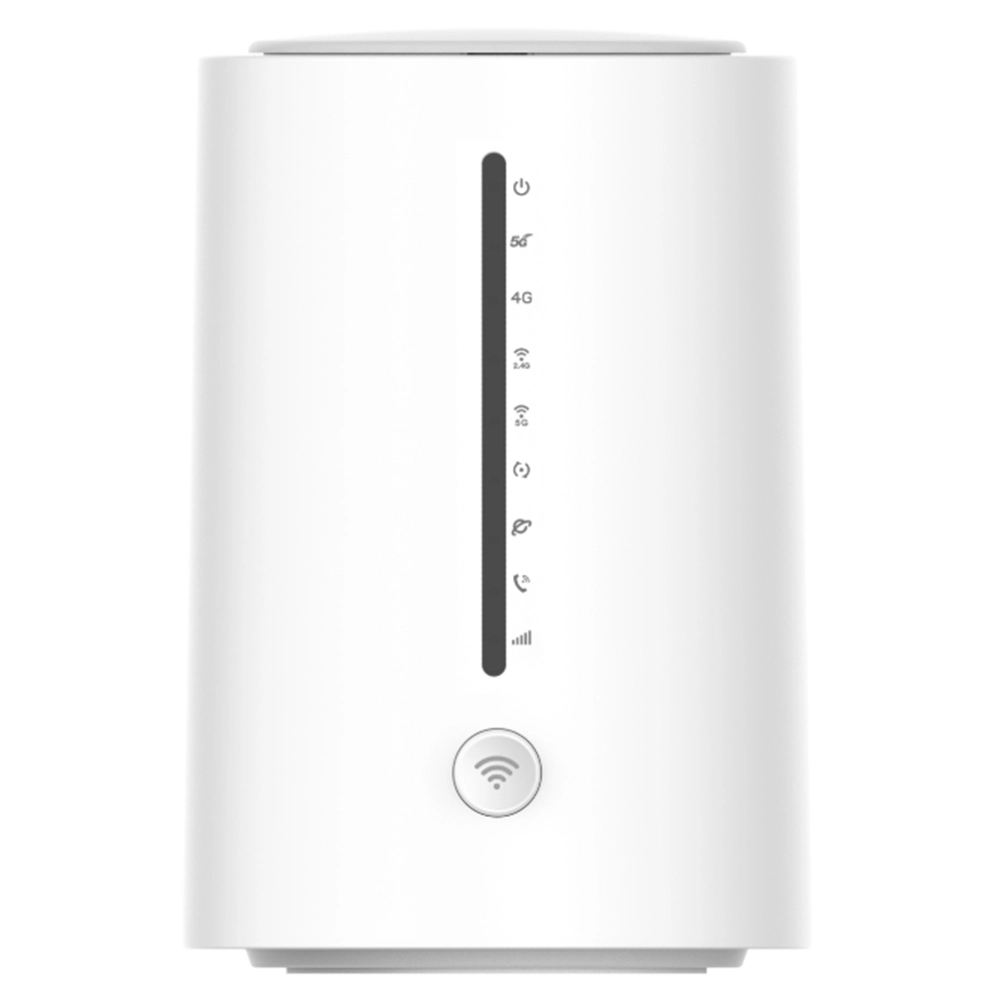
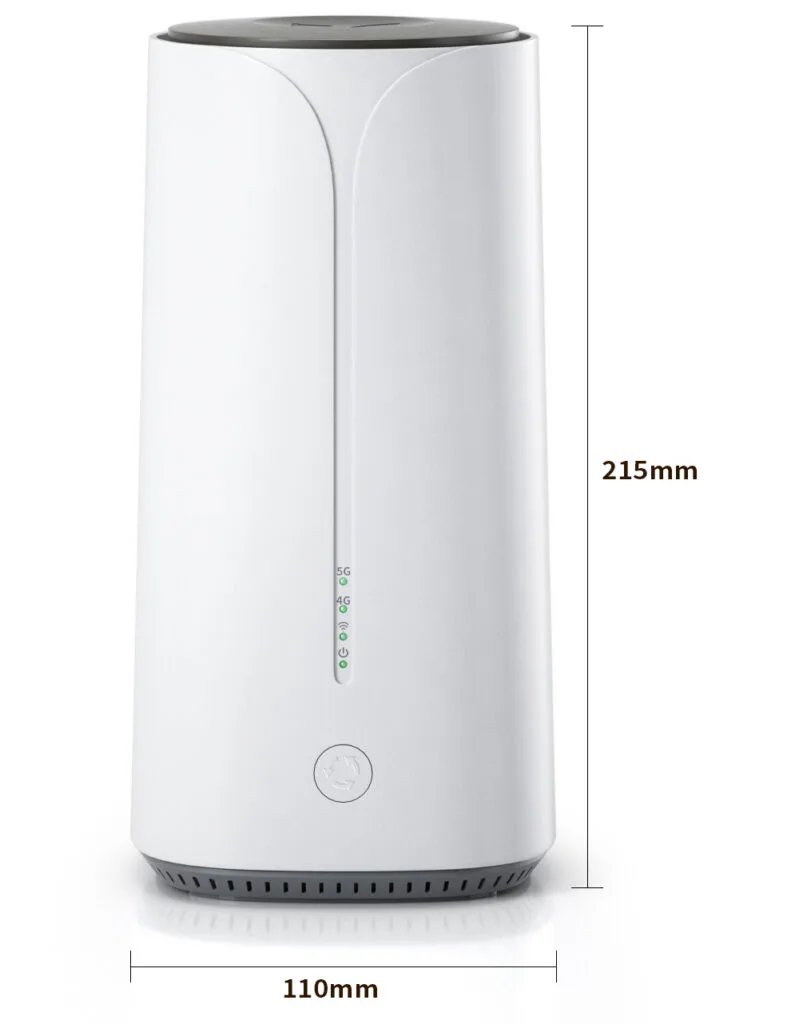
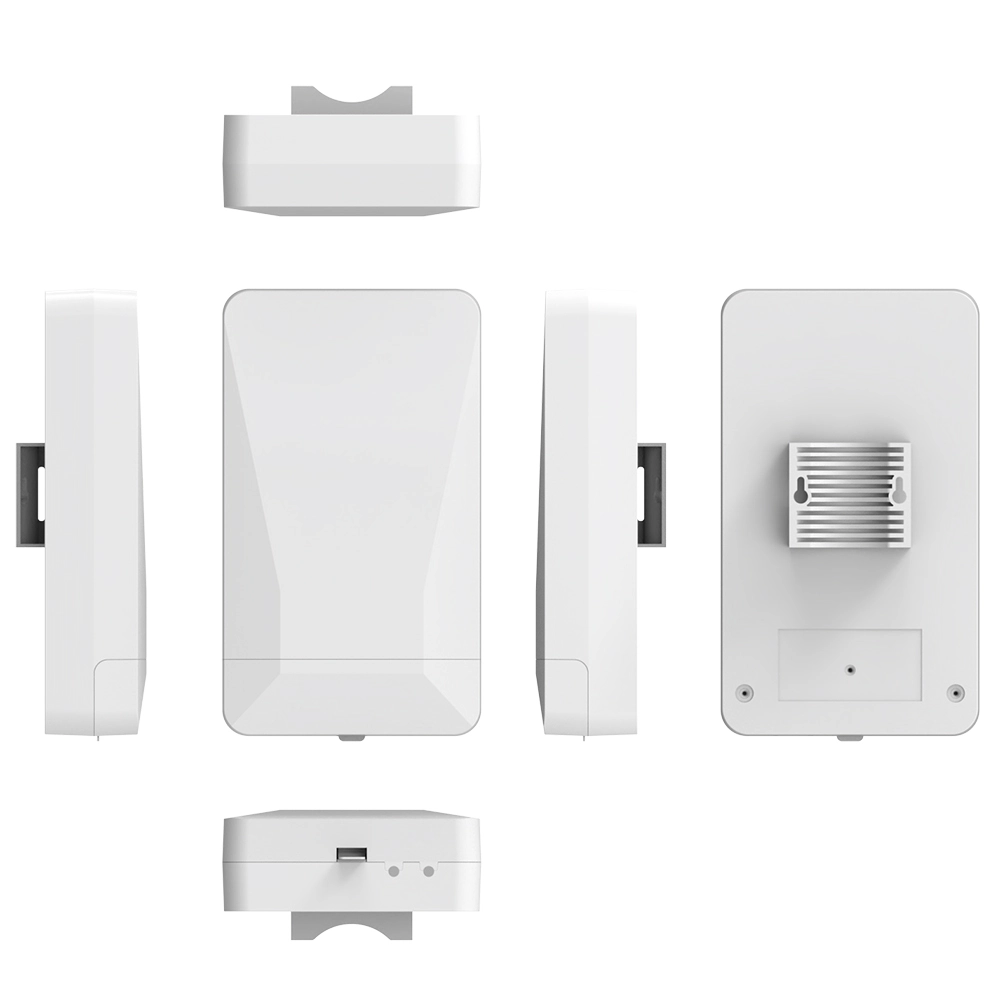
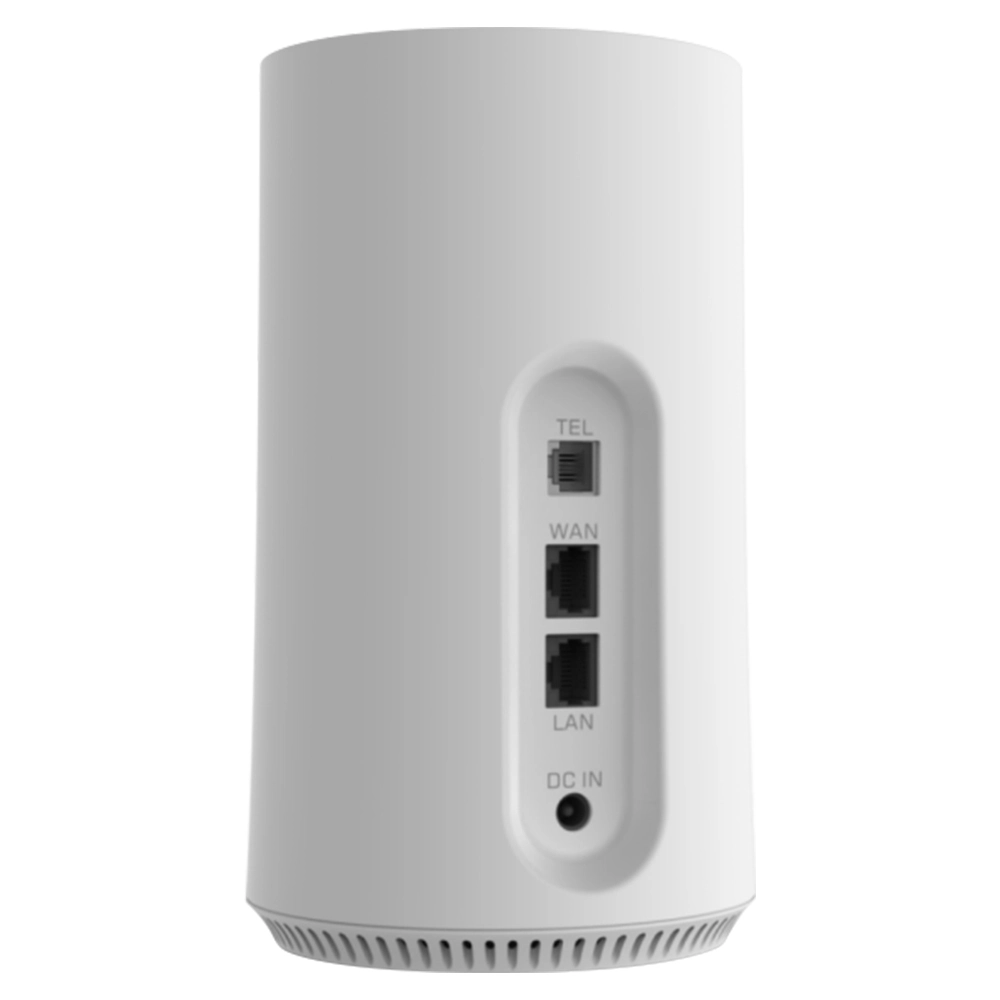
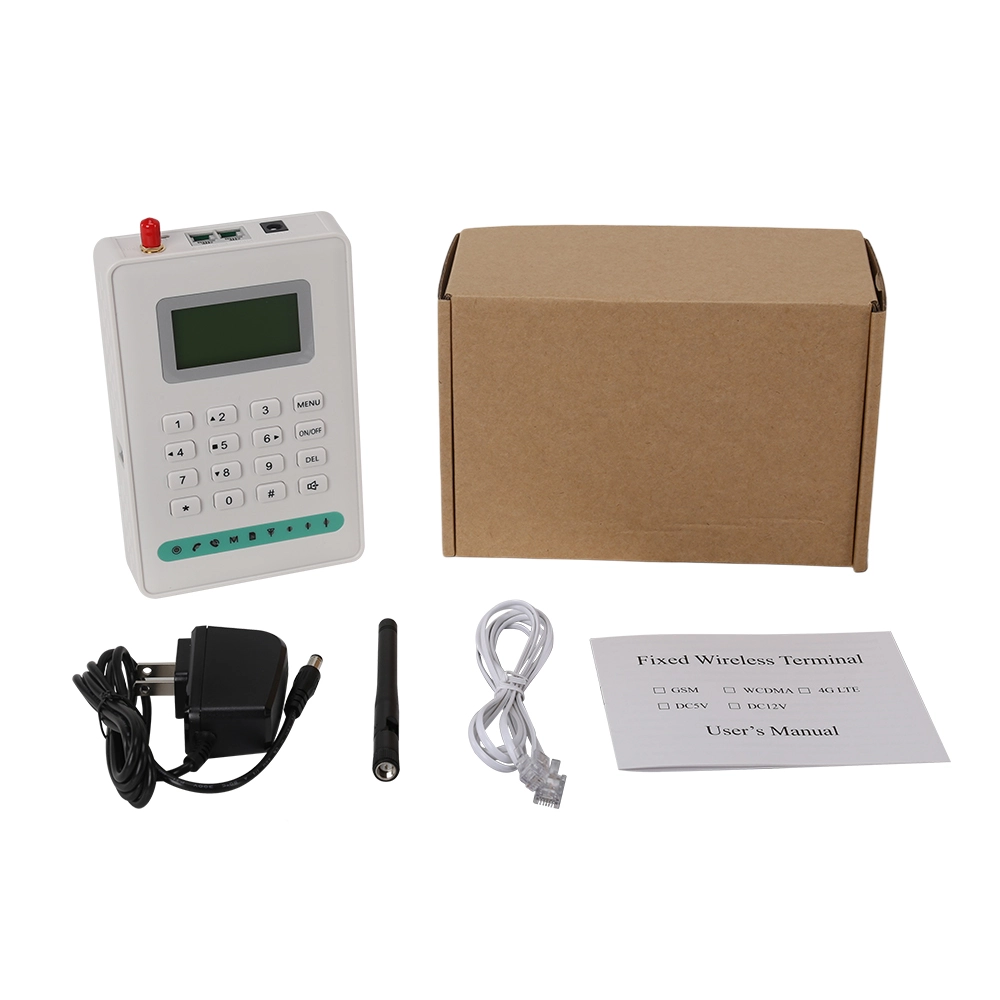
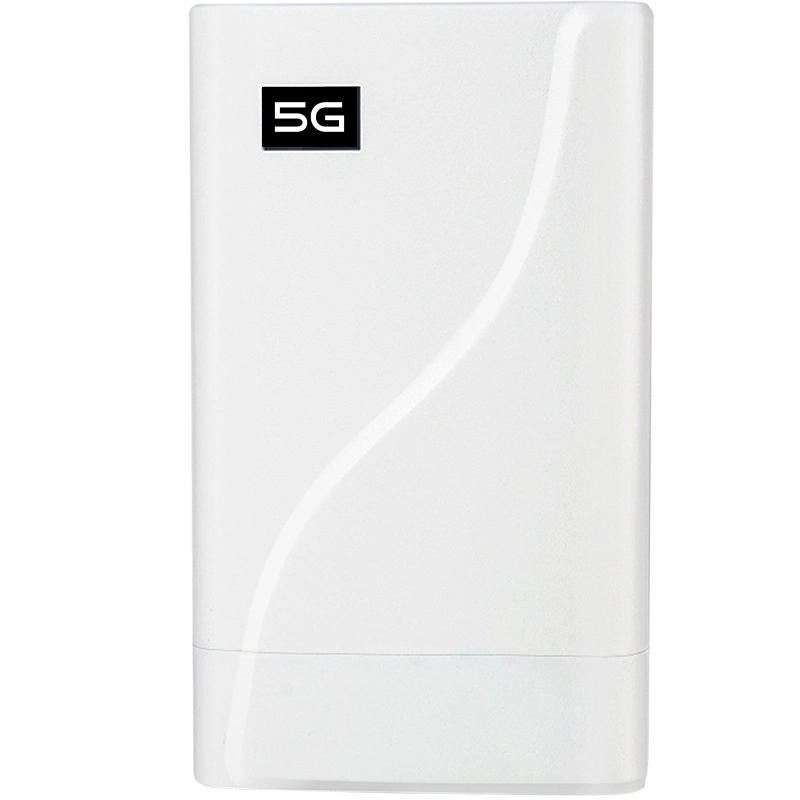
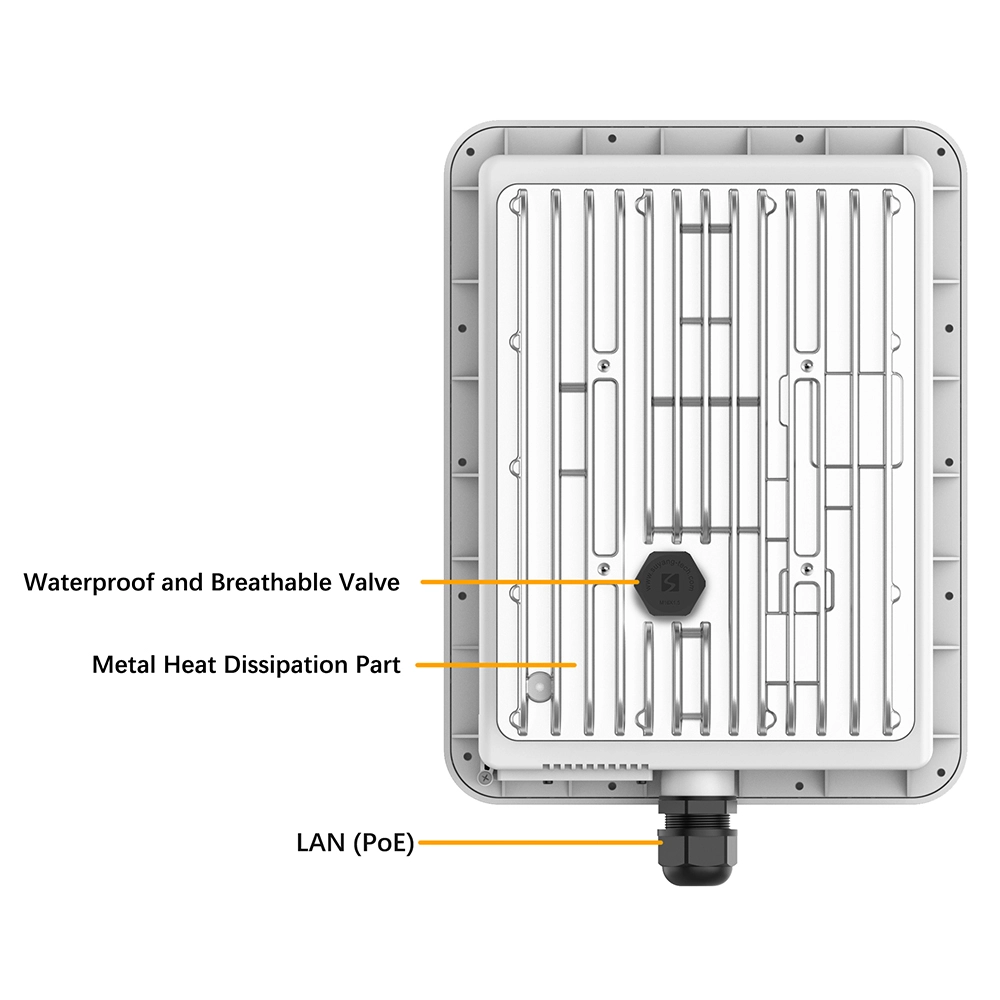
Different 4g wifi router with sim card slot or cellular 5g router models of Shenzhen Junhaoyue Technology Co., Ltd. use different antennas to meet different customer’s different requirements, feel free to contact with us if you need further information.


What can we do for you?