
Over 68% of commercial Wi-Fi outages across multi-location enterprises occur when low-spec networking hardware collapses under high-density user traffic and unmanaged radio interference [Source: IDC 2025]. When regional distributors, system integrators, and internet service providers (ISPs) evaluate the best wifi router for business operations, standard consumer metrics like simple peak burst speeds mean very little. Enterprise networks require robust concurrent client management, strict VLAN traffic segmentation, and hardware-driven cellular backhaul fallback that keeps point-of-sale terminals, office workstations, and guest portals running without missing a beat.
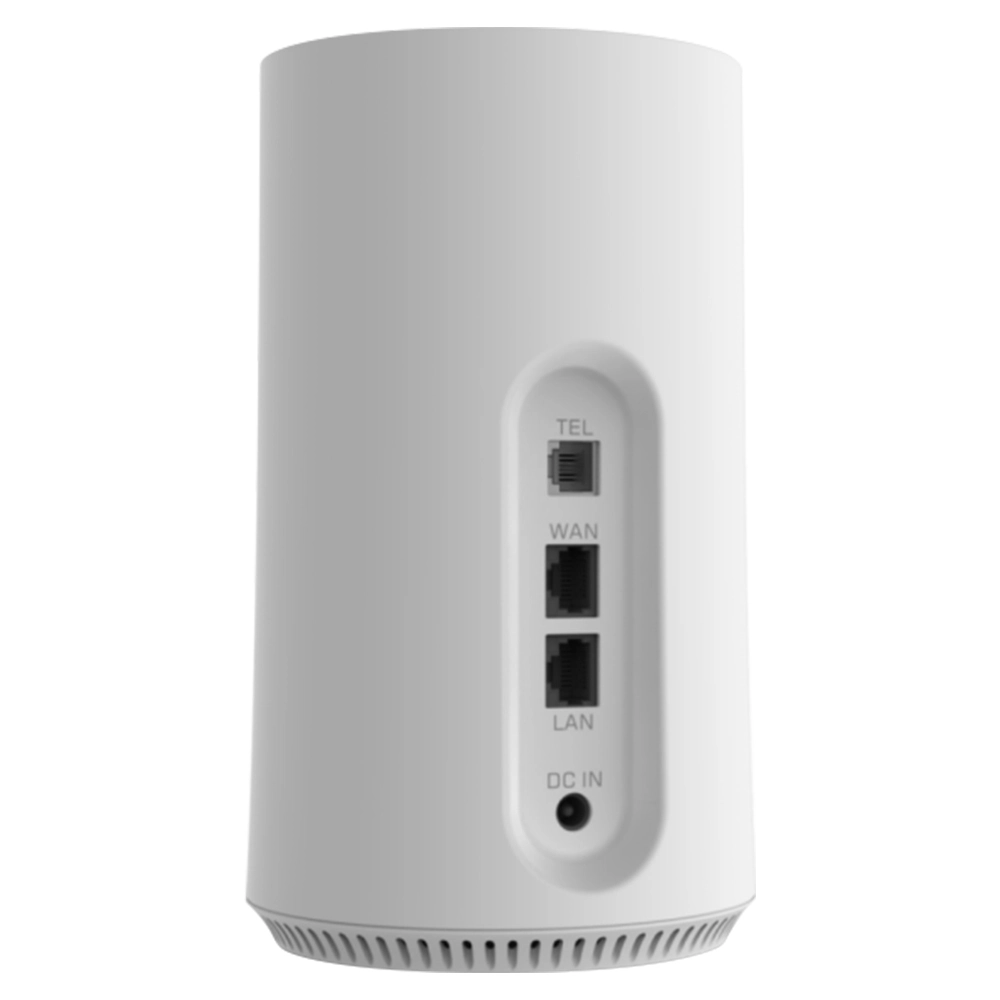
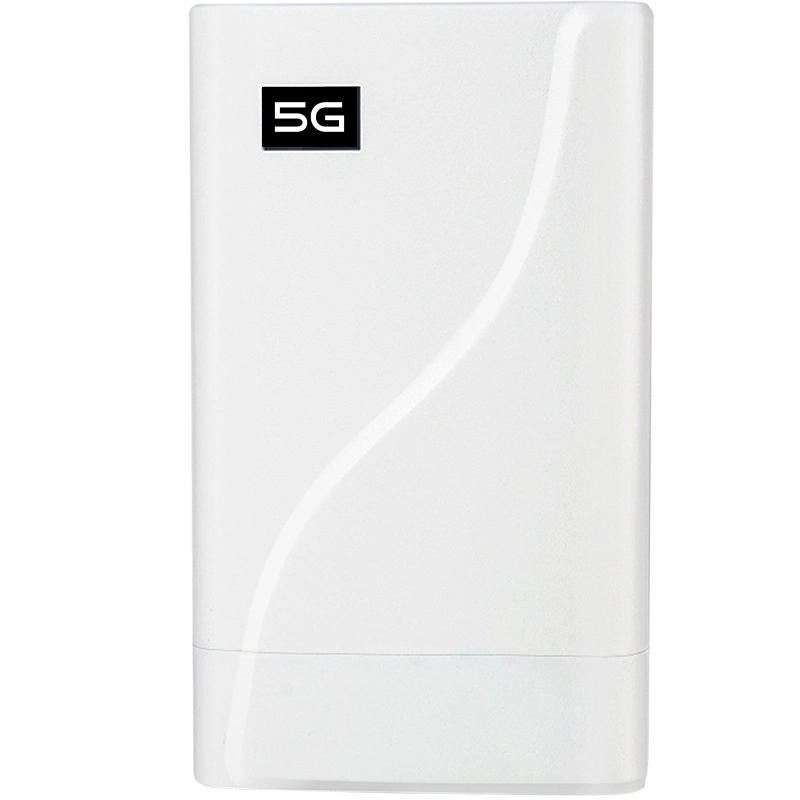
Deploying networking hardware across commercial venues—such as retail chains, automated warehouses, outdoor event spaces, or temporary office hubs—demands an architecture that balances local wireless distribution with fail-safe WAN connectivity. The best wifi router for business operations integrates dual-band Wi-Fi 6 technology with multi-gigabit Ethernet routing and dual-SIM 4G/5G cellular failover. By utilizing OFDMA and 4×4 MU-MIMO antenna arrays, the router handles dozens of simultaneous wireless connections without introducing latency spikes or packet loss. Built-in network processors separate sensitive payment data from employee cloud traffic and public guest access, preserving strict cybersecurity standards across the entire local area network.
Unlocking Wholesale Fleet Margins for Regional Distributors and ISPs
For hardware wholesalers and telecom contractors across emerging and developed markets alike—including Nigeria, Brazil, Mexico, Argentina, Indonesia, Australia, and the United States—managing inventory against volatile international demand presents distinct financial risks. Sourcing a generic wholesale wifi router from third-party trading vendors often locks distributors into rigid hardware SKUs that fail to adapt when regional carriers adjust radio frequencies or when local clients request custom software branding.
Standardizing on a modular wholesale wifi router platform solves these supply chain headaches at the foundation. Forward-thinking distributors select hardware platforms that support comprehensive global Sub-6GHz cellular bands alongside flexible software customization. This approach allows a single hardware inventory SKU to serve diverse commercial projects across Latin America, Europe, Africa, or Southeast Asia. Whether an integrator needs pre-configured APN profiles for rapid site activation, localized captive portal redirects for hotel guests, or SIM-locking features that protect telecom bandwidth subsidies, customizable wholesale hardware protects profitability and accelerates project deployment timelines.
The Direct Wi-Fi Router Manufacturer Advantage in Mass Hardware Deployment
Sourcing bulk networking equipment through generic brokers introduces hidden operational risks, including untraceable component variations, delayed firmware updates, and unaddressed hardware failure rates in the field. Partnering directly with a specialized wifi router manufacturer featuring in-house SMT production lines eliminates middleman markups while boosting hardware first-pass yields by 30% over standard commercial baselines. Direct manufacturing control ensures that every circuit board, antenna connection, and power management module undergoes rigorous thermal and signal calibration before entering the shipping container.
Working with an R&D-driven wifi router manufacturer also bridges the gap between hardware engineering and long-term fleet management. When an enterprise deployment spans thousands of remote locations, sending technical personnel onsite to resolve minor software glitches drains operational budgets. Direct manufacturing partners integrate full TR-069 and TR-181 protocol compliance into the core firmware. This enables central IT divisions to push batch security patches, change APN settings, analyze real-time signal metrics, and reboot frozen connections remotely across global deployments.
The reference table below compares the operational and economic differences between generic wholesale supply channels and a direct manufacturing partnership for commercial Wi-Fi projects:
| Operational Metric | Generic Broker / Retail Wholesale Supplier | Direct R&D Wi-Fi Router Manufacturer (Junhaoyue) | Direct Value for B2B Sourcing |
| Concurrent Client Handling | Limited consumer SoC prone to high-density buffering | Enterprise Wi-Fi 6 architecture supporting heavy concurrent connections | Prevents network crashes in busy retail, venue, and office environments |
| Quality Control & Yields | Batch sampling with unpredictable field defect rates | In-house SMT lines achieving 30% higher first-pass yield | Minimizes site dispatch costs and protects distributor brand reputation |
| Firmware & Captive Portal | Locked, unchangeable vendor Web UI | Deep OEM/ODM customization (Custom Web UI, APN, Captive Portal) | Allows ISPs and wholesalers to deploy branded, locked-in client ecosystems |
| Remote Fleet Maintenance | Basic local admin login | Full TR-069 / TR-181 centralized fleet management | Empowers central IT teams to diagnose and patch thousands of remote units |
Key Hardware Evaluation Criteria for Commercial Wi-Fi Fleets
Before issuing purchase orders for large-scale enterprise rollouts, procurement directors and network architects should verify four core technical capabilities with their hardware partner:
- Wireless Concurrency and OFDMA Support: Confirm that the Wi-Fi architecture utilizes Wi-Fi 6 technology with 4×4 MU-MIMO to maintain multi-user throughput across crowded commercial spaces.
- Hardware-Level System Autonomy: Ensure the device integrates an independent hardware watchdog alongside dual-SIM failover to automatically recover from carrier signal dropouts without manual intervention.
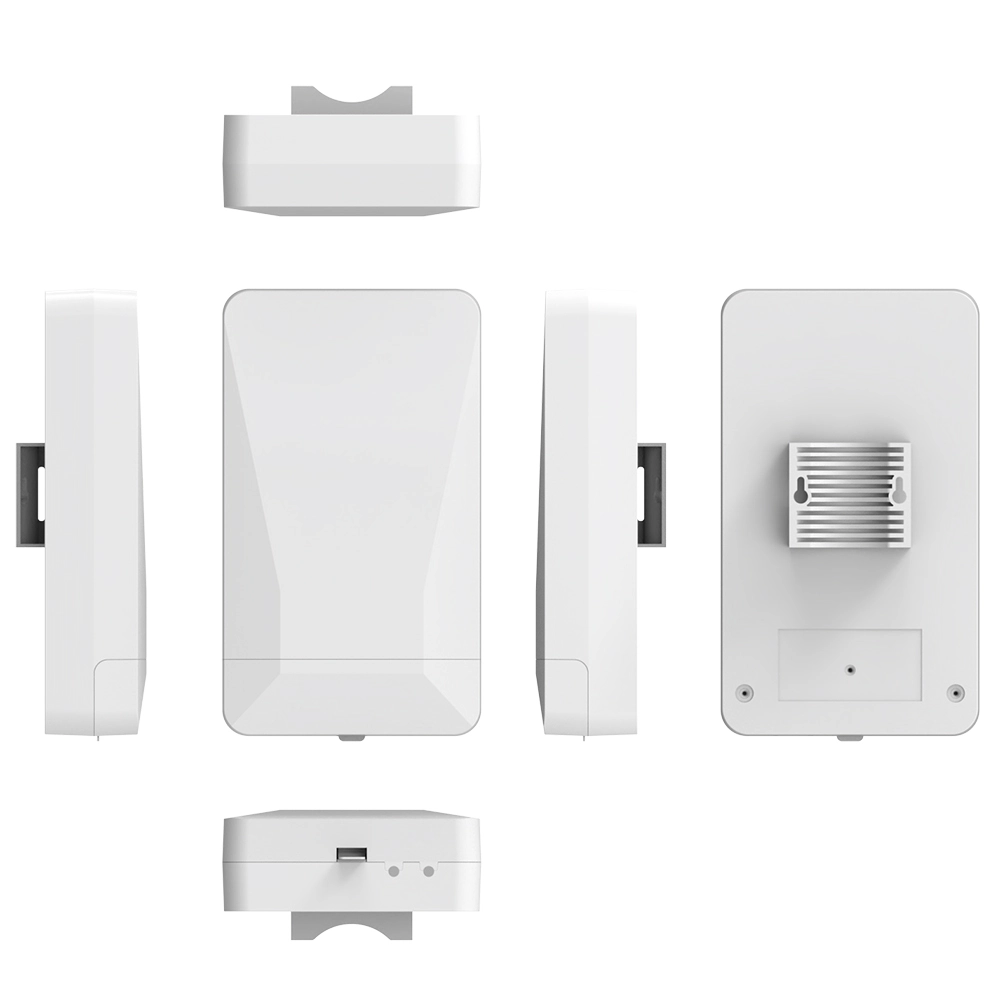
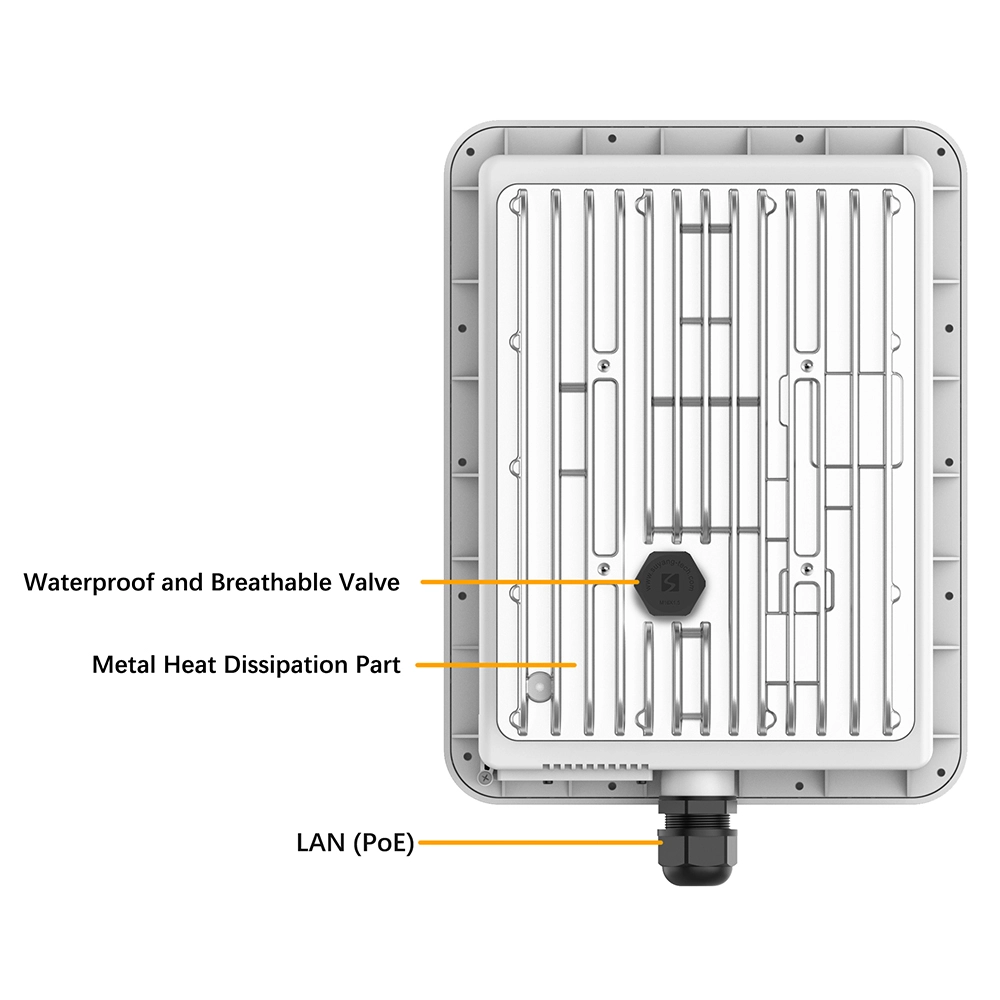
- Ingress Protection and Thermal Resilience: Verify heavy-duty metal housing or IP66/IP67 rated enclosures for outdoor installations, guaranteeing stable operation across extreme ambient temperatures (-20°C to +70°C).
- Flexible OEM Branding and eSIM Integration: Partner with a manufacturer willing to offer reasonable minimum order quantities for custom casing logos, pre-configured firmware builds, and embedded eSIM motherboards to simplify field logistics.
Building a resilient, high-speed wireless infrastructure requires moving beyond generic retail hardware. By collaborating directly with an experienced manufacturing partner, global B2B procurement teams secure superior hardware reliability, long-term technical support, and the exact software customization necessary to dominate local markets.


What can we do for you?