
Global enterprise supply chain delays and hardware incompatibilities cost multi-site businesses over $4.2 million annually in delayed project activations and emergency site interventions [Source: McKinsey 2025]. When procurement directors, regional ISPs, and system integrators evaluate internet router companies to anchor their network infrastructure, they face a market crowded with generic trading vendors and overpriced legacy brands. Building a resilient, scalable connectivity framework across volatile international markets requires looking beyond consumer-tier brand recognition to partner with an engineering-driven supplier capable of delivering zero-defect hardware at sustainable wholesale margins.
Evaluating the Supplier Landscape Across Global Internet Router Companies
Selecting among international internet router companies requires a clear understanding of the architectural differences between consumer networking brands and enterprise-grade hardware partners. Legacy retail brands prioritize sleek consumer packaging and simple home setups, yet their locked firmware frameworks prevent regional ISPs and system integrators from executing custom APN configurations or white-label Web UI branding. Sourcing through middleman trading entities exposes commercial buyers to untraceable component changes, inflated unit markups, and zero technical support when localized carrier frequency conflicts arise in the field.
In contrast, agile network router companies that control their own manufacturing and firmware development provide the flexibility necessary for complex commercial deployments. Modern commercial applications—ranging from automated agricultural telemetry in Australia and Brazil to smart city surveillance grids in Mexico, Nigeria, and Indonesia—demand specialized hardware features. Enterprise buyers need industrial gateways equipped with 4×4 MIMO global Sub-6GHz band coverage, multi-gigabit Ethernet interfaces, and hardware-accelerated VPN engines that process encrypted IPSec, WireGuard, and OpenVPN traffic without throttling local bandwidth.
Manufacturing Precision and Supply Chain Control
The operational divide between generic trading vendors and direct R&D network router companies becomes obvious on the production floor. Facilities backed by in-house Surface Mount Technology (SMT) assembly lines and dedicated engineering teams maintain total oversight over every stage of circuit placement, thermal stress testing, and signal calibration. Directly partnering with an R&D-focused network router company featuring over a decade of wireless hardware experience reduces field defect rates by up to 35% while eliminating middleman markups. This rigorous quality management achieves a first-pass yield rate 30% higher than standard commercial baselines, guaranteeing that every shipped device operates reliably in harsh ambient environments ranging from -20°C to +70°C.
Beyond physical hardware durability, leading network router companies provide the software flexibility required for seamless fleet integration. Integrating full TR-069 and TR-181 protocol compliance into core device firmware allows central IT divisions to manage thousands of remote nodes from a single dashboard. Network administrators can push batch security patches, alter carrier profile parameters, monitor real-time signal diagnostics, and execute remote reboots without dispatching technicians to remote job sites.
Strategic Vendor Comparison Matrix
| Sourcing Evaluation Metric | Generic Trading Broker / Retail Vendor | Direct R&D Network Router Manufacturer | Strategic B2B Value |
| Manufacturing & Quality Control | Outsources assembly with variable defect rates | In-house SMT lines with 30% higher first-pass yield | Eradicates early field failures and reduces site dispatch costs |
| Software & Firmware Customization | Locked consumer firmware with zero API access | Full OEM/ODM flexibility (APN, Band Lock, Custom Web UI) | Enables ISPs to deploy branded, locked-in client ecosystems |
| Operating Environment Range | Basic plastic housing (0°C to 40°C) | Heavy-duty metal or IP67 outdoor housing (-20°C to +70°C) | Guarantees continuous uptime in harsh industrial or outdoor environments |
| Remote Fleet Management | Local web login only | Centralized TR-069 / TR-181 protocol support | Allows central IT teams to monitor, patch, and manage global nodes |
Tailored OEM Customization for Regional Market Dominance
Expanding enterprise network coverage across diverse geographical regions requires navigating complex radio frequency fragmentation. A 5G cellular router installed across European distribution hubs utilizes different Sub-6GHz frequency bands than hardware deployed in North America or Southeast Asia. Advanced network router companies resolve this fragmentation by engineering multi-band 4×4 MIMO antenna configurations that operate across global cellular frequencies, allowing distributors to streamline inventory under unified hardware SKUs.
Direct manufacturing partners also support tailored OEM and ODM customization programs that empower regional distributors to build brand equity. From customizing physical casing colors and silkscreening corporate logos to embedding digital eSIM motherboards and pre-configuring carrier lock mechanisms, direct hardware manufacturers adapt production lines to match exact project specifications. This level of customization protects telecom bandwidth subsidies, prevents unauthorized hardware resale, and delivers a fully branded solution to end customers.
Actionable Sourcing Checklist for Enterprise Procurement Officers
Before signing supply contracts with internet router companies for upcoming multi-site rollouts, procurement directors should evaluate four non-negotiable criteria:
System Self-Healing Autonomy: Verify that hardware platforms incorporate an independent hardware watchdog alongside dual-SIM auto-failover to automatically restore connections during cellular carrier outages.
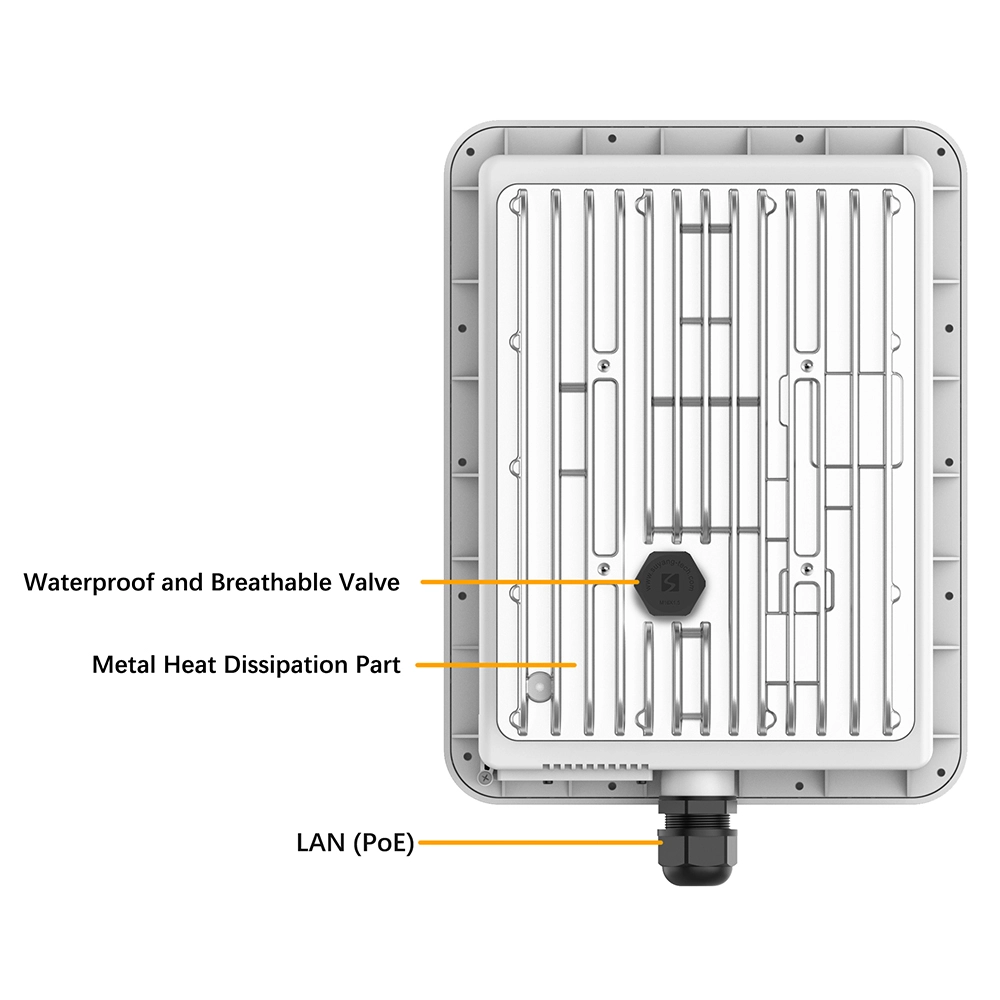
Certified Physical Ingress Protection: Ensure outdoor cellular routers carry verified IP66/IP67 ingress ratings and PoE (Power over Ethernet) support to simplify high-elevation pole mountings.
Fleet Management Compliance: Confirm native TR-069/TR-181 integration to execute zero-touch remote provisioning and centralized diagnostic tracking across deployed hardware.
Transparent R&D Partnership: Choose a manufacturing partner with over ten years of dedicated wireless R&D experience, a proven track record in 4G/5G industrial routing, and flexible MOQ policies for custom firmware builds.


What can we do for you?