
In today’s era of rapid information technology development, communication methods are undergoing profound transformation. Traditional analog telephone systems with their complex wiring, limited functionality and high long-distance charges, couldn’t meet the needs of modern enterprises efficient, flexible and low-cost communication. Meanwhile, Voice over IP technology based on Internet protocols is rapidly becoming mainstream due to its significant cost advantages and rich feature sets. However, a practical question presents itself: How can the existing global traditional telephone network and the emerging VoIP network achieve seamless conversation?
Definition and Bridge Role of VoIP Gateway
VoIP Gateway, full name is Voice over Internet Protocol Gateway, is a hardware device or software solution whose core mission is to act as interpreter and connector between traditional Public Switched Telephone Network (PSTN) and IP networks. It’s like a bridge with one end connect to traditional telephone network use analog signals or digital trunk lines, and the other end access IP network or local area network that carries data packets. Its existence enables voice calls made from traditional telephones to be converted into data packets and transmitted over Internet to distant locations. Simultaneously, it can convert VoIP data packets come from Internet back into signals recognizable by traditional telephone network, deliver them to destination landlines or mobile phones. Through this bidirectional protocol conversion and media transcoding, two originally heterogeneous network worlds can communicate without barriers.
Core Working Principle of VoIP Gateway
To understand how VoIP gateway works, we need to break down its key steps in processing a call. When a call originates from traditional telephone side, the gateway first receives raw analog or digital signals through its FXS ports or digital trunk cards, then the gateway’s internal codec activates, sampling, quantizing and compressing the continuous voice signal into a specific format of digital audio data. Subsequently, the call control and signaling processing module begin to work. Based on call destination information, it establishes a communication link with remote VoIP system or another gateway using signaling protocols such as SIP. Finally the packetization module encapsulates these digital audio data into packets contain destination address information and sends them into the torrent of the Internet via Ethernet interface. The reverse process is similar: gateway receives data packets from network side, depacketizes, decodes and restores them to analog signals, deliver them to the telephone handset via telephone lines. This entire process involves complex real-time signal processing, protocol analysis and routing decisions, require gateway to possess robust processing capabilities and extremely low latency.
Main Types and Forms of VoIP Gateways
Depend on application scenarios, deployment scale and connection methods, VoIP gateways mainly appear in the following forms. First one is Analog Telephone Adapter gateway, which typically provides a few analog telephone interfaces, it is suitable for home offices, small micro-enterprises or as a supplement to larger systems, used to connect ordinary fax machines or analog telephones. Second one is Digital Trunk Gateway, which connects to carrier telephone networks via E1 or T1 digital lines, offer larger capacity for concurrent call channels, it is the mainstream choice for small and medium-sized enterprises to connect to PSTN. The third one is Integrated Access Device (IAD), which integrates multiple functions such as VoIP gateway, router, firewall and even a VoIP server, provide branch offices with one-stop solution for voice and data access. Additionally, with popularization of virtualization technology, virtual VoIP gateways running as software on general-purpose servers have also emerged, offer higher deployment flexibility and scalability.
Key Technical Components of VoIP Gateways
A mature VoIP gateway is not a black box, its interior comprises multiple precise technical components working in concert. Signaling Gateway handles instructions for call establishment, maintenance and teardown between different networks, enable interoperability between VoIP signaling protocols like SIP and H.323 and traditional signaling such as SS7 or ISDN User Part (ISUP). Media Gateway focuses on voice media stream conversion, perform critical voice processing functions like encoding/decoding, echo cancellation, voice activity detection (VAD) and comfort noise generation (CNG). Codec is the heart of voice quality. Common examples include G.711, which provides lossless but bandwidth-intensive voice, and G.729 which significantly saves bandwidth with high compression while maintain acceptable audio quality. Furthermore, NAT traversal capability is crucial for gateways deployed behind private networks, ensure that external networks can correctly address and access the gateway device.
Core Value of VoIP Gateways in Enterprise Communications
Deploy VoIP gateway brings immediate and multifaceted value to enterprises. The most direct benefit is substantial communication cost reduction, especially for businesses with long-distance or international calling needs. By routing traffic over Internet, they can avoid the high charges of traditional carriers. Second, it protects existing investments as enterprises needn’t to eliminate all their legacy analog phones and fax machines immediately, enable smooth transition to VoIP. Third, it enhances communication reliability and flexibility. Through gateways, branch offices can make inter-office extension calls for free and integrate into a unified VoIP system, enjoy advanced features like voicemail, auto-attendants and call forwarding. Additionally, gateways enable fax integration, support Fax over IP (FoIP) and allow traditional fax services to be incorporated into digital workflows.
Differences and Connections Between VoIP Gateways and VoIP Servers
Beginners often confuse with VoIP gateways and VoIP servers. To make it simply, VoIP server is the brain and command center of the communication system, responsible for user management, call routing and business logic execution. On the other hand, VoIP gateway is the system’s limbs and sensory organs, responsible for executing specific network access and signal conversion tasks. The server focuses more on control, while the gateway focuses more on connection. In practical deployment, VoIP server and gateway work together: the server tells the gateway that a call is coming in so please prepare to receive it and forward it to extension 1001, the gateway then handles the specific signal reception, conversion and transmission. In many enterprise-grade solutions, they may exist as separate hardware components or integrated into a single device.
Analysis of Typical Application Scenarios for VoIP Gateways
VoIP gateways applicable in various communication scenarios. At corporate headquarters or branch offices, they connect with entire office’s analog phone system to the headquarters’ or cloud-based VoIP platform. In call center scenarios, gateways connect a large number of external phone lines to the Automatic Call Distributor (ACD) system and agent softphones. For telecom carriers or service providers, large-scale trunk gateways are core infrastructure to buildi VoIP termination services and achieve inter-network interconnection. In emergency communication or temporary office setups, portable small gateways can be quickly deployed to provide temporary traditional telephone access. Even in the Internet of Things (IoT) field, gateways are used to connect specialized devices that require voice alerts or interaction.
Key Considerations Before Deploying a VoIP Gateway
Successfully deploying a VoIP gateway is not simply plug-and-play, it need careful planning. Primary consideration is capacity requirements–the number of simultaneous calls needed–which determines the number of ports and trunk scale required. Second is compatibility with existing equipment, confirm whether the signal protocols and codec formats supported by the gateway match the existing VoIP system or carrier network. The network environment is also crucial, include whether bandwidth is sufficient and whether network latency and jitter within acceptable ranges, as these directly affect call quality. Security cannot be overlooked, the gateway device itself should be resistant to attacks and voice streams should consider encryption during transmission. Additionally, device reliability, vendor’s technical support capabilities and total cost of ownership are all points should be considered during decision-making.
Key Points for VoIP Gateway Configuration and Management
Gateway device configuration is typically performed through a web-based management interface or command line. Administrators need to assign an IP address, subnet mask and default gateway to the gateway. In terms of voice configuration, appropriate call routing rules need to be set for each physical port or trunk channel, such as specifying which extension incoming calls should be forwarded to or define which outgoing calls can be sent through specific trunk groups. Advanced configuration may involve voice quality optimization parameters, such as jitter buffer size and VAD thresholds. Daily management includes monitoring call status, viewing system logs and performing regular firmware upgrades to fix vulnerabilities and obtain new features. A clear management process ensures long-term stable operation of the gateway.
Industry Standards and Protocols Related to VoIP Gateways
The interoperability of VoIP gateways relies on a series of open standards and protocols. At media control level, MGCP (Media Gateway Control Protocol) is an important standard that defines control interface between a Media Gateway Controller and a Media Gateway, separate call control from media conversion. In terms of device discovery and configuration, XMPP (Extensible Messaging and Presence Protocol) is sometimes used for automatically configuring VoIP devices. SDP (Session Description Protocol) is used to describe parameters of multimedia sessions. Additionally, RTP (Real-time Transport Protocol) and its control protocol RTCP are responsible for real-time transmission and quality monitoring of voice data packets. Adher to these international standards ensures that gateways and devices from different manufacturers can work together, build an open ecosystem.
Development Trend and Future Outlook of VoIP Gateway Technology
Technological evolution never stops, VoIP gateways continuing to develop. One clear trend is feature convergence, with gateways gradually integrate into enterprise routers, firewalls, or unified communications equipment, become part of a Session Border Controller (SBC) or Integrated Access Device (IAD). Virtualization is another strong trend, with software-based gateways enable more flexible deployment and easy elastic scaling in cloud environments. With commercial deployment of 5G technology, gateways begin to support deeper integration with mobile networks. In terms of intelligence, integrate AI for dynamic voice quality optimization, intelligent routing and fraudulent call detection will become possible. In the long run, as traditional telephone networks gradually retire, the form and role of gateways may change, but the core concept of protocol conversion between different networks will continue to be reflected in future communication architectures.
Common Troubleshooting and Voice Quality Issue Analysis
When use VoIP gateways, problems such as calls fail to connect, one-way audio, noise or echo may occur. For call failures, check physical connections, network connectivity, registration status and routing configuration in sequence. When one-way audio occurs, it is often related to NAT session timeouts or asymmetric firewall routing, require inspection of NAT and firewall rules. Poor voice quality, such as noise, choppiness or delay, typically stems from network issues: insufficient bandwidth will cause packet loss, excessive network latency or improperly configured jitter buffers. Echo may be related to mismatched line impedance on the gateway or the echo cancellation feature not being properly enabled. Systematically use network diagnostic tools and the gateway’s built-in logging and statistics functions is fundamental to locate and resolve these issues.
Security Protection Strategies for VoIP Gateways
As network edge devices, gateway security cannot be underestimated. The primary principle is to change default administrator passwords and enable strong password policies. The management interface should be restricted to internal management network access whenever possible or accessed via VPN. Promptly install security patches and firmware updates released by vendors to fix known vulnerabilities. Regarding voice security, consider enabling TLS (Transport Layer Security) or SRTP (Secure Real-time Transport Protocol) to encrypt signaling and media streams to prevent eavesdropping. Configure Access Control Lists (ACLs) to only allow access requests from trusted VoIP servers or carrier IP addresses. Regularly audit call records and logs to monitor unusual calling patterns and prevent toll fraud attacks.
Selection Guide and Market Considerations for VoIP Gateways
Faced with numerous gateway products in the market, how to choose? For small-scale applications, stability and ease of using may be the primary considerations, make products with high brand recognition and clear configuration wizards suitable. For medium-to-large enterprises or service providers, focus on device performance specifications, high-availability design and redundancy support. Examine the vendor’s technical support system, documentation completeness and user community activity is also very important. Open-source gateway solutions, in certain scenarios, offer high customization and cost advantages, but need strong technical capabilities. Before purchasing, if conditions permit, conduct Proof of Concept (POC) testing is the best way to evaluate device performance in actual network environment.
Integration of VoIP Gateways with Unified Communications
In modern Unified Communications (UC) systems, VoIP gateway is a critical entry point connect traditional voice world with converged communications platform. It enables SIP-based softphones, video conferencing systems and instant messaging clients to call any telephone on PSTN. Through APIs or deep integration with UC server, call events triggered by the gateway can be captured and utilized by broader enterprise applications, such as automatically popping up customer information when a call arrives, or enable click-to-dial functionality. This integration breaks down communication silos, seamlessly embedding voice communication into business processes like Customer Relationship Management (CRM) and Office Automation (OA), greatly enhance collaboration efficiency and customer experience.
Conclusion: The Enduring Value of VoIP Gateways
In summary, VoIP gateway is far from an outdated transitional technology product. In the era where traditional telephone networks and IP networks coexist for long term, it serves as an indispensable bridge. Through sophisticated protocol translation and signal conversion technology, it not only protects enterprises’ existing investments but also opens the door to modern communication that is low-cost, highly flexible and feature-rich. Whether it’s the first step for small micro-enterprises towards VoIP, large enterprises build complex hybrid communication architectures, or carriers provide converged services, VoIP gateway plays a solid and critical role. Understand its principles, master its applications and effectively utilize its capabilities will help organizations steadily progress and succeed in their digital transformation of communication.
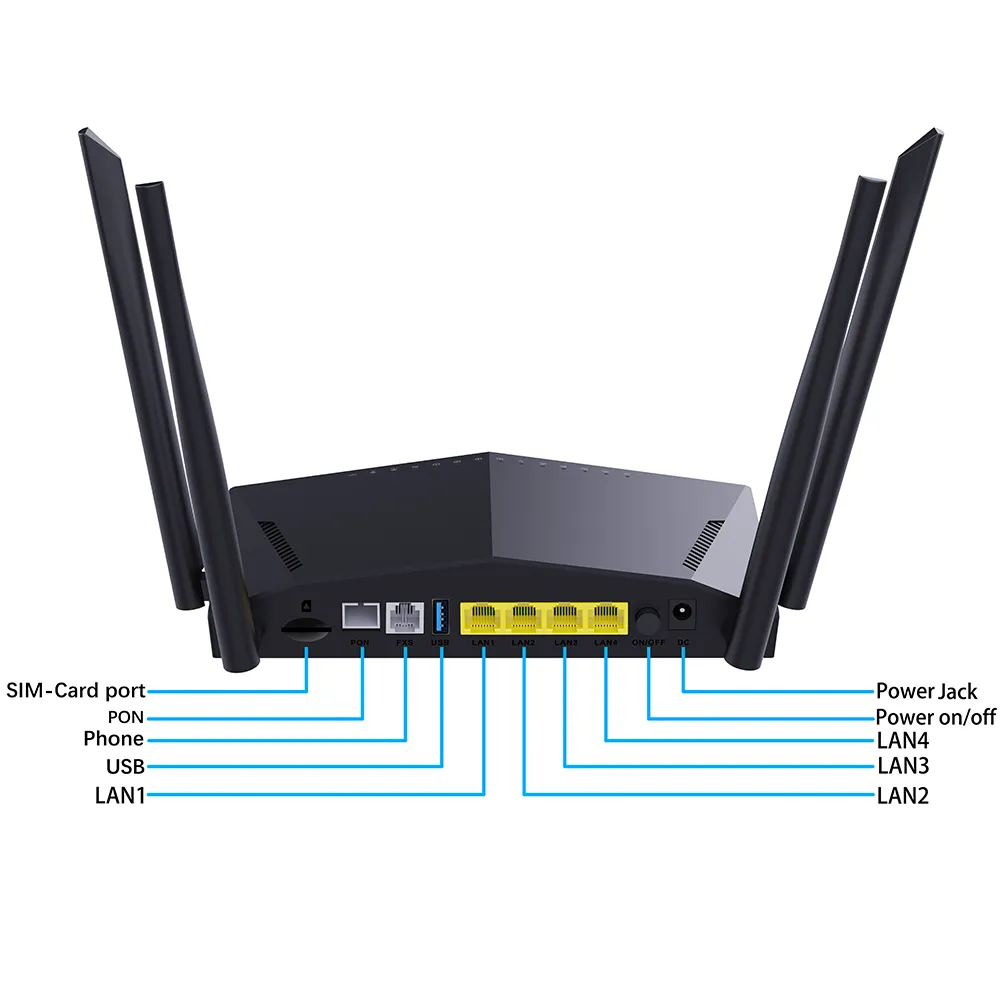
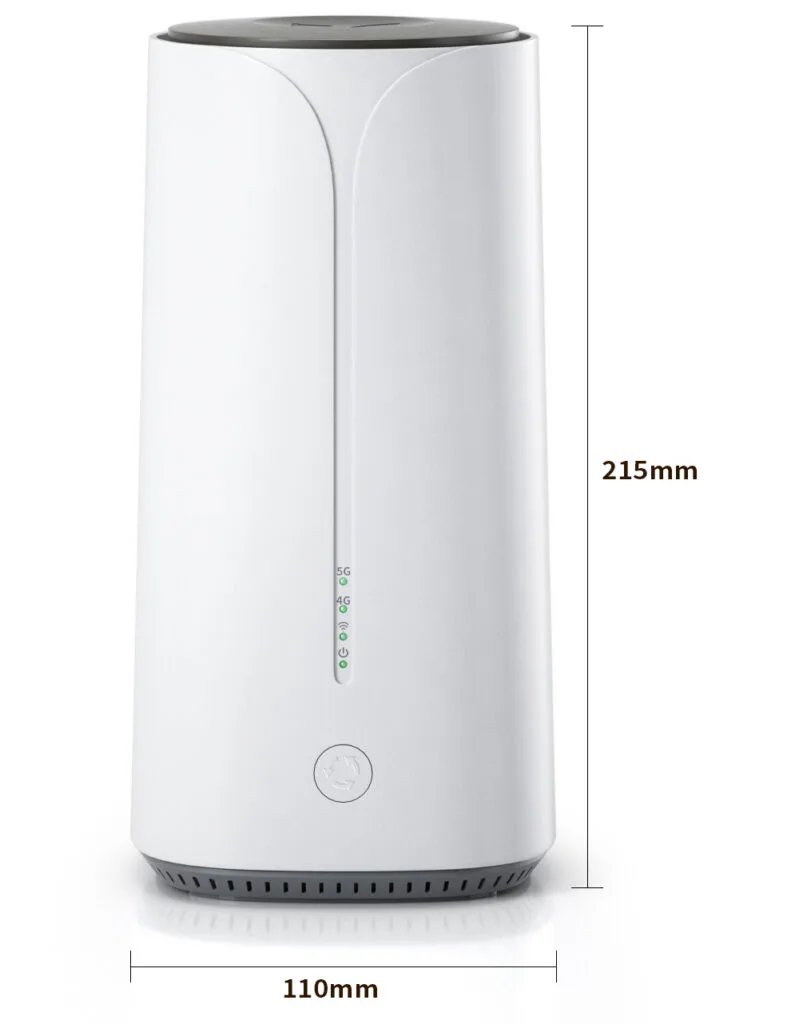
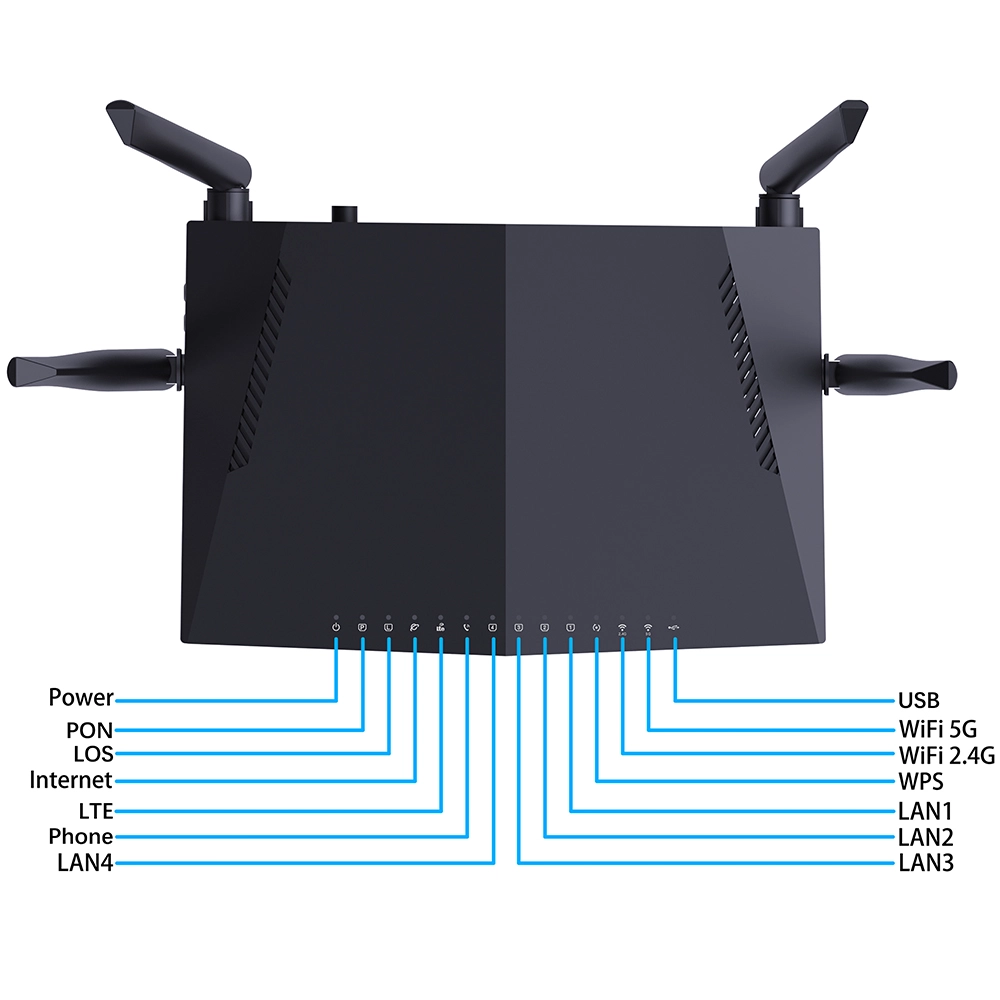
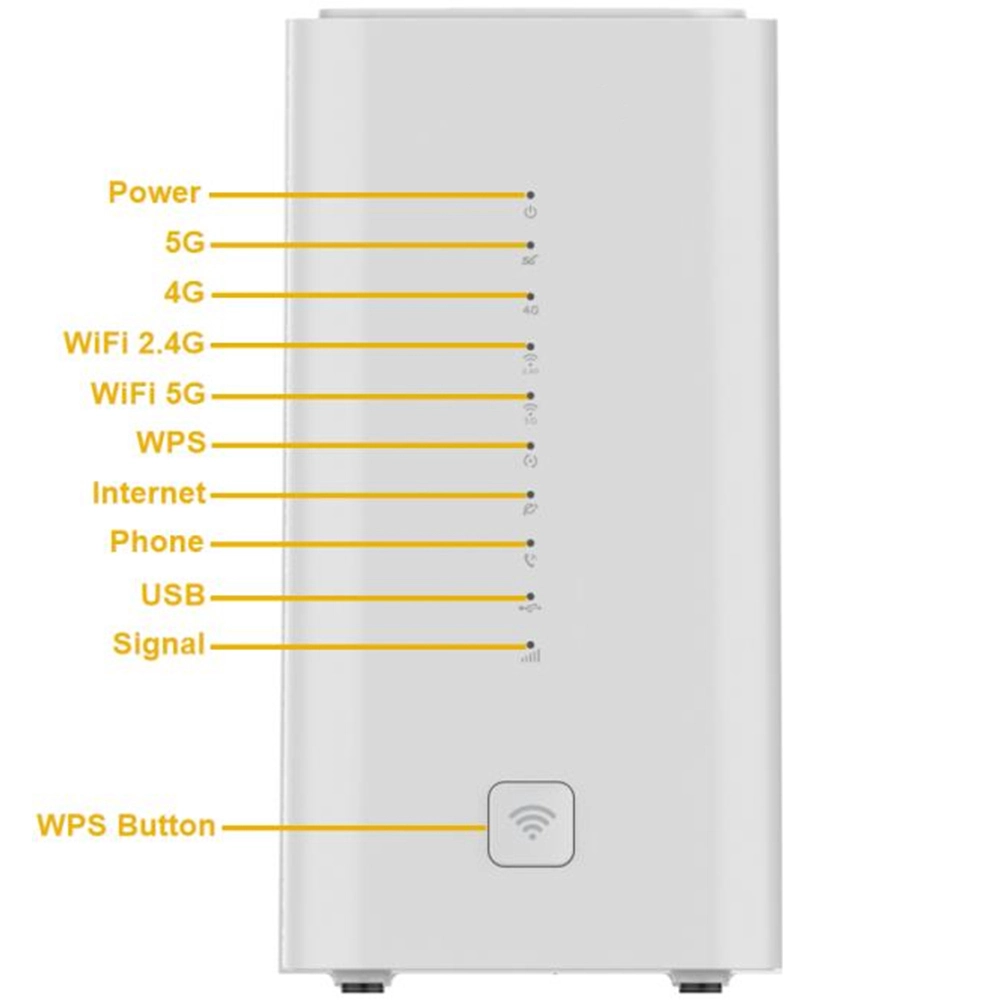
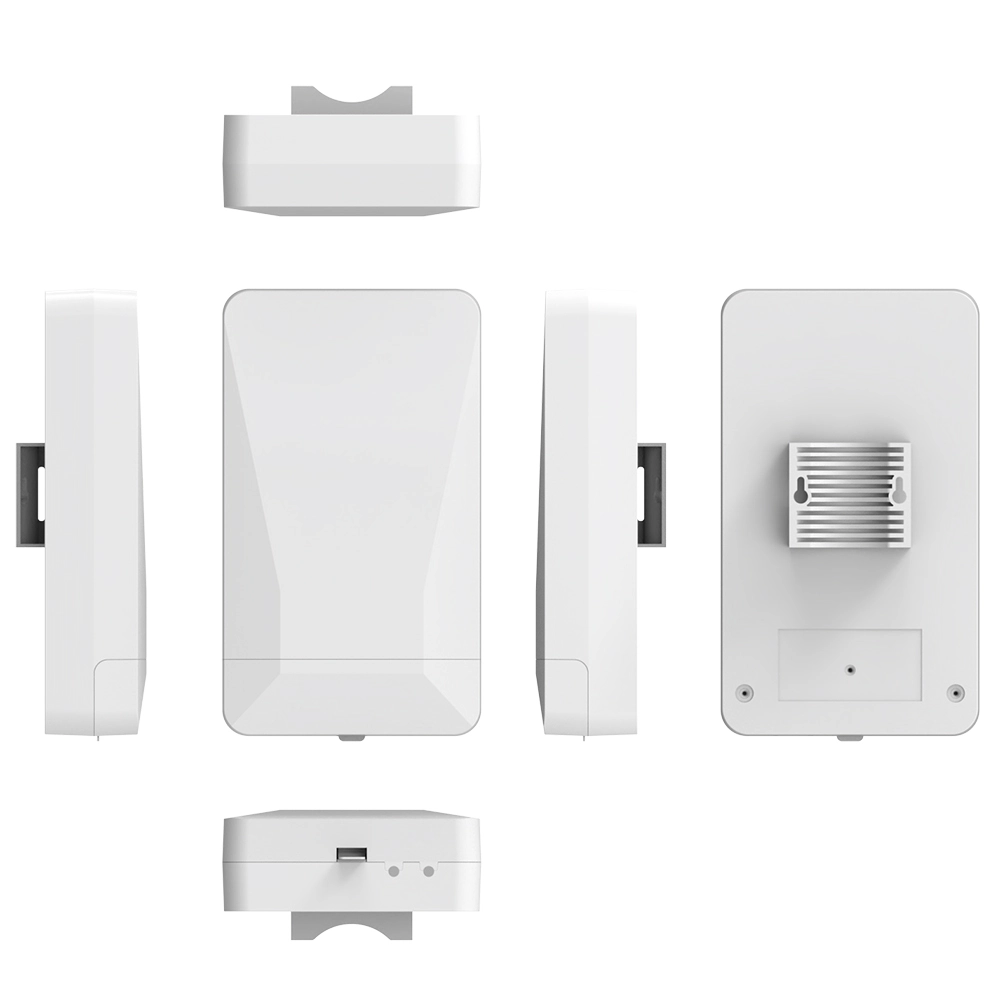
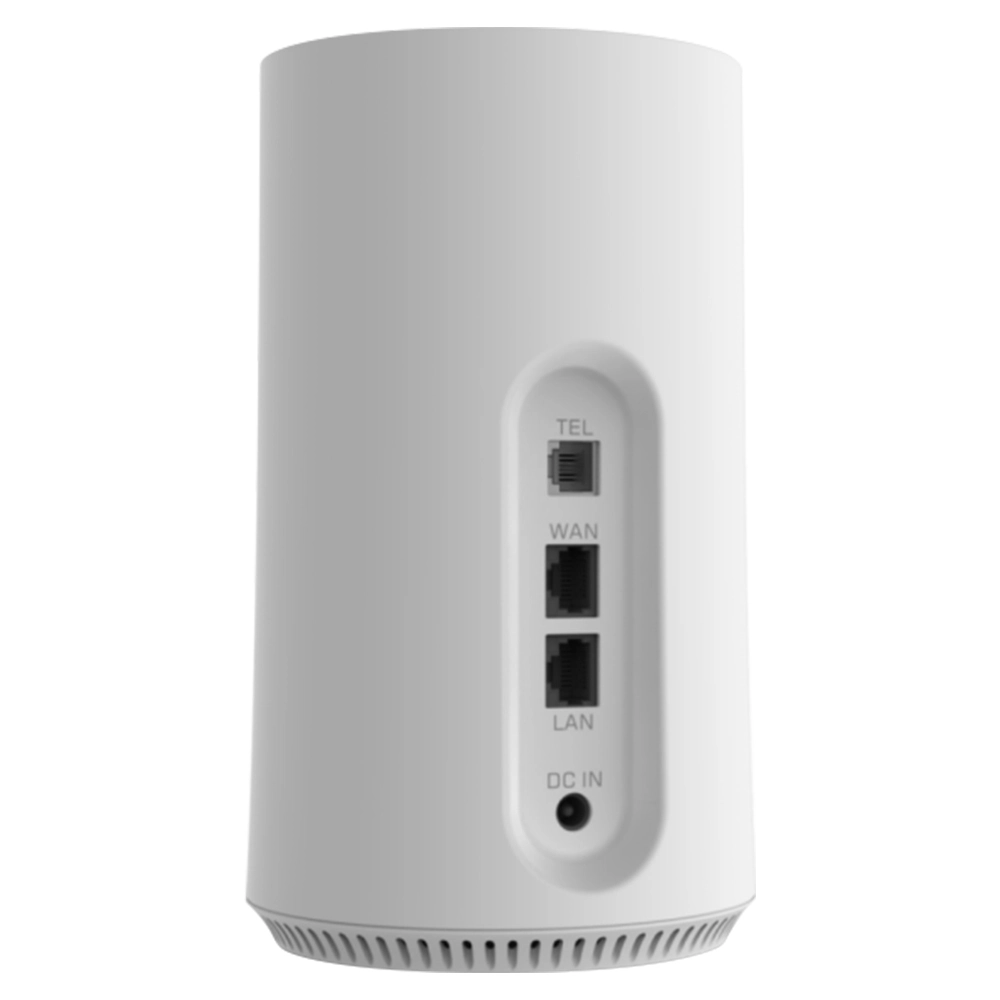
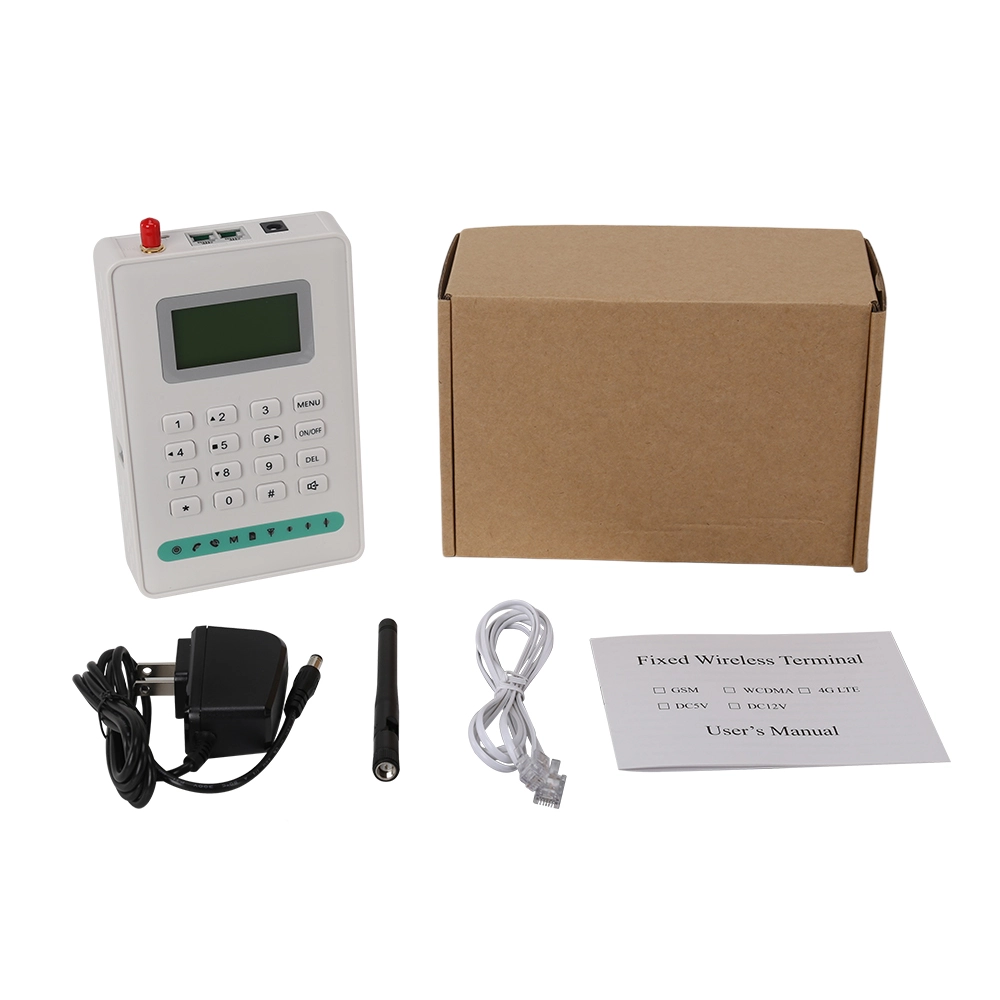
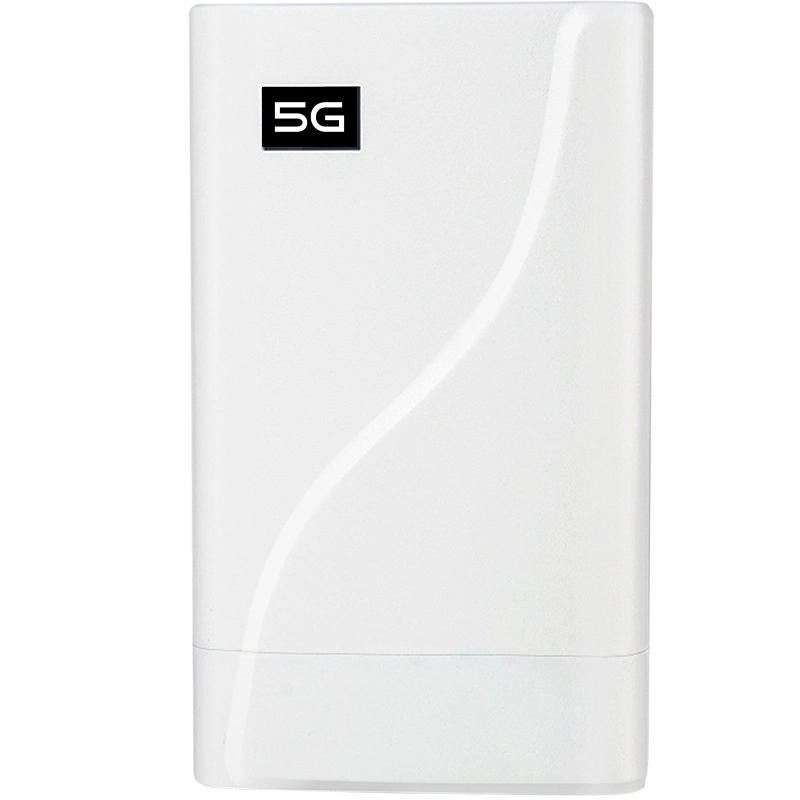
The 4g lte cpe router model of HYPG4412C and wifi router 5g sim card of HYG530X-M1 from Shenzhen Junhaoyue Technology Co., Ltd. support 4g or 5g network, support VoIP and wifi in the meantime, can act as VoIP gateway, can review our website at https://www.junhaoyue.com for more information.


What can we do for you?