
- I. Origin of Technical Standards and Standardization Bodies
- 2. Fundamental Differences in Underlying Protocol Architecture
- 3.Upstream/Downstream Bandwidth and Rate Comparison
- 4.Split Ratio and Transmission Distance
- 5.Bandwidth Efficiency and Link Utilization
- 6.Quality of Service (QoS) Guarantee Mechanisms
- 7.Operations, Administration and Maintenance (OAM) Capabilities
- 8.Security Design Considerations
- 10.Support Legacy (TDM) Services
- 11.Technology Evolution and Next-Generation Standards
- 12.Global and Regional Market Application Status
- 13.Interoperability and Industrial Chain Maturity
- 14.Ease of Network Migration and Upgrade
- 15.Adaptability to Future Service Models
In the field of fiber access technologies, GPON (Gigabit-capable Passive Optical Network) and EPON (Ethernet Passive Optical Network) are the two mainstream standards. Understanding their core differences—underlying protocols, bandwidth efficiency, management capabilities and commercial costs is essential for network planning and technology selection. GPON, based on ATM (Asynchronous Transfer Mode) and GFP (Generic Framing Procedure), offers higher downstream bandwidth and stronger Quality of Service (QoS) guarantees, make it suitable for high-bandwidth and multi-service convergence scenarios. EPON is built on mature Ethernet protocol, features flexible deployment and lower cost, offer advantages in symmetric bandwidth requirements and network upgrades.
In today’s era of rapid information development, Fiber to the Home (FTTH) has become the cornerstone of broadband access for both homes and enterprises. When discussing fiber networks, two technical terms frequently appear: GPON and EPON. Both belong to Passive Optical Network (PON) family and aim to provide high-speed data, voice and video services to multiple users over single optical fiber. However, their underlying technical paths, performance characteristics and application scenarios differ significantly. For network engineers, operator decision-makers and even users who want to understand their own network infrastructure, clarify differences between these two technologies is not merely a technical discussion—it directly impacts investment efficiency, service quality and future evolution paths of network construction.
I. Origin of Technical Standards and Standardization Bodies
The divergence of any technology begins with its standardization origins. EPON standards are primarily driven by the IEEE (Institute of Electrical and Electronics Engineers). The core idea is to extend widely adopted Ethernet technology into optical access network domain. From its inception, EPON has carried a strong LAN gene, emphasize natural integration and simplicity with existing IP networks. In contrast, GPON standards are led by the ITU- International Telecommunication Union-Telecommunication Standardization Sector. The ITU background means GPON’s design focuses more on the requirements of traditional telecommunications carriers, emphasize comprehensive support for multiple service types (voice, data and video), as well as stricter carrier-grade operations, administration and maintenance (OAM) requirements. This difference in origins lays foundation for the subsequent technical characteristic differences between EPON and GPON.
2. Fundamental Differences in Underlying Protocol Architecture
This represents the most essential difference between GPON and EPON, directly determining how they handle data. EPON, as its name suggests, fully employs Ethernet protocol at its link layer. Data is encapsulated in standard Ethernet frames for transmission. This approach is simple and efficient, completely consistent with the interface protocols of user terminal devices such as computers and routers, reduce protocol conversion overhead. GPON’s protocol stack is more complex. It defines a unique Generic Framing Procedure (GFP) within its transmission convergence layer. This procedure possesses powerful adaptation capabilities, allow efficient and transparent encapsulation and mapping of various service data formats—include Ethernet frames, ATM cells and GFP frames—onto a unified transmission platform. Simply put, EPON is an extension of Ethernet over optical fiber, while GPON is a customized optical transmission platform designed for multi-service convergence.
3.Upstream/Downstream Bandwidth and Rate Comparison
Bandwidth is the most intuitive experience for users. Currently widely deployed EPON systems have a standard symmetric rate of 1.25 Gbps, mean upstream and downstream channels offer same theoretical bandwidth. Mainstream GPON systems typically employ asymmetric rate structure of 2.5 Gbps downstream and 1.25 Gbps upstream. From peak downstream rate perspective, GPON offers twice bandwidth of EPON, which is advantageous for today’s downstream-intensive applications such as video streaming and large file downloads. Of course, technologies continuing to evolve; standards like 10G-EPON and NG-PON2 offer higher symmetric or asymmetric rates, but mainstream configuration in current deployed networks remains as compared above.
4.Split Ratio and Transmission Distance
Split ratio is the maximum number of Optical Network Units (ONUs) that a single Optical Line Terminal (OLT) port can connect to, directly impact the number of users a single fiber port can cover and affect network construction costs. Standard GPON supports maximum logical split ratio of typically 1:64, some devices can even reach 1:128 through enhanced optical power budgets. Standard EPON typically support split ratio of 1:32. A higher split ratio means within same coverage area, GPON may use fewer OLT ports and trunk fibers, offer better economies of scale in densely populated areas. In terms of transmission distance, both standards define a physical distance support of up to 20 kilometers, meet requirements of most access network scenarios.
5.Bandwidth Efficiency and Link Utilization
Different protocols lead to different data transmission overheads, affect utilization of effective bandwidth. Ethernet frames inherently contain overheads such as inter-frame gaps and preambles. Additionally, EPON uses 8B/10B line coding (encoding 8 bits of effective data into 10 bits on the line), incur an inherent bandwidth loss of about 20%, so EPON’s nominal 1.25Gbps line rate yields an effective bandwidth for user data of approximately 950Mbps. GPON uses more efficient scrambling and GFP encapsulation, result in higher line coding efficiency and lower overhead. Its line rates of 2.5Gbps downstream and 1.25Gbps upstream provide effective bandwidth of approximately 2.2Gbps downstream and 1.1Gbps upstream, make GPON significantly more bandwidth-efficient than EPON.
6.Quality of Service (QoS) Guarantee Mechanisms
For scenarios require service prioritization—especially to ensure smooth performance of real-time services like voice, online gaming and video conferencing—QoS guarantee capability is critical. GPON deeply integrate QoS mechanisms from its initial design. Its GFP frame structure allows definition of multiple Transmission Containers(T-CONTs), each configurable with independent bandwidth parameters and QoS levels. The OLT can perform fine-grained bandwidth allocation and traffic shaping for each ONU, even each T-CONT, ensure high-priority services are not impacted by burst data traffic. Although EPON also manages upstream bandwidth and provides some service prioritization through MPCP (Multi-Point Control Protocol) and DBA (Dynamic Bandwidth Allocation) mechanisms, its Ethernet-based “best-effort” tradition means the granularity, strength and determinism of its QoS guarantees are generally considered weaker than GPON’s.
7.Operations, Administration and Maintenance (OAM) Capabilities
Robust OAM capabilities are the foundation of carrier-grade network operations and maintenance. GPON standard defines rich OAM fields embedded within GFP frame header. This enables network management systems to perform real-time end-to-end monitoring of fiber link performance (e.g. optical power or bit error rate), precise fault localization, remote diagnostics and fast triggering of protection switching. EPON’s OAM capabilities are primarily implemented through extensions based on extensible Ethernet OAM protocol (e.g. 802.3ah). In traditional views, its level of standardization and built-in monitoring capabilities are not as comprehensive or mandatory as GPON’s native support. This makes GPON more favored by large operators regarding network manageability and maintainability.
8.Security Design Considerations
In point-to-multipoint network structure, prevent user data from being eavesdropped upon by other users on same Optical Distribution Network (ODN) is an important issue. GPON standard explicitly specifies downstream data encryption mechanism. OLT can encrypt the data payload sent to specific ONUs using AES encryption, with each ONU have independent and dynamically updatable keys, thus ensure the confidentiality of user downstream data. The initial EPON standard did not mandate link-layer encryption; data was transmitted as plaintext broadcasts over the physical line. While this can be remedied through upper-layer protocols (e.g. IPsec) or by adding encryption features in device implementations, it is not a native standard requirement and could lead to interoperability issues between different vendors’ equipment. GPON’s native encryption feature adds weight to its case in scenarios with high security requirements.
9.Equipment and Deployment Costs
Cost is consistently one of the core factors in technology selection. EPON, leveraging mature Ethernet chip technology, results in relatively lower complexity for OLT and ONU equipment, with mature industrial chain and historically significant cost advantages. GPON equipment, due to its more complex protocol handling and integration of GFP, ATM adaptation and enhanced OAM functions, initially incurred higher chip and system design costs. However, with large-scale adoption of GPON technology and increased chip integration, cost gap between them has significantly narrowed. Furthermore, due to GPON’s higher split ratio and bandwidth efficiency, the average equipment cost and trunk fiber cost per user in dense user areas may be lower, need a comprehensive assessment based on total construction cost.
10.Support Legacy (TDM) Services
During network upgrades and renovations, smoothly carrying existing Time Division Multiplexing (TDM) services (e.g. traditional telephone lines) is a practical issue. GPON’s GFP natively supports transparent carriage of ATM cells, and ATM is the key technology for carrying traditional TDM services. So GPON can very efficiently and with low latency transport TDM services without complex protocol conversion. EPON, based on Ethernet frames, typically requires Circuit Emulation over Ethernet (CESoE) or IP-based transformation to carry TDM services, face more challenges in terms of efficiency and jitter control. For operators still possessing many legacy private line or voice services, GPON’s characteristic is particularly important.
11.Technology Evolution and Next-Generation Standards
Technological competition is dynamic. EPON’s evolution path clearly points towards 10G-EPON, offer symmetric 10Gbps rates while maintaining full compatibility with Ethernet protocol. This makes it a strong competitor in symmetric high-bandwidth scenarios like data center interconnection and enterprise private lines. GPON evolving towards XGS-PON, with standards define both asymmetric and symmetric modes, offer rates up to 10Gbps downstream and 2.5Gbps upstream, or symmetric 10Gbps. XGS-PON emphasizes wavelength coexistence and smooth upgrades with existing GPON networks, protect prior investments. Both are evolving towards higher speeds, longer distances and higher split ratios, but the focus of their evolution paths continues their respective technical philosophies.
12.Global and Regional Market Application Status
Market is the touchstone of technology. Globally, GPON leveraging its high performance and carrier-grade characteristics, has been selected as the mainstream FTTH technology by many large traditional telecommunications operators (e.g. in North America, Europe and multiple Asian countries), holding a dominant market share. EPON performs excellently in specific regions and markets, such as early large-scale deployments in Japan and South Korea. It is also widely used in some emerging markets, enterprise networks, mobile fronthaul and other scenarios due to its cost and technical simplicity. In Chinese market, both technologies have been large-scale deployments, with different operators in different periods and regions having their own preferences based on network foundations and business strategies, resulted in a mixed coexistence landscape.
13.Interoperability and Industrial Chain Maturity
A healthy industrial chain relies on good interoperability. ITU-T has established very detailed and strict protocol conformance standards for GPON and promoted several large-scale interoperability tests, resulted in good interoperability between GPON equipment from different vendors and reduced procurement risks for operators. In EPON field, although IEEE standards are well-established, the inherent flexibility of Ethernet equipment can sometimes lead to differences in implementation details among vendors, potentially requiring more thorough interoperability testing before deployment. Currently, industrial chains for both technologies are very mature, with major chip and equipment suppliers offering complete solutions.
14.Ease of Network Migration and Upgrade
For networks with extensive existing Ethernet switching equipment and operational experience (e.g. enterprise networks and campus networks), introduce EPON offers smoother transition in technical concepts and operational habits. It can be seen as a natural extension of an existing LAN to fiber media, with relatively lower learning costs and upgrade resistance. For traditional carrier networks primarily based on SDH (Synchronous Digital Hierarchy) and ATM, upgraded to GPON may offer more continuity in management concepts and service carriage. The ease of upgrade concerns not only technology but also existing network assets and staff knowledge structure.
15.Adaptability to Future Service Models
Looking ahead, networks must adapt to new services such as cloud computing, Virtual Reality (VR), Augmented Reality (AR) and Industrial Internet. These services demand higher bandwidth, lower latency, less jitter and enhanced slicing capabilities. GPON’s robust QoS guarantees and service isolation capabilities make it easier to achieve Service Level Agreement (SLA) commitments for different service classes, make it suitable as a foundation for differentiated services. EPON, with its Ethernet protocol which is homologous to the internal networks of cloud data centers, may have inherent advantages in scenarios involving cloud-network convergence and east-west traffic intensity. Both are enhancing their support for future services through evolving standards.
16.Summary and Selection Recommendations
In summary, GPON and EPON are not simply about which is superior or inferior, but represent technology choices suited for different scenarios.
GPON’s core advantages include: higher downstream bandwidth and bandwidth efficiency, stronger QoS guarantee mechanisms, more comprehensive OAM functions, native link encryption for security and excellent compatibility with legacy TDM services. This makes GPON more like an all-rounder, excell in scenarios need high downstream bandwidth, strict QoS, multi-service convergence, carrier-grade operations and high security—particularly suitable for large-scale public broadband network deployments.
EPON’s core advantages include: technical simplicity, relatively lower equipment costs, flexible deployment, seamless integration with IP networks and symmetric bandwidth support. This makes EPON more like an agile specialist, more attractive in environments with symmetric bandwidth requirements, budget sensitivity or high existing Ethernetization of the network.
In practical selection, operators or enterprises need to comprehensively consider factors such as existing network infrastructure, target service types, investment budget, operational capabilities and future technology evolution paths to make decisions that best serve their long-term interests. As technology develops, both are learning from each other’s strengths and the boundaries are blurring in some aspects. However, understand their core differences—underlying protocols, bandwidth efficiency, management capabilities and commercial costs—will always be the first step towards making informed technology decisions.
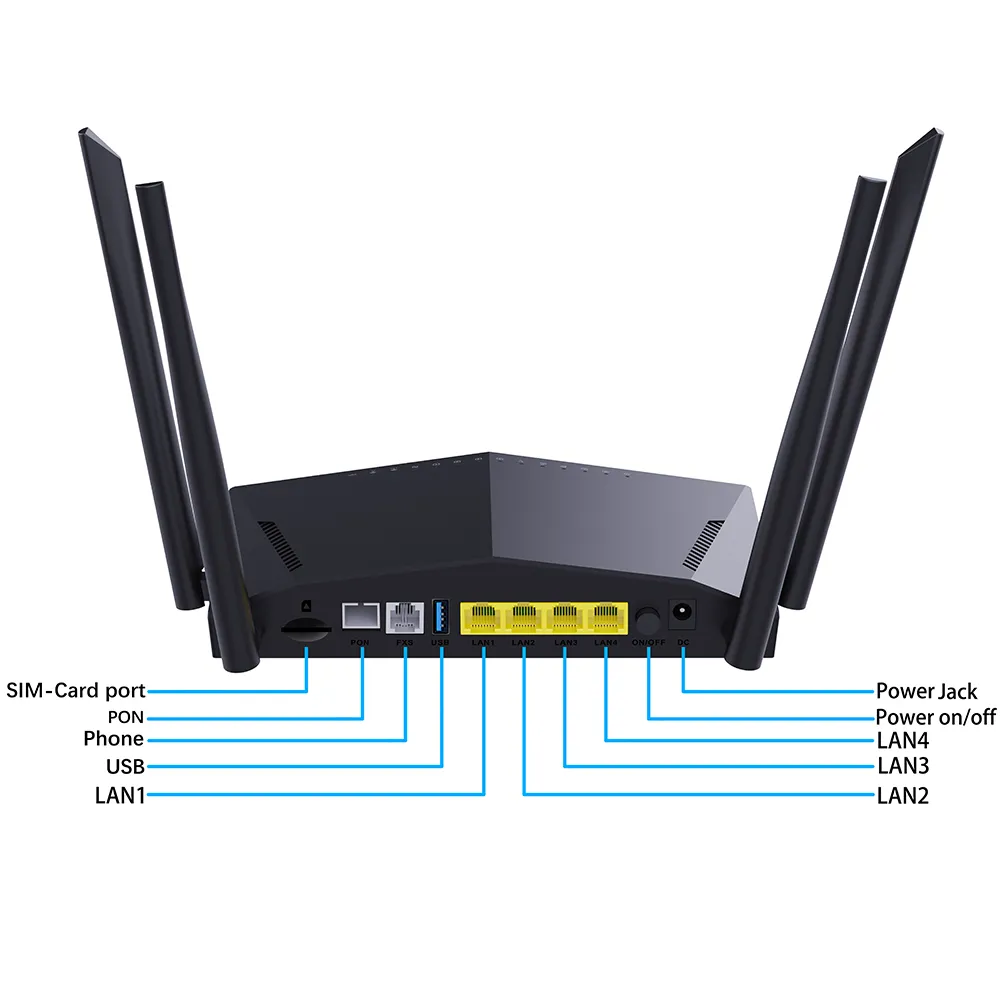
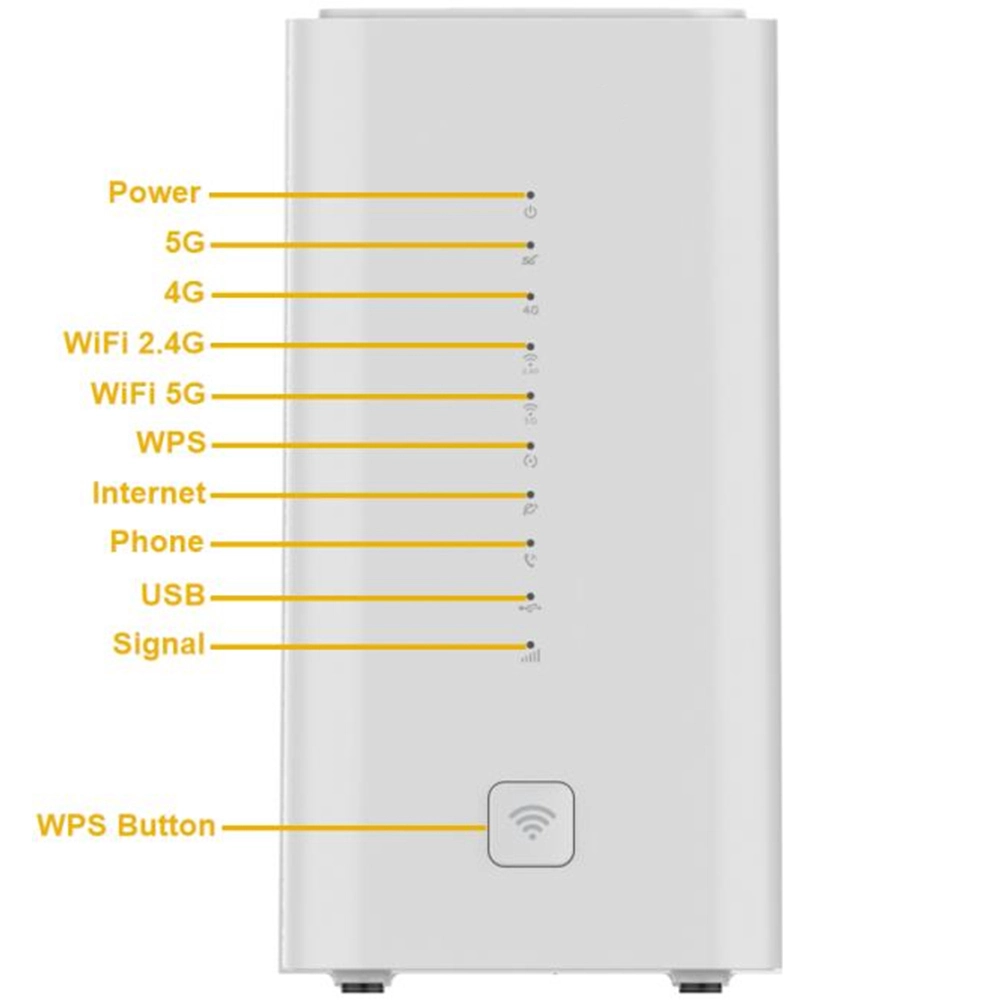
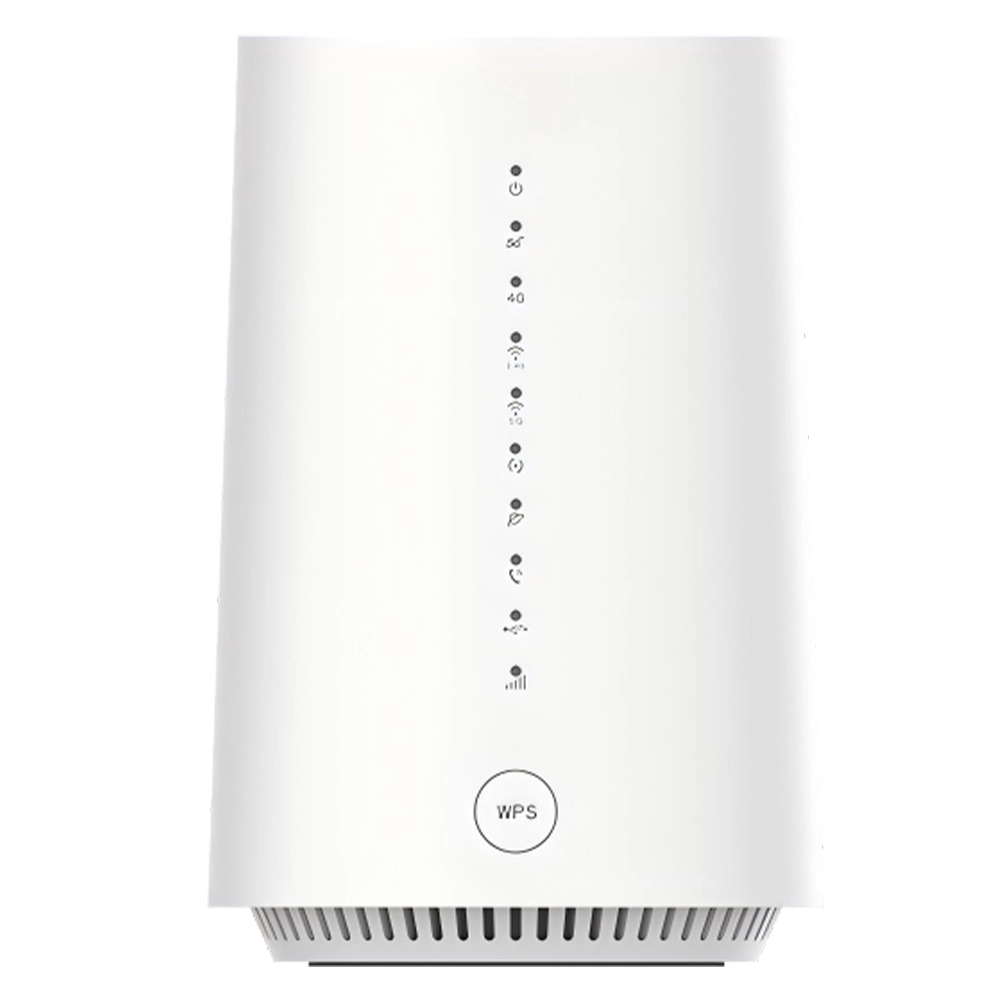
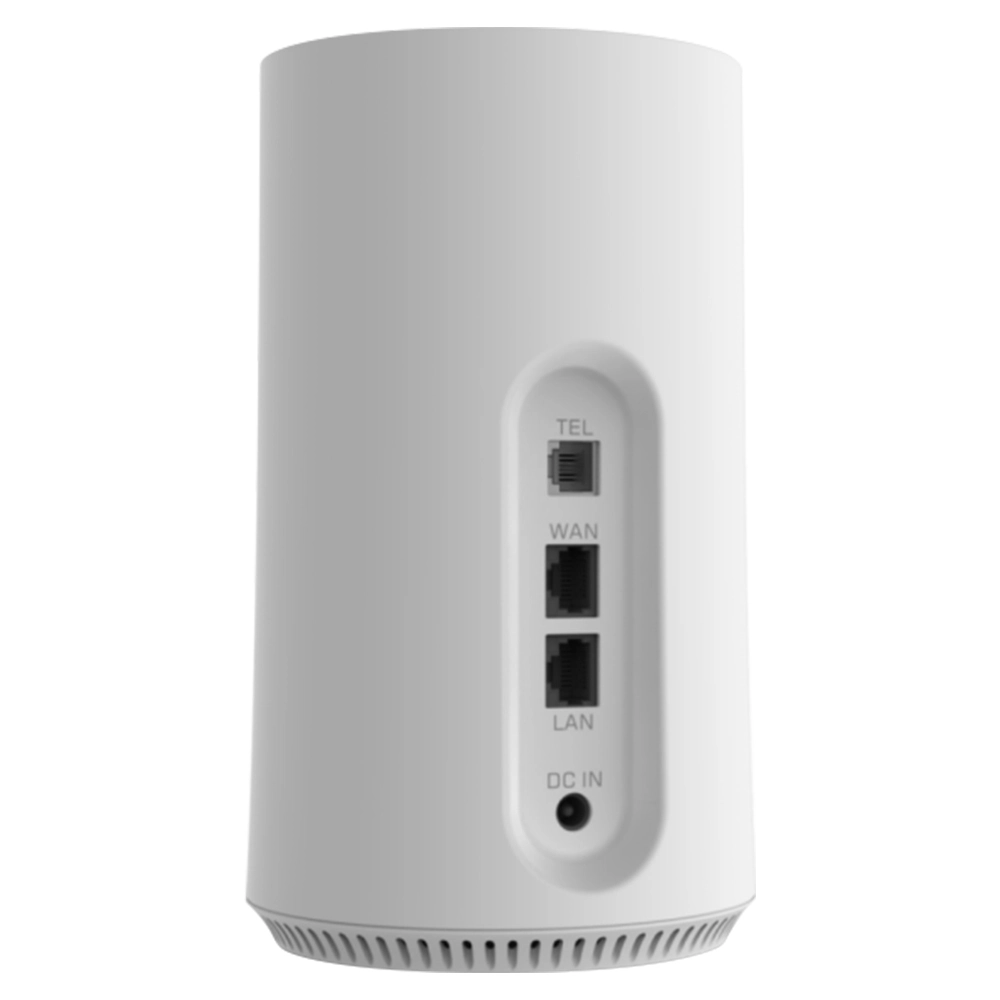
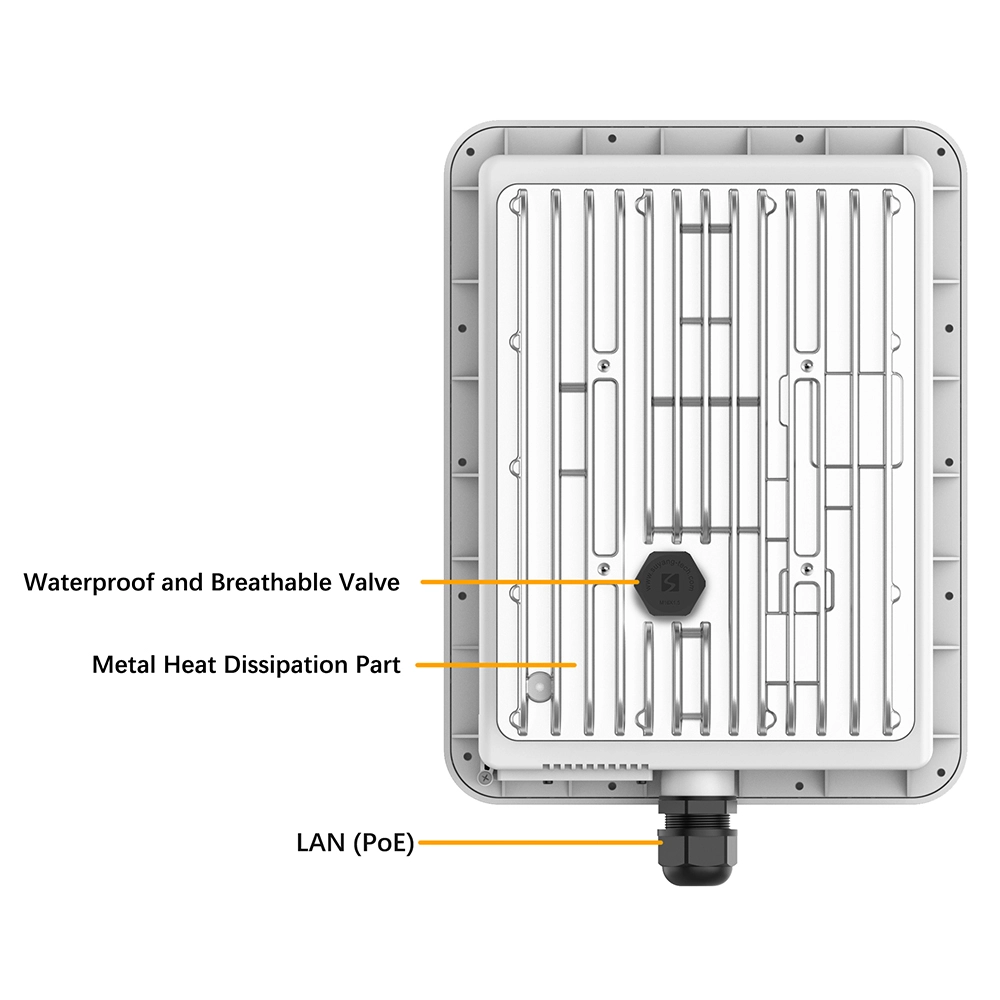
The model of HYPG4412C/TR069 VoIP VoLTE Cat 4 AC1200 GPON Strong 4g Lte Router and HYGPG46-X301/TR069 VoIP VoLTE AX3000 Cat 6 GPON Strong 4g Lte Router 300m from Shenzhen Junhaoyue Technology Co., Ltd. Support support both fiber optic and 4g sim card, have won popular market all over the world.



What can we do for you?