
Mid-sized system integrators and multinational enterprises burn nearly 20% of their operational margins dealing with hardware fragmentation when expanding operations globally [Source: IoT Analytics 2025]. When your procurement team ships connectivity infrastructure to a smart grid in Brazil, an automated mining site in Australia, or a logistics center in France, deploying mismatched, region-specific networking equipment creates an unmanageable IT nightmare. For global project managers, identifying the best router with sim card means abandoning consumer-grade gadgets and standardizing on a single, industrial-grade cellular platform capable of traversing diverse international telecommunications landscapes.
Conquering the Global Spectrum Fragmentation
The primary obstacle in cross-border network deployment is radio frequency (RF) fragmentation. The cellular bands operating a logistics fleet in Mexico or Colombia differ completely from the Sub-6GHz networks blanketing urban Germany or the expansive LTE coverage required in Indonesia.
A standard consumer router forces procurement teams to purchase different hardware SKUs for every country, complicating supply chains and firmware management. A true enterprise-class SIM router eliminates this friction by integrating a multi-mode, global cellular module. Utilizing advanced 4×4 MIMO antenna architectures, these routers dynamically scan and lock onto native LTE and 5G bands across Latin America, Africa, Europe, and the Asia-Pacific. Whether your automated teller machines (ATMs) are stationed in Buenos Aires or Lagos, a unified RF architecture ensures the device simply establishes the strongest possible link the moment you insert a local carrier SIM.
Environmental Engineering for Unforgiving Climates
Global scale requires hardware that ignores geography. An access point installed in an unventilated traffic cabinet in the Nigerian summer faces completely different thermal physics than a telemetry gateway exposed to the freezing winters of the French Alps or the corrosive, salty humidity of the Chilean coast.
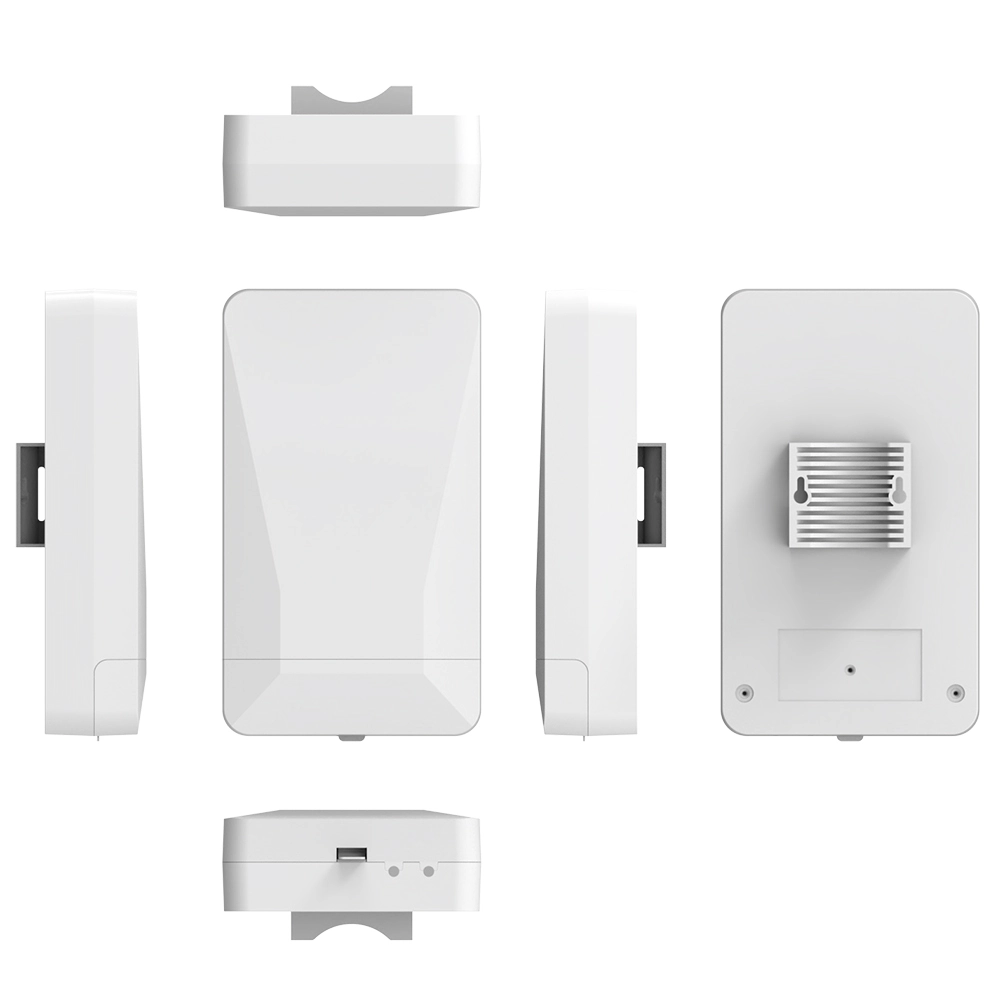
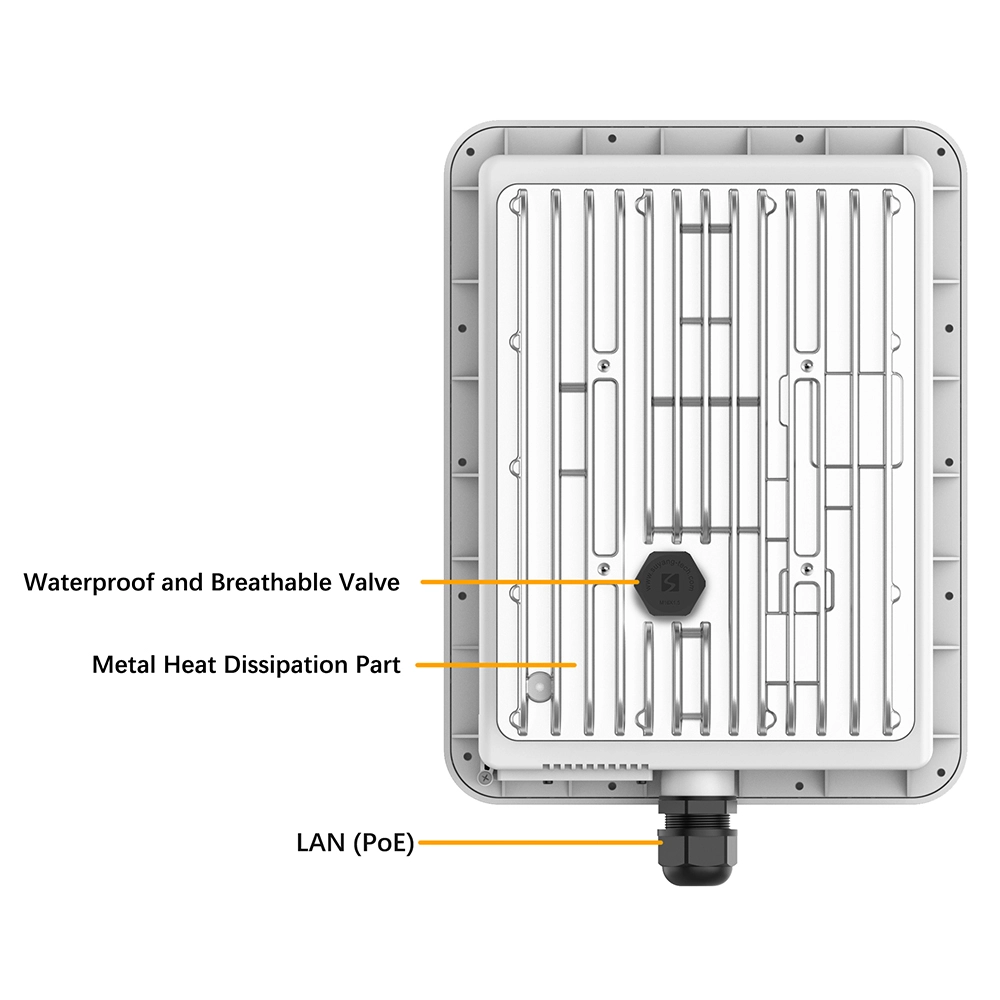
Standard retail devices utilize basic plastic housings that warp under UV exposure and trigger automatic thermal shutdowns during high-speed data transmission. Professional industrial SIM routers utilize die-cast aluminum enclosures and fanless, passive heat dissipation matrices. This engineering allows the modem to operate flawlessly at maximum throughput in environments ranging from -40°C to +75°C. By deploying ruggedized hardware, enterprises slash their truck-roll costs; you no longer need to dispatch a technician to a remote Australian solar farm simply to reboot an overheated modem.
To understand how standardizing your procurement strategy impacts the total cost of ownership (TCO) across global deployments, consider the following operational differences:
| Deployment Metric | Fragmented Multi-Vendor Sourcing | Unified Enterprise SIM Router Strategy | Global Business Impact |
| Inventory Management | Requires warehousing dozens of country-specific models | One global SKU adaptable to 90% of regional carriers | Frees up working capital and simplifies cross-border shipping logistics. |
| Fleet Visibility | Disconnected interfaces and multiple management portals | Single TR069 / SNMP centralized cloud dashboard | Allows a central IT team in Europe to troubleshoot a device in Argentina instantly. |
| Link Reliability | Software-only reconnects; requires manual power cycling | Integrated hardware watchdog with dual-SIM auto-failover | Ensures critical infrastructure remains online despite local carrier dropouts. |
The Power of Centralized Fleet Autonomy
When your devices span across continents, physical maintenance becomes financially impossible. A professional fleet requires zero-touch provisioning. The best router with sim card leverages international remote management protocols like TR069.
This protocol empowers a network administrator sitting at headquarters to push secure firmware patches, modify APN profiles, and analyze signal degradation (RSRP/RSRQ) for thousands of routers simultaneously. If a primary carrier in Nigeria experiences a regional outage, the central IT team can remotely trigger the router to failover to a secondary backup SIM card, maintaining the data stream for critical business operations without ever leaving their desks.
Partnering directly with a manufacturer that possesses over a decade of wireless R&D and complete control over its SMT production lines guarantees a first-pass yield 30% higher than industry averages, allowing enterprises to request deep hardware customizations—like embedded eSIMs or proprietary VPN integration—that secure global supply chains.
Instead of buying off-the-shelf equipment that dictates how you run your global projects, working with an original R&D manufacturer transforms the router into an optimized, programmable extension of your corporate infrastructure.
Global Enterprise Deployment FAQ
1. How does a global SIM router handle the transition between 4G LTE and 5G networks in developing regions?
Our enterprise hardware features intelligent fallback logic. If you deploy the router in an emerging market where 5G infrastructure remains incomplete, the modem automatically aggregates available high-category LTE bands (Cat 6 or Cat 12) to maximize bandwidth, seamlessly transitioning to 5G as the local carrier upgrades its towers.
2. We need to deploy units across extremely humid areas in Brazil and Indonesia. How do the devices resist internal corrosion?
Industrial units designed for tropical or coastal deployment undergo conformal coating on their internal printed circuit boards (PCBs). This microscopic chemical layer seals the sensitive electronics away from condensation, high humidity, and corrosive salt air, preventing short circuits over years of continuous operation.
3. Does the router support multiple SIM cards for carrier redundancy?
Yes. For mission-critical deployments where downtime equals lost revenue, our routers feature dual-SIM slots. You can install SIM cards from two different local telecom providers. If the primary carrier drops the connection, the hardware watchdog detects the failure and switches to the secondary carrier within seconds.
4. Can we customize the hardware to bypass physical SIM cards entirely for international shipping?
Absolutely. Because we drive our own R&D, we offer deep OEM/ODM modifications, including the integration of embedded eSIM chips directly onto the motherboard. This allows your enterprise to download local carrier profiles digitally over the air when the hardware arrives in Mexico or Colombia, completely eliminating the logistics of shipping and inserting physical plastic SIM cards.
5. How do these routers protect corporate data transmitted over foreign public cellular networks?
Professional gateways encrypt your data at the network edge. The firmware natively supports hardware-accelerated VPN protocols, including IPSec, OpenVPN, and WireGuard. When your router connects to a public tower in any country, it establishes an impenetrable, encrypted tunnel directly back to your corporate servers, shielding proprietary business data from interception.


What can we do for you?