
Trenching and laying fiber-optic cables across a mere 500 meters of concrete or rocky terrain can inflate outdoor project budgets by up to $45,000, factoring in labor, permits, and heavy machinery rentals [Source: Civil Engineering Infrastructure Report]. For smart agriculture grids, seaport logistics, open-air mining sectors, and sprawling industrial yards, building physical network loops is often a financial non-starter. Deploying a commercial-grade outdoor wifi router with sim card slot provides a strategic alternative, turning local cellular networks into high-availability local wireless zones that bypass terrestrial infrastructure limits entirely.
Eradicating the Last-Mile Connectivity Deficit
Industrial sites, construction zones, and agricultural monitoring fields operate in areas where traditional internet service providers (ISPs) rarely install copper or fiber termination points. Relying on makeshift local networks or running fragile indoor-grade access points outside leads to frequent dropouts, hardware degradation, and high site-maintenance costs.
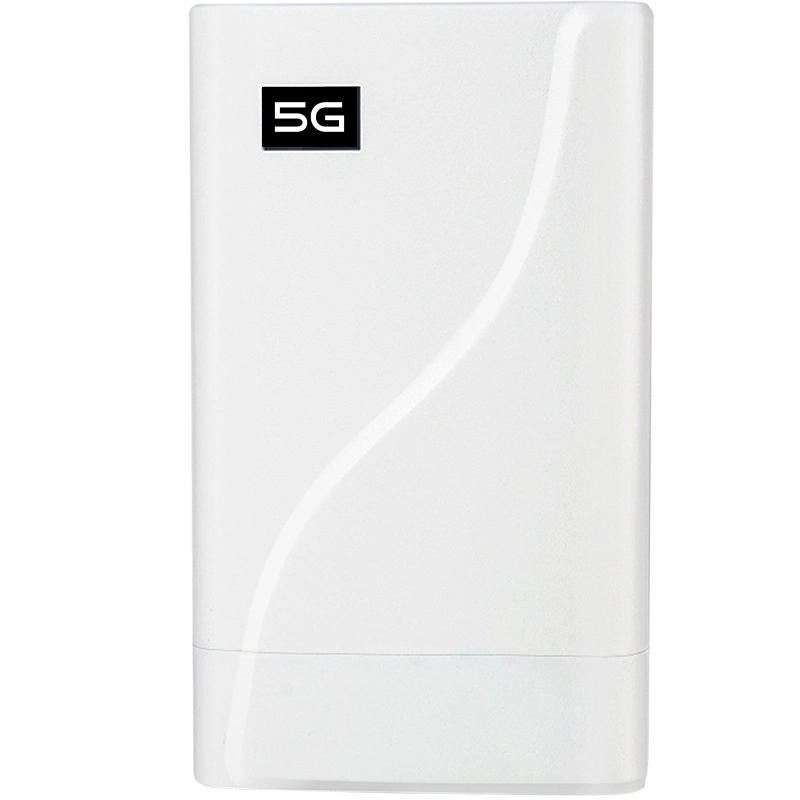
An outdoor wifi router with sim card slot acts as a self-sustaining infrastructure hub at the network edge. Instead of waiting months for telecom utility approvals, site managers install a ruggedized cellular gateway on a light pole or perimeter fence. The router converts 4G LTE or 5G signals into a wide-area WiFi footprint, instantly creating a data pipeline for smart CCTV cameras, IoT sensors, and field communication devices. This immediate network deployment accelerates project launch timelines and eliminates the heavy capital expenditures linked to traditional wired infrastructure.
Engineering Resilience Against Ambient Chaos
Operating outdoors exposes networking hardware to environmental stresses that would instantly destroy standard office routers. Wind-driven rain, sandstorms, wide temperature swings, and sudden electrical surges require specialized industrial defense mechanisms.
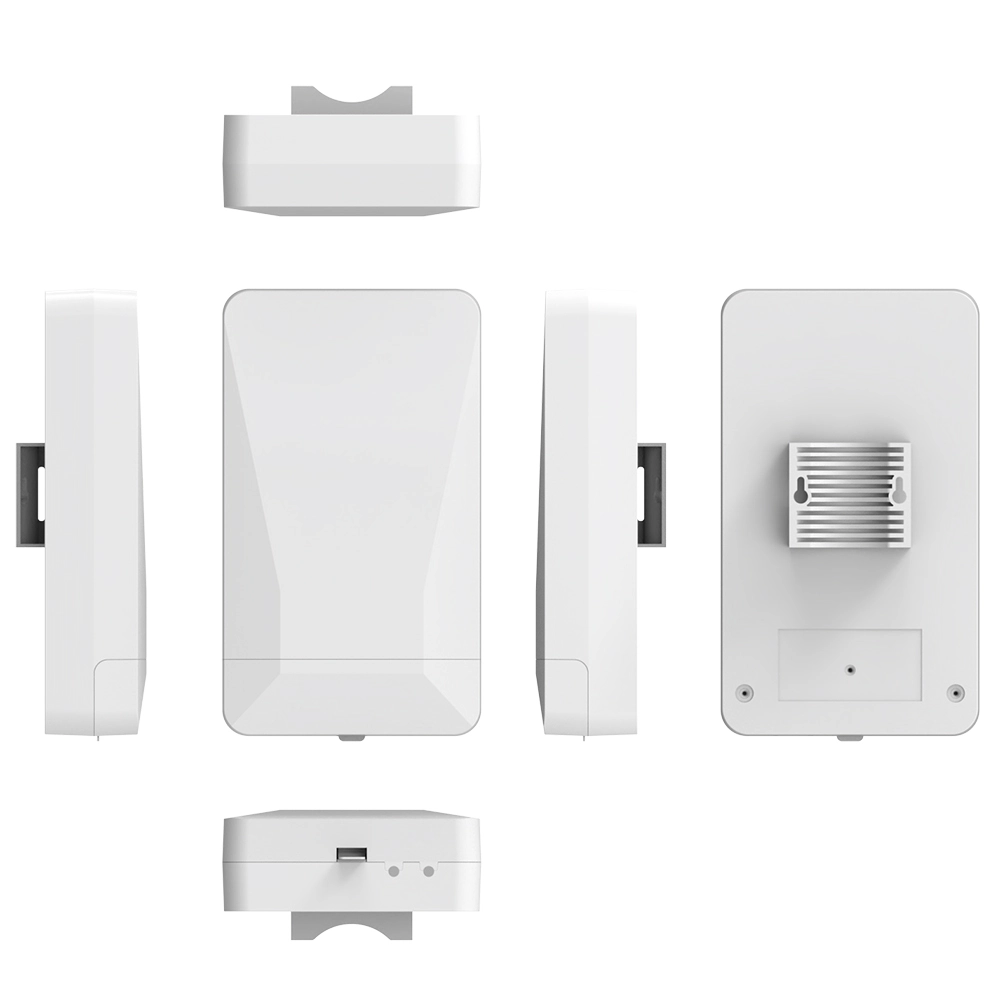
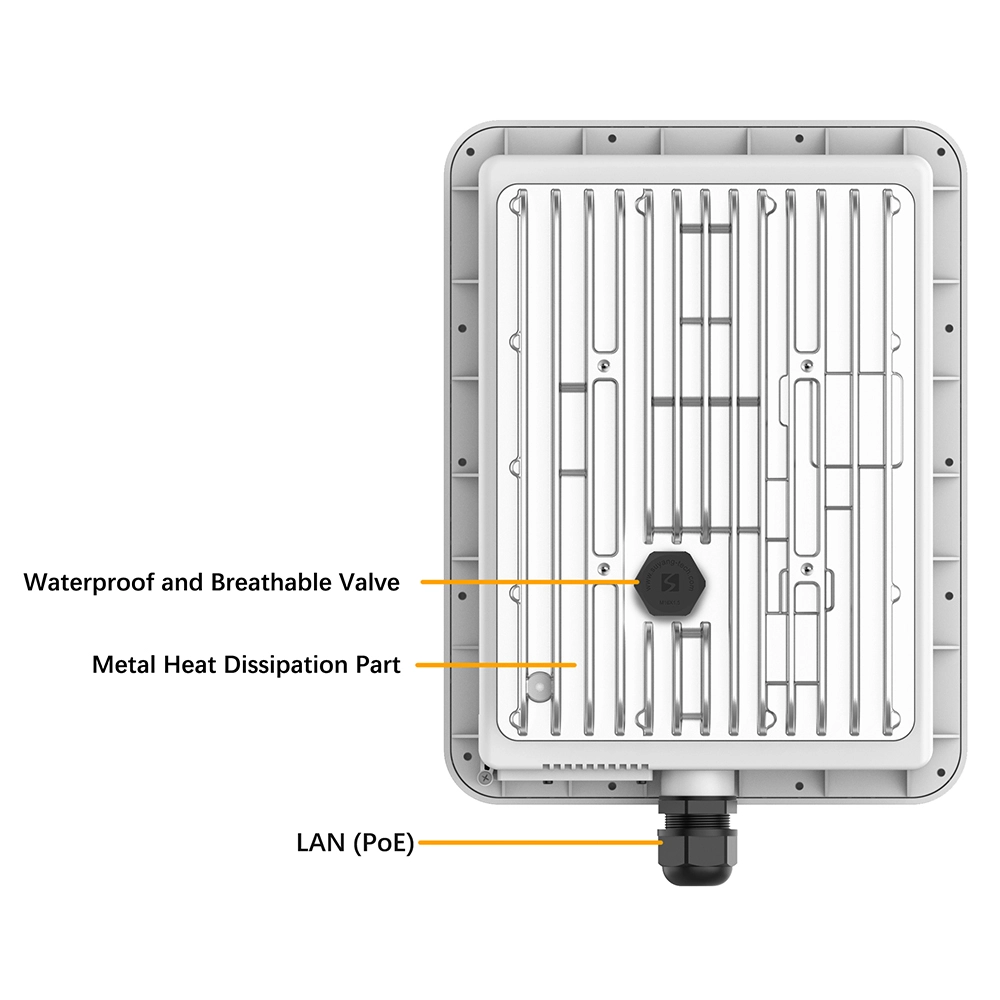
True commercial outdoor routers use IP67-rated weatherproofing and UV-stabilized polymer or aluminum housings that seal out moisture and dust completely. Internally, these gateways feature passive heat dissipation grids, eliminating internal cooling fans that represent common hardware points of failure. This specialized thermal design allows the internal cellular modems and high-power WiFi chipsets to route continuous data loads at ambient temperatures ranging from -30°C to +70°C without experiencing thermal performance drops or lockups. Furthermore, because these units are often placed on elevated towers, they incorporate industrial-grade lightning protection to absorb voltage spikes during severe weather events.
To streamline the procurement evaluation process for global system integrators, the table below highlights the critical engineering benchmarks that separate industrial field routers from standard consumer alternatives:
| Technical Benchmark | Industrial Outdoor SIM Router (Junhaoyue Series) | Consumer Outdoor Extender / Access Point | Operational Impact on Field Sites |
| Power Input Protocol | Standard PoE+ (802.3at) / 24V-48V Passive PoE | DC Adapter / Basic Passive PoE Only | Eliminates separate electrical wiring; sends data and power over one 100m Ethernet line. |
| Cellular & WiFi Integration | Integrated Multi-Band Modem + High-Power WiFi 6 | External Dongle / WiFi Retransmission Only | Eradicates link latency and connection drops by executing routing natively on a single PCB. |
| Link Integrity Architecture | Hardware-Driven Watchdog with Dual-SIM Failover | Software Auto-Reboot Only | Guarantees continuous uptime by resetting the cellular link automatically during carrier drops. |
| Antenna Interface Layout | Waterproof N-Type / SMA Female External Connectors | Non-Detachable Internal Antenna Only | Allows engineers to attach directional or omni high-gain antennas for customized coverage. |
Fleet Scalability and Zero-Touch Remote Management
When managing networks across dozens of scattered construction sites or agricultural properties, sending a network technician to manually troubleshoot a frozen router is expensive and inefficient.
Modern outdoor wifi router with sim card slot options overcome this barrier by utilizing global remote management protocols such as TR069. Network administrators sitting in a centralized IT operations center can push batch firmware patches, change wireless access keys, and monitor key signal parameters like Signal-to-Noise Ratio (SNR) and Reference Signal Received Power (RSRP). If a primary telecom provider experiences network issues, the router’s internal watchdog mechanism shifts connection priority to a secondary carrier SIM or restarts the connection interface independently, maintaining critical data loops without requiring on-site maintenance.
Partnering directly with a manufacturer possessing over a decade of wireless R&D experience and proprietary SMT production lines delivers a 30% higher first-pass production yield than standard trading brands, unlocking the hardware customization needed to lower long-term field costs.
By choosing custom configurations—such as pre-configured APN parameters for private cellular networks or customized physical mounting brackets—global enterprises can scale up their field deployments quickly, safely, and cost-effectively.
Industrial Outdoor SIM Router Deployment FAQ
1. How does an outdoor WiFi router with a SIM slot perform in coastal or marine environments?
Industrial outdoor routers are built to withstand highly corrosive environments. The internal printed circuit boards (PCBs) undergo a specialized conformal coating process that guards against salt-air corrosion, oxidation, and humidity, ensuring long-term operational life when deployed at seaports or coastal monitoring stations.
2. Can these routers be powered without running an electrical line out to the mounting pole?
Yes. These devices support Power over Ethernet (PoE). This technology sends both electrical power and high-speed network data over a single standard Cat5e or Cat6 Ethernet cable from an indoor switch up to 100 meters away, making installation fast and cost-effective.
3. What happens if the cellular signal fluctuates due to changing weather conditions?
Our professional-grade routers are equipped with dual-SIM slots and intelligent link detection. If heavy rain or atmospheric shifts cause a carrier’s signal to degrade below an acceptable threshold, the router’s firmware initiates an automatic failover to a secondary cellular network provider within seconds, protecting the uptime of your operations.
4. How many concurrent devices can a single outdoor SIM router support on a construction site?
Equipped with modern WiFi 6 (802.11ax) technology, our routers can handle up to 64 concurrent client connections—including handheld scanners, laptops, tablets, and IP security cameras—without experiencing packet queues or speed degradation.
5. Do you support private LTE or 5G frequency band configurations for mining and utility tenders?
Absolutely. Because we drive our own R&D and manufacturing processes, we can modify the internal RF modules and core firmware to align with specialized private networks, such as CBRS bands in North America or regional utility frequencies globally.
6. Is it possible to lock the router to a specific cell tower to stop it from hopping between signals?
Yes. The advanced Web UI of our outdoor routers includes full “Cell Locking” and “Band Locking” capabilities. This allows your network engineering team to lock the router onto a precise base station ID, ensuring a rock-solid, high-speed connection even in areas with overlapping cellular signals.


What can we do for you?