
In an era where digital information flows like mighty rivers, every time you click the mouse to send an email or open a video website, data packets begin a journey across thousands of miles. Support this precise journey is the silent traffic commander of the network world: the routing protocol. A routing protocol is the traffic rule system of the internet. It determines the transmission path for data packets from source to destination. Like a signpost system and traffic rules in the real world, it ensures every data packet reaches its destination efficiently and accurately.
Basic Concept and Core Value of Routing Protocols
Essentially, a routing protocol is a set of rules for exchanging network topology information between routers. It calculates optimal paths use algorithms and maintains routing tables. Its core value is reflected in three aspects: First, it achieves network interconnection, weave isolated network segments into a unified network. Second, it provides path fault tolerance, automatically enable backup routes when a link fails. Finally, it optimizes network performance by selecting transmission paths with the lowest latency or highest bandwidth based on metrics. Without routing protocols, the internet will devolve into countless isolated information islands.
Dialectical Relationship Between Routing and Forwarding
It is necessary to clearly distinguish between the easily confused concepts of routing and forwarding. Routing is a decision-making process, akin to a planner drawing a roadmap. Forwarding is the execution action, like a driver follow the navigation. Routing protocols are responsible for generating routing table, while forwarding engine uses the information in the table to complete the actual transmission of data packets. This separation of decision-making and execution ensures both the global optimality of network paths and real-time nature of data forwarding.
Multi-Dimensional Evaluation System of Routing Metrics
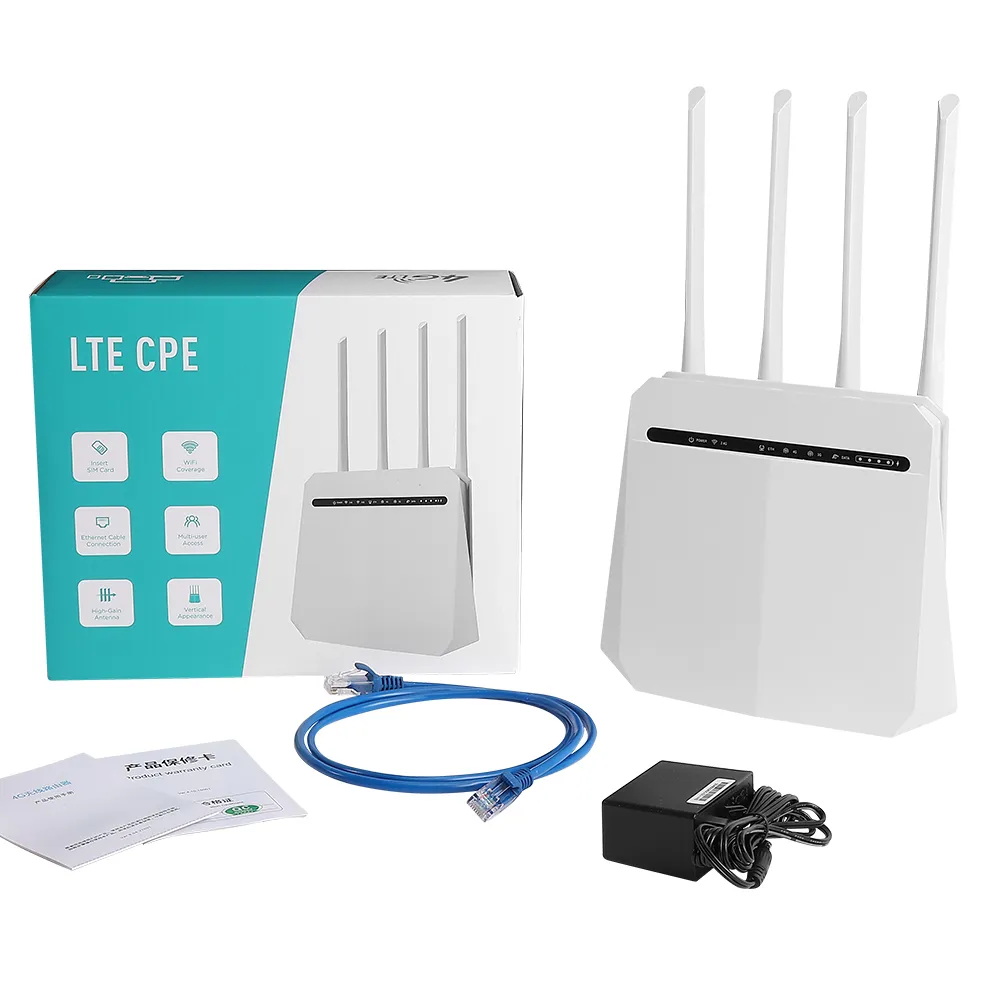
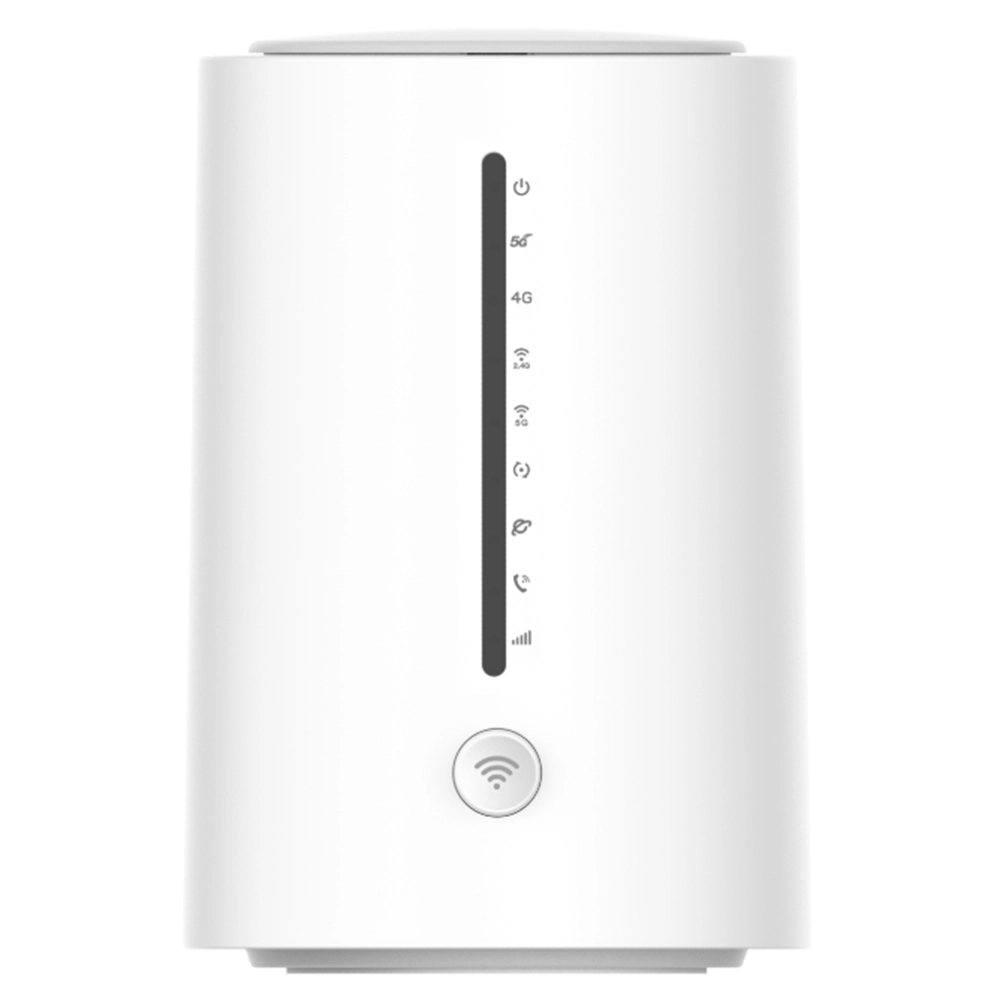
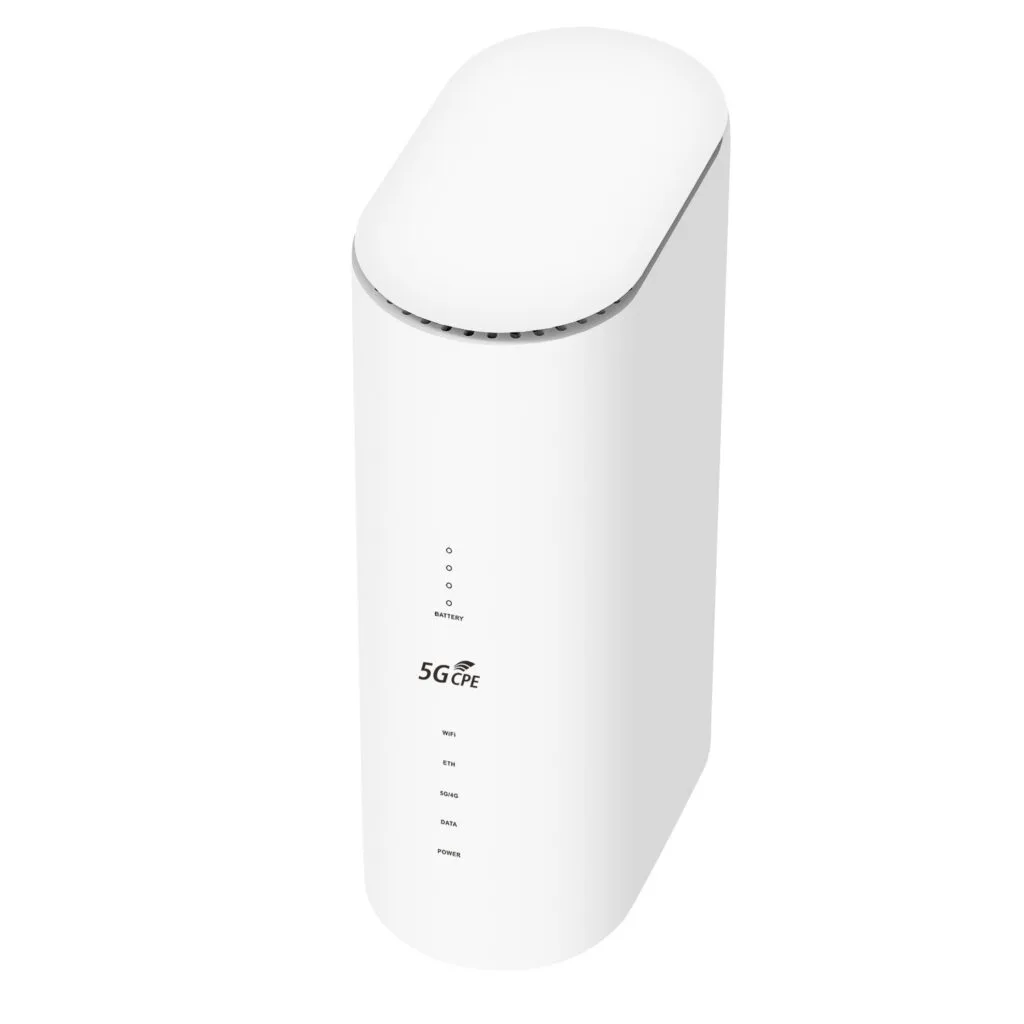
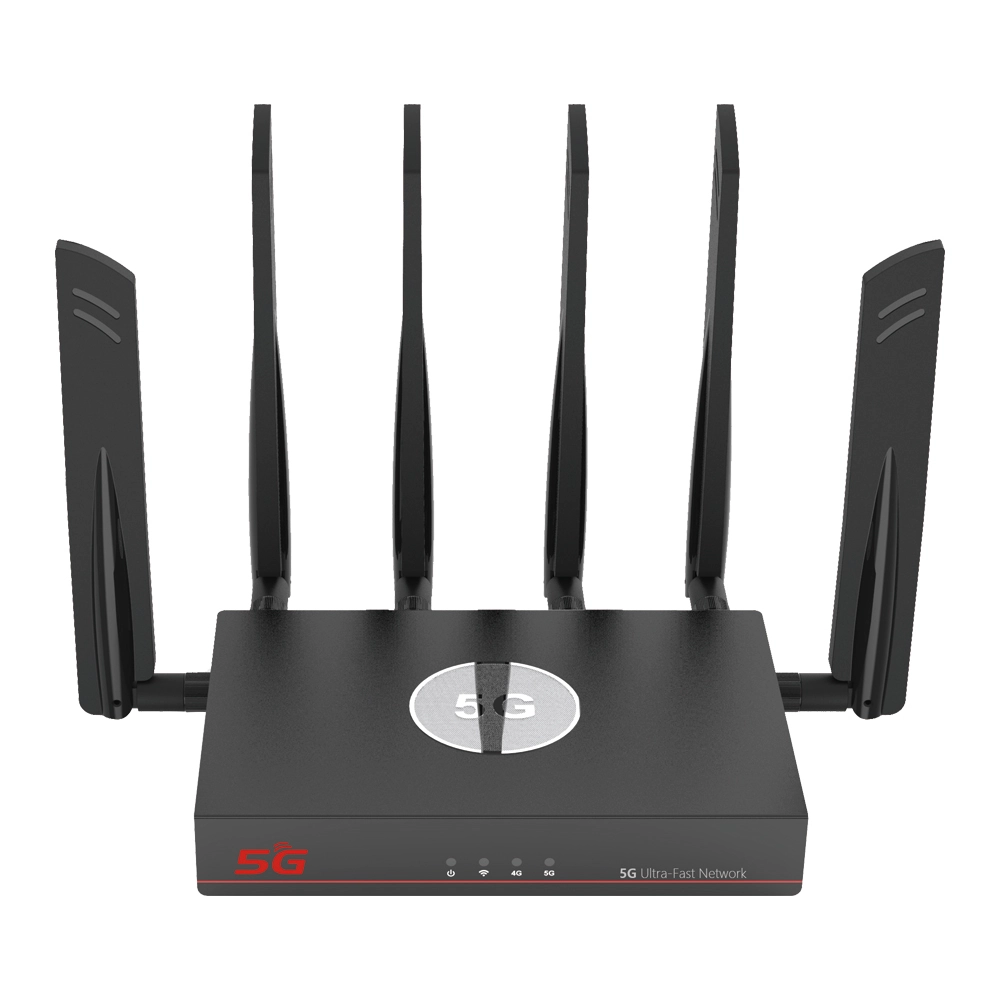
Path selection relies on a scientific system of metrics, with common indicators include hop count, bandwidth, delay, reliability and load. Hop count tallies the number of routers such as router cpe 4g lte or 5g cellular router traversed, bandwidth focuses on link transmission capacity, and delay measures the end-to-end time for data packets. Advanced protocols also integrate composite cost factors; for example, the Open Shortest Path First (OSPF) protocol supports dynamically adjust costs based on link bandwidth, enable intelligent load balancing of network traffic.
Operational Logic of Distance Vector Algorithms
Distance vector protocols operate using a “signpost guidance” model, where each router only maintains distance information to its neighboring nodes. A typical example is the Routing Information Protocol (RIP), which periodically broadcasts its entire routing table and iteratively calculates paths to remote networks. The advantage of this design lies in its simplicity of implementation, but it suffers from slow convergence and the “count to infinity” problem. Modern improved versions effectively control the risk of routing loops through mechanisms like split horizon and poison reverse.
Global Perspective of Link State Algorithms
Link state protocols require each router to construct a complete map of the network topology. The workflow includes neighbor discovery, flooding of Link State Advertisements(LSAs), and Shortest Path First (SPF) algorithm calculation. OSPF is a typical implementation, use Dijkstra’s algorithm to compute a shortest path tree rooted at the router itself. While this mechanism requires more computing resources, it converges quickly and provides loop-free paths.
Hierarchical Governance Model of Autonomous Systems
The internet achieves hierarchical management through Autonomous Systems (AS), where each AS corresponds to an independent management domain. Interior Gateway Protocols (IGPs) handle intra-domain routing such as OSPF, while Exterior Gateway Protocols (EGPs) handle inter-domain routing, with the Border Gateway Protocol (BGP) being the standard used on the internet backbone. This layered architecture ensures the management autonomy of individual organizations while enabling the unified interconnection of the global network.
Evolution Path of the Routing Information Protocol
As the earliest distance vector protocol, RIP was widely deployed due to its simplicity. Version 1 used classful routing and limited maximum hop count to 15. Version 2 added support for Classless Inter-Domain Routing (CIDR) and authentication mechanisms. Although its convergence speed is slow, it still holds value in small networks. Modern devices have optimized routing information propagation efficiency through trigger update mechanisms.
Distinctive Design of the Interior Gateway Routing Protocol
The Interior Gateway Routing Protocol (IGRP) is a Cisco-proprietary hybrid protocol that combines the advantages of distance vector and link state protocols. It uses the Diffusing Update Algorithm (DUAL) for fast convergence and pre-calculates backup paths via a Feasible Successor mechanism. This design allows sub-second convergence during topology changes, make it particularly suitable for enterprise networks with high fault recovery requirements.
Area Division of the Open Shortest Path First Protocol
OSPF addresses scalability issues through area division. Backbone Area 0 handles inter-area routing, while regular areas connect to the backbone via Area Border Routers (ABRs). This hierarchical design confines topology changes within areas, significantly reduce protocol overhead. The virtual link mechanism allows physically disconnected areas to connect logically to the backbone, enhance network deployment flexibility.
Integration Advantages of the Intermediate System to Intermediate System Protocol
The Intermediate System to Intermediate System (IS-IS) protocol was originally designed for the Open Systems Interconnection (OSI) model but later adapted for TCP/IP networks. Its distinguishing feature is the close integration with network layer services, support Variable Length Subnet Masks (VLSM) and CIDR. By using a two-level hierarchy to differentiate between Level-1 and Level-2 routers such as router cpe 4g lte or 5g cellular router, IS-IS suits both campus networks and carrier-grade deployments.
Routing Policy Engine of the Border Gateway Protocol
BGP, the standard internet backbone protocol, derives its core value from its rich policy control capabilities. Through path attributes like AS_PATH and NEXT_HOP, operators can implement routing decisions based on business policies. The Multiprotocol Extensions version (MP-BGP) supports the transmission of multiple address families, provide a foundation for Virtual Private Networks (VPNs) and IPv6 deployment.
Evolution and Challenges of Routing Security Mechanisms
Routing protocol security is a cornerstone of network security. Common threats include route spoofing and session hijacking. Protective measures have evolved from simple clear-text authentication to Message Digest 5 (MD5) or Secure Hash Algorithm (SHA) authentication. BGPsec (BGPS) implements source validation based on the Public Key Infrastructure (PKI). The emerging Resource Public Key Infrastructure (RPKI) technology uses digital certificates to bind AS numbers to IP address prefixes.
Paradigm Revolution of Software-Defined Networking
Software-Defined Networking (SDN) separates the control plane from the data plane, enable centralized routing decisions across network via a controller. The OpenFlow protocol makes the network programmable, support application-driven path adjustments. This architecture breaks through the limitations of traditional distributed protocols, enable fine-grained traffic engineering management and rapid network service deployment, provide technical support for 5G networks and cloud data centers.
Convergence Path of Multiprotocol Label Switching
Multiprotocol Label Switching (MPLS) introduces connection-oriented characteristics into IP networks, enhance forwarding efficiency through label switching. Its control plane relies on IGPs for route distribution, while the data plane uses a label stack for tunnel encapsulation. This Layer 2.5 technology perfectly blends the flexibility of IP with the efficiency of switching networks, become a key technology for carrier backbone networks.
Routing Adaptation for Internet Protocol version 6
The adoption of IPv6 has driven upgrade to routing protocols. OSPFv3 has redesigned protocol mechanisms to support link-local address operations. IS-IS has enhanced its IPv6 reachability information transmission. MP-BGP uses Address Family Identifiers (AFIs) to distinguish different network layer protocols, enable smooth transition in dual-stack environments.
Routing Optimization for IoT Scenarios
The resource constraints of IoT devices have spurred the development of lightweight routing solutions. The Routing Protocol for Low-Power and Lossy Networks (RPL) is designed for environments with high packet loss rates, use Objective Functions (OFs) to calculate optimal paths. The Ad Hoc On-Demand Distance Vector (AODV) protocol establishes routes on demand, reduce control overhead. By simplifying algorithms and using on-demand communication mechanisms, these protocols adapt to specific needs of sensor networks.
Future Evolution Direction of Routing Protocols
Future routing technologies show three major trends: First, AI-driven autonomous networks that predict traffic patterns through machine learning. Second, deterministic networking technologies that provide microsecond-level jitter guarantees for industrial internet. Third, blockchain-enabled decentralized routing to enhance network resilience against attacks. These innovations will drive the evolution of routing protocols from mere connectivity tools towards intelligent network brains.
Conclusion
Looking at the development history of routing protocols, from initial simple hop counts to today’s support for policy routing and SDN, their evolution has consistently revolved around the three core goals of reliability, scalability and security. With the arrival era of Internet of Everything (IoE), routing protocols will continue to serve as the vascular network of the digital society, silently supporting the unceasing flow of human information, visible and invisible.








What can we do for you?