
When we discuss modern computer networks—whether wired or wireless—their operation relies on the coordinated work of numerous precision hardware components and protocols. Within this complex system, there is one component that, while often inconspicuous, is the absolute core that ensures orderly and efficient data flow between devices: the Ethernet controller.
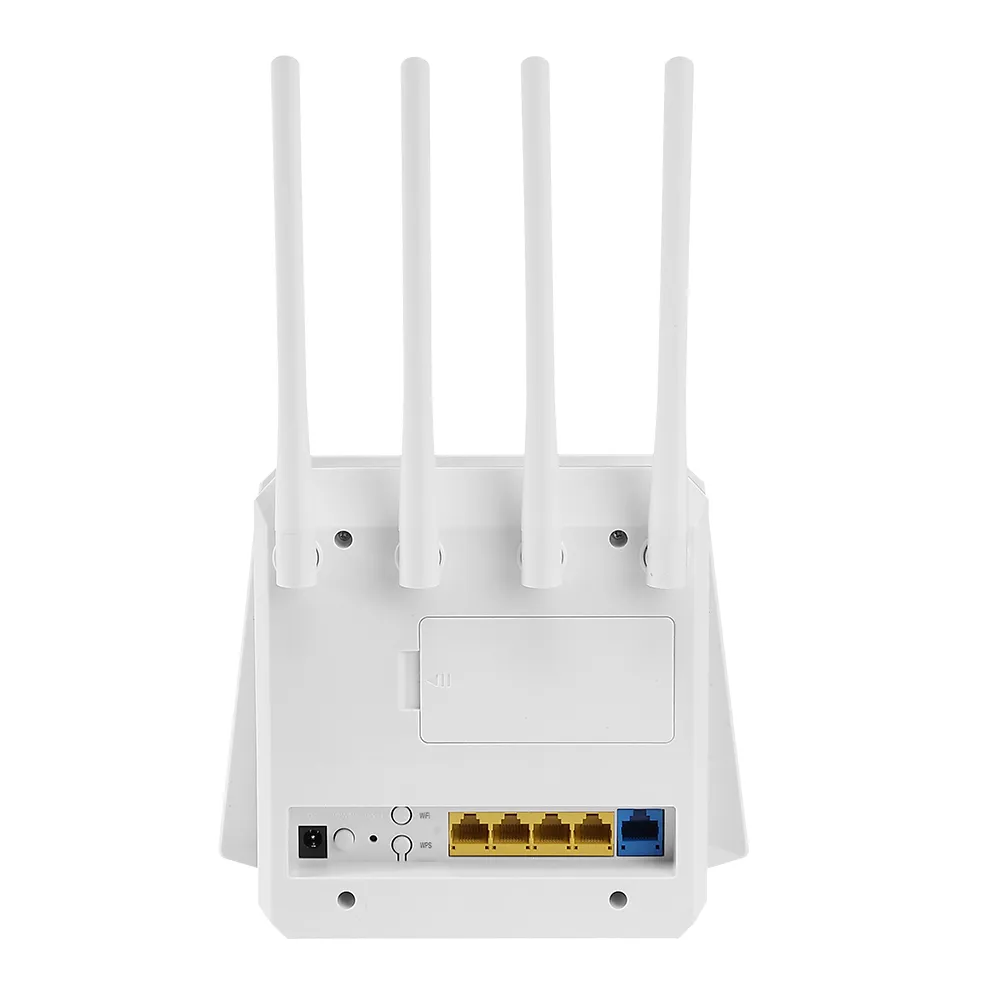
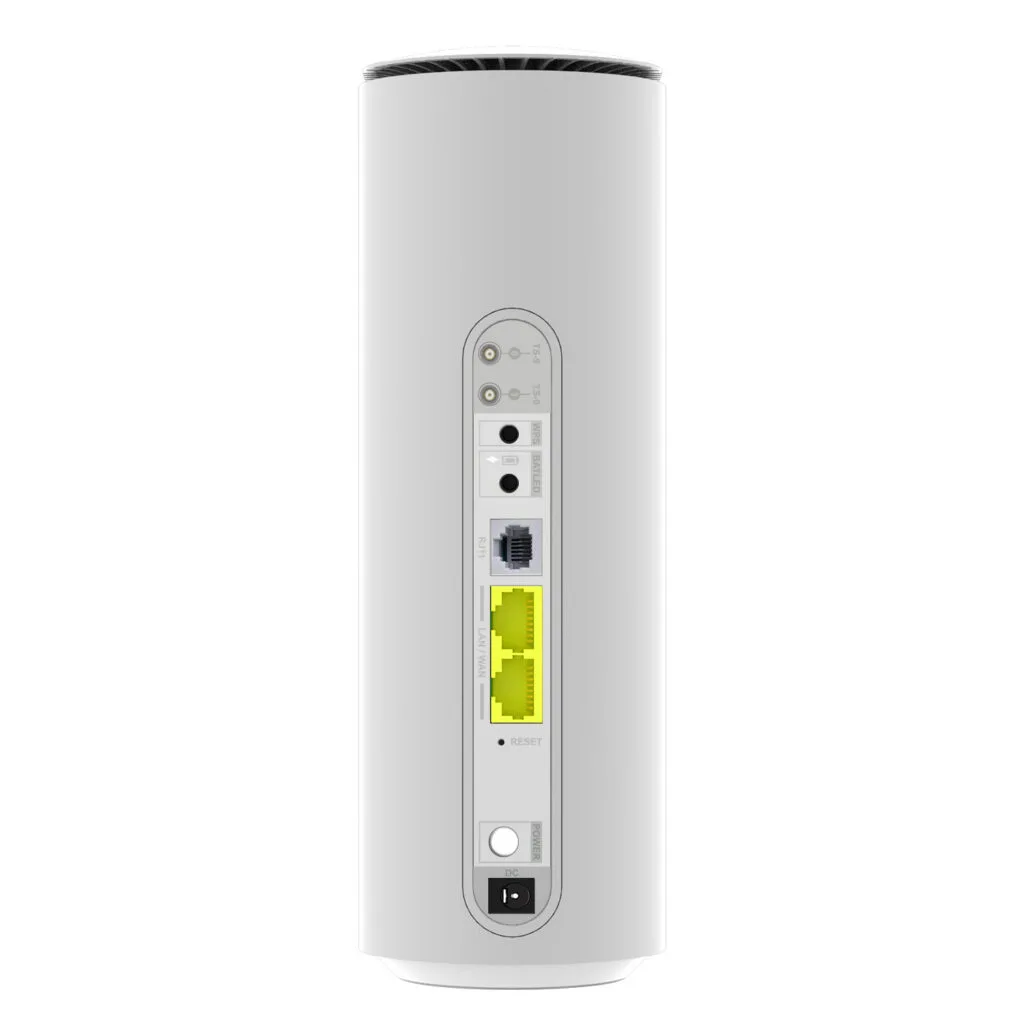
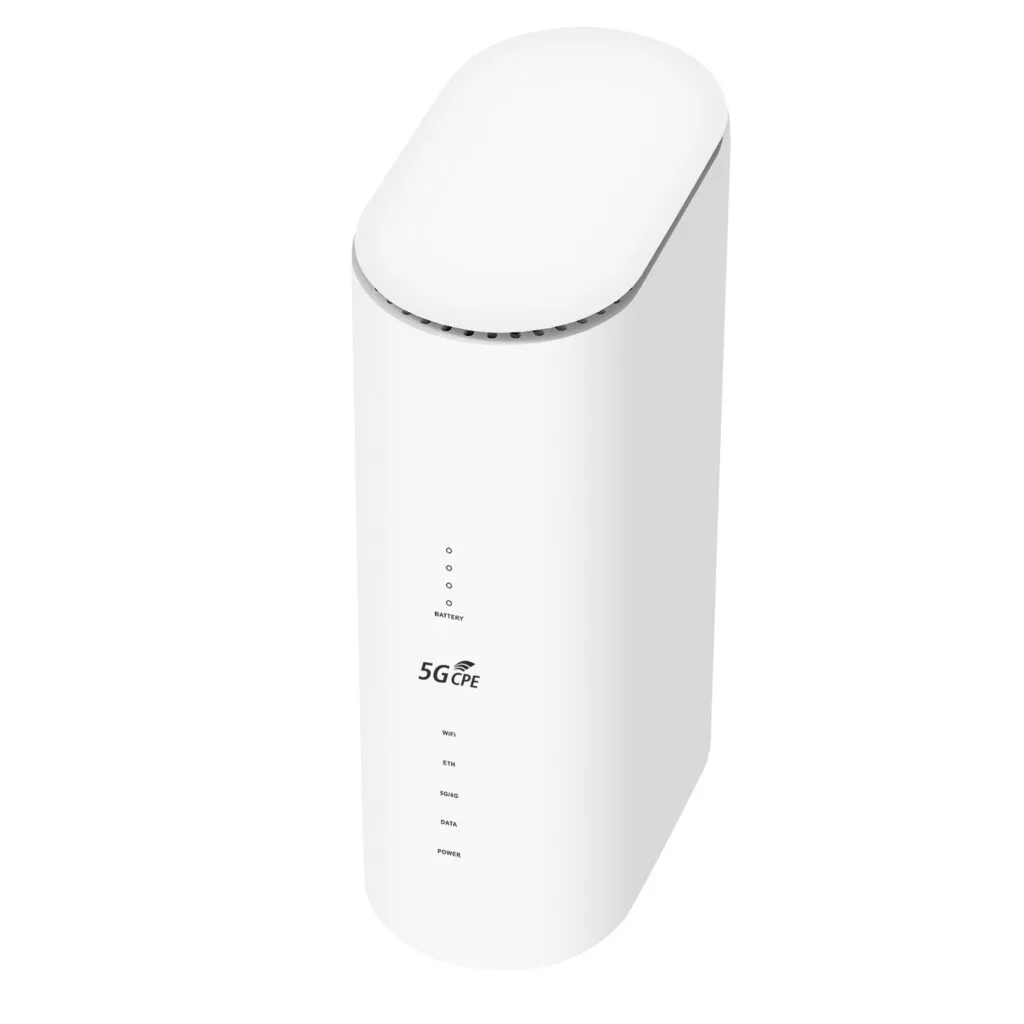
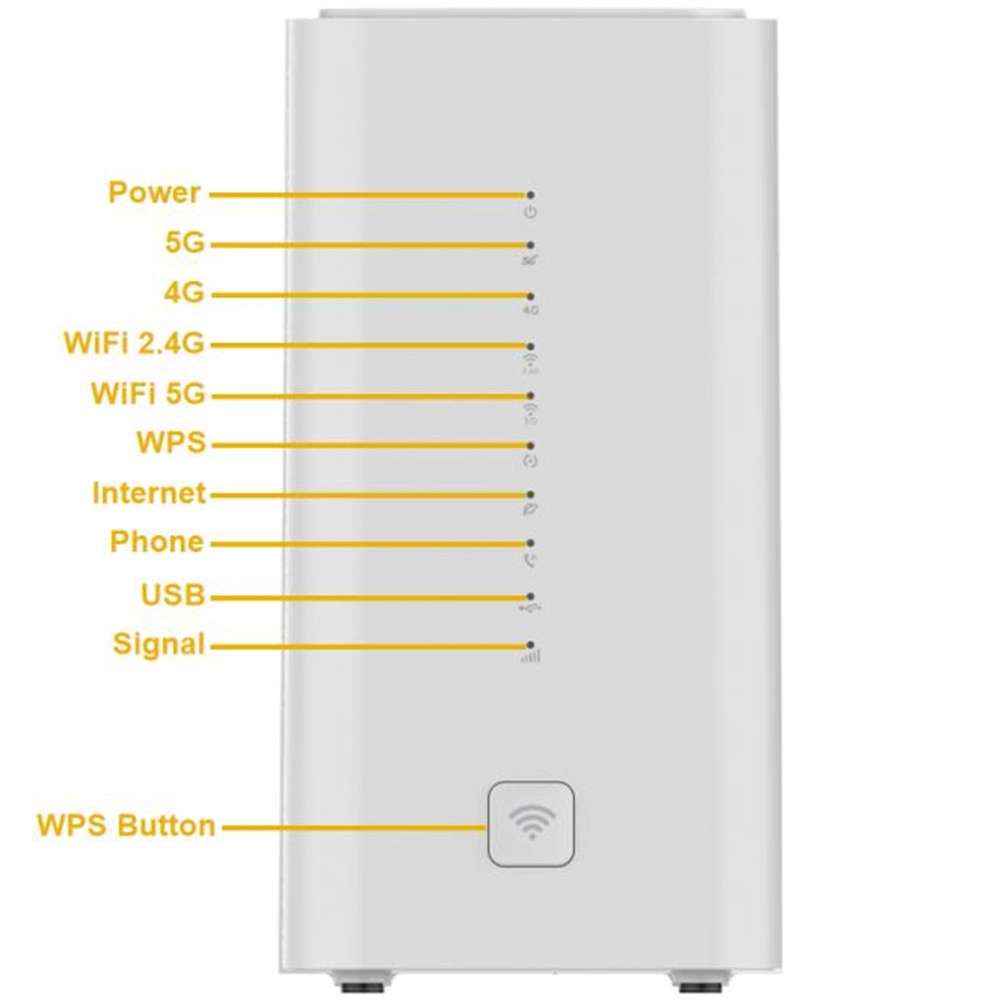
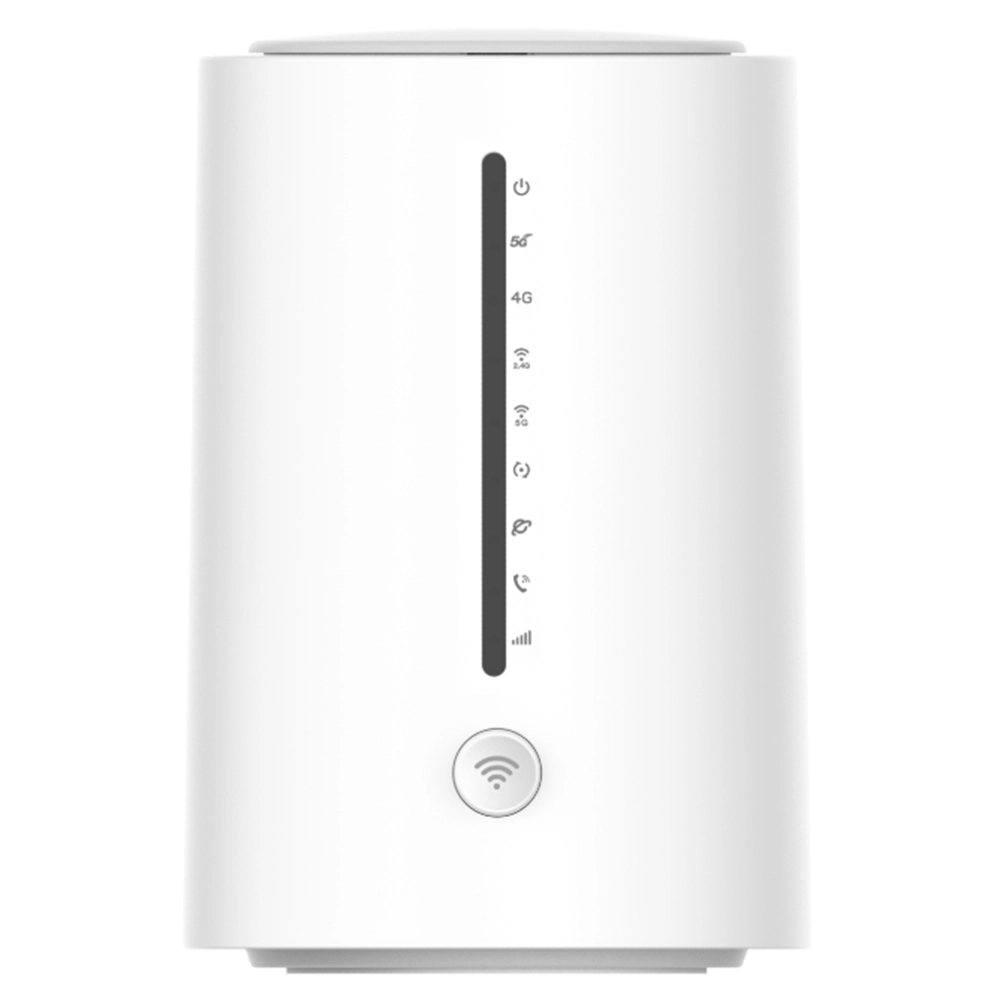
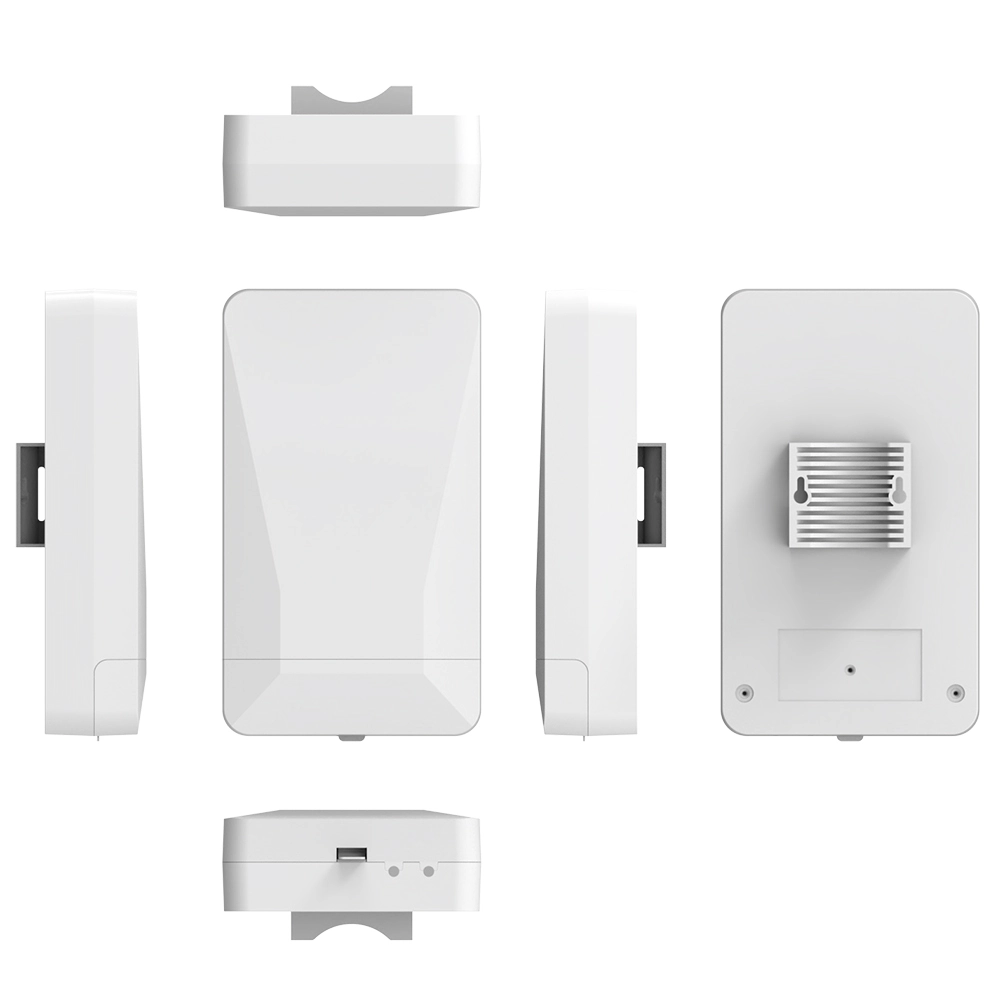
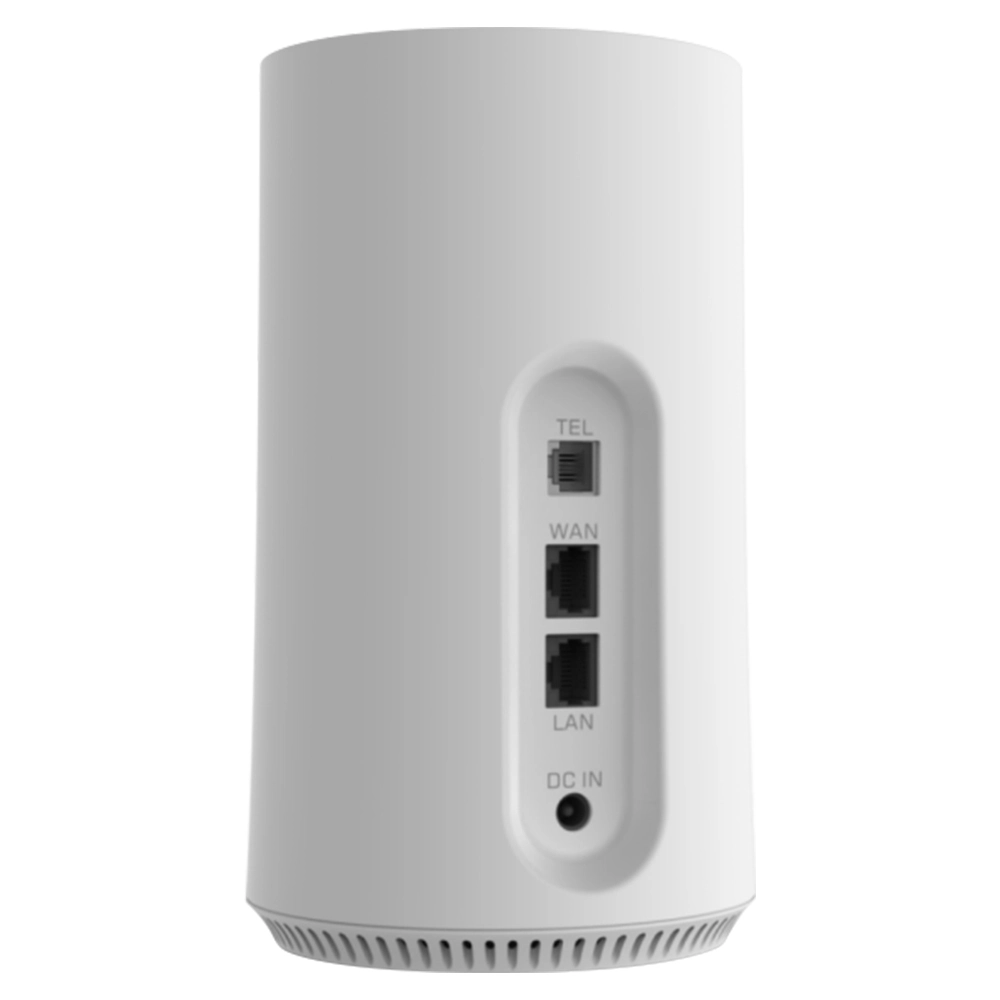
An Ethernet controller is a critical network hardware device that serves as the essential bridge between a computer or other networked device such as 4g lte cpe router with sim card slot or wifi router with sim card slot 5g and the Ethernet physical medium. It is responsible for sending, receiving, encapsulating and decapsulating data. Following internationally standardized Ethernet protocols, it processes data from upper layers into signals that can be transmitted over network cables, while also manage network access to avoid collisions. From personal computers to large-scale data center servers, Ethernet controller is the cornerstone of achieving efficient, stable wired network connections. Its performance and functionality directly impact the network’s throughput, latency and reliability. Understand what an Ethernet controller is not only helps us to grasp how networks work but also enables us to make more informed decisions when build networks, troubleshooting issues or upgrade equipment.
Traffic Police and Interpreter”of the Network World
We can vividly liken the Ethernet controller to both traffic police and interpreter of the network world. Its core function is to manage the flow of data between the computer and the network. When the computer needs to send information to the network—for example, when you click on a web link—the data instructions generated by the CPU cannot be directly thrown into the network cable. At this point, the Ethernet controller steps in. It is responsible to package this data into data frames that conform to Ethernet protocol specifications, append logistics information such as destination addresses, source addresses and error-checking codes, and then drive electrical or optical signals into the network cable through a physical interface usually an RJ-45 connector. Conversely, when data frames are sent to this computer over the network, the controller listens to signals on the cable, identifies frames whose destination address matches its own, receives them, performs error checking and upon confirmation, unpacks the frames, extract the valid data and hand it over to the CPU for processing. This entire process involves complex timing control, signal encoding and protocol parsing, ensure that vast volumes of data reach their destination accurately.
Evolution from Standalone NICs to Integrated Chips
The development history of Ethernet controllers is, in a sense, a microcosm of the trend toward hardware integration in computing. In the early days of personal computer development, Ethernet functionality was not a standard feature. Users who wanted to connect to a local area network had to purchase a separate network interface card (NIC) and insert it into a bus expansion slot on the motherboard. The core chip on this card was the Ethernet controller, work alongside peripheral components such as crystal oscillators, transformers and connectors. As technology matured and costs declined, motherboard manufacturers began to integrate Ethernet controller chips directly into the chipset or as separate chips soldered onto the motherboard—this is known as onboard LAN or integrated network adapter. Today, the vast majority of consumer and commercial computer motherboards come with integrated Ethernet controllers as standard. Their performance has also evolved from early 10Mbps, through100 Mbps and 1Gbps to the current mainstream 2.5Gbps, 5Gbps and even 10Gbps. This integration has not only saved space and cost but also made wired network connectivity a default capability of devices.
Core Functional Anatomy: The Envoy of the Physical Layer and Data Link Layer
To deeply understand the controller’s operation, we need to refer to the OSI (Open Systems Interconnection) reference model. This model divides network communication into seven layers, and the Ethernet controller primarily operates at the two lowest layers: the physical layer and data link layer.
At physical layer, the controller handles all electrical, optical, timing and interface details related to the physical medium. For example, it is responsible to convert digital bit streams into analog signals suitable for transmission over twisted-pair cables or optical fiber—this involves various line-coding techniques such as Manchester encoding and 4B/5B encoding. At same time, it must establish, maintain and tear down physical links, detect whether carrier signals exist on the link.
At data link layer, the controller’s work becomes more intelligent. It implements the functions of the MAC (Media Access Control) sublayer, which is its most core responsibility. This includes frame encapsulation and decapsulation, physical address like MAC address addressing, and manage access order when multiple devices share the same channel through the CSMA/CD (Carrier Sense Multiple Access with Collision Detection) protocol to avoid data collisions. In short, it ensures that data is reliably transmitted over the directly connected physical link.
Key Performance Metrics: Speed, Duplex Mode and Offload Engines
The key indicators to evaluate an Ethernet controller are, first and foremost, its speed—that is, how many bits per second it can transmit. The current mainstream is Gigabit Ethernet controllers, which provide a theoretical bandwidth of 1Gbps. Higher-end controllers support multi-gigabit speeds such as 2.5Gbps, 5Gbps or 10Gbps, cater to data centers, high-performance computing and professional content creation needs. The second metric is duplex mode. Modern controllers all support full-duplex mode, which means they can send and receive data simultaneously, maximize bandwidth utilization—a significant improvement over the earlier half-duplex mode where only one operation could occur at a time.
Additionally, advanced controllers integrate various offload engines, which are key technologies to improve overall system performance. For example, LSO (Large Send Offload) and LRO (Large Receive Offload) allow the controller to combine or split large data packets at the hardware level, reduce the number of CPU interventions. Checksum offload offloads network packet checksum calculations to the controller hardware, reduce the CPU’s computational burden. For high-performance scenarios, some controllers even support RDMA (Remote Direct Memory Access), which allows network devices to directly access each other’s memory, greatly reduce data transfer latency and CPU overhead.
Physical Interfaces and Transmission Media: More Than Just RJ-45
Although the most common Ethernet controllers connect to Cat 5 or Cat 6 twisted-pair cables via an 8P8C modular jack connector, the physical interface forms are not monolithic. In addition to copper interfaces, there are optical port controllers that support fiber-optic transmission. Fiber interfaces typically use SFP (Small Form-factor Pluggable) or SFP+ optical modules for long-distance, interference-resistant data transmission, commonly found in enterprise-grade switches, servers and telecommunications equipment.
Furthermore, with the advancement of automotive intelligence and industrial automation, automotive Ethernet controllers and industrial Ethernet controllers have also emerged. These must meet stricter environmental requirements, such as wider operating temperature ranges, stronger electromagnetic interference resistance and support for real-time communication protocols like TSN (Time-Sensitive Networking), ensure that critical control instructions are delivered on time.
Collaboration with the Operating System: The Pivotal Role of Drivers
Hardware controllers require software instructions to function, and that bridge is the device driver. The driver is software written by the controller chip manufacturer or operating system developer, acting as an interpreter between the OS and the controller hardware. When an application running on the OS generates a network request, the driver translates that request into register operation commands and DMA descriptors that the controller can understand, direct the controller to execute specific transmit and receive tasks. At the same time, the driver relays information such as controller interrupts and status changes back to the OS. A high-quality, stable and consistently updated driver is crucial for fully unleashing the controller’s performance and ensure stable network connections. After installing an OS, users should always visit the manufacturer’s official website to download and install the latest drivers and firmware for optimal compatibility and performance.
Pros and Cons of Integrated vs. Standalone Forms
As mentioned, integrated controllers are currently the overwhelming mainstream—they are low-cost, plug-and-play, meet the needs of most average users and office environments. However, standalone NICs still hold irreplaceable value. First, in terms of performance, high-end standalone NICs often use more specialized controller chips, offer higher port density, lower latency, more powerful offload engines, and support for 10Gbps and beyond—capabilities that integrated controllers find difficult to match. Second, standalone NICs offer flexibility, allow users to upgrade network performance without replacing the entire motherboard. Additionally, in servers and workstations, standalone NICs will provide redundant connections via link aggregation or failover technologies to enhance network reliability. Finally, certain specialized features such as support for FCoE (Fibre Channel over Ethernet) or RDMA are typically available only on standalone expansion cards.
Standards and Compatibility: Compliance with IEEE Specifications
The global interconnectivity of Ethernet devices rests on a unified, open set of technical standards, primarily developed and maintained by the IEEE 802.3 working group. From the earliest 10Mbps Ethernet standards to the latest multi-hundred-gigabit Ethernet standards, this series of specifications defines in detail all technical requirements for physical and data link layers. Any manufacturer produce an Ethernet controller that claims compliance with the corresponding IEEE 802.3 standard must strictly adhere to provisions regarding electrical characteristics, frame formats, access control methods and more, ensure seamless interoperability between devices such as 4g lte cpe router with sim card slot or wifi router with sim card slot 5g with different brands and vintages. This robust compatibility is one of the key reasons Ethernet evolved from a local area network technology into the dominant wired networking technology.
Power Management and Green Energy Efficiency
In modern electronic device design, power consumption is a critical consideration, Ethernet controllers are deeply involved in system power management. Advanced controllers support ACPI (Advanced Configuration and Power Interface) specification and more modern software-defined power state management. When the network is idle, the controller can enter various low-power states under driver and OS directives—for example, reduce clock frequency or shut down certain circuit modules—thereby significantly save energy. Additionally, Energy-Efficient Ethernet (EEE) technology allows the controller to dynamically adjust physical-layer signal transmission methods to save power when network link utilization is low. These features are especially important for laptops, IoT devices and other battery-dependent equipment, and also align with the broader trend of energy conservation and emission reduction in data centers.
Initial Integration of Security Features
Network security is a holistic issue primarily handled by upper-layer software and dedicated security appliances. Nevertheless, modern Ethernet controllers have begun to integrate some foundational security-enhancing features at hardware level. For instance, some controllers support hardware-based MAC address filtering, effectively prevent unauthorized devices from accessing the network. Some higher-end controllers also support preliminary traffic classification and policy tagging, assist the OS firewall and intrusion detection systems. More advanced designs even consider protection against side-channel attacks. Although the controller itself does not perform complex encryption or decryption which is usually handled by dedicated coprocessors, these hardware-assisted security features provide underlying support to build a more robust network defense system.
Role Evolution in Virtualization and Cloud Environments
In server virtualization and cloud computing environments, a single physical server may run dozens or even hundreds of virtual machines (VMs), pose a serious challenge to underlying network I/O. Traditional controller architectures struggle to distribute network traffic efficiently among so many VMs. To address this, Ethernet controllers that support SR-IOV (Single Root I/O Virtualization) have become the standard configuration. This technology allows a single physical controller to be virtualized into multiple independent virtual functions (VFs), each of which can be directly assigned to a VM, make the VM feel as if it has a dedicated physical NIC. This greatly improves I/O performance and isolation. At the same time, the controller works closely with hypervisor to offload part of the virtual switch’s functions, further reduce CPU load and improve the overall network throughput of the virtualized platform.
Future Trends: Higher, Faster and Smarter
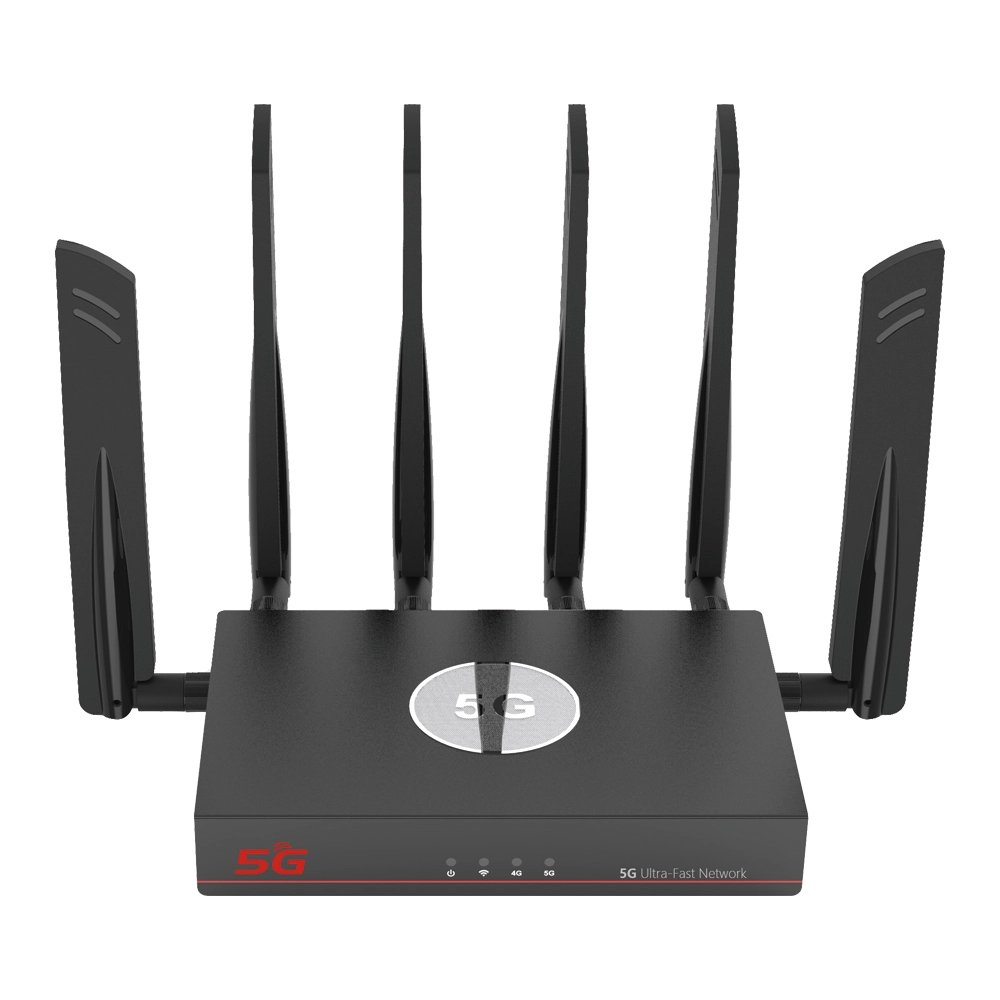
Looking ahead, the development direction of Ethernet controllers is clear. First is the continued escalation of speed—with the advancement of 800Gbps and 1.6Tbps Ethernet standards, controllers will support unprecedented bandwidth to meet the demands of data-intensive applications such as ultra-high-definition video streaming, virtual reality and AI training. Second is the further reduction of latency, particularly in fields with stringent real-time requirements like financial trading and industrial control, where nanosecond-level latency controllers will become critical. Third is increased intelligence and programmability—through the integration of FPGA or ASIC technologies, controllers will become more flexible, capable of dynamically adjusting their data processing pipelines via software-defined methods to adapt to different network protocols and application patterns. Finally, there is integration with emerging technologies such as convergence with 5G networks, serve as backbone networks within autonomous vehicles, and act as more central communication hubs in IoT edge computing nodes.
Purchasing and Application Considerations
For average users, the integrated controller on the motherboard is already sufficient; simply pay attention to its rated speed. For gamers and content creators, controllers that support 2.5Gbps or higher—whether onboard or standalone—can reduce latency during large file transfers and online gaming. For small to medium-sized enterprises building networks, choose equipment with controllers from well-known brands such as Intel, Broadcom or Realtek usually offers better stability and driver support. When deploy servers or workstations, it is necessary to carefully evaluate whether professional-grade NICs with multiple ports, high bandwidth, RDMA and SR-IOV support are required based on actual workloads. After installation, be sure to visit the manufacturer’s official website to download and install the latest drivers and firmware—this is a fundamental step to ensure performance and security.
Common Troubleshooting Approaches
When network connectivity issues arise, the Ethernet controller is an important link in the troubleshooting chain. First, check the OS’s Device Manager to confirm that the controller is correctly recognized and has no error indicators like a yellow exclamation mark—this points to driver issues. Second, observe the physical port’s LED indicators: a solid link light indicates a normal physical connection, while a blinking activity light indicates data transmission. If the connection is unstable, try to change the network cable or connect to a different switch port to rule out external cabling problems. In advanced settings, try to adjust the duplex mode and speed to avoid negotiation mismatches with the network switch. For performance issues, check whether advanced features such as offload engines are enabled. In extreme cases, the controller hardware itself may be faulty. At this point, disable the onboard LAN in the BIOS settings and install a separate NIC is the most straightforward solution.
Conclusion
In summary, the Ethernet controller is far more than a simple network chip. It is the key interface connecting the digital world to the physical network, a faithful guardian that executes internationally standardized communication protocols, and an increasingly powerful, ever-evolving intelligent data processing unit. From home study to global data centers, countless Ethernet controllers are working silently and efficiently, forming the capillaries of the global information network upon which we all depend. Understand it is understanding one of the fundamental building blocks of network communication.


What can we do for you?