
- 1.What is Carrier Aggregation: From Spectrum Puzzle to Broadband Highway
- 2.Background of the Technology: An Inevitable Response to the Traffic Deluge
- 3.Three Basic Types of Carrier Aggregation
- 4.Core Technical Mechanisms and System Architecture
- 5.The Relationship Between Carrier Aggregation and 4G LTE
- 6.Evolution and Enhancement of Carrier Aggregation in 5G Systems
- 7.The Impact of Carrier Aggregation on End-User Experience
- 8.Value for Network Operators: Unleash Spectrum Potential and Reduce Costs
- 9.Technical Challenges and Solutions
- 10.Current Status of Support in Terminal Chips and Devices
- 11.Future Development Directions of Carrier Aggregation
- 12.Conclusion: An Indispensable Cornerstone of Broadband Communications
In today’s era of rapid iteration in mobile communication technology, user demand for high-speed data services is experiencing explosive growth. To address this challenge, the field of communications has proposed Carrier Aggregation (CA) technology. Carrier Aggregation is a key communication technology that simultaneously bundles multiple wireless carriers from different frequency bands to increase the overall bandwidth and data transmission rate of mobile communication networks. It effectively integrates discrete spectrum resources, multiplies network capacity and significantly improves users’ high-speed internet experience in dense scenarios, make it one of the core technologies in 4G and 5G mobile communication systems.
1.What is Carrier Aggregation: From Spectrum Puzzle to Broadband Highway
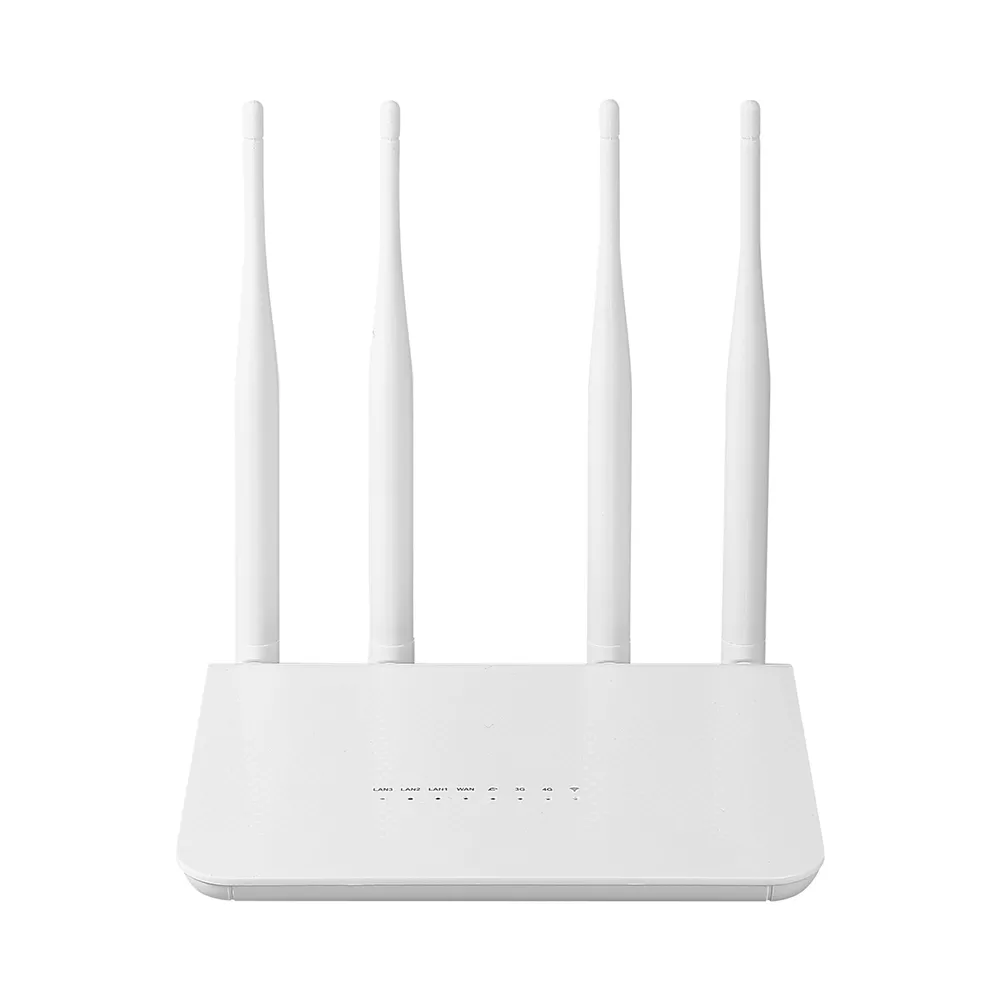
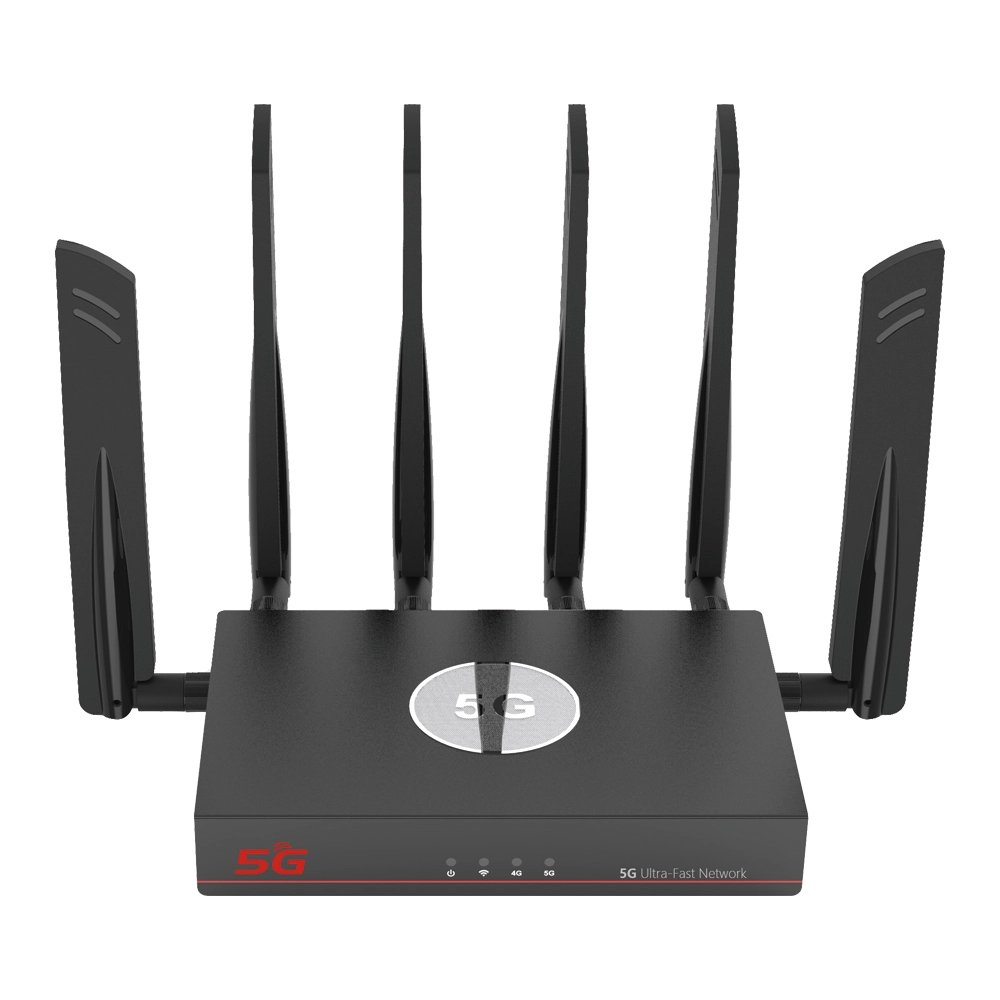
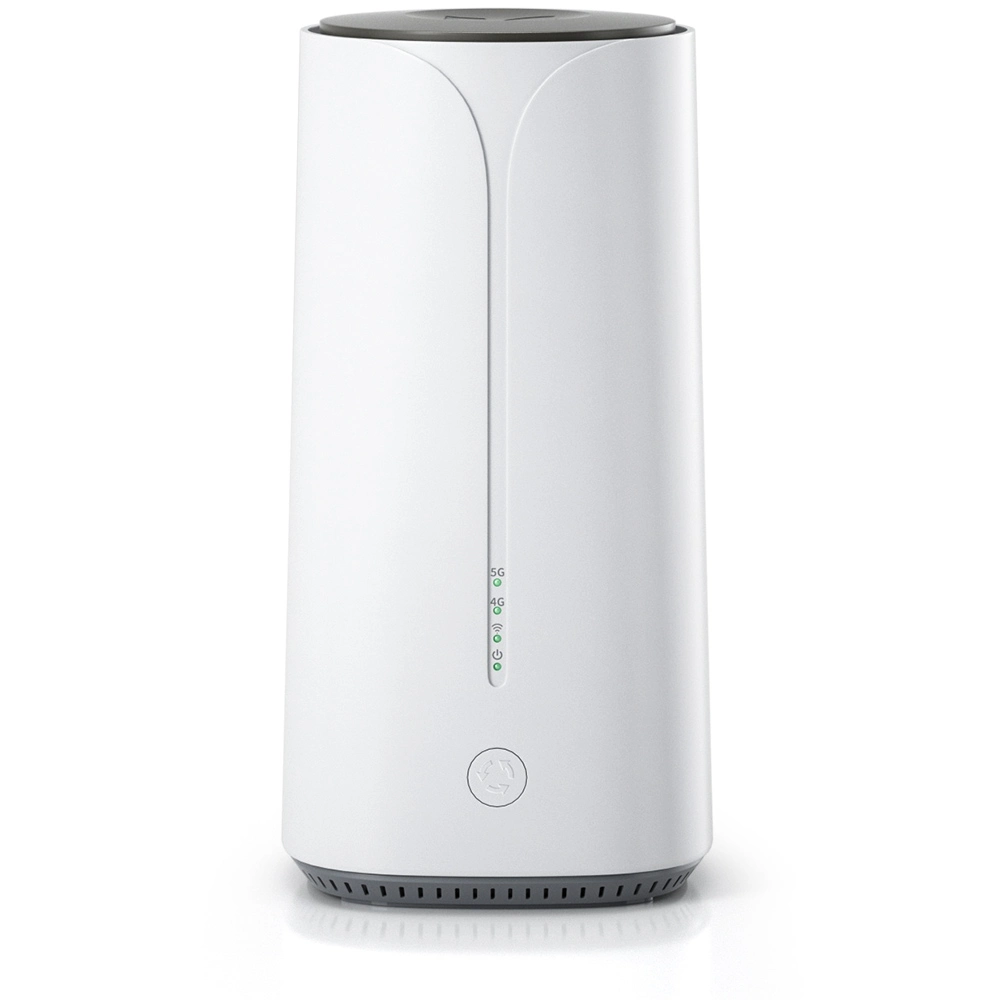
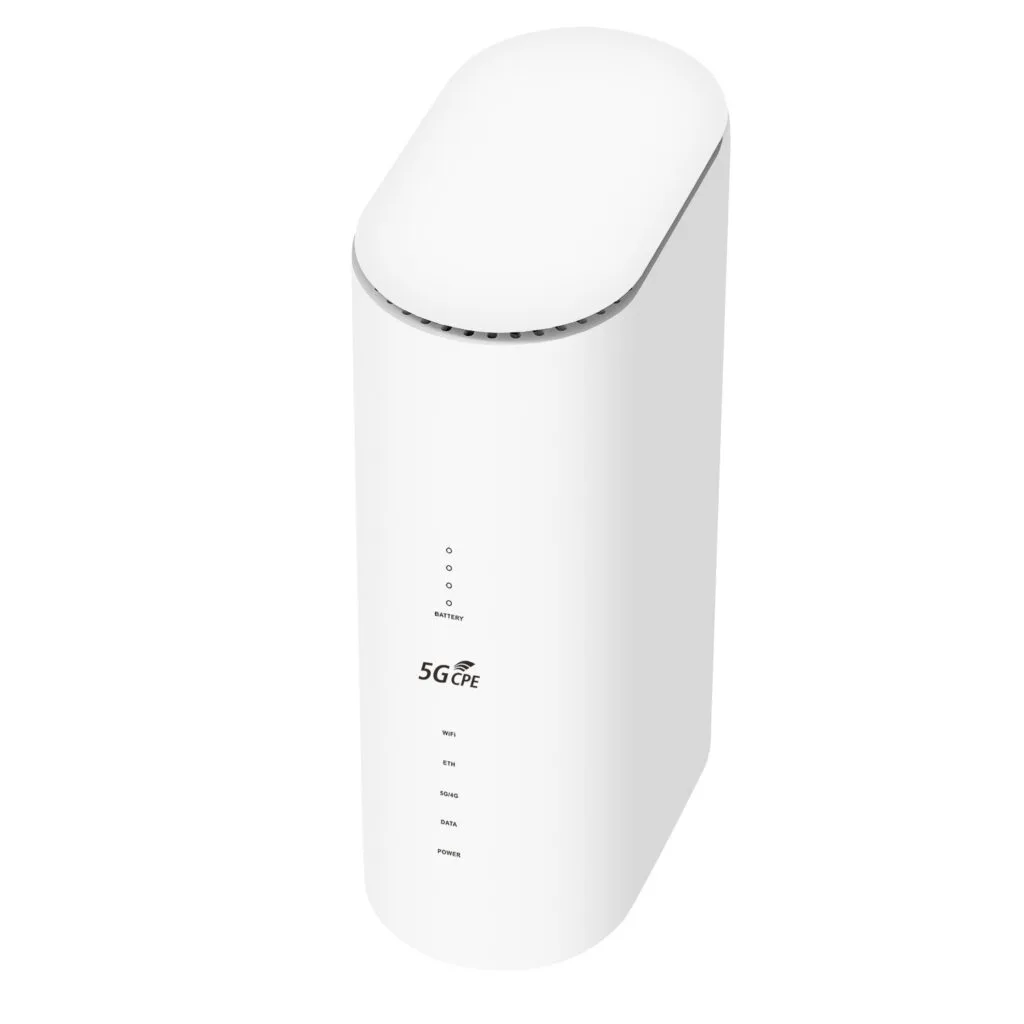
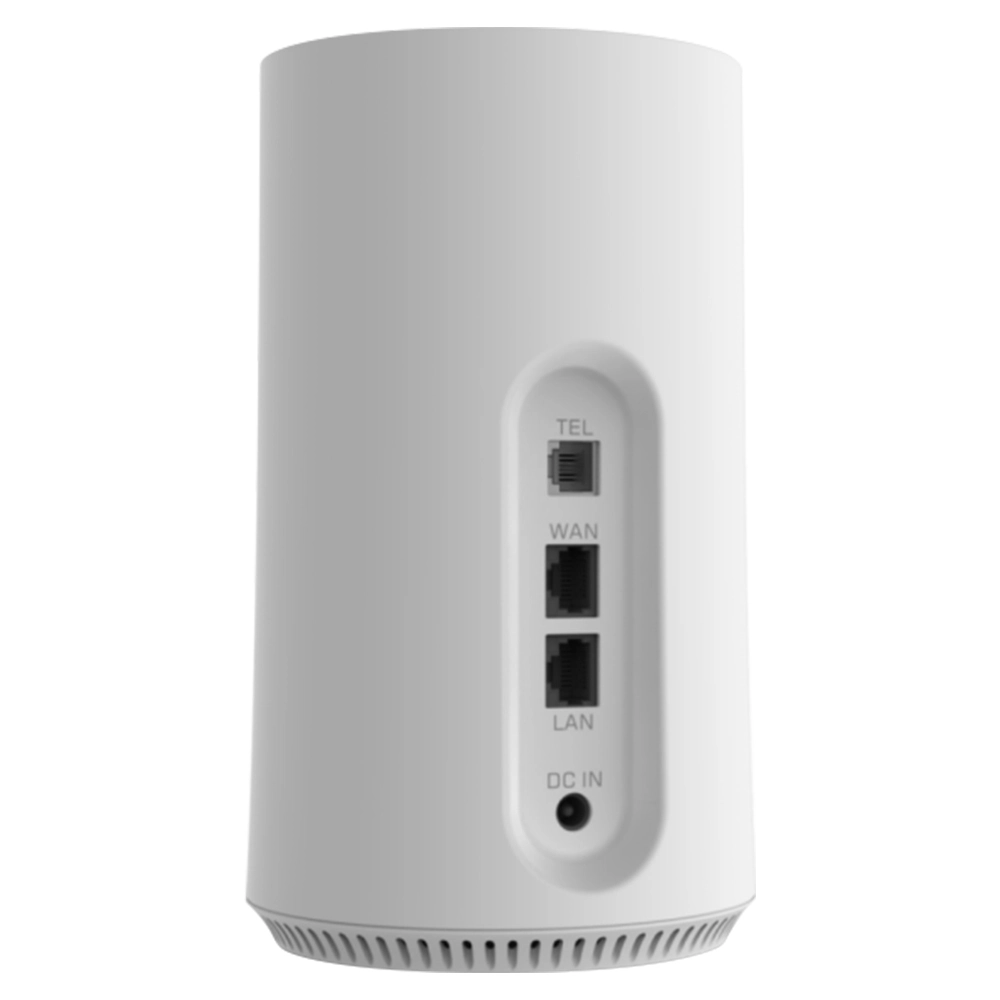
The core idea of Carrier Aggregation stems from the efficient integration of discrete spectrum resources. In wireless communication systems, the spectrum resources held by operators are often scattered across multiple different frequency bands. The bandwidth of a single carrier is limited and cannot independently support high-speed data transmission. Carrier Aggregation technology allows terminal devices such as 4g wifi router with sim card slot or 5g cellular router with sim card slot to simultaneously transmit and receive data over multiple carriers. At the physical layer and the Medium Access Control (MAC) layer, these carriers are aggregated into a logically wider frequency band, thereby break through the bandwidth limitations of a single carrier and exponentially increase transmission rates and spectrum utilization efficiency.
2.Background of the Technology: An Inevitable Response to the Traffic Deluge
With popularization of high-bandwidth services such as HD video, virtual reality and online gaming, 4G LTE networks began to face capacity bottlenecks in hotspot areas. International standard organizations like the International Telecommunication Union (ITU) and the 3rd Generation Partnership Project (3GPP) recognized early on that simply increasing single-carrier bandwidth or improving modulation order would not sustainably meet demands. So during LTE-Advanced phase, Carrier Aggregation was established as one of the most critical technical features and has continued as a key enhancement in 5G mobile communication technology.
3.Three Basic Types of Carrier Aggregation
According to continuity and relationship of frequency bands of the aggregated carriers, Carrier Aggregation can be divided into three types: Intra-band contiguous CA, Intra-band non-contiguous CA and Inter-band CA. Intra-band contiguous aggregation is relatively simple to implement and offers the highest spectral efficiency. Intra-band non-contiguous aggregation can consolidate scattered spectrum within the same band that is occupied by other systems. Inter-band aggregation can work across frequency bands, fully utilize the coverage advantages of low-frequency bands and the capacity advantages of high-frequency bands, and is currently the most widely used approach.
4.Core Technical Mechanisms and System Architecture
At the system architecture level, each aggregated carrier is called a Component Carrier (CC). A network-side scheduler uniformly coordinates resource allocation across multiple Component Carriers. For users, although data is transmitted over multiple physical carriers, from the perspective of upper-layer protocols, they belong to a single, wider logical bandwidth. Key technical challenges include cross-carrier load balancing, Hybrid Automatic Repeat Request (HARQ) timing synchronization, and inter-carrier power control, all of which require complex design and optimization at both the base station and terminal chip levels.
5.The Relationship Between Carrier Aggregation and 4G LTE
In 4G networks, Carrier Aggregation is the core technology to increase peak downlink rates from hundreds Mbps to Gigabit-level LTE. By aggregating different numbers of Component Carriers such as 3CC CA or 5CC CA and combine them with higher-order modulation technologies, theoretical peak rate can increase linearly. Most commercially deployed 4G networks worldwide utilize Carrier Aggregation, which directly determines whether users can experience truly high-speed networks in practice.
6.Evolution and Enhancement of Carrier Aggregation in 5G Systems
5G technology not only inherits the Carrier Aggregation framework from 4G but also pushes its capabilities to new heights. 5G New Radio (NR) supports more flexible spectrum access methods, with significantly increased aggregable bandwidth and number of carriers, it even enables Carrier Aggregation across 4G and 5G radio access technologies through dual connectivity, achieve deep coordination of network resources. Furthermore, 5G systems have introduced Carrier Aggregation in millimeter-wave (mmWave) frequency bands to address the severe propagation losses in these extremely high-frequency bands.
7.The Impact of Carrier Aggregation on End-User Experience
For ordinary users, the most intuitive benefit of Carrier Aggregation is a significant increase in internet speed. Whether download large files, watch ultra-HD videos, or participate in live interactions in crowded places like stadiums and shopping malls, a network with Carrier Aggregation activated provides a more stable and smoother connection experience, effectively reduce lag and buffer time, and improve the quality of various real-time interactive applications.
8.Value for Network Operators: Unleash Spectrum Potential and Reduce Costs
For operators, Carrier Aggregation is a powerful tool to increase network capacity and return on investment. It allows operators to technically integrate their existing scattered spectrum resources without purchasing expensive new spectrum licenses, maximize the value of each Hertz of spectrum. This provides a more economical way to cope with network traffic pressure while offering the technical foundation to launch differentiated high-speed service packages.
9.Technical Challenges and Solutions
Implement Carrier Aggregation also presents several challenges. Cross-band aggregation increases terminal design complexity and power consumption. Differences in propagation characteristics of signals in different frequency bands will lead to reception imbalance. Additionally, complex interference scenarios impose higher demands on network planning and optimization. The industry addresses these challenges through the development of more advanced RF front-end architectures, intelligent scheduling algorithms, and Self-Organizing Network (SON) technologies.
10.Current Status of Support in Terminal Chips and Devices
To support Carrier Aggregation requires the terminal’s baseband chip and RF front-end to have the capability to handle multiple carrier signals simultaneously. Currently, products from major chip manufacturers already support multi-band, multi-mode Carrier Aggregation functions. It is also a standard feature in most mid-range to high-end smartphones. Users can check the activation status of Carrier Aggregation in the device’s network information or engineering mode.
11.Future Development Directions of Carrier Aggregation
In future, Carrier Aggregation technology will continue to develop towards wider bandwidth, more aggregated carriers and more heterogeneous network architectures. Future research hotspots include integration with millimeter-wave and terahertz communications, AI-driven intelligent dynamic aggregation, and spectrum aggregation applications within the integrated sensing and communication architecture of 6G.
12.Conclusion: An Indispensable Cornerstone of Broadband Communications
In summary, Carrier Aggregation is a foundational key technology in modern and future mobile communication systems. It cleverly resolves the contradiction between limited spectrum resources and unlimited demand for data traffic, act as a core engine driving the continuous upgrade of the mobile broadband experience. As technology continues to evolve, Carrier Aggregation will undoubtedly continue to play an indispensable role in building the information superhighway for the intelligent connectivity of all things.


What can we do for you?