
In modern network environments, network cables serve as the physical medium for data transmission, and their importance cannot be overstated. When to set up a network, many users find themselves overwhelmed by the myriad of network cable products available in the market: What exactly makes these cables different? Which one suits their needs? In reality, network cable classification is a systematic division system based on international standards, performance indicators and application scenarios. It systematically categorizes cables used for network data transmission according to criteria such as transmission performance, shielding structure, conductor material and application scenarios. Understand network cable classification will help users to select the right products and ensure a stable and efficient network. It is not merely a difference in name but is directly related to network speed, stability and future upgrade potential.
Basic Concepts and Standard Origins of Network Cable Classification
Network cables, professionally known as twisted pair cables, are primarily classified according to standards jointly established by the International Organization for Standardization (ISO) and the International Electrotechnical Commission (IEC). These standards define the performance grades of network cables, typically distinguished by categories such as Cat5, Cat5e, Cat6 and so on. Each category corresponds to specific transmission bandwidth, frequency ranges and electrical performance indicators. The original purpose of classification was to ensure interoperability between products from different manufacturers while provide users with clear performance references. Understand these standards is the first step to grasp the significance of network cable classification.
Conductor Material: Purity and Composition of the Copper Core
The conductor material inside a network cable directly affects signal transmission quality. High-quality cables typically use oxygen-free copper as the conductor material, which has high purity and excellent conductivity, effectively reducing signal attenuation. Some low-cost products may use copper-clad aluminum or copper-clad steel. Although these materials are less expensive, they have higher resistance and will cause significant signal loss over long-distance transmission. While standards primarily specify performance, high-quality materials are the foundation to achieve that performance, so pay attention to the conductor material is the key to ensure a solid network foundation.
Twisted Pair Structure: The Physical Wisdom of Interference Cancellation
Why are the copper wires inside a network cable twisted together in pairs? This twisted pair structure is the essence of network cable design. When current flows through a conductor, it will generate an electromagnetic field, and interference between adjacent wire pairs will affect signal integrity. By twisting two wires around each other at a specific density, the interfering electromagnetic fields they generate can cancel each other out, significantly reduce both external interference and internal crosstalk. Different cable categories have different twist densities; generally, higher-performance cables have tighter twisting, which is one reason they can support higher frequency transmission.
Cat5 and Cat5e Cables: The Cornerstones of the 100Mbps Era
Cat5 cables were widely used in the early days, theoretically support transmission rates of 100Mbps and bandwidth of 100MHz. As network demands increasd, Cat5e (Enhanced Category 5) cables emerged. They improved upon Cat5 by supporting Gigabit (1000Mbps) transmission and offering better anti-interference capabilities. Cat5e cables remain a popular choice for many homes and small office environments due to their cost-effectiveness and ability to meet most broadband access and local area network needs. To distinguish between them, check the labeling on the cable jacket; Cat5e is typically marked as “Cat5e” or the corresponding English abbreviation.
Cat6 and Cat6a Cables: Gigabit Popularization and 10-Gigabit Readiness
Cat6 cables increased bandwidth to 250MHz and stably support Gigabit and even higher network speeds. Their internal structure is reinforced, often featured with a plastic spline (cross separator) between wire pairs to isolate them and further reduce crosstalk. Cat6a (Augmented Category 6) cables go a step further, with bandwidth reach 500MHz, support 10-Gigabit transmission and longer transmission distances than Cat6. For environments that are deploying or considering future upgrades to 10-Gigabit networks—such as data centers, high-end studios or smart home backbones—Cat6a cables represent a future-proof investment.
Cat7 and Cat8 Cables: High-Performance Choices for the Future
Cat7 cables are fully shielded cables with bandwidth up to 600MHz and were designed from the ground up to support 10-Gigabit transmission. They employ stricter shielding systems, provide shielding layers for each individual pair as well as overall shielding. Cat8 cables are among the highest commercial standards currently available, with bandwidth reach 2000MHz, primarily used for short-distance high-speed connections in data centers, such as interconnections between servers and switches. These high-end cables are costly and have stringent installation requirements; ordinary home users typically do not need them, but in professional fields, they are essential to build high-speed networks.
Shielded vs. Unshielded: Adapting to Different Electromagnetic Environments
Based on whether they have a shielding layer, network cables can be divided into Shielded Twisted Pair (STP) and Unshielded Twisted Pair (UTP). UTP cables rely solely on the twisted pair structure for interference rejection; they are low-cost and flexible, suitable for most office and home environments. STP cables add a metallic shielding layer inside to effectively resist strong external electromagnetic interference, such as in factories, hospitals or locations with heavy motor equipment. However, shielded cables require proper grounding along the entire run to work effectively; otherwise, they may be counterproductive. Which type to choose depends entirely on the electromagnetic interference intensity of the cabling environment.
Wire Gauge and Conductor Diameter: The Significance of Thick vs. Thin Wires
Wire gauge refers to the thickness of the conductor, commonly measured using the American Wire Gauge (AWG) standard, the smaller the AWG number the thicker the conductor diameter. For example, 24 AWG wire is thicker than 26 AWG wire. Thicker conductors have lower resistance and less signal attenuation over long distances. Therefore, for long-distance cabling projects such as large buildings, cables with lower AWG numbers are often chosen to ensure signal strength at the far end. For ordinary home use over short distances, standard wire gauges are entirely sufficient and need not be overemphasized.
Jacket Materials: Flame Retardancy and Environmental Characteristics
The outer sheath of a network cable not only provides protection but its material is also crucial. Common PVC (polyvinyl chloride) jackets are low-cost but produce toxic fumes when burned. Therefore, in densely populated areas such as office buildings and schools, LSZH (Low Smoke Zero Halogen) flame-retardant jackets are typically required. This material produces little smoke and low toxicity in a fire, buying precious time for personnel evacuation. Additionally, there are UV-resistant jackets for outdoor environments and armored jackets for direct burial. Pay attention to jacket materials is an important aspect of network engineering safety and compliance.
RJ45 Connectors and Wiring Standards: The Importance of Termination
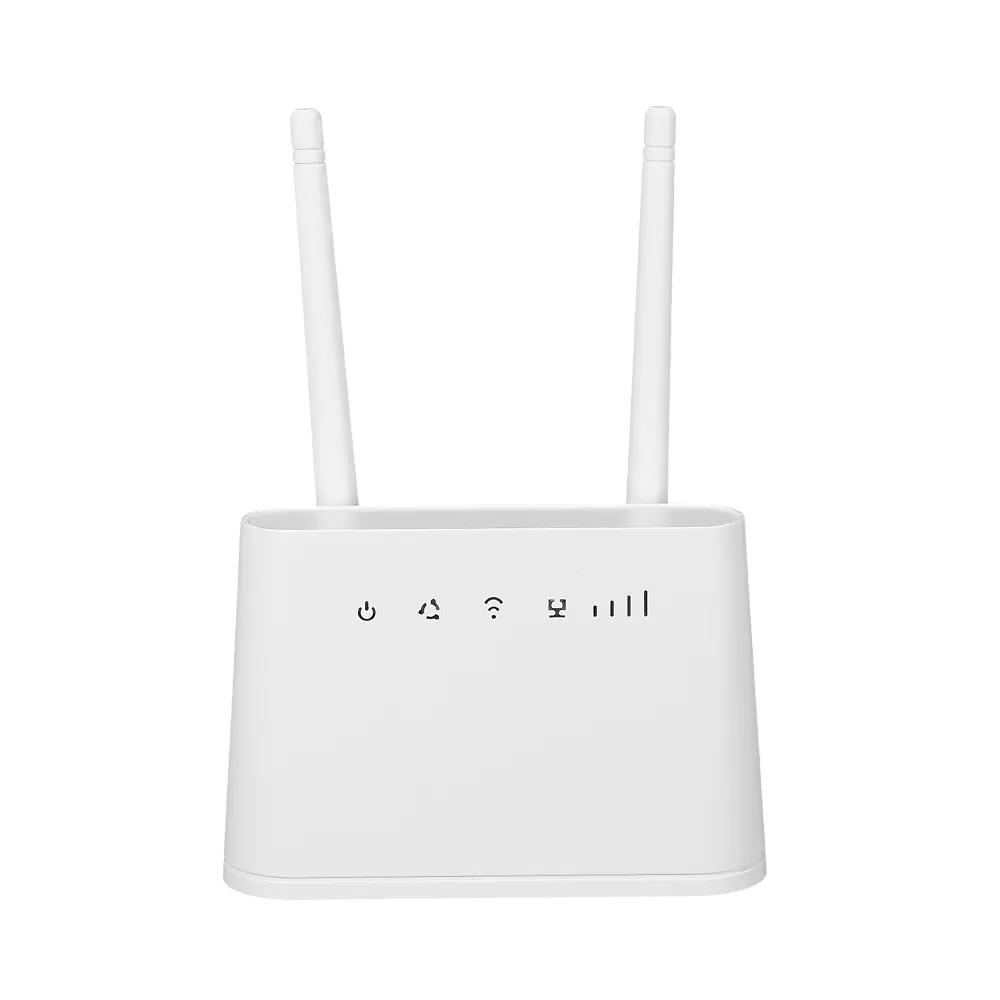
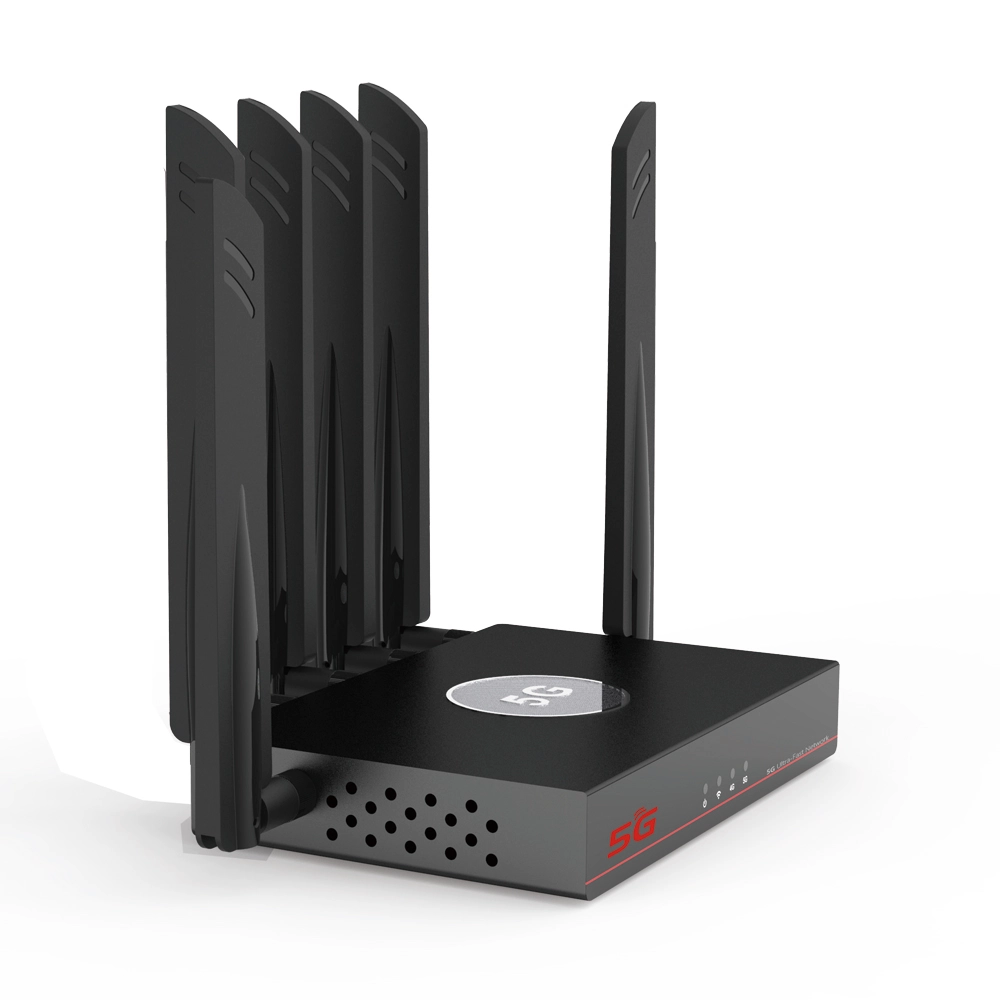
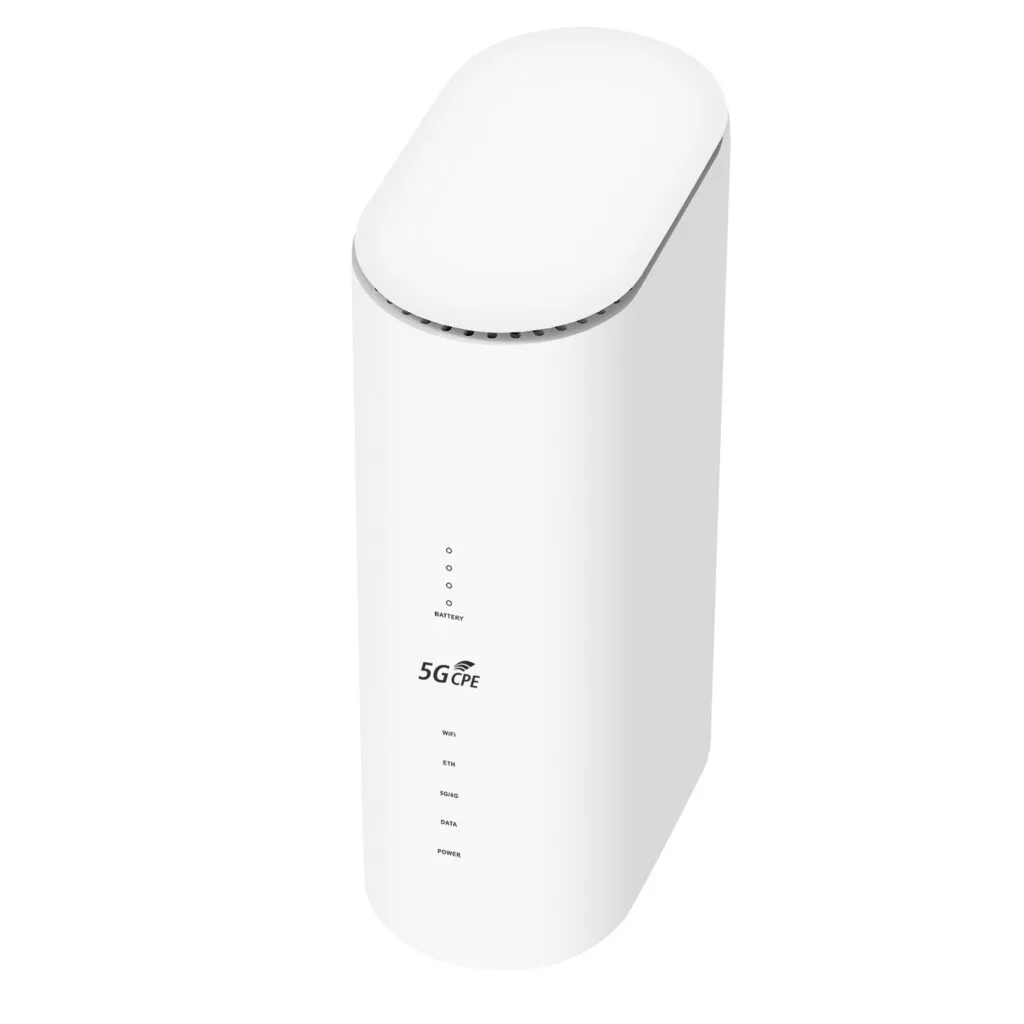
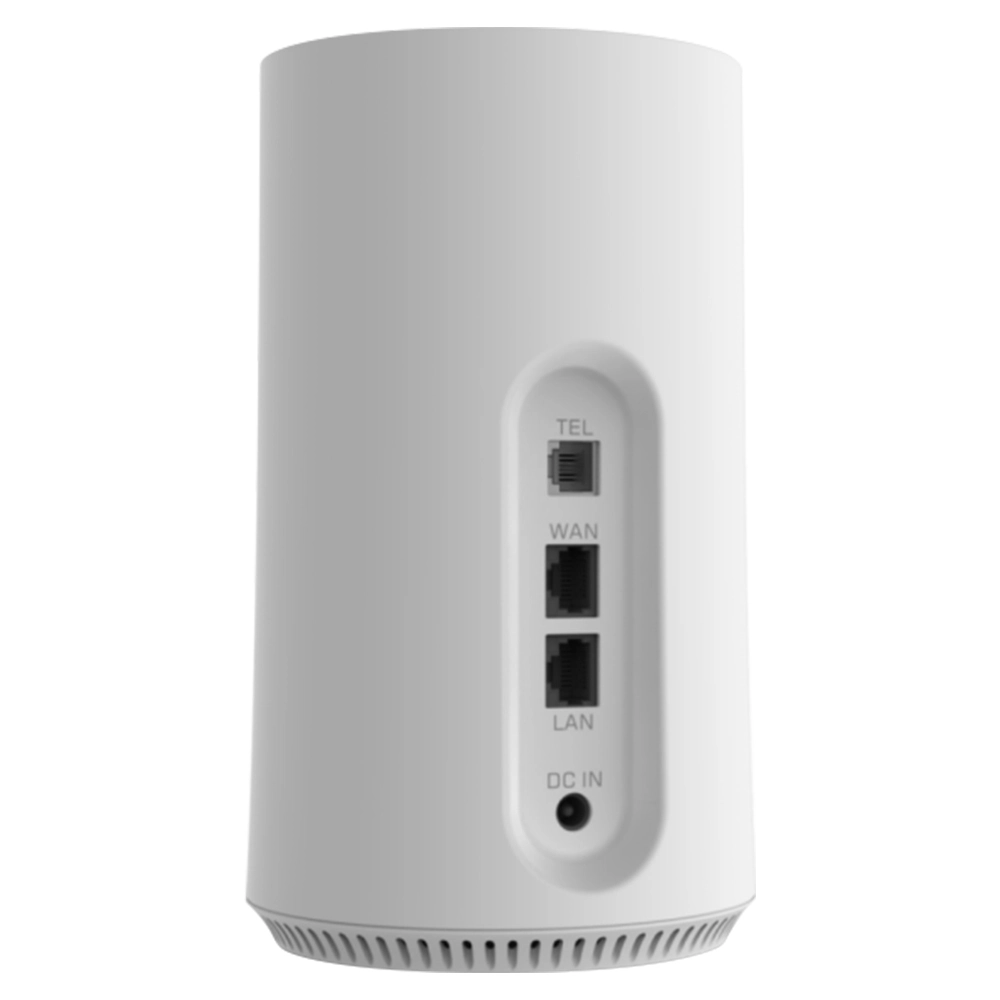
Both ends of a network cable need to be terminated with RJ45 connectors, and there are two international wiring standards: T568A (straight-through) and T568B (crossover). The straight-through method is used to connect different device types, such as a computer to a switch or cpe 4g lte or wifi router with 5g sim card slot; the crossover method is used for same-type devices, such as two computers directly connected. Nowadays, most network devices support Auto MDI-X (automatic crossover detection), so the need for crossover cables has greatly diminished. Regardless, ensure that the RJ45 connectors are crimped securely and the wiring order is correct is the most basic guarantee for network connectivity. Poor-quality or poorly made connectors can become bottleneck failure points in the network.
Practical Application Scenario Selection Guide
With understanding of the classifications, how do you apply this in practice? For the average home user with current 100Mbps or 1Gbps broadband, Cat5e or Cat6 UTP cables are more than sufficient and offer the best cost-performance ratio. For families undergoing new renovations who want a one-and-done solution, pre-installing Cat6 UTP cables is a good choice. For small business offices, subject to the number of devices and network pressure, Cat6 or Cat6a cables can be selected. For server rooms, financial trading floors or industrial environments, shielded cables or even higher-grade products may be necessary based on specific interference conditions. The core principle is: match current needs and plan with modest future-proofing.
Common Misconceptions and Purchasing Tips
When to purchase network cables, there are several common misconceptions to avoid. First, higher category is not always better; performance that far exceeds requirements means unnecessary costs. Second, don’t overlook brand and certification. Well-known brands offer better assurance in terms of workmanship and materials, and check whether the product has passed relevant industry certifications is also a good approach. Third, cable length is not unlimited. The theoretical maximum single-segment transmission distance for Cat5e and Cat6 cables is 100 meters; beyond that distance, repeater devices are needed. Fourth, beware of counterfeit products. You can make preliminary judgments by observing the clarity of the markings on the cable, the color and texture of the copper core, and the flexibility of the jacket.
Impact of Installation and Maintenance on Performance
Even the best network cables can suffer significant performance degradation if installed improperly. During installation, avoid running cables parallel and close to power cables; if they must cross, keep them as perpendicular as possible. The bend radius should not be too small to avoid damaging the internal twisted pair structure. For shielded cables, ensure the grounding system is complete and effective. In daily maintenance, avoid subjecting cables to heavy pressure or excessive bending. A standardized installation process is the key to achieve 100% of the cable’s performance—sometimes even more important than choosing a higher category of cable.
The Complementary Relationship Between Wireless and Wired NetworksIn today’s world where wireless networks are ubiquitous, wired networks remain irreplaceable. Wireless networks are convenient and flexible, but they are susceptible to interference, and speed and stability can fluctuate in complex environments. Wired networks provide stable, high-speed, low-latency connections and are ideal to carry network backbones and connect critical devices such as Network Attached Storage (NAS), gaming consoles and smart TVs. An excellent modern network architecture often combines both wireless and wired—using wired networks to build a reliable backbone and then covering mobile devices through wireless access points.
Technology Development Trends and Future Outlook
With widespread adoption of Fiber to the Home (FTTH) and the evolution of wireless technologies, copper cable development appears to be hitting limits, but its advantages in short-distance transmission, Power over Ethernet (PoE) and cost remain clear. In the future, network cable technology may evolve toward higher bandwidth and greater intelligence—for example, use more advanced encoding techniques to extract higher speeds from existing cables. At the same time, cables support higher-power PoE will facilitate the deployment of Internet of Things (IoT) devices. Understand network cable classification is not only about solving today’s problems but also about preparing for future network changes.
Conclusion
In summary, network cable classification is a rigorous technical system that defines the physical foundation of network transmission from multiple dimensions, include performance, structure and material. From Cat5e cables that meet basic internet needs to high-end products that support high-speed interconnections in data centers, each category has its clear positioning and application scenarios. As a user, you needn’t dive into all technical details, but master the core classification logic and selection principles will enable you to make informed decisions in home networking, office cabling and even larger-scale network projects—build a stable, efficient and future-ready wired network infrastructure.



What can we do for you?