
In the world of industrial control, smart hardware and embedded system development, reliable communication between devices is the cornerstone of all functionality. When engineers discuss a technology that allows data to pass “in its original form” through different devices or networks, they often refer to a key concept—Serial Port Transparent Transmission. Serial port transparent transmission is a data communication technology that allows data to be transmitted transparently between two serial ports needn’t intermediate devices to parse or process data. This technology is widely used in fields such as industrial automation, router 5g industrial communication and remote monitoring. Its core value lies in preserving integrity and real-time nature of the original data, simplifying system design and reducing communication latency.
1.Basic Definition and Core Characteristics
Technical essence of serial port transparent transmission is a data channel mode, it means that when data is sent and received via serial communication interface such as RS-232, RS-485 or TTL-level UART, the intermediate network device or conversion module does not parse, modify, or store the content, format or protocol of the data frame. Instead, it treats the data as a transparent bitstream and transmits it from one end to the other exactly as it is. The term of “transparent” is the quintessential description of this technology, meaning that transmission link is invisible to communicating parties, making the data appear as if it was directly connected over a virtual serial cable.
2.Brief Review of Serial Communication Basics
To thoroughly understand transparent transmission, one must first understand its carrier: serial communication, which is an ancient yet classic method of data communication where data is transmitted bit-by-bit sequentially over a single line. Its protocol is relatively simple, with main parameters including baud rate (data transmission rate), data bits, stop bits and parity bits. Unlike Ethernet or USB communication which require complex protocol stacks, serial communication is often used for short-distance, point-to-point data exchange between embedded devices like microcontrollers, sensors, PLCs and computers or other devices.
3.Fundamental Difference Between Transparent Transmission Mode and Protocol Parsing Mode
It is the key to understand the value of serial port transparent transmission. In non-transparent transmission mode, after gateway or concentrator receiving serial data, it’ll parse the data according to predefined protocol (e.g. Modbus or PLC protocol), extract useful data values such as temperature or switch status and repackages them into another network protocol (e.g. TCP or HTTP) for transmission. But transparent transmission mode is absoletely different: the intermediate device performs no protocol parsing, no matter the type of data packet sent by transmitter—even if it contains unrecognizable characters or error frames—the receiver will receive the exact same original data sequence. This distinction determines their respective application domains.
4.Typical Working Principle and Architecture
A typical serial port transparent transmission system usually consists of three parts: transmitting device, transparent transmission device (e.g. serial server or wireless transparent transmission module) and receiving device. Transparent transmission device acts as a bridge, one end connects to transmitting device via a physical serial port, and the other end connects to receiving end (typically a server or host software) via more advanced network media such as Ethernet, WLAN or mobile network. The core task of its internal firmware or driver is merely data link layer forwarding—converting serial level signals into network packets or vice versa—no touching application layer data content.
5.Main Hardware Carriers for Implementing Serial Port Transparent Transmission
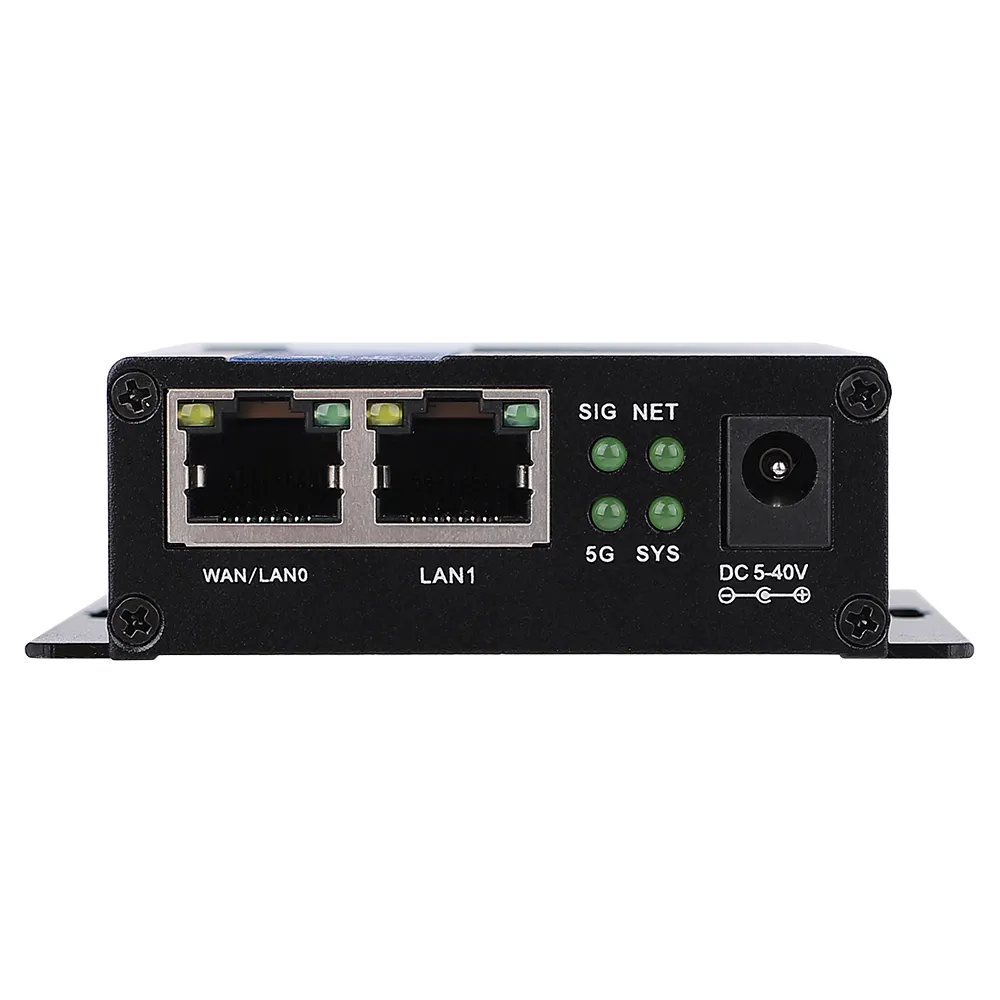
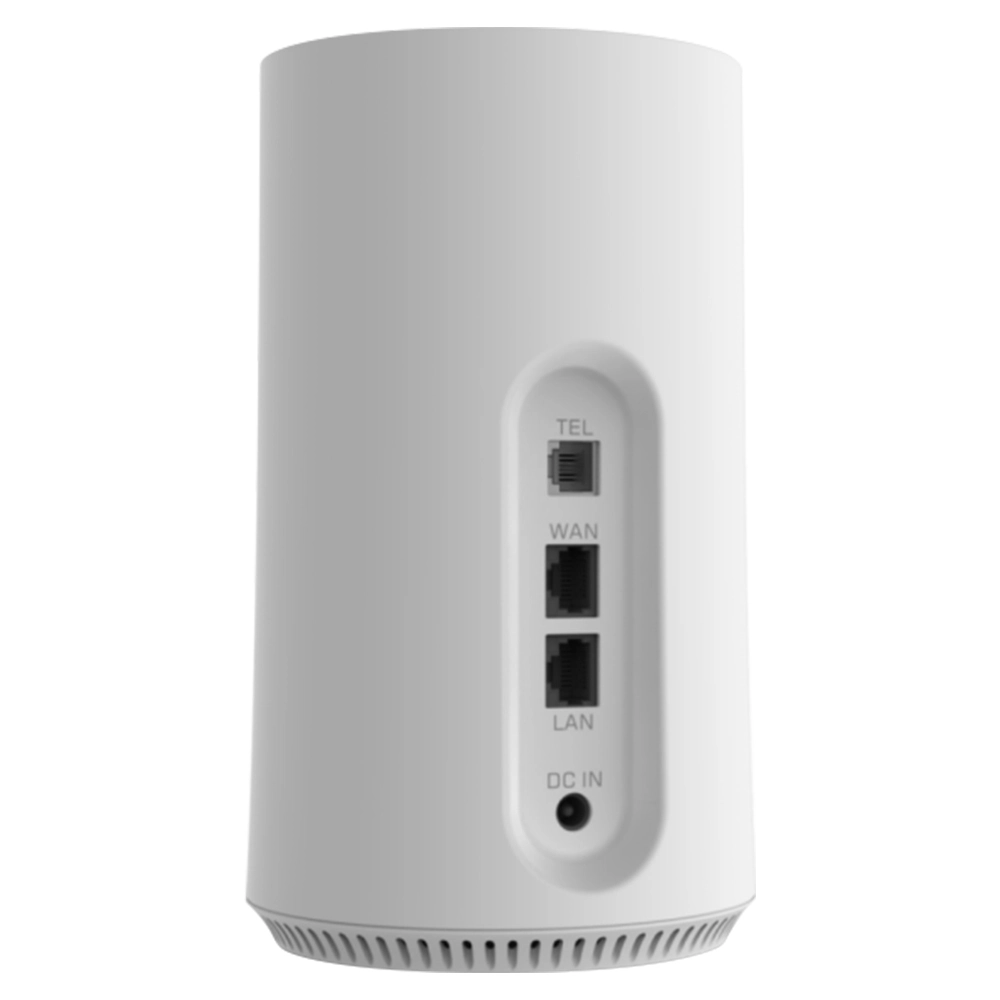
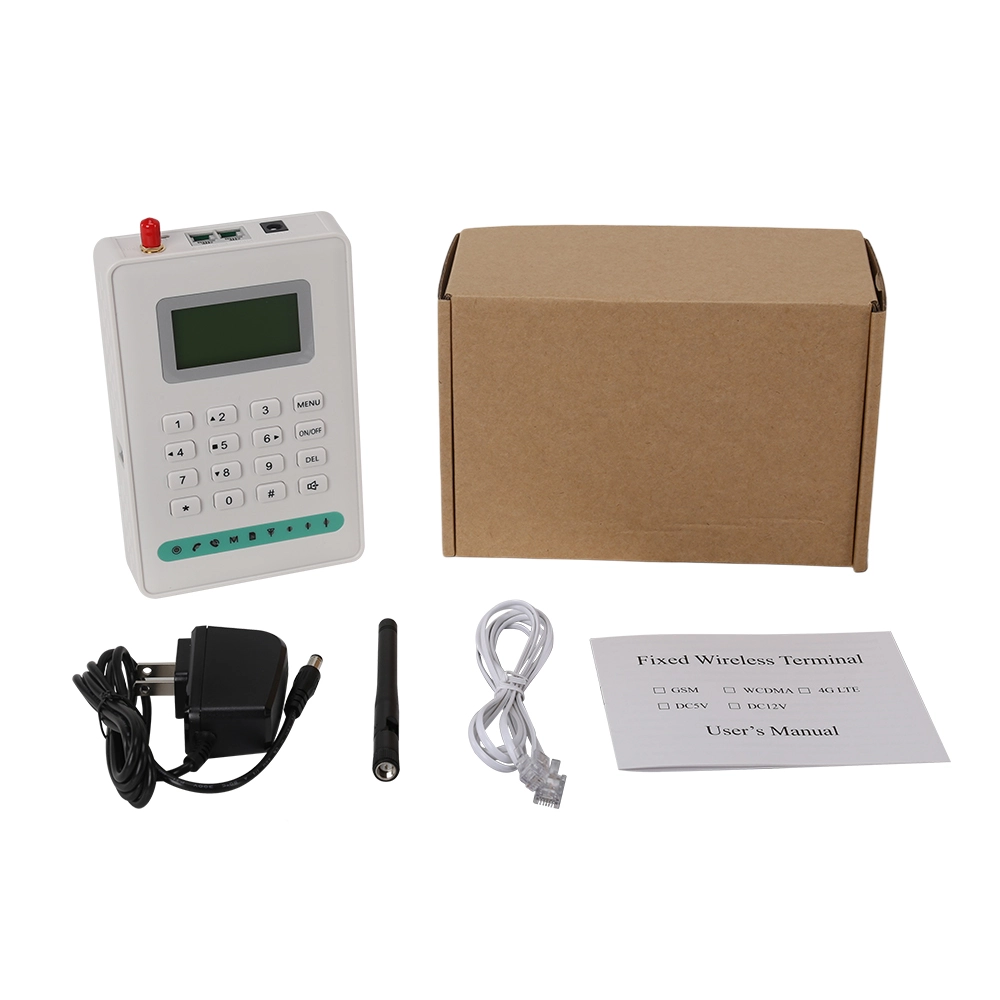
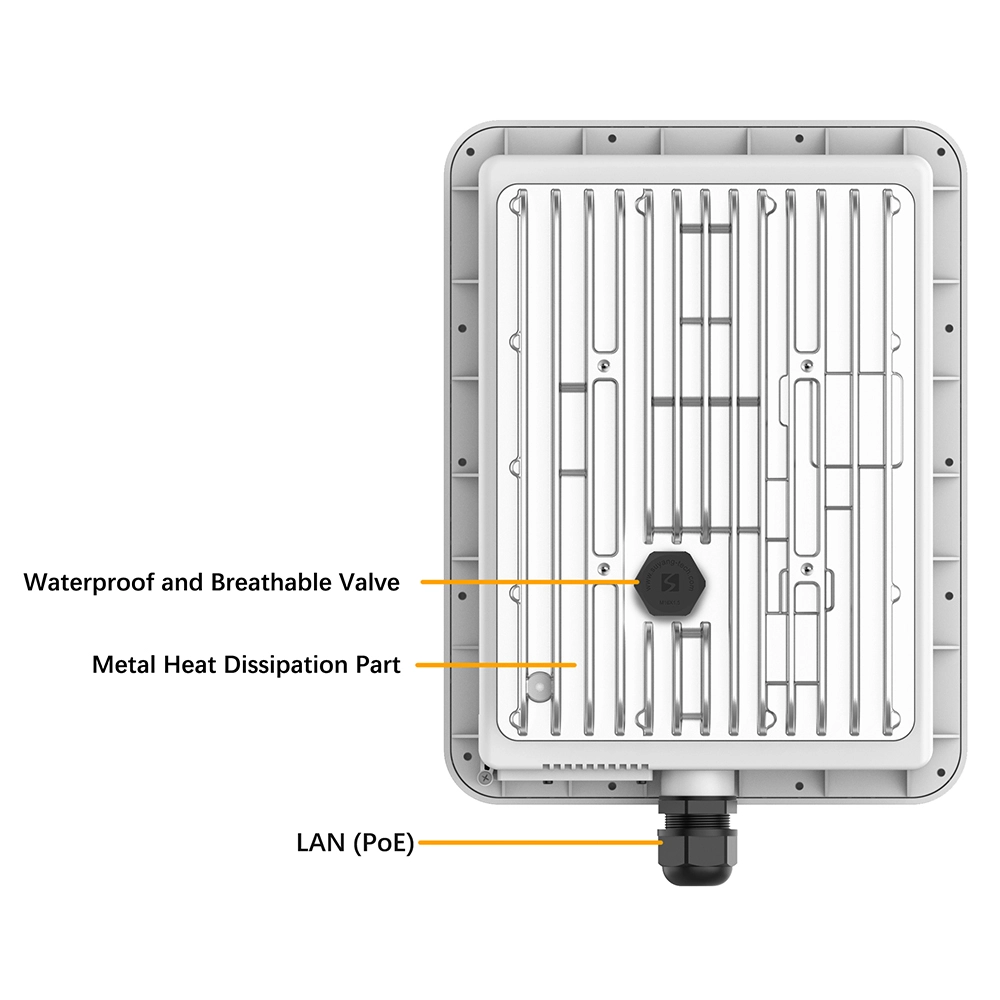
Various hardware products are specifically designed for serial port transparent transmission. The most common one is the serial server, which converts one or more physical serial ports into a network interface, it operates after power on and configured with network parameters. Another one is embedded wireless transparent transmission modules, such as modules based on GPRS, NB-IoT or Wi-Fi which directly encapsulate serial data into wireless signals for transmission. Some advanced PLCs and router 5g industrial also integrate transparent transmission channels, providing users with flexible communication options.
6.Core Applications in Industrial Automation and Monitoring Systems
Industrial field is the main battlefield for serial port transparent transmission technology. Many older industrial devices such as CNC machine tools, temperature controllers and frequency converters are equipped with serial ports only. To integrate these devices into modern Industrial IoT or SCADA systems, engineers have to use serial port transparent transmission devices. This makes host software in the control room to read and control these devices remotely which same as they were connected locally, greatly protecting existing investments and enabling remote centralized monitoring and fault diagnosis of production data.
7.Clever Applications in IoT and Smart Hardware
Vigorous development of IoT has given new life to serial port transparent transmission. Numerous smart hardware modules such as GPS modules and RFID readers communicate with main controller via serial ports, when main controller want to upload data to cloud platform, integrate a wireless communication module (e.g. a Wi-Fi module) support transparent transmission can greatly simplify development difficulty. Developers needn’t to design complex proprietary protocols for cloud platform, they can set the module to work in transparent transmission mode simply to push serial data directly to cloud server, where the server performs unified parsing and processing.
8.A Key Pathway for Remote Debugging and Program Downloading
For embedded development engineers, serial port transparent transmission is a powerful tool for remote debugging and firmware upgrades. Connect the debug serial port of a development board to a network transparent transmission device, engineers can connect to this virtual serial port from anywhere with a network connection using terminal software. They can view the microcontroller’s printed logs in real-time, send debugging commands and even perform remote program flashing via specific protocols, this breaks geographical limitations, greatly facilitating distributed team collaboration and remote device maintenance.
9.Technical Advantage #1: Ensuring Data Integrity and Authenticity
Due to intermediate link performs no processing, every byte generated by transmitting device arrives at receiving device intact, this is crucial for devices using proprietary and non-standard communication protocols. Any protocol parsing carries risk of data errors or loss because misunderstanding or compatibility issues, transparent transmission mode fundamentally eliminates this risk and ensuring “high-fidelity” data links.
10.Technical Advantage #2: Achieving Extremely Low Communication Latency
Eliminate processes of protocol parsing and reconstruction means that data processing time within transparent transmission device is extremely short, typically involving only necessary overhead for packing and forwarding. This greatly reduces overall system communication latency, meeting demanding real-time requirements of scenarios like industrial control and robotics, data can be transmitted from field devices to control center closely in real-time.
11.Technical Advantage #3: Significantly Reducing System Complexity and Development Costs
With transparent transmission solution, equipment manufacturers and system integrators needn’t to develop complex protocol conversion code for network side, they can continue with their proven and stable serial communication protocols, only need to perform unified protocol parsing development once at the other end of the network which usually a server. This simplifies design of terminal devices to accelerate time-to-market and reduces overall system development and maintenance costs.
12.Technical Limitations and Potential Challenges
Every technology has application scope, serial port transparent transmission is in same way. Its limitations mainly include: First, inability to filter and aggregate data—all data which include invalid data is transmitted, potentially waste network bandwidth. Second, lower security—transparent transmission means data is transmitted in plaintext over the network, susceptible to eavesdropping or tampering, often require additional encryption layer. Finally, high dependence on network stability—data flow will cease directly if the network is interrupted, lack application-layer retransmission and acknowledgment mechanisms.
13.Key Configuration Parameters for Deployment
To deploy a serial port transparent transmission system successfully requires careful configuration of several core parameters. Serial parameters must strictly match terminal device, which include baud rate, data bits, stop bits and parity. Network parameters include transparent transmission device’s IP address, subnet mask, gateway and operating mode which typically TCP client or server mode. Additionally, target server’s IP address and port number must be set to ensure data will be delivered correctly.
14.Common Troubleshooting Procedures and Ideas
When transparent transmission link fails, a systematic troubleshooting process can be followed. First, check physical connections and power. Second, use serial debugging tools to test locally on serial port side of the transparent transmission device, confirm terminal device itself deliver data correctly. Then, check network connection status and configuration of the transparent transmission device, attempt to test network connectivity using ping command. Finally, use network packet capture tools on server side to check if data packet reach target port, thereby identify whether the problem lies in transmitter, transmission network or receiver.
15.Common Strategies for Enhancing Security
To address inherent security issues of transparent transmission mode, security measures are most important in practical applications. One method is to use VPN technology at network layer, establish an encrypted tunnel between transparent transmission device and server. Another method involves processing at application layer, i.e. encrypt data on transmitting device or front-end gateway before sending, and decrypt it upon receipt by server. Additionally, use high-end serial server with firewall capabilities and access control lists can also limit unauthorized access to some extent.
16.Trends in Integration with Emerging Technologies
With development of new technologies such as 5G, Time-Sensitive Networking (TSN) and edge computing, serial port transparent transmission technology is also evolving. For example, high-speed and low-latency characteristics of 5G enable mobile network-based transparent transmission to be applied in scenarios such as mobile vehicle monitoring and drone communication. TSN provides deterministic low-latency guarantees for transparent transmission data in industrial settings. Simultaneously, edge computing nodes can integrate transparent transmission functionality, perform preliminary filtering, aggregation and preprocessing of data at the edge before uploading it to the cloud, improve overall system efficiency.
17.How to Choose Suitable Solution Based on Project Requirements
When facing a specific project, how to select transparent transmission or protocol parsing needs comprehensive consideration. Transparent transmission mode is preferred if terminal device protocol is proprietary, variable, has extremely high real-time requirements and network bandwidth is sufficient. Protocol parsing mode might be more suitable if terminal device protocols are standard and uniform (e.g. most Modbus devices), or if there is requirement to extract key data from many devices to save bandwidth, or to perform data aggregation and preprocessing at gateway level. Normally, complex systems has both modes coexisting to meet different needs of sub-devices.
18.Summary and Outlook
Serial port transparent transmission is seemingly simple “bridge” technology, continues to play an irreplaceable role in the era of industrial interconnection and intelligent IoT, thanks to its absolute fidelity to data originality and minimalist design philosophy. It is not only a practical tool to connect old and new equipment worlds but also embodies a “less is more” design principle. Looking into future, with ongoing evolution of communication technologies and deepening of application requirements, serial port transparent transmission technology will undoubtedly continue to innovate in areas such as security, intelligent management and integration with new networks. It will persist as a crucial cornerstone to build reliable, efficient data communication infrastructure, silently support smooth operation of the digital world.


What can we do for you?