
- Essence of PoE Interface: One Cable, Two Functions
- Technological Evolution: From Early Solutions to International Standards
- System Architecture Breakdown: PSE and PD
- Working Principle Explained: Detection, Classification and Protection
- Detailed Look at Powering Modes: Four Options
- Core Advantages: Why Choose PoE?
- Typical Application Scenarios: From Security to IoT
- Deployment Considerations: Planning and Precautions
- Security and Reliability Considerations
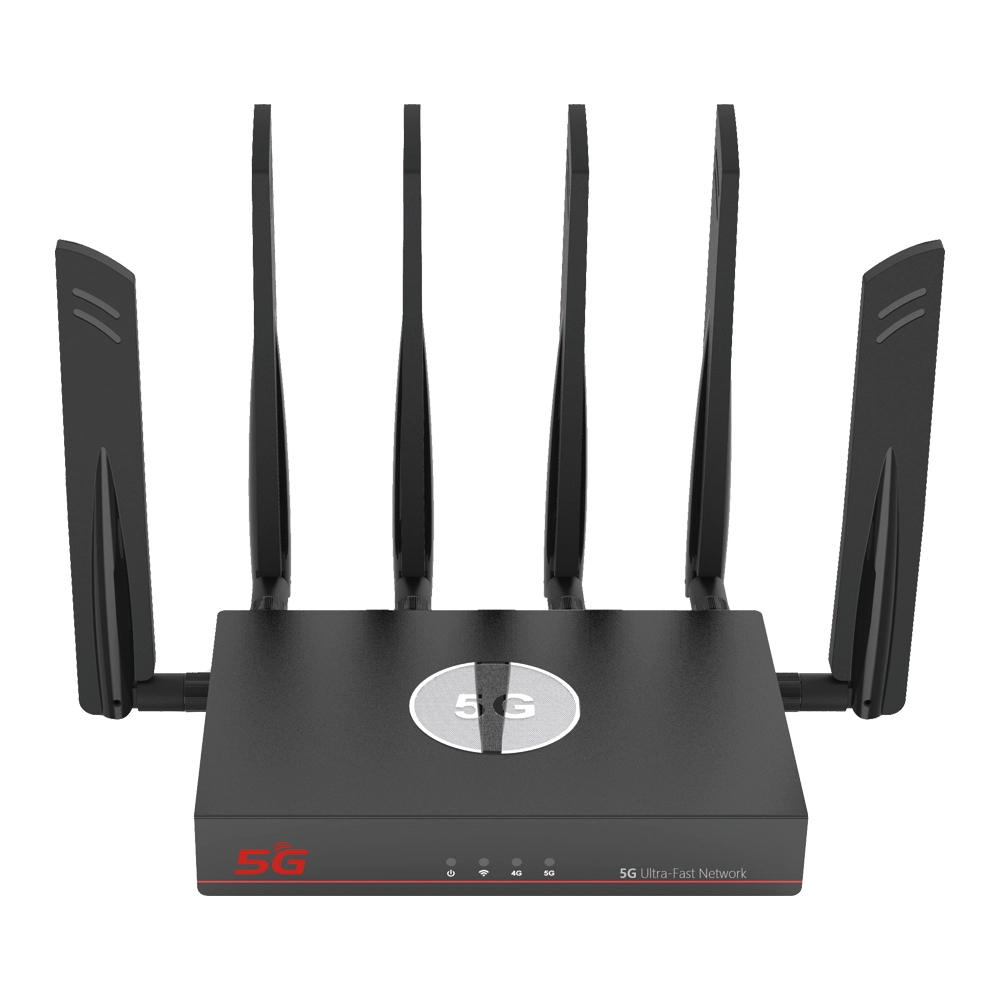
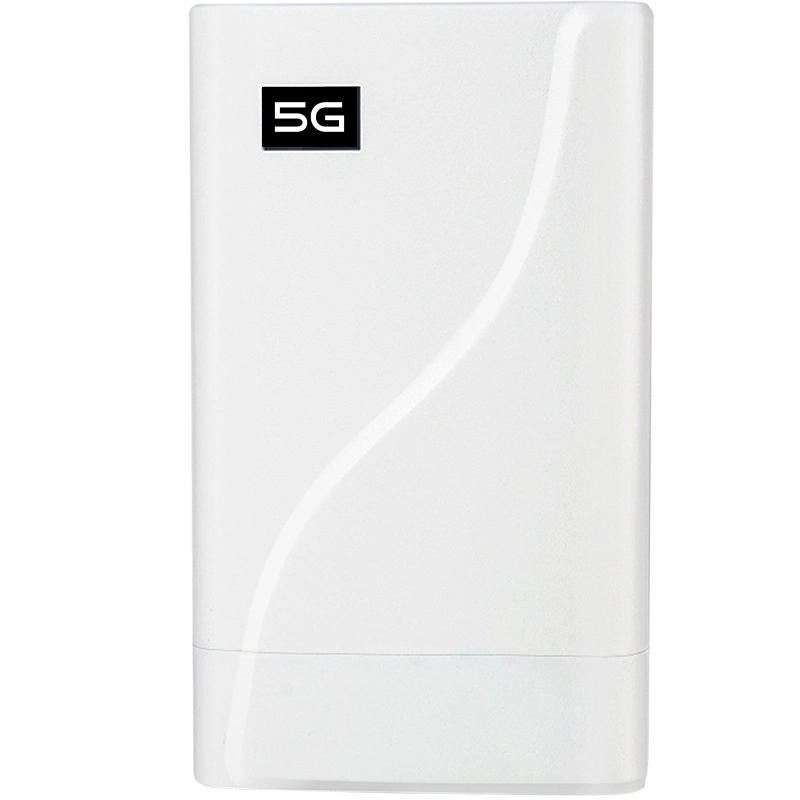
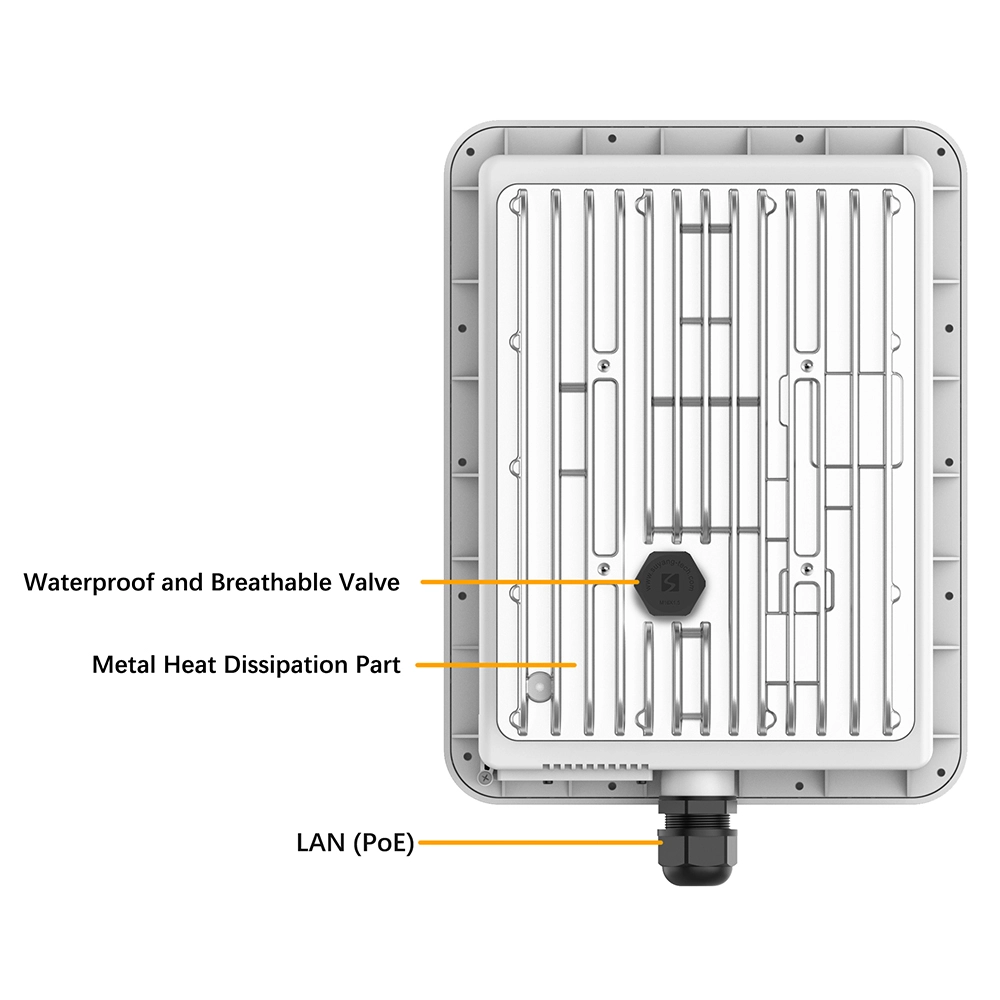
In today’s highly interconnected digital world, deployment density of network devices is increasing every day. From wireless access points in office corners to security cameras around buildings and various sensors in smart buildings, engineers and operations personnel face practical challenges in how to efficiently, neatly and safely power these devices. Traditional approach requires running separate power cables for each device, which not only increases cabling costs and installation complexity but also limits flexibility in device placement. Against this backdrop, Power over Ethernet (PoE) interface technology emerged and quickly became an indispensable part of modern network infrastructure. PoE is a technical standard that transmits power and data simultaneously over a single Ethernet cable. It greatly simplifies deployment of network devices by eliminating separate power cables and is widely used in wireless access points, network cameras, IoT terminals, outdoor 4g cpe, 5g cpe outdoor and smart office equipment.
Essence of PoE Interface: One Cable, Two Functions
PoE interface is a technology that allows both data signals and DC power to be transmitted simultaneously over a standard Ethernet cable (typically twisted pair cabling). This means that a PoE-enabled network device, such as switch or injector, can deliver electrical power to operate a device on the other end through a single network cable, no need for separate power outlet or adapter. The core appeal of this technology lies in its “two functions, one cable” approach, which fundamentally redefines the power supply model for low-power network devices.
Technological Evolution: From Early Solutions to International Standards
Development of PoE technology was not an overnight achievement. As early as the beginning of 21st century, some network equipment manufacturers introduced their proprietary solutions in attempt to supply power over network cables, but the lack of unified standard led to poor device compatibility, making market adoption difficult, when the Institute of Electrical and Electronics Engineers (IEEE) officially ratified 802.3af standard until 2003, PoE became widely recognized industrial standard. This standard specified that Power Sourcing Equipment (PSE) could provide up to 15.4 watts DC power, with Powered Devices (PDs) guaranteed up to 12.95 watts–sufficient to power VoIP phones and basic wireless access points of that era.
As device functionality grew more powerful, so did their power demands. For example, PTZ (pan-tilt-zoom) network cameras, high-performance multi-antenna wireless access points and large video phones required more power. In response, the IEEE introduced enhanced standard 802.3at in 2009, also known as PoE+, this standard increased power available to PDs to maximum of 25.5 watts, meeting the needs of more devices.
With emerging applications such as Internet of Things (IoT), digital signage and smart lighting, the demand for even higher power became urgent. IEEE 802.3bt standard was released in 2018, took PoE technology to new heights. This standard defines two new types: Type 3 which can provide up to 51 watts to PDs, and Type 4 reaches 71.3 watts, this makes it possible to power small LCD displays, high-performance thin clients, lightweight laptops, outdoor 4g cpe and 5g cpe outdoor, greatly expanding the application boundaries of PoE.
System Architecture Breakdown: PSE and PD
A complete PoE system consists of two main roles: Power Sourcing Equipment (PSE) and Powered Device (PD). PSE is the source of power which responsible for detecting, classifying and providing stable power to connected PD. The most common type of PSE is PoE switch, which integrates data switching with power delivery. Another common device is midspan injector, which can be inserted into the link between a non-PoE switch and a PD, injecting power into the line to upgrade non-PoE network.
PD are the recipients and users of power–network terminal devices that need electrical power. In order to receive power from network cable, PD must integrate PD mode internally or use an external splitter, this mode is responsible for receiving DC power from cable and convert it into the voltage required by the device’s internal circuit. A vast array of devices can be PDs, including network cameras, wireless access points, VoIP phones, outdoor 4g cpe, 5g cpe outdoor and IoT gateways.
Working Principle Explained: Detection, Classification and Protection
Operation of PoE involves intelligent and safe handshake protocol, not simply applying power directly. When a PSE starts up, it periodically sends low-voltage detection signal to its ports –this process called detection. The purpose is to check whether the device connected at the other end of the cable is a compliant PD, preventing power from being mistakenly supplied to incompatible devices and causing damage.
Once valid PD is detected, PSE will go into classification phase, it will measure electrical characteristics of the PD to determine its approximate power class. This process will help PSE to understand PD’s power requirements in advance, allowing it to allocate its own power budget wisely and avoid overloading when all ports are active.
After classification, PSE begin to power the PD, ramp the voltage up to the standard range of 44 to 57 volts DC. PSE will monitor the current continuously throughout power supply process, PSE will cut off power immediately to ensure system safety if the current draw is too low (e.g. device disconnected) or too high (e.g. short circuit), this end-to-end intelligent management is foundation for reliable PoE operation.
Detailed Look at Powering Modes: Four Options
How is electrical power transmitted over network cables primarily used for data? This relies on the wire pairs within the twisted pair cable that are not fully utilized by data signals, according to the standard, there are two main modes: Mode A and Mode B.
Mode A: Power is transmitted over the same wire pairs used for data (typically pairs 1-2 and 3-6). Data signals and DC power coexist on the same pairs, separated by frequency-based techniques to avoid interference.
Mode B: Power is transmitted over the spare wire pairs in the Ethernet cable (pairs 4-5 and 7-8). Earlier standards primarily supported these two modes.
For higher power requirements of 802.3bt standard, 4-Pair powering is introduced, which uses all four wire pairs simultaneously for power transmission. This significantly reduces current density and power loss over the cable, enabling higher power transmission over longer distances. PSE and PD will negotiate which powering mode to use automatically, no need for manual intervention.
Core Advantages: Why Choose PoE?
Reduce Deployment Cost Significantly: This is the primary advantage. By eliminating the need for separate power cables, outlets and associated conduit work, material and labor cost are reduced greatly, especially when retrofitting older buildings or deploying many terminals.
Unprecedented Deployment Flexibility: Devices are no longer tied to the location of power outlets. They can be installed in the most ideal positions, such as center-ceiling for optimal wireless coverage or on building exteriors for security cameras. This optimizes system performance and improves aesthetics by avoiding messy power cords.
Centralized Power and Management: A single managed PoE switch allows administrators to remotely monitor the power status of each port and even remotely reboot connected devices without needing to be on-site. This greatly simplifies operations and maintenance, improving fault response times. Furthermore, when connected to an Uninterruptible Power Supply (UPS), PoE can provide centralized backup power for critical network devices, enhancing system reliability.
Typical Application Scenarios: From Security to IoT
Video Surveillance: PoE has become standard powering method for HD IP cameras. Whether indoor dome cameras or outdoor PTZ cameras, a single cable handles video backhaul and power, simplifying mounting on poles or walls.
Wireless Networking: This is another major application. Enterprise-grade and home wireless access points widely adopt PoE, allowing convenient placement in hallways, central ceiling locations, or other optimal signal spots not need power access inside ceilings.
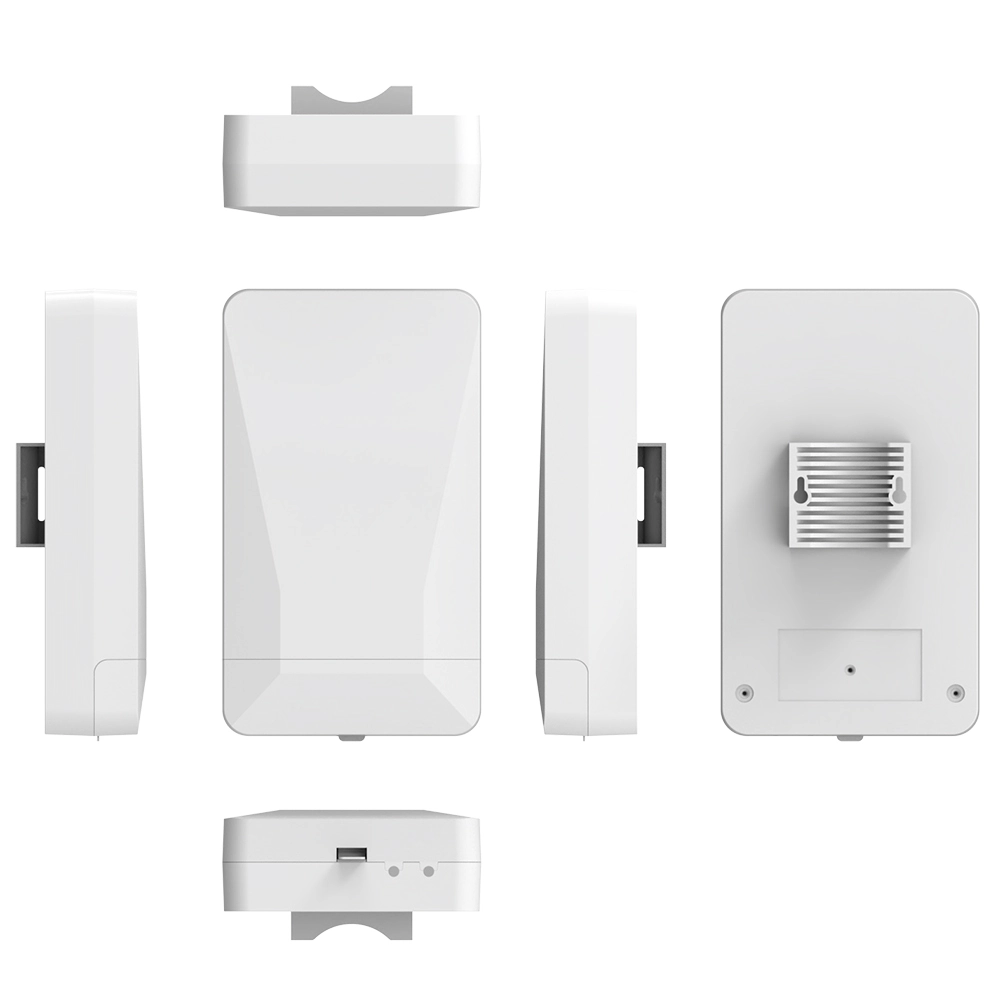
Modern Offices&IoT: outdoor 4g cpe, 5g cpe outdoor, VoIP phone, conference room system, door access reader and smart lighting fixture are increasingly using PoE, it is also a natural partner for IoT. Numerous low-power sensors, smart tags and environmental monitoring terminals can connect to the network directly and receive power via Ethernet, facilitating the construction of large-scale sensing networks.
Deployment Considerations: Planning and Precautions
Careful planning is crucial before actual deployment.
Power Budget Calculation: Accurately calculate the total maximum power consumption of all planned PDs and ensure the PSE’s total power budget has a sufficient margin, also verify per-port maximum output power meets the needs of specific high-power devices.
Cable Quality and Distance: Standard recommends Cat5e or higher-grade twisted pair cable. Voltage drop over the cable limits the maximum effective transmission distance to 100 meters. For longer distances or higher power, consider to use thicker-gauge cable or implement midspan power injection. For outdoor or harsh industrial environments, equipment and cables with appropriate Ingress Protection (IP) ratings must be considered.
Compatibility: While international standards need uniformity, some proprietary protocols or non-fully compliant devices may still exist in the market. When to select equipment, ensure that PSEs and PDs support the same standard and conduct necessary testing. For mission-critical devices, choose reputable brands and verify interoperability.
Security and Reliability Considerations
Safety is foundation for PoE design, intelligent detection mechanism effectively prevents accidental powering of non-PoE devices. PSEs typically incorporate robust circuit protection features like overcurrent, overvoltage, short-circuit and over-temperature protection. In high-security environments, data security must be considered also, ensuring PSE itself not become an entry point for network attacks.
Regarding reliability, centralized power is double-edged sword. On one hand, it simplifies backup power deployment. On the other hand, if a core PSE fails, it can potentially cripple many connected terminals. So for critical applications, try to use switches with redundant power supplies or even deploying a redundant PSE architecture. Good thermal design is also essential for long-term stable operation of PSEs.



What can we do for you?