
- Engaging Introduction
- Understanding the 5G SIM WiFi Router
- What Is It?
- How Is It Different?
- How It Works: The 5G-to-WiFi Translation
- Step-by-Step Breakdown
- Technical Specifications & Variations
- Key Specs
- Model Comparison
- Benefits & Productivity Boost
- Advanced Features & Use Cases
- Comparison to Alternatives
- Troubleshooting Common Issues
- FAQs
- Conclusion
Engaging Introduction
Imagine a world where your internet connection isn’t shackled to a cable or a fixed location. Enter the 5G SIM WiFi router—a device that acts as a “digital bridge,” seamlessly linking the blistering speed of 5G cellular networks to your local WiFi devices. Much like a universal translator, it converts 5G signals into a language your laptops, smart TVs, and IoT gadgets understand. While often overlooked in favor of traditional routers, this hybrid powerhouse is revolutionizing connectivity in remote offices, smart homes, and on-the-go setups.
Understanding the 5G SIM WiFi Router
What Is It?
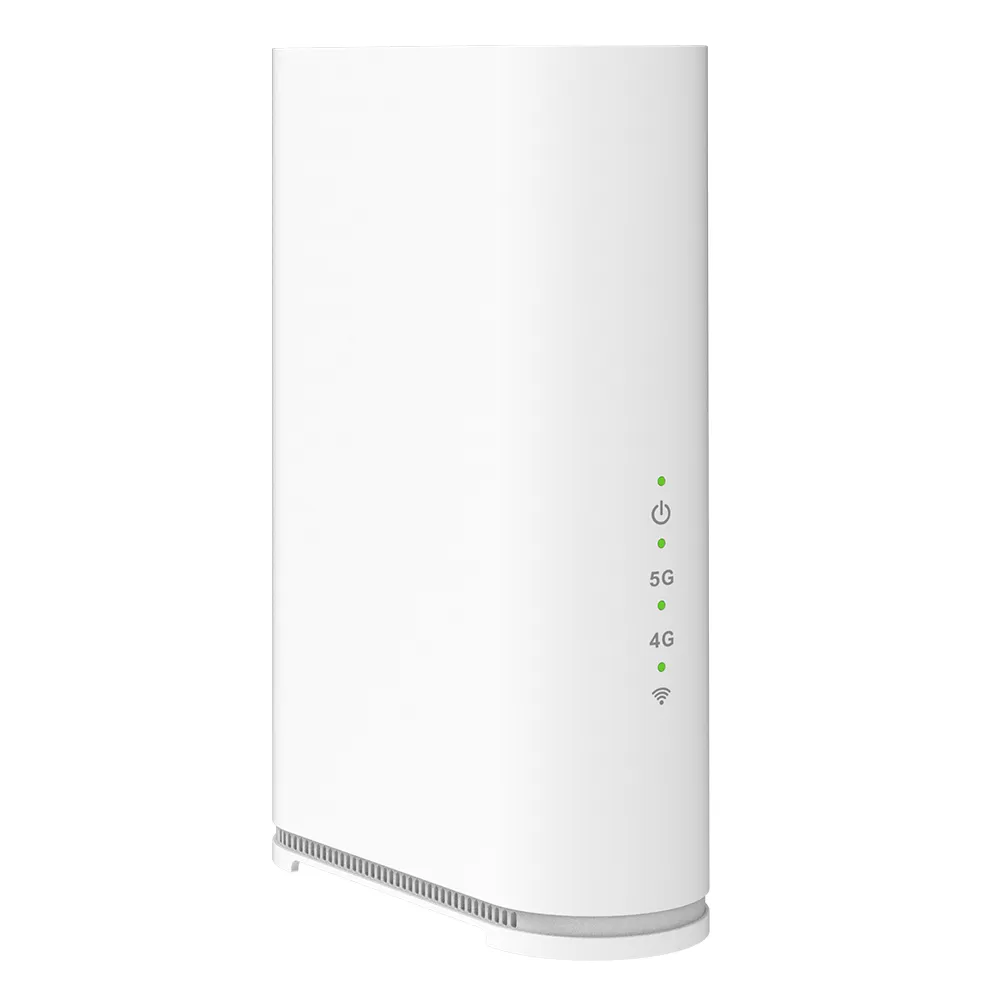
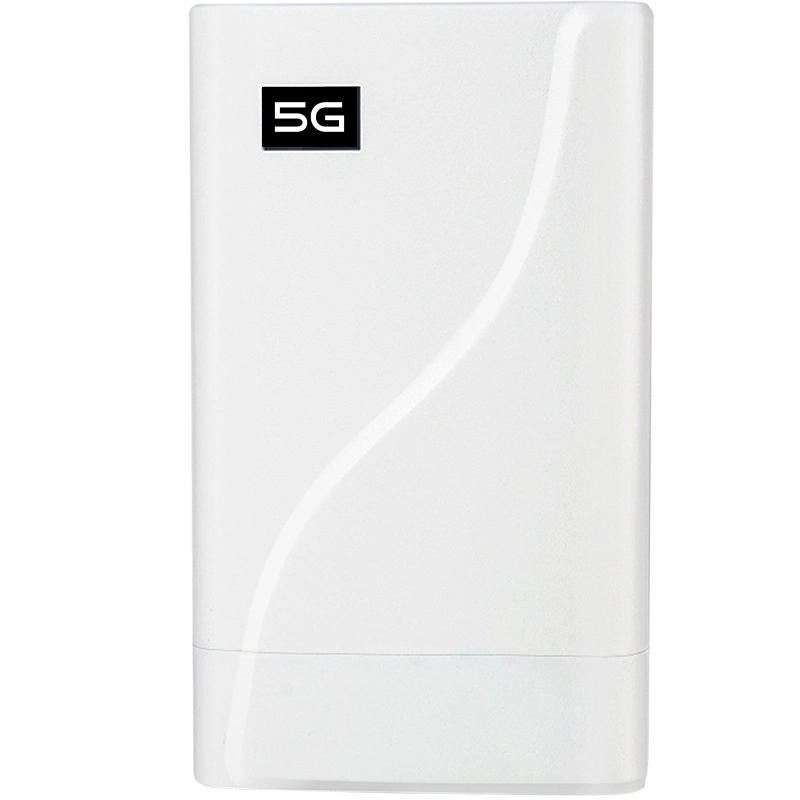
A 5G SIM WiFi router combines a 5G modem and a traditional wireless router into one device. Instead of relying on a fixed broadband line, it uses a SIM card (like your smartphone) to access 5G networks, broadcasting WiFi to multiple devices.
How Is It Different?
- Vs. Traditional Routers: Standard routers need a physical cable (e.g., fiber or DSL). A 5G SIM router is wireless-first, ideal for areas without infrastructure.
- Vs. Mobile Hotspots: Hotspots are portable but lack range, power, and multi-device support. A 5G SIM router offers enterprise-grade speeds and coverage.
Why It Matters: As 5G networks expand, this router future-proofs connectivity, offering gigabit speeds and low latency without geographic constraints.
How It Works: The 5G-to-WiFi Translation
Step-by-Step Breakdown
- Signal Reception: The router’s 5G modem connects to a cellular tower, much like a smartphone.
- Data Conversion: The modem translates 5G signals into internet data.
- WiFi Broadcast: A built-in router distributes this data via WiFi 6/6E or Ethernet.
- Device Connection: Your gadgets (phones, laptops) connect as if using traditional broadband.
Key Components:
- 5G Modem: Supports mmWave/sub-6 GHz bands for speed vs. coverage trade-offs.
- SIM Slot: Compatible with nano/micro SIMs (carrier-dependent).
- WiFi 6: Handles 50+ devices simultaneously with OFDMA technology.
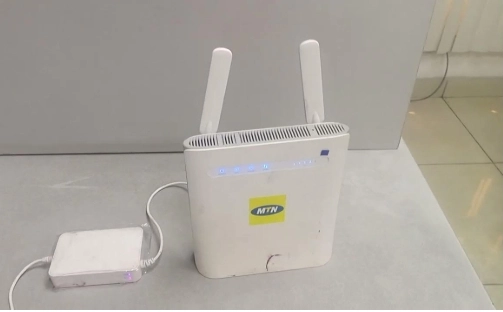
- External Antennas: Boost signal strength in weak areas.
Analogy: Think of it as a post office—the 5G network is the fleet of jets delivering parcels (data), and the router sorts and dispatches them to local homes (devices).
Technical Specifications & Variations
Key Specs
- Speed: Up to 4 Gbps (5G) + 9.6 Gbps (WiFi 6).
- Bands: Dual-band (2.4 GHz + 5 GHz) or tri-band (add 6 GHz for WiFi 6E).
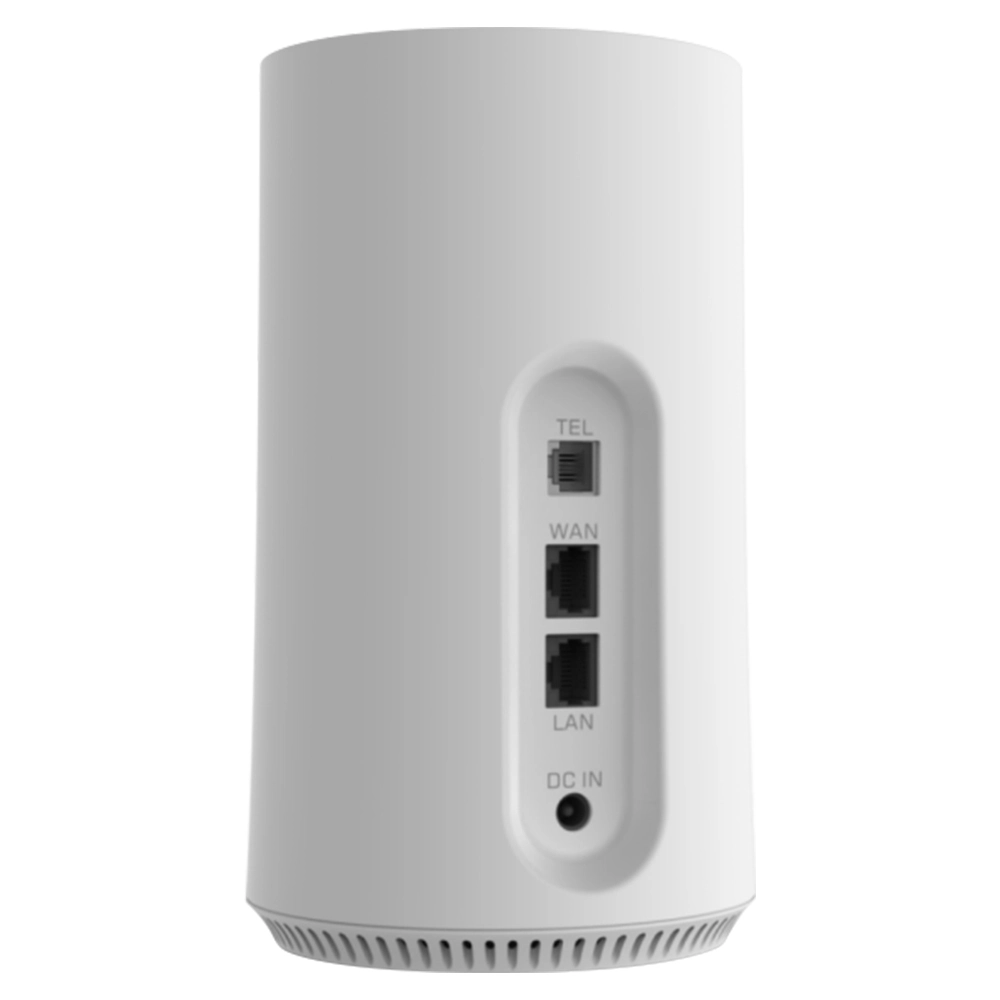
- Ports: Ethernet, USB-C for backups or external storage.
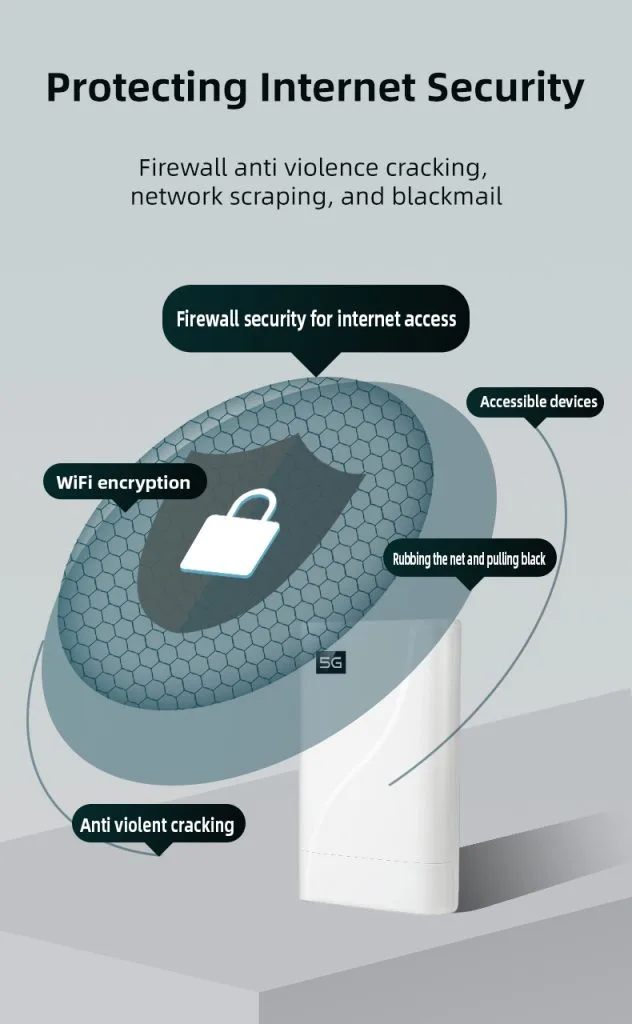
- Security: WPA3 encryption, VPN passthrough.
Model Comparison
| Type | Consumer Grade | Enterprise Grade |
|---|---|---|
| Use Case | Home/Remote Work | Offices, IoT Hubs |
| Features | Basic QoS, Parental Controls | VLANs, LTE/5G Failover |
| Capacity | 20-30 devices | 100+ devices |
Benefits & Productivity Boost
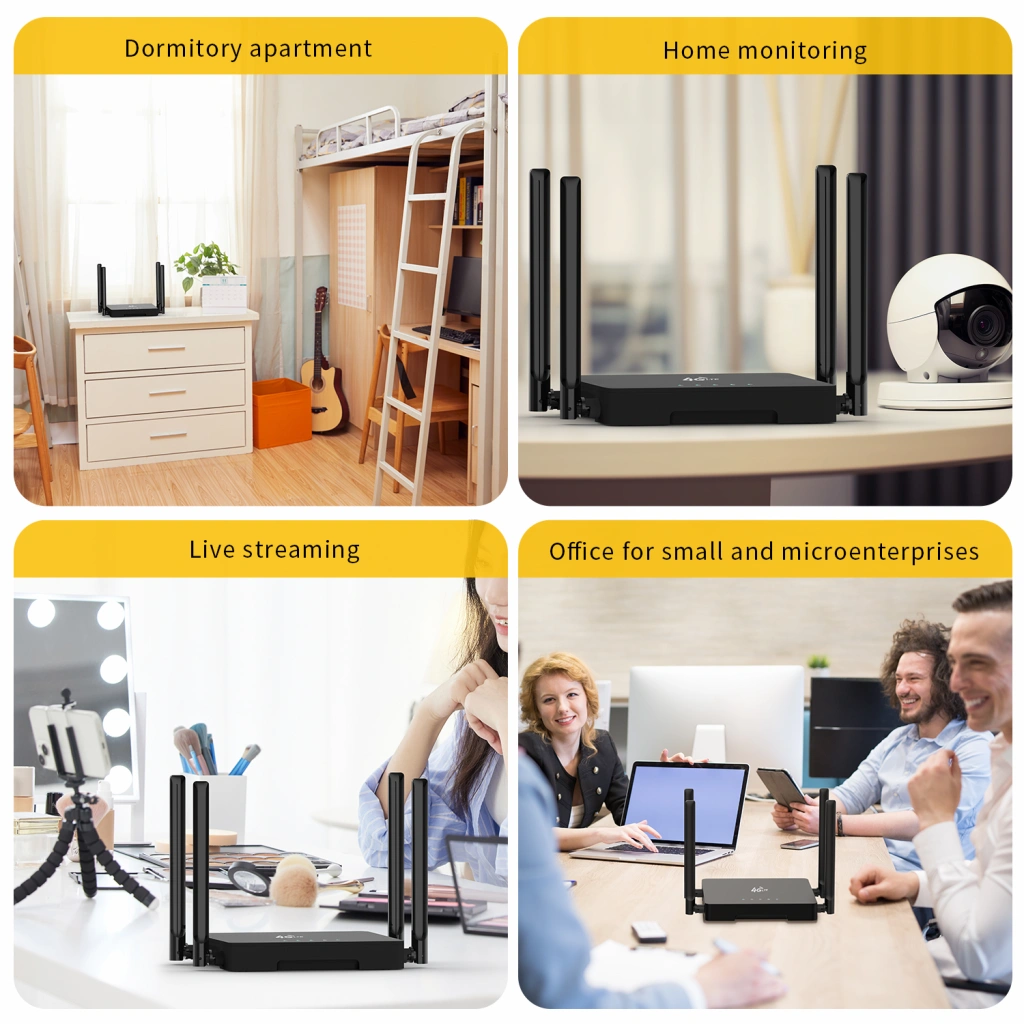
- Flexibility: Deploy internet in minutes at construction sites, events, or rural homes.
- Cost Savings: Eliminate costly broadband installations.
- Performance: Stream 4K video on 10 devices without buffering.
- Future-Ready: Supports IoT expansion (e.g., 50+ smart sensors in a factory).
Real-World Impact: A retail pop-up store reduced downtime by 70% using a 5G SIM router versus relying on public WiFi.
Advanced Features & Use Cases
- Network Slicing: Prioritize video calls over social media traffic.
- IoT Integration: Manage smart city sensors (e.g., traffic lights, air quality monitors).
- Failover Mode: Automatically switches to 4G if 5G drops—critical for hospitals.
Example: A film crew in the Sahara streams daily rushes via a solar-powered 5G SIM router.
Comparison to Alternatives
| Feature | 5G SIM Router | Mobile Hotspot | Traditional Router |
|---|---|---|---|
| Speed | ⚡⚡⚡⚡⚡ | ⚡⚡ | ⚡⚡⚡⚡ (depends on broadband) |
| Mobility | High (no cables) | Ultra-portable | None |
| Device Support | 50+ | 5-10 | 30-50 |
Troubleshooting Common Issues
- Weak Signal: Reposition the router near a window; add external antennas.
- SIM Not Detected: Ensure carrier compatibility; clean the SIM slot.
- Overheating: Avoid stacking devices; use a cooling pad.
- Slow Speeds: Check for carrier throttling; upgrade to a WiFi 6 model.
FAQs
Q: Will it work with any carrier?
A: Most routers are carrier-locked; choose an unlocked model for flexibility.
Q: How does it differ from a 4G router?
A: 5G offers 10x faster speeds and lower latency, ideal for VR/cloud gaming.
Q: Can I use it in a moving vehicle?
A: Yes! Some models support mobility (e.g., RV setups).
Q: Is it secure for banking?
A: Yes, with WPA3 and VPN support, it’s as safe as wired broadband.
Q: What if 5G coverage is spotty?
A: Opt for a dual-SIM model with 4G/5G fallback.
Conclusion
The 5G SIM WiFi router isn’t just a gadget—it’s a connectivity revolution. As 5G towers multiply and smart cities rise, this device will be the backbone of agile homes and businesses. Whether you’re a digital nomad or a tech-driven enterprise, the future of internet access is wireless, fast, and fiercely adaptable.


What can we do for you?