
Unplanned network downtime costs global enterprises an average of $5,600 per minute, with nearly 42% of multi-site connectivity failures originating from low-spec hardware deployed in critical branch environments. When procurement managers, regional ISPs, and system integrators search for the best router for business operations, they quickly learn that consumer-grade Wi-Fi speeds mean nothing if the hardware freezes under heavy thermal load or drops connection during carrier switching. Securing reliable enterprise connectivity requires industrial-grade engineering, strict quality management, and a transparent hardware partner capable of backing high-density data traffic without interruption.
Connecting remote utility sites, outdoor security surveillance systems, or temporary branch offices demands hardware that operates continuously without physical reset dispatches. The best router for business infrastructure incorporates an independent hardware watchdog alongside active dual-SIM failover protocols. When a primary cellular carrier experiences signal degradation or tower maintenance, the internal system automatically detects packet loss and switches connection priority to a backup SIM within seconds, preserving database synchronization and encrypted VPN tunnels. Multi-gigabit Ethernet interfaces, heavy-duty surge protection, and hardware-accelerated VPN processors ensure that high-velocity data flows smoothly across public cellular towers without creating internal network bottlenecks.
Sourcing Directly from an Experienced Router Manufacturer vs. Trading Vendors
Selecting the right commercial supplier determines whether an international project delivers on schedule or stumbles into ongoing maintenance hurdles. Overseas buyers often face a crowded marketplace where generic trading intermediaries mark up unit costs while offering zero technical control over software stacks or hardware components.
Working directly with a specialized router manufacturer eliminates these vulnerabilities at the source. Facilities equipped with in-house SMT (Surface Mount Technology) assembly lines and dedicated R&D engineering teams oversee every stage of circuit placement, thermal testing, and firmware calibration. Partnering directly with an R&D-driven router manufacturer boasting over a decade of wireless experience cuts field hardware defect rates by up to 35% while eliminating middleman price markups. By maintaining complete oversight across the entire manufacturing cycle, direct hardware suppliers consistently achieve a first-pass yield rate 30% higher than standard market benchmarks, ensuring that every shipped unit arrives ready for immediate deployment.
The reference table below highlights the operational differences that separate direct manufacturing partners from generic trading channels when sourcing enterprise networking equipment:
| Evaluation Metric | Generic Trading Intermediate / Retail Supplier | Direct R&D Router Manufacturer (Junhaoyue) | Direct B2B Business Value |
| Quality Control Standards | Batch sampling with variable defect rates | In-house SMT lines with 30% higher first-pass yield | Eliminates site dispatch expenses and eradicates early field hardware failures |
| Firmware Customization | Locked, unmodifiable consumer firmware | Deep OEM/ODM flexibility (APN, Band Lock, Web UI) | Empowers ISPs and integrators to deploy branded, locked-in ecosystem solutions |
| Operating Temperature Range | Standard plastic casing (0°C to 40°C) | Heavy-duty metal / IP67 outdoor housing (-20°C to +70°C) | Guarantees continuous uptime across harsh outdoor, mining, or fleet environments |
| Centralized Fleet Provisioning | Basic local web page configuration | Full TR-069 / TR-181 centralized management | Enables IT divisions to remotely push patches and manage thousands of global nodes |
Tailored OEM Customization and Global Band Adaptability for B2B Projects
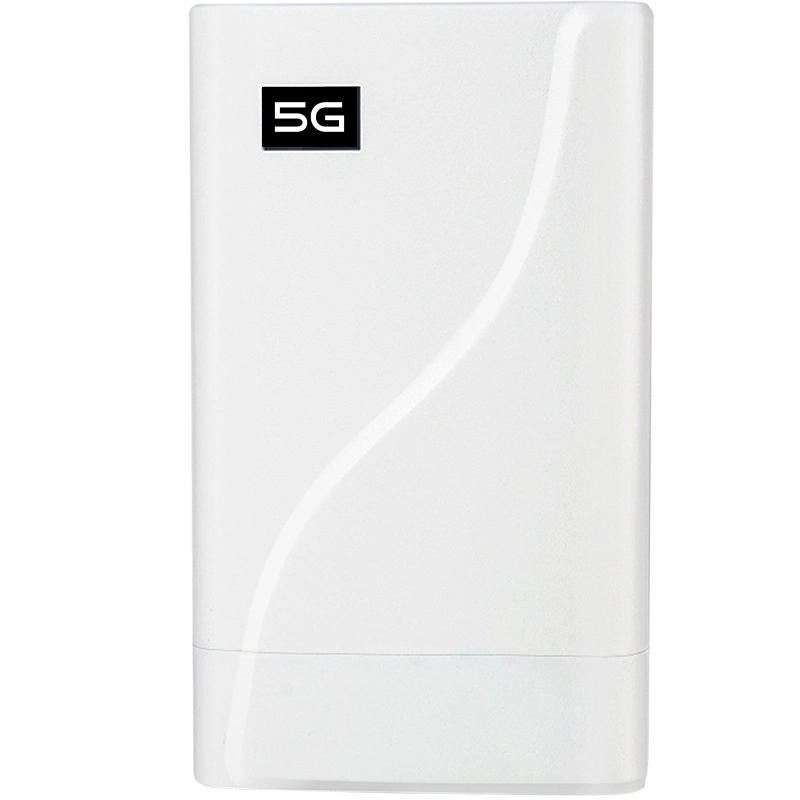
International enterprise projects frequently encounter complex radio frequency fragmentation across different continents. A 5G cellular router deployed across European logistics centers uses fundamentally different Sub-6GHz spectrum blocks than hardware installed across Latin America, Southeast Asia, or Australia. A seasoned router company solves this fragmentation by integrating global band support and 4×4 MIMO antenna configurations directly into its hardware platform, allowing a single equipment SKU to operate seamlessly across international carrier networks.
Furthermore, direct manufacturing control enables deep software and physical customizations that empower regional distributors and ISPs to build brand equity in local markets. A dedicated router manufacturer can modify the core firmware before shipment to lock onto specific private 5G or CBRS frequency bands, customize the Web UI dashboard with local branding, pre-configure carrier APN parameters for instant zero-touch setup, and embed digital eSIM chips directly onto the motherboard to prevent physical SIM theft in unmonitored outdoor installations.
Key Evaluation Criteria for Large-Scale Hardware Rollouts
Before issuing purchase orders for global network deployments, procurement officers should verify four essential capabilities with their prospective hardware partner:
- System Autonomy: Confirm that the hardware architecture integrates an independent hardware watchdog and auto-healing failover algorithms to maintain connection stability during carrier outages.
- Centralized Remote Management: Ensure full compliance with TR-069 and TR-181 standards, allowing central IT teams to monitor real-time signal diagnostics, push security patches, and alter network profiles across thousands of overseas locations.
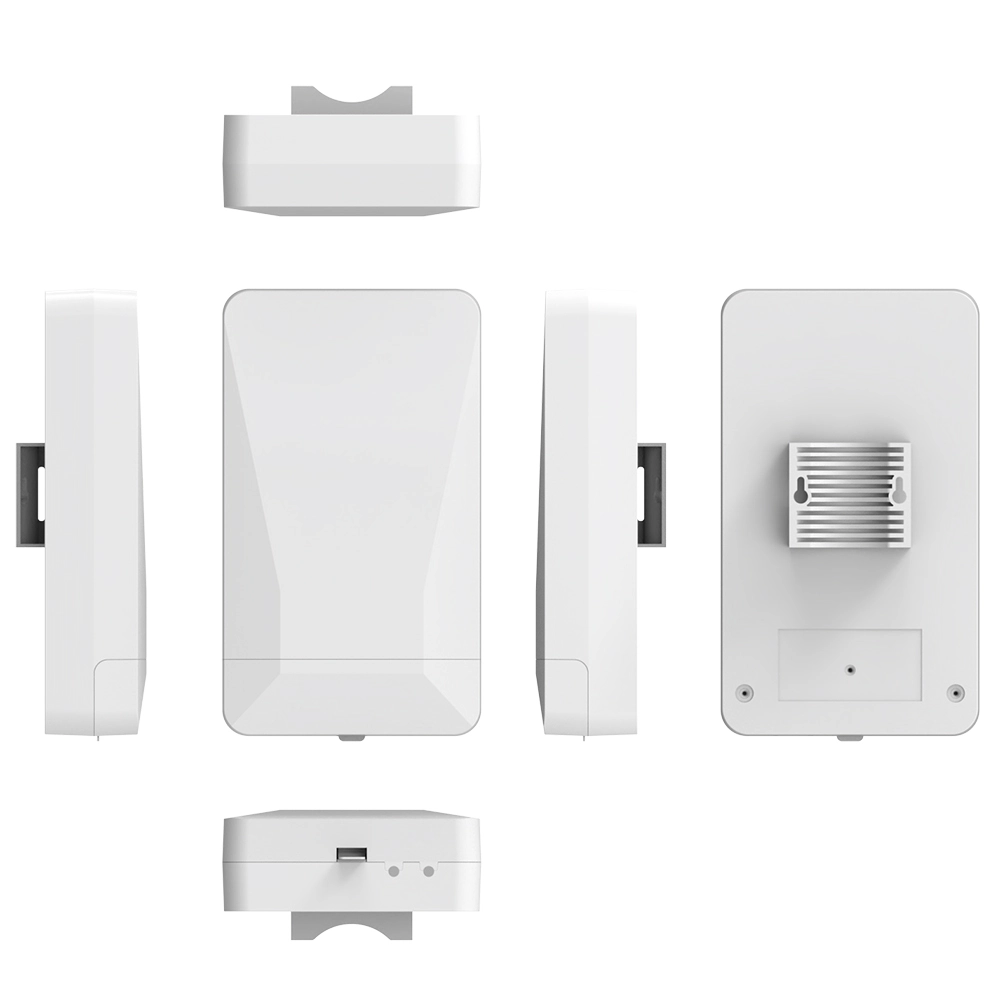
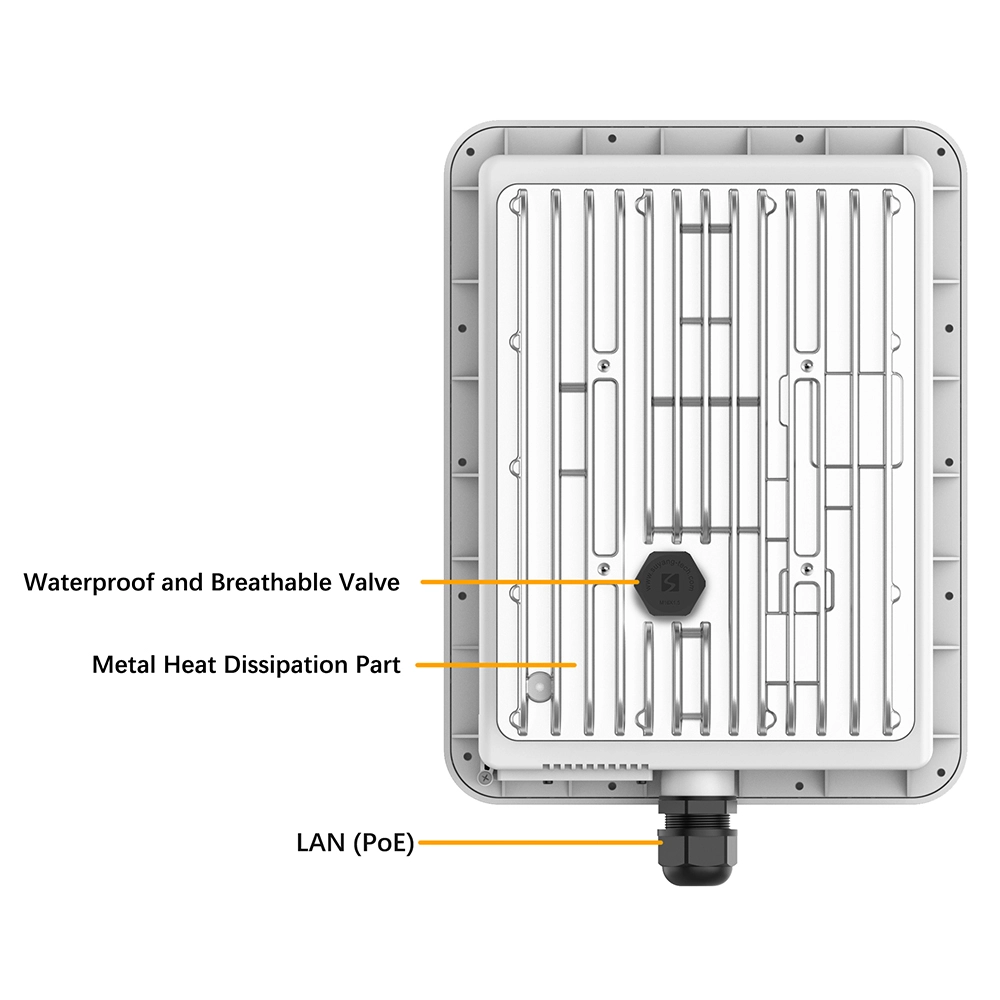
- Rugged Physical Protection: Verify certified IP66/IP67 ingress ratings and PoE (Power over Ethernet) support for outdoor models, eliminating the need for separate electrical wiring to elevated mounting poles.
- Transparent Engineering Support: Partner with a supplier that maintains 24/7 technical assistance and flexible MOQ policies, ensuring seamless sample testing, rapid hardware customization, and long-term supply stability for growing enterprise networks.


What can we do for you?