
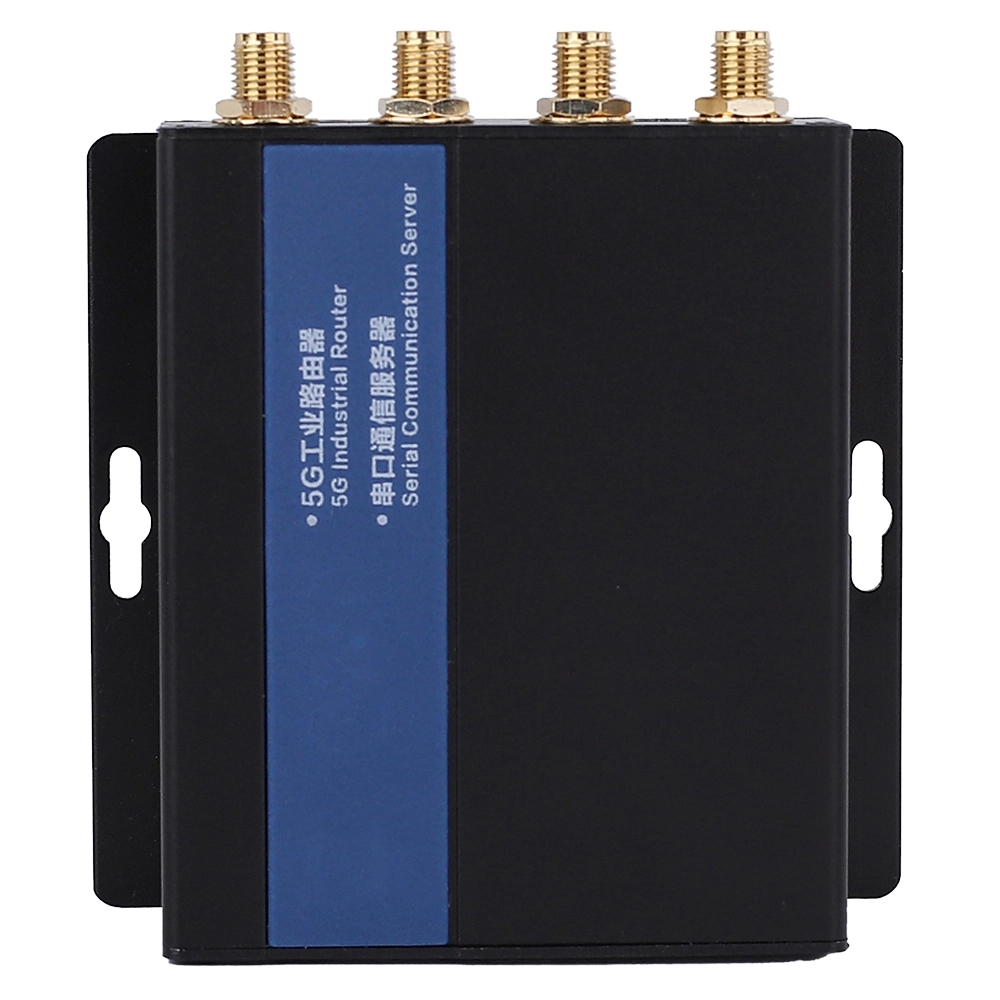
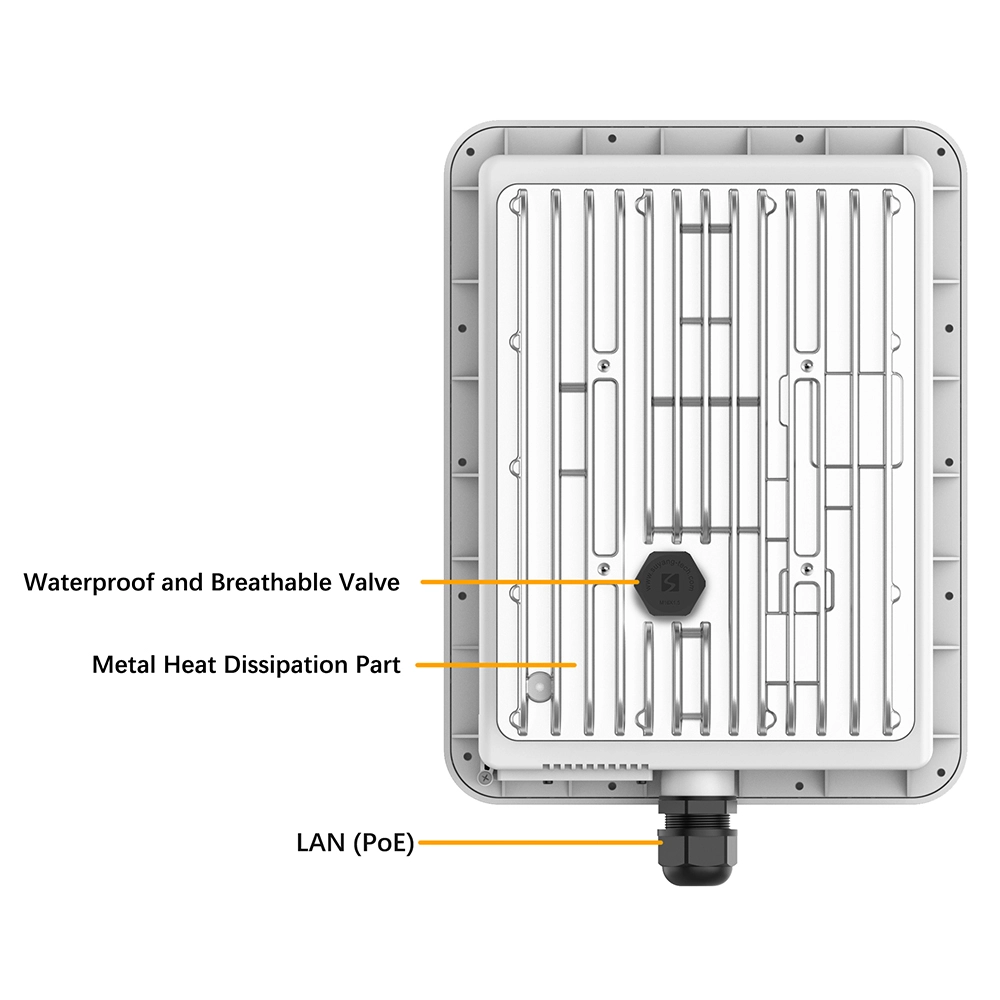
When we move into a new home or use a new wifi router sim 5g, we often hear professional advice: “Make sure the grounding is good.” The seemingly redundant third prong on the wall socket, or the yellow-and-green striped wire attached to the metal case of wifi router sim 5g–that is grounding wire (or earth wire). Grounding wire is a critical safety barrier in any electrical system, its core mission is to protect life and property. This wire isn’t for decoration, it is silent guardian of modern electrical safety. It creates an invisible line of defense, quietly channeling lethal hazards lurking beneath metal surfaces into the vast and receptive earth, so as to prevent electric shock, avoid fires and protect equipment.
1.Cornerstone of Electrical Safety: Understanding the Concept of “Ground”
In electrical engineering, “ground” or “earth” is not just the soil beneath our feet. It is a reference point for electric potential, defined as zero potential. Theoretically, the earth has infinite capacity to absorb or release charge without significant change in its own potential. Grounding means create a reliable electrical connection between certain parts of an electrical device (typically its metal casing or a point in the circuit) and this zero-potential point via a conductor. This connection is grounding system, the specific wire is grounding wire. National standards such as “Types and Safety Technical Requirements for System Grounding,” provide strict definitions and specifications for this.
2.Core Mission: Prevent Electric Shock Accidents
This is the most fundamental and primary duty of grounding wire. Inside an appliance, due to aging, dampness, damage or foreign objects, live conductor (commonly known as hot wire) can come into contact with metal casing–a fault known as leakage or fault to case. At this moment, the metal casing becomes energized with dangerous high voltage.
Without grounding: If a person touches the live casing, current will flow directly through their body to the earth, create a circuit and cause an electric shock. The consequences are dire.
With proper grounding: The situation is completely different. The grounding wire provides a path for the fault current that has significantly lower resistance than human body. When leakage occurs, current preferentially flows through this low-resistance path (grounding wire) and is rapidly discharged into the earth. As most of the current is shunted away, the voltage on the casing drops dramatically to a safe level. Even if a person touches the casing, the current passing through their body is negligible and harmless. This is like opening a spillway for a raging flood, protect the main city (human body).
3.Ensure System Stability: Provide a Path for Fault Current
Grounding wire isn’t only a protector for people but also a “pressure relief valve” for electrical system itself. In the event of a fault to the casing or a direct line-to-ground fault, a massive short-circuit current will appear at the fault point, existence of grounding wire ensures this current path is well-defined and low-impedance. The powerful short-circuit current will trigger upstream protective devices (like circuit breakers or fuses) very fast to cause them to trip and cut off the power within very short time(typically fractions of a second), thus eliminate fault point and prevent escalation. If without grounding wire, or with poor grounding, the fault current might not reach threshold needed to activate the protective device, or it might find other unpredictable paths such as through building structures, leading to a persistent and hazardous fault.
4.Defend Against Fire Risk: Eliminate Abnormal Heat and Arc
Electrical fire is a common and major cause of accidents, poor or missing grounding is a significant contributing factor. When a device leaks current and grounding is ineffective, the fault point can generate sustained arcs or localized heat. Arc temperature is extremely high, sufficient to ignite nearby insulation, dust or flammable materials. Simultaneously, fault current flowing through unintended paths (like pipes or structural frames) can create heat due to high contact resistance, potentially cause a fire over time. Reliable grounding ensures fault current is quickly guided and interrupted, fundamentally removing the source of sustained arcing and abnormal heat–a key aspect of preventing electrical fires.
5.Protect Sensitive Equipment: Maintaining a “Zero Potential” Reference
In modern electronic devices, especially computers, communication equipment, wifi router sim 5g and precision instruments, grounding wire plays a more refined role, these devices contain many integrated circuits and digital signals that are extremely sensitive to voltage fluctuations. A stable, “clean” ground potential serves as the common reference point for all circuitry. Proper grounding provides a path for internal interference currents (like high-frequency noise from switching power supplies) to be shunted away, prevent noise from coupling into circuits and affect signal integrity and operational stability. It’s like the tuning note for an orchestra, ensure all instruments (circuit modules) play in harmony on the same reference pitch.
6.Defend Against Lightning Strikes: Channeling Massive Energy into the Earth
Lightning protection grounding is a crucial branch of the grounding system. A lightning strike releases enormous electrical energy in an instant. After a building’s lightning protection system (rods, strips or nets) intercepts a strike, it must safely conduct the extremely high current (hundreds of thousands of amperes) into the earth via highly reliable down conductors and grounding electrodes. If the ground resistance is too high or the grounding electrode is faulty, the lightning current may not enter the earth smoothly. Instead, it can create dangerous step voltages, touch voltages or induced overvoltages inside the building, cause secondary harm to people and equipment. Therefore, a properly designed lightning protection grounding system is a lifeline for a building against direct and indirect lightning effects.
7.Suppress Static Charge Accumulation: Prevent Disasters in Flammable/Explosive Environments
In environments such as oil, chemical and dust processing plants, a static spark can be the trigger to ignite an explosive mixture. During production, material flow, friction and separation readily generate and accumulate static electricity. By reliably grounding equipment, pipes and tanks etc., a continuous path for static charge to dissipate is provided, prevent it from accumulating to potential capable of producing a dangerous spark. Grounding requirements here are typically more stringent, require extremely low contact resistance at connection points and formation of a complete conductive network.
8.Achieve Equipotential Bonding: Eliminate Dangerous Voltage Differences
In modern building electrical safety, the concept of “equipotential bonding” works hand-in-hand with grounding. The practice involves connecting all conductive exposed parts within a building (e.g. metal water pipes, heating pipes or building reinforcement bars) together with the protective grounding conductors, then connect them to the main grounding bus. The goal is to bring entire building to (or near) the same electrical potential, even if an external fault voltage is introduced (e.g. from lightning strike or power system fault), because all metal parts rise in potential simultaneously, no dangerous potential difference exists between them, so can prevent electric shock for someone touch two different metal parts at the same time.
9.Foundation for Effective Operation of Protective Devices
The widely used Residual Current Device (RCD, or ground fault circuit interrupter/GFCI) in homes depends heavily on proper grounding system for its correct operation. An RCD works by detecting an imbalance between current flow out and return via the live and neutral wires. When a device leaks current, some current flows away through grounding wire instead of returning on the neutral, break the balance–the RCD trips. If grounding wire is missing or broken, fault current cannot form an effective return path during leak, and RCD may not detect the imbalance that lead to failure and loss of protection. Thus, grounding wire provides the physical path necessary for RCD functionality.
10.Respond to Power System Anomalies: Reduce Touch and Step Voltages
When high-voltage transmission line breaks and falls to the ground, or ground fault occurs at a substation, the earth potential around the fault point distributes in a gradient from the center outwards. A well-designed grounding system (e.g. a grounding grid within a substation) can flatten this potential gradient, significantly reduce “touch voltage” (the voltage between standing point and touched device) and “step voltage” (the voltage between a person’s two feet). This provides safety buffers for people in fault zone and buys time for repairs.
11.Meet Mandatory Regulatory and Standard Requirements
Grounding is not optional, it is a mandatory requirement of electrical safety codes and standards worldwide. Chinese national standards such as “Code for Design of Low Voltage Electrical Installations,” “Code for Design of Lightning Protection of Buildings” and “Code for Design of Residential Buildings,” clearly specify grounding requirements for various locations and equipment types. These regulations represent lessons learnt from countless safety incidents and are bottom lines that must be observed in electrical design and installation. Neglect grounding is not just technical oversight, it can also constitute legal liability.
12.Adapt to Diverse Electrical Environment Needs
Electrical environments vary dramatically, from dry indoors to damp bathrooms and kitchens, from ordinary homes to dusty factories and medical facilities. Damp environments drastically lower human body resistance, increase shock hazards. Medical devices connect directly to patients, demand extremely strict leakage current limits. Industrial environments are complex with many sources of interference. In these special settings, grounding system designs often have higher requirements (e.g. local equipotential bonding in bathrooms or medical IT systems with dedicated grounding). Grounding wire is the bedrock to meet these specialized safety needs.
13.Correct Common Misunderstandions and Improper Practices
In practice, many misunderstandings for grounding exist. For example, improperly connect grounding wire to water or gas pipe is extremely dangerous; pipe corrosion can render the ground ineffective, and it will bring hazardous voltages into the building’s entire utility piping system. Another myth is believe RCD makes grounding wire unnecessary, they are complementary in reality but not substitutes. Another dangerous practice is “bootleg grounding” (connect ground terminal to neutral terminal). While this might seem fine under normal conditions, if neutral line opens, the device casing becomes directly connected to live voltage, lead to tragedy. These misconceptions highlight the importance of popularizing correct grounding knowledge.
14.Measure Grounding Effectiveness: Ground Resistance
The key quantitative indicator of grounding effectiveness is “ground resistance” (earth resistance). This resistance between grounding electrode and distant earth, the lower the resistance the more easily current can flow into the earth, and the better the grounding. Different applications have specific requirements for ground resistance, for instance, independent lightning protection systems typically require less than 10 ohms. Ground resistance is not static, it changes due to factors like soil moisture, chemical composition and electrode corrosion, make periodic testing is essential.
15.From Design to Maintenance: Lifecycle ManagementA reliable grounding system requires careful management throughout its entire lifecycle: design, material selection, construction, acceptance testing and ongoing maintenance. Design involves calculation and planning. Materials require corrosion-resistant galvanized steel or copper. Construction demands quality welds or crimps and adequate burial depth. Acceptance testing must verify ground resistance. Ongoing maintenance involves preventing physical damage or high-resistance connections in the grounding path. Negligence at any single point can render the entire safety defense useless.
16.New Challenges and Growing Importance in the Intelligent Era
With proliferation of Internet of Things (IoT) and smart homes, the number of electronic devices in homes has exploded, make electromagnetic interference (EMI) issues among devices more prominent. Furthermore, distributed renewable energy sources (like residential solar photovoltaics) connect to the grid bring new grounding and equipotentiality challenges. A well-designed, low-impedance grounding network plays a more fundamental and critical role than ever to ensure stable operation of these smart devices, reliable data transmission and overall safety of the home energy system. It is not only a safety defense line but also a quality assurance line for digital life in the information age.
Conclusion
In summary, this seemingly simple wire–grounding wire–embodies the core philosophy of electrical safety: proactive defense, provide a path and rapid fault clearance. It works silently, neutralizing danger before it can be perceived. Understand it, value it, correctly install and maintain it represents a fundamental act of responsibility and respect for our own lives and property. In the electrical world, grounding wire is unignorable lifeline.











What can we do for you?