
In the world of wireless communication, antenna plays vital role as bridge to connect invisible electromagnetic waves and tangible electronic devices. When discussing antenna performance, a core concept that cannot be avoided is “gain.” Antenna gain is a key parameter that measures combination of directional concentration and energy conversion efficiency, typically expressed in decibels. It describes the relative improvement in an antenna’s ability to radiate or receive electromagnetic waves in specific direction compared to an ideal reference antenna. The level of gain directly affects a communication system’s coverage, signal quality and anti-interference capability, it is critical factor in antenna design and selection.
Basic Definition and Common Misconceptions
First, a common misconception must be clarified: Antenna gain does not mean antenna actively boosts signal power like an amplifier. According to authoritative definitions from bodies like the International Telecommunication Union (ITU), antenna gain describes comparative performance in directivity. Under same input power, it is the ratio of radiation intensity of actual antenna in specific spatial direction to that of hypothetical, ideal point source that radiates uniformly in all directions (called an isotropic radiator). In short, gain measures antenna’s ability to concentrate energy for radiation towards, or preferentially receive signals from particular direction, this effect of “concentration” makes signal appear “enhanced” at receiver.
Physical Essence of Gain: Energy Redistribution
Antenna gain originates from redistribution of electromagnetic wave energy by antenna’s physical structure. An isotropic radiator spreads energy evenly across spherical space, much like a bare light bulb emitting light in all directions. However, actual antennas such as common rod antennas or dish-shaped parabolic antennas, use their specific geometry and electromagnetic design to spread more energy towards one or more specific directions while reducing radiation elsewhere, this like to add reflector or lampshade to light bulb to concentrate light into a beam. In the direction of that beam, the intensity (equivalent to radiation intensity) naturally exceeds what the bulb would produce in that direction without reflector. This process does not create new energy, it merely redistribute energy’s spatial pattern.
Core Unit of Measurement: Decibel
Gain is a ratio, typically expressed using logarithmic unit “decibel,” denoted as dBi (decibels relative to an isotropic radiator). Using decibels offers several advantages: it compresses vast numerical ranges into manageable figures; it aligns with logarithmic response of human senses to signal strength; and crucially, when calculate total gain or loss of a multi-stage system such as transmitter, cable and antenna, decibel values can be directly added or subtracted, simplify engineering calculations greatly. For example, an antenna with gain of 3 dBi means its power density in the direction of maximum radiation is twice that of an isotropic antenna; gain of 10 dBi corresponds to tenfold increase.
Close Relationship Between Gain and Radiation Pattern
Gain cannot be understood in isolation from antenna’s radiation pattern. Radiation pattern is a three-dimensional spatial graph show relative intensity of antenna’s radiated energy in different directions. Gain value typically refers to gain in the direction of the pattern’s main lobe (the most concentrated beam of energy). High-gain antenna usually has very narrow and sharp main lobe, indicate highly concentrated energy. Conversely, low-gain antenna has broader, blunter pattern and often approach a sphere. So gain and beamwidth (width of the main lobe) are often a trade-off: the higher the gain, the narrower the beam and the smaller the angular coverage.
Variety of Reference Standards
While isotropic radiator is the most theoretical and common reference, in specific fields like MF and HF communications, half-wave dipole antenna is often used as reference. In this case, gain unit is denoted as dBd (decibels relative to a dipole). Since an ideal half-wave dipole antenna itself has directional gain of approximately 2.15 dBi, a gain value expressed in dBd plus 2.15 dB converts to the value in dBi. When reviewing antenna specifications, it’s crucial to identify which reference standard the gain is based on.
Key Factors Affect Antenna Gain
Antenna gain is primarily determined by its physical dimensions, shape and operating frequency. Generally, at a given frequency, the larger the antenna’s electrical size (i.e. its physical size relative to wavelength) the higher potential gain. For example, the gain of a parabolic reflector antenna is proportional to its aperture area and inversely proportional to the square of the wavelength – which is why satellite receive dishes need to be relatively large to capture weak satellite signals. Furthermore, antenna designs like Yagi antennas, helical antennas and array antennas all employ specific structures to achieve high-gain radiation patterns.
Relationship Between Gain and Efficiency
Efficiency is another important parameter, it is the ratio of power radiated by antenna to power input at its terminals, remaining power is lost as heat or other forms. Total gain of an antenna can be thought as its directive gain and its radiation efficiency (in logarithmic domain, this corresponds to addition). A well-designed high-gain antenna typically also strives for high radiation efficiency to ensure most input energy is effectively converted into radiated waves, rather than wasted.
Core Role in Transmitting Systems
On transmitting side, high-gain antenna allows concentration of limited transmitter power towards target area. This is crucial for applications require long-distance communication, point-to-point microwave links, satellite uplinks or radar detection. Use high-gain transmitting antenna can significantly increase signal strength in desired direction and not increase transmitter power (which often entails higher costs and stricter regulatory limits), thereby extend communication range or improve detection accuracy.
Core Role in Receiving Systems
On receiving side, high-gain antenna is equally significant, it acts as a sharper “ear,” collect more electromagnetic energy from specific direction. This is extremely beneficial for receiving weak signals (e.g. satellite TV broadcasts and deep-space probe signals), or extract desired signals from strong interference environments(e.g. mobile communication base stations distinguishing user signals). High-gain receiving antenna effectively improves the system’s signal-to-noise ratio (SNR), enhance communication quality and reduce bit error rates.
Higher Gain is Not Always Better: Application Trade-offs
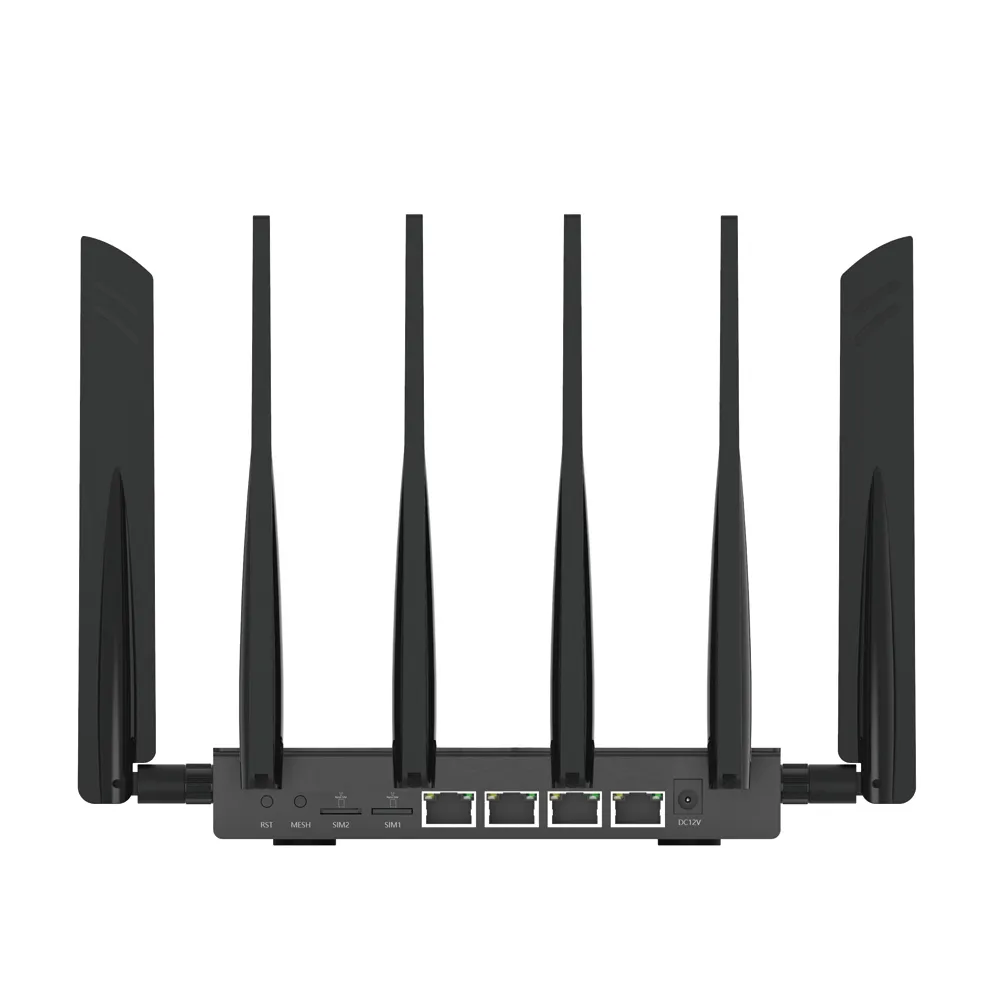
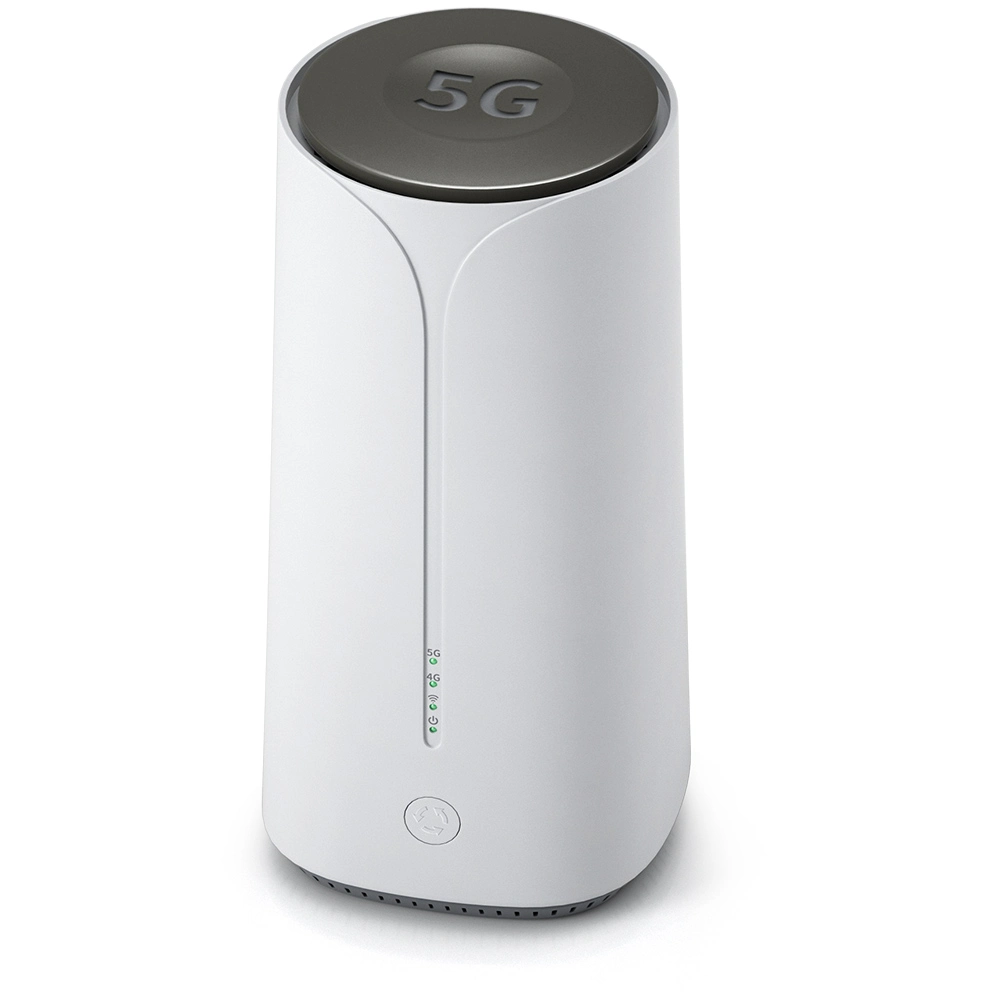
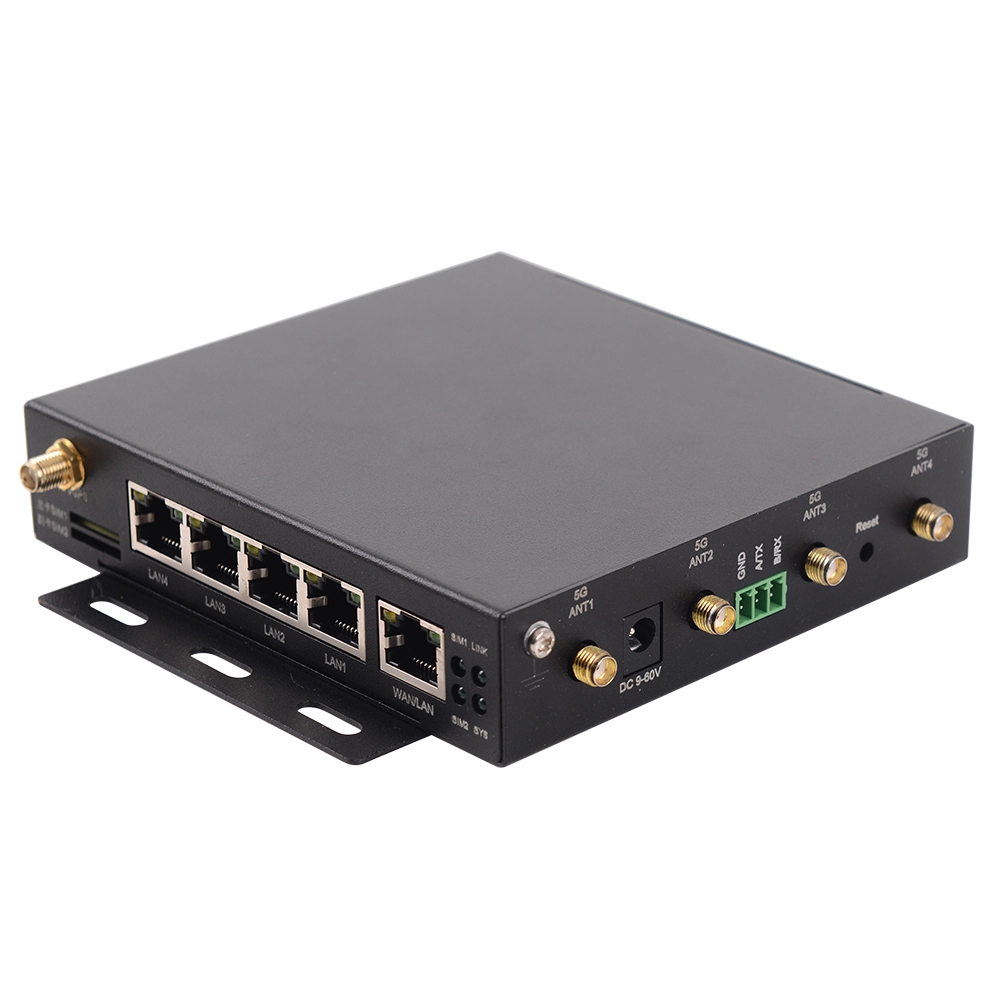
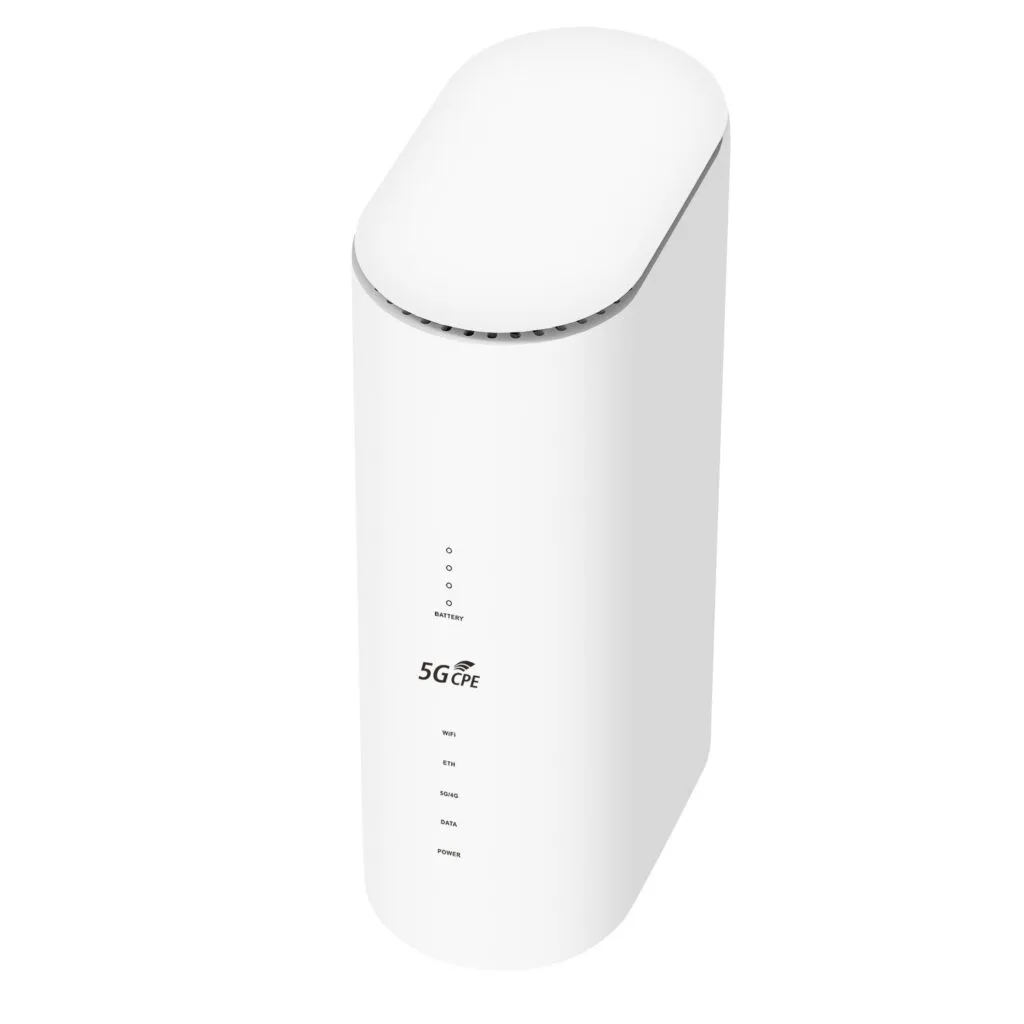
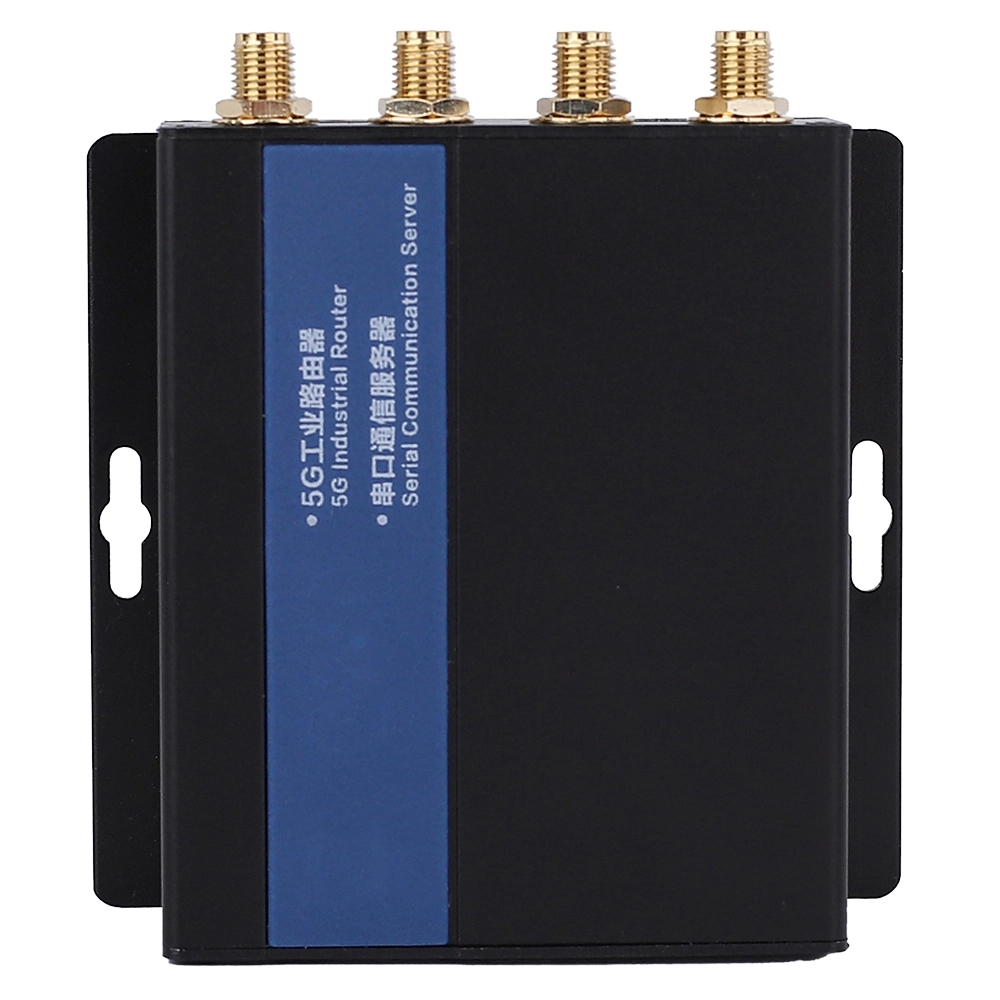
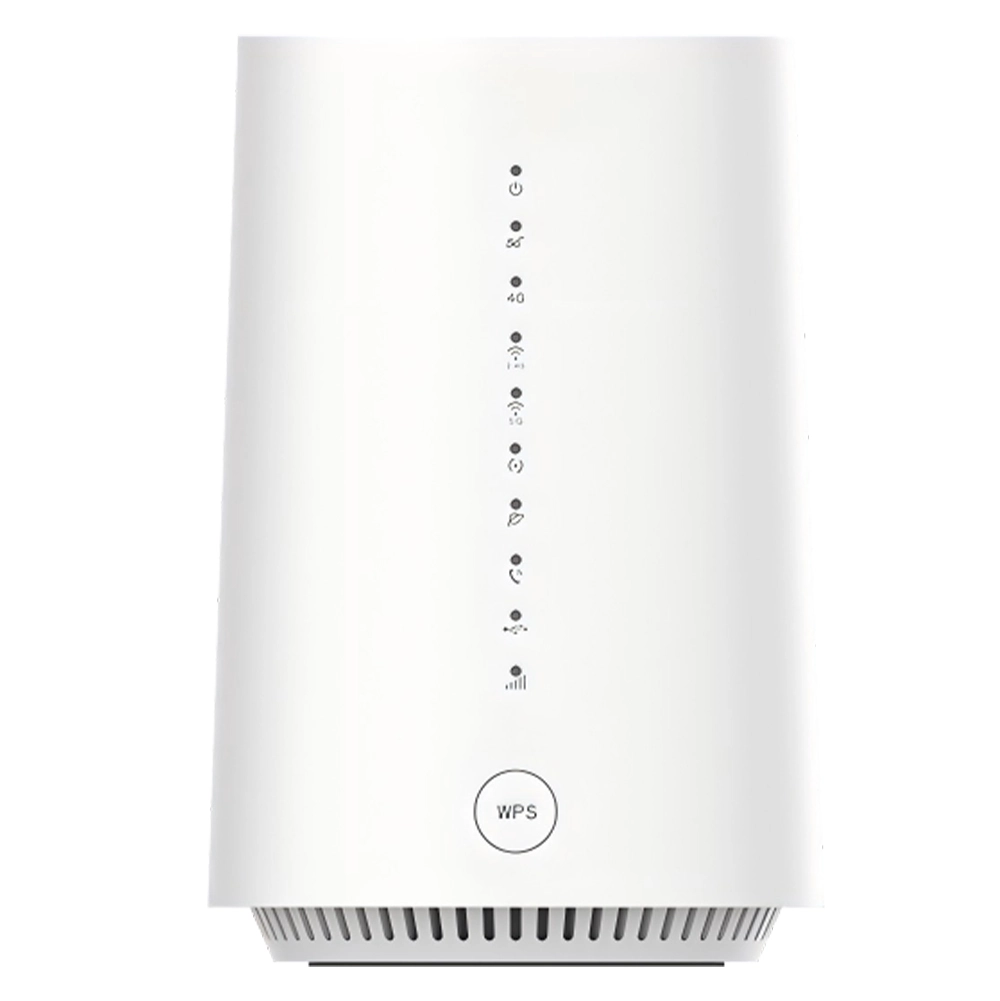
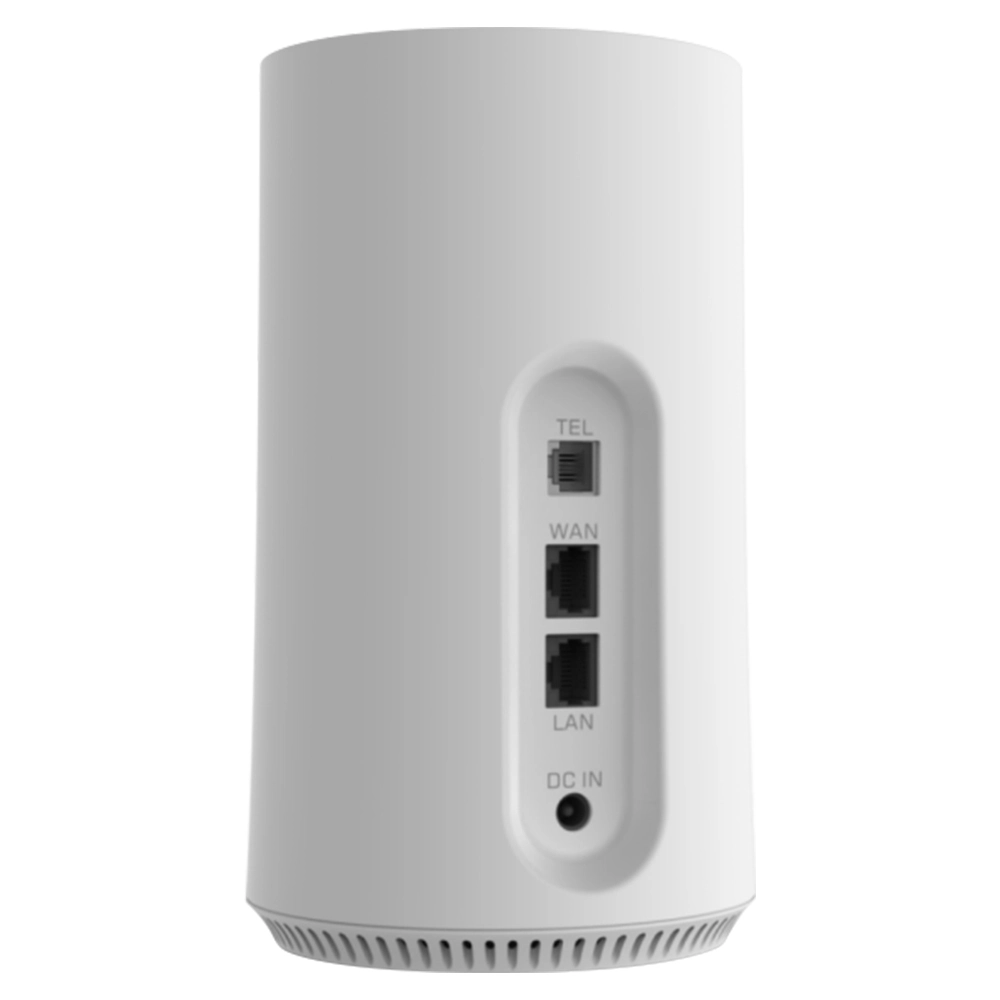
Despite benefits of high gain, it’s not always simply seek the maximum value. As noted, high gain normally with narrow beamwidth. For applications need omnidirectional coverage–like FM broadcast towers or sim card wifi router 5g–use high-gain antenna with extremely narrow beam isn’t suitable, as signal won’t reach surrounding users. In these cases, medium-gain antenna with wider beam or specific pattern shape is better choice. Antenna selection requires comprehensive trade-off involving gain, beamwidth, coverage area, size, cost and other factors.
Measuring and Specifying Gain
Precise measurement of antenna gain is a specialized task, typically performed in anechoic chamber or open-area test site. Common methods include gain comparison method and absolute gain measurement method. Comparison method tests antenna under test (AUT) alongside a standard antenna with accurately known gain under identical conditions. Absolute method involves measuring antenna’s radiation pattern and integrating it to calculate total radiated power, from which gain is derived. Gain parameters provided by manufacturers are typically based on rigorous testing or reliable simulation.
Typical Application Examples in Modern Communication Systems
Observing our surroundings, applications of antenna gain are ubiquitous. Mobile communication base station sector antennas typically have medium gain and specific horizontal beamwidths to precisely cover a sector. Home satellite TV receiving antennas use high-gain parabolic dishes to capture weak signals from satellites tens of thousands of kilometers away. Sim card wifi router 5g antennas may employ low-gain omnidirectional antennas or medium-gain directional antennas, depend on coverage areas. Radio telescopes use giant, high-gain antenna arrays to detect extremely weak electromagnetic radiation from the depths of the universe.
Gain and System Link Budget
When to plan and design a wireless communication system, link budget is a central calculation, it accounts all gains and losses from transmitter to receiver. Antenna gain is key positive term in link budget, directly contribute to overcome path loss and ensure received signal strength meets requirements. Engineers calculate required antenna gain precisely to select appropriate transmitting and receiving antennas, so as to determine the system’s feasible coverage range or communication capacity.
Technology Trends and Gain Enhancement
As communication technology develops towards higher frequency bands, technologies like Active Antenna Systems (AAS) and Massive MIMO (Multiple-Input Multiple-Output) become widespread, application of antenna gain continue to evolve. For example, by forming arrays of many low-gain antenna elements and utilizing digital beamforming techniques, it is possible to dynamically create high-gain and narrow beams that can be flexibly scanned to serve multiple users simultaneously. This represents a significant trend moving from fixed high-gain antennas to intelligent, adaptive high-gain beams.
Practical Advice to Choose and Use Antennas
For general users or engineering technicians to select antenna, first clarify application requirements: Is the goal long-distance, point-to-point communication or wide-area coverage? What is the operating frequency? What are the limitations on installation space and load-bearing capacity? Selection will be based on parameters such as gain, pattern, impedance and VSWR (Voltage Standing Wave Ratio). Correct installation and placement is also crucial. Antenna’s polarization, pointing angle and surrounding obstructions can affect its effective gain greatly, a specified high gain only translates into effective system performance improvement when used correctly.
Conclusion
In summary, antenna gain is a parameter that profoundly embodies the ability to control spatial distribution of electromagnetic energy, it is not a magical signal amplifier but the result of combination of antenna design artistry and electromagnetic principles. Understand the true meaning of gain, weighing its pros and cons, effectively utilizing it in practical systems is key to master wireless technology and build efficient, reliable communication networks. From sim card wifi router 5g to satellites, from homes to deep space, the concept of antenna gain plays indispensable and silent role, connecting our increasingly wireless world.


What can we do for you?