
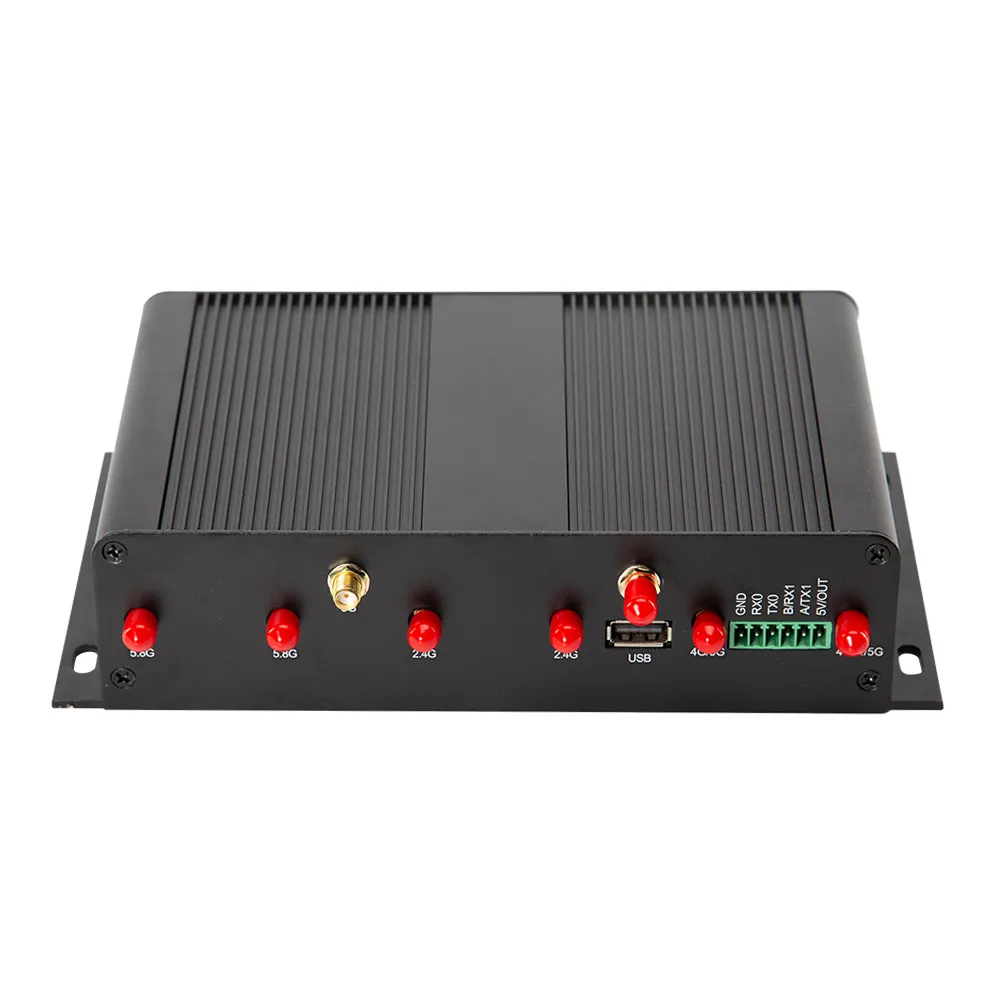
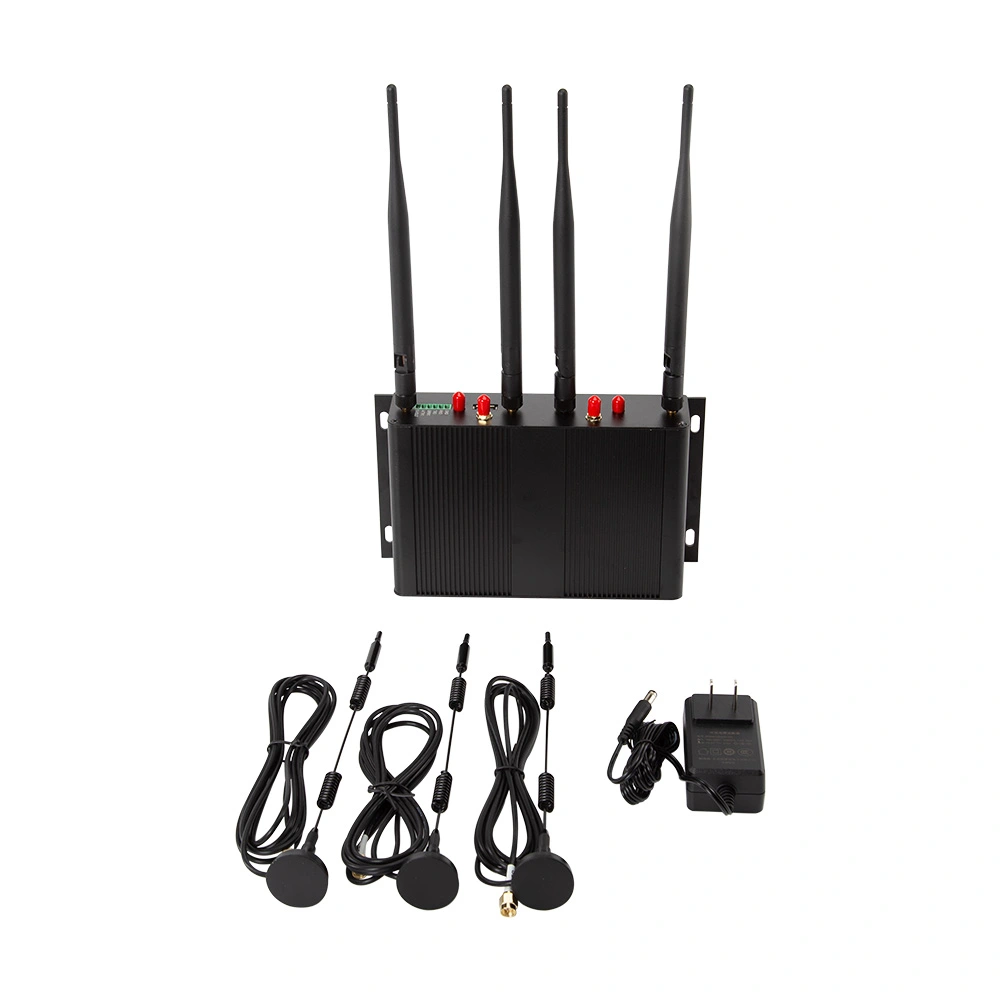
RTU is remote terminal unit, is control device based on microprocessor which can connect to factory control or SCADA (Supervisory Control and Data Acquisition) systems.
RTU has some advantages comparing with PLC, firstly RTU is cheaper than PLC and has higher level protection. Both controllers have many different kinds of I/O and different communication modules, total project costs for RTU or PLC maybe almost same.
Secondly, RTU is simpler than PLC in terms of programming. PLC need specific software and specific skills and knowledge of ladder logic, structured text, function blocks etc., while some RTUs can be programmed through a web page. In other cases, RTU comes with setup software that can help you configuring input and output as well as communications. Some RTUs have pre-programmed modules which can be adapted to only required functionality, this causes RTU losing flexibility, and functions are restricted.
High protection level and remote communication is most obvious advantage of RTU, it is widely used in environment with extreme temperature and remote areas, for example in remote mountains or on offshore oil drilling platforms, uses radio, microwave or satellite to communicate.
Some RTUs have backup batteries and charging circuit,they can continue to work even if AC power is off, in same return, some PLCs can use UPS power supply backup also.
RTU main functions:
1.Collect status quantity,pulse electrical measurements, event sequence records and data volume and send to distant place, with photoelectric isolation, remote signaling change is transmitted with priority.
2.Collect power frequency of the system directly to measure the voltage, current, active power and reactive power and send it to distant place, can calculate forward and reverse electricity.
3.Receive and execute remote control and return calibration.
4.Program self-recovery; Device self-diagnosis; Device self-tuning;
5.Channel monitoring.
6.Receive and execute remote control; Receive and execute time adjustment commands (Includes GPS time synchronization function optional)
7.Communicate with two or two more master stations.
8.Provide multiple digital and analog interfaces, can remote or local setting for each interface feature; Each interface can send different data of different protocols according to remote or local settings.
9.Accept remote commands and select to send all kinds of information.
10.Can forward telecontrol information from multiple substations.
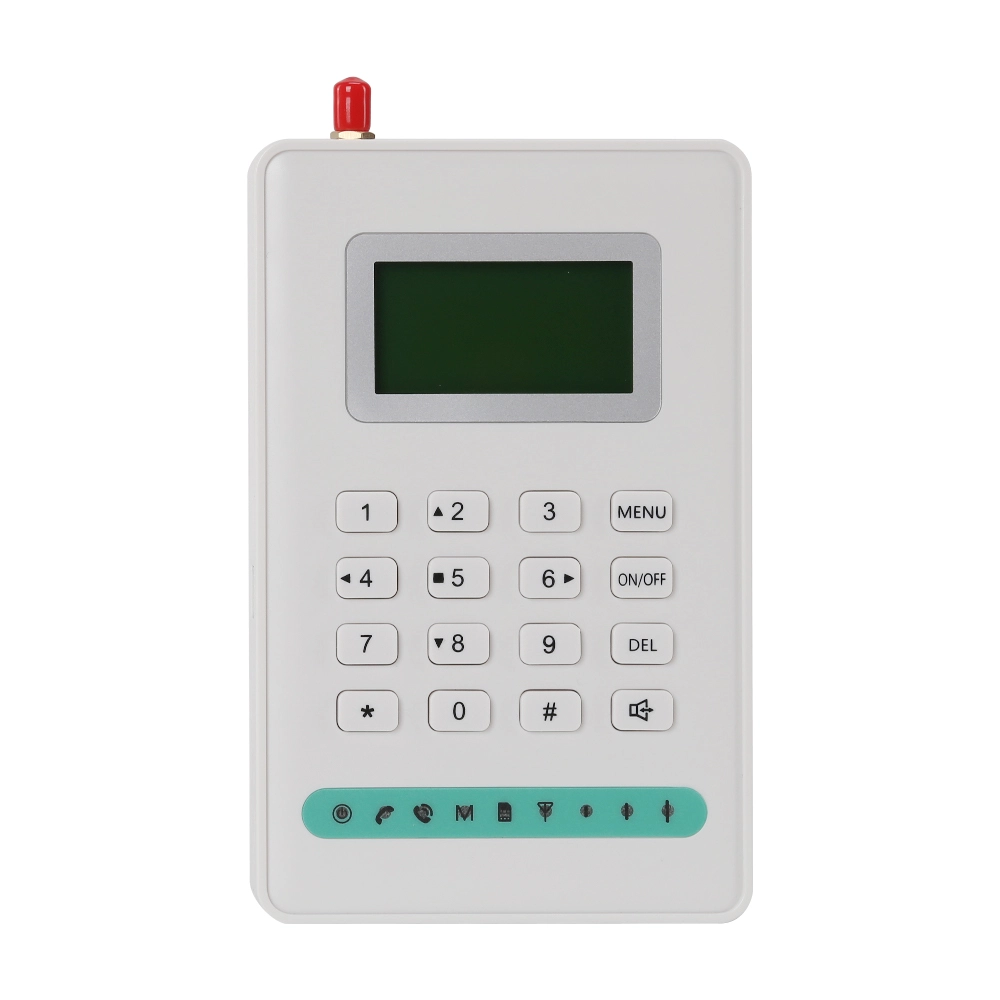
11.Local display, local interface has isolator.
12.Support communication with spread spectrum, microwave, satellite, carrier and other equipment.
13.Optional and multiple protocols run simultaneous, for example DL451-91 CDT protocol support POLLING protocol and other international standard protocols such as DNP3.0, SC1801 and 101 etc. Also.
14.Can be set remotely through telecommunication network and power system channels.
RTU is widely used in various fields, especially in industry, agriculture, oil and gas, water conservancy, electricity, environmental protection, environmental monitoring systems, meteorology, mining, earthquakes, hydrograph, transportation, power transmission network and related equipment, energy, natural gas network and related equipment, business and other fields. For example in power systems, RTU can be divided into 2 basic types-“single-board RTU” and “module RTU”. These devices can be used for remote monitoring and control, for example set remote terminal in a substation and connect it with dispatching center computer through a channel, remote monitoring function is completed through long-distance information transmission between RTU and the dispatching center.

What can we do for you?