
Swept along by digital wave, broadband networks have become indispensable infrastructure for social operations in today’s world. When we sit at home and effortlessly click mouse to explore online world, a series of sophisticated and efficient communication protocols support that experience behind the scenes, Point-to-Point Protocol over Ethernet (PPPoE) plays a critically important role among them. Especially for vast number of home users and many small-to-medium enterprises, it is virtually synonymous with broadband dial-up internet access. PPPoE is a communication protocol that establishes a point-to-point connection over a multi-access network like Ethernet. It combines authentication, encryption and network configuration functions of Point-to-Point Protocol (PPP) with widespread deployment advantages of Ethernet. Its working process consists of two phases: discovery and session. By encapsulating PPP packets within Ethernet frames, it enables user authentication, IP address allocation and reliable data transmission, thereby create an independent logical connection channel for each user over a shared physical network.
Clear the Fog: Understand the Essence of PPPoE
PPPoE is not a new technology born from nothing, it is an ingenious fusion and innovation, first we must deconstruct its name to understand it. Essentially, it carries and runs Point-to-Point Protocol (PPP) on top of Ethernet, is a typical local area network technology. PPP is a mature protocol to establish direct connections over serial links (like telephone lines), handling authentication and network parameter negotiation. Ethernet, on the other hand, is a technology for communication via broadcasting within local network. The wisdom of PPPoE lies in its ability to simulate shared broadcast environment of Ethernet into virtual, independent point-to-point links, so as to introduce PPP’s powerful management functions into the Ethernet access scenario.
Origin: Why was PPPoE Needed?
Its birth is inseparable from the popularization of Digital Subscriber Line (DSL) technology. In traditional telephone dial-up era, users established direct PPP connection with their ISP’s access server via a modem. When DSL technology provided higher bandwidth over telephone lines, a technical contradiction emerged: DSL physical layer connection is always on, but operators need a way to manage user access, perform billing and control sessions, a simple Ethernet connection couldn’t fulfill these commercial and management requirements, PPPoE emerged as the perfect solution, allow multiple manageable, billable point-to-point connections to be established, maintained, terminated via software over a single and always-on DSL physical link.
Core Architecture: Position in Protocol Stack and Encapsulation
From perspective of network protocol layering, PPPoE resides at data link layer. It acts as an adapter or encapsulator, package PPP data frames into Ethernet data frames in a specific format for transmission, this process is called encapsulation. A complete PPPoE packet has Ethernet frame header as its outermost layer, contain destination and source MAC addresses; in the middle is PPPoE header, contain key information like session identifier; and the innermost layer is actual PPP payload, which encapsulates network layer (e.g. IP) data packets. This layered encapsulation structure allows PPP’s rich functionalities to run on simple Ethernet hardware.
Unveil Workflow: Two Phases of Discovery and Session
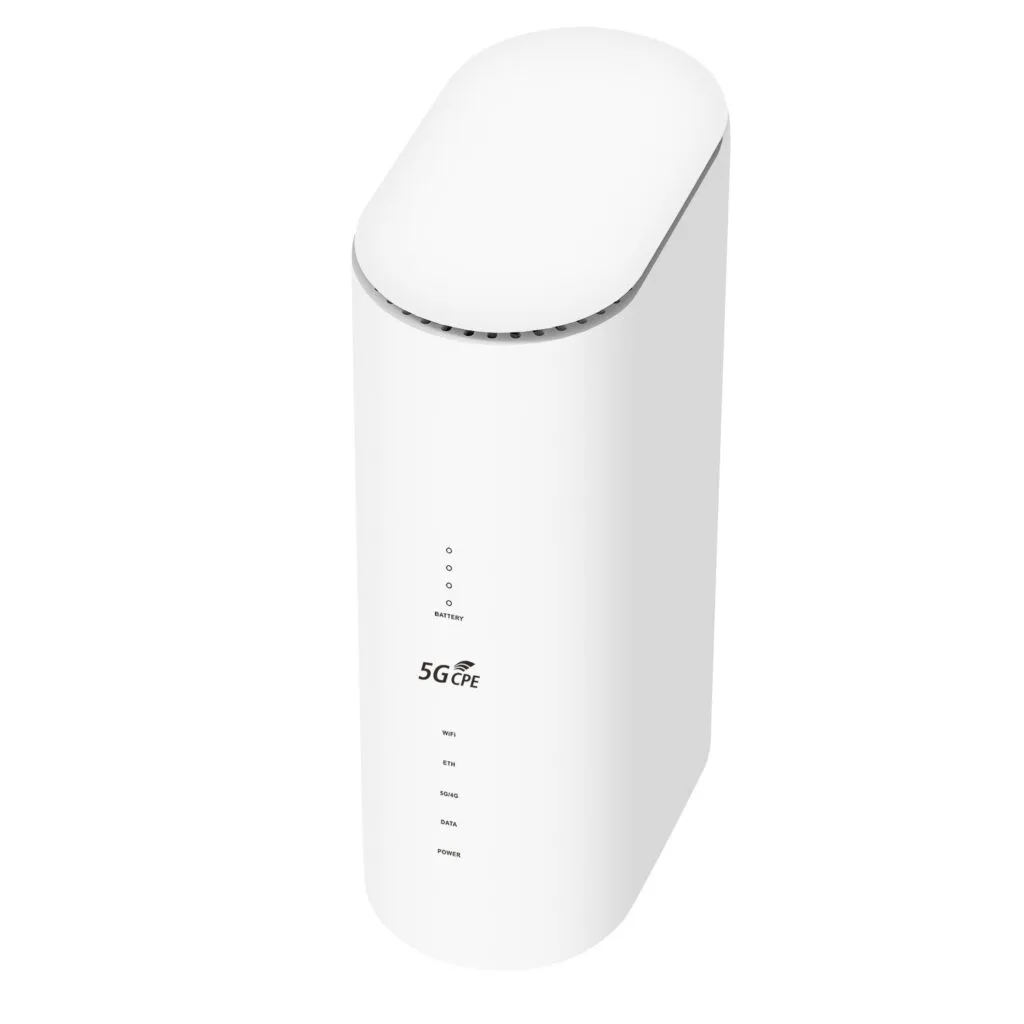
The working process of PPPoE is clearly divided into two phases: Discovery and Session phase. Discovery phase is where client (e.g. 5g cellular router for home or computer) actively searches for an Access Concentrator (typically operator’s network equipment) and establishes initial contact, this process uses a series of broadcast Ethernet frames, comprise four steps PADI, PADO, PADR, and PADS, ultimately negotiate a globally unique session ID. Once Discovery phase succeeds, the two parties will enter Session phase. At this stage, communication no longer uses broadcasts but uses the peer’s MAC address and session ID obtained instead during Discovery phase for directed communication, officially start standard PPP negotiation process, include Link Control Protocol (LCP) and Network Control Protocol (NCP) negotiations.
Authentication and Security: Key to Controll Access
Authentication is one of the core advantages which PPPoE inherits from PPP. During NCP negotiation of the session phase, the most commonly used protocols are PAP or CHAP. User need to enter username and password assigned by ISP. PAP transmits password in clear text, offer lower security, but CHAP uses a challenge-response mechanism, avoide password transmission directly over the network and provide higher security. Through this authentication mechanism, operators can accurately identify users, control access permissions and use this as a basis for billing, effectively preventing unauthorized access and account theft.
Address Assignment: Dynamically Obtaining a Network Identity
After successful authentication, client need to obtain an IP address to access internet. This process is also accomplished through PPP’s NCP. The Access Concentrator typically dynamically allocates a public or private IP address to the client from the operator’s address pool. This dynamic allocation greatly improves IP address utilization, especially crucial in the context of the global IPv4 address exhaustion. For the client, this process is usually automatic and seamless; the user just waits a few seconds for the device to obtain the network identity needed for internet access.
Session Maintenance and Management: Heartbeat and Disconnection
Once a PPPoE session is established, it’s not permanent. To check the link status, PPP’s LCP will periodically send Echo Request and Echo Reply frames, similar to heartbeat mechanism, to check whether the connection is still active. When user actively disconnects(e.g. clicks a Disconnect button) or an anomaly occurs (e.g. network interruption or device reboot) causing a heartbeat timeout, the session will be terminated. At this point, the session ID will be released and associated network resources (like the allocated IP address) are reclaimed for use by other users. This session management mechanism ensures the efficient recycling of network resources.
Typical Application Scenarios: From DSL to Fiber to Home
The classic application scenario for PPPoE is DSL broadband access. A user’s DSL modem or router runs a PPPoE client, establish a connection via telephone line to the operator’s Broadband Remote Access Server (BRAS). With technological advancements, PPPoE’s application has extended to other access methods such as some Ethernet-based Fiber to the Home (FTTH) networks. In these scenarios, Optical Network Terminal (ONT) device can also act as a PPPoE client, complete authentication and access. It provides a unified management and authentication interface for various access technologies.
Device Roles: Client and Access Concentrator
In PPPoE architecture, there are two main roles. One is PPPoE Client, typically device on end-user side, such as 5g cellular router for home, personal computer or ONT, it actively initiates connection requests and carries the user’s authentication information. The other is PPPoE Access Concentrator, deployed at the edge of the ISP’s network, responsible for aggregating connection requests from a large number of users, handle authentication, authorization, accounting (AAA) and forward user traffic to the broader network. A single Access Concentrator can handle thousands of concurrent PPPoE sessions and is a key device in the operator’s network.
Configuration Practice: Key Points for Setting Up a 5g cellular router for home
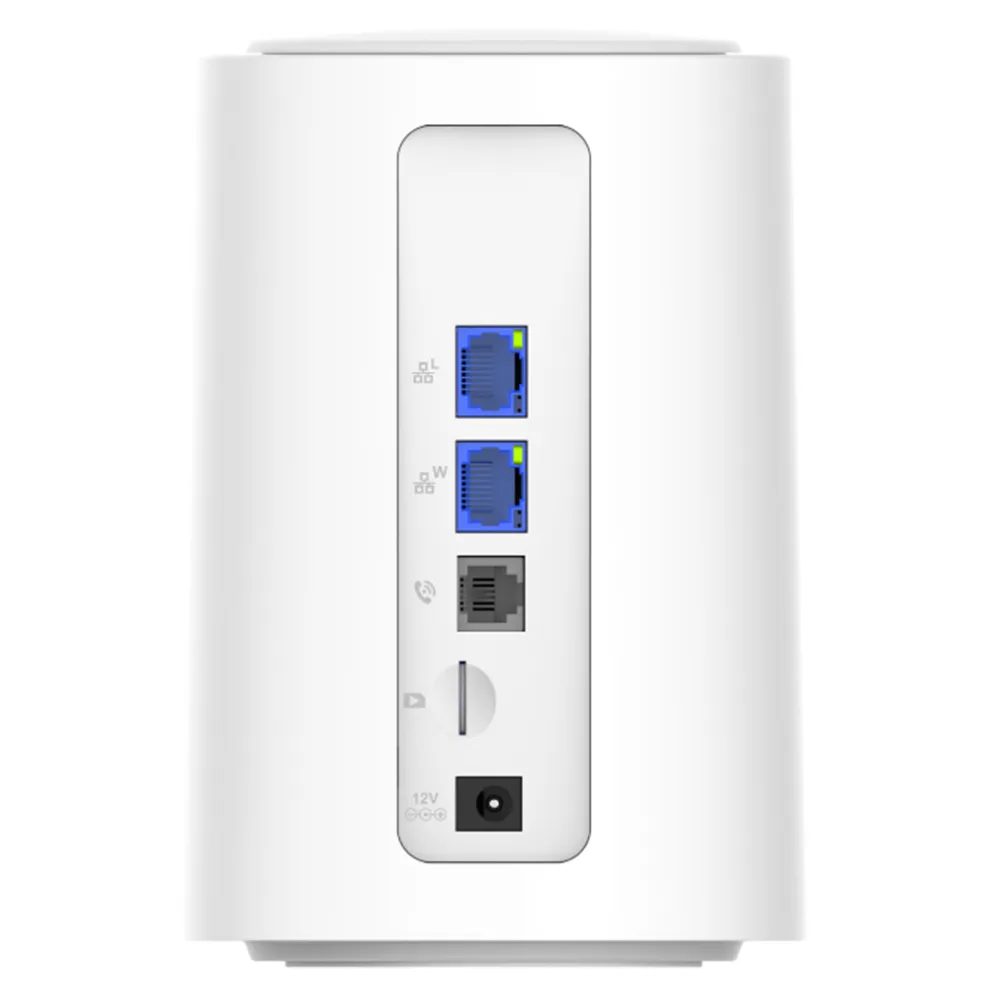
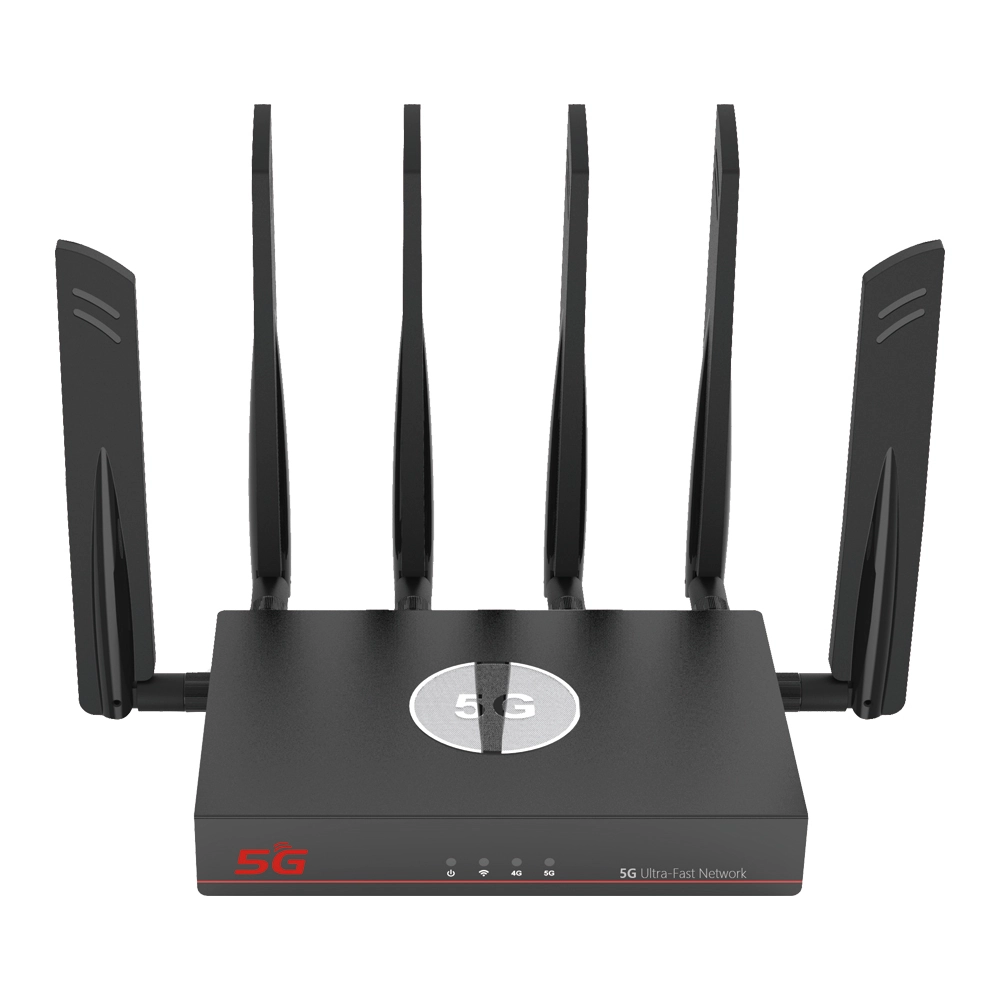
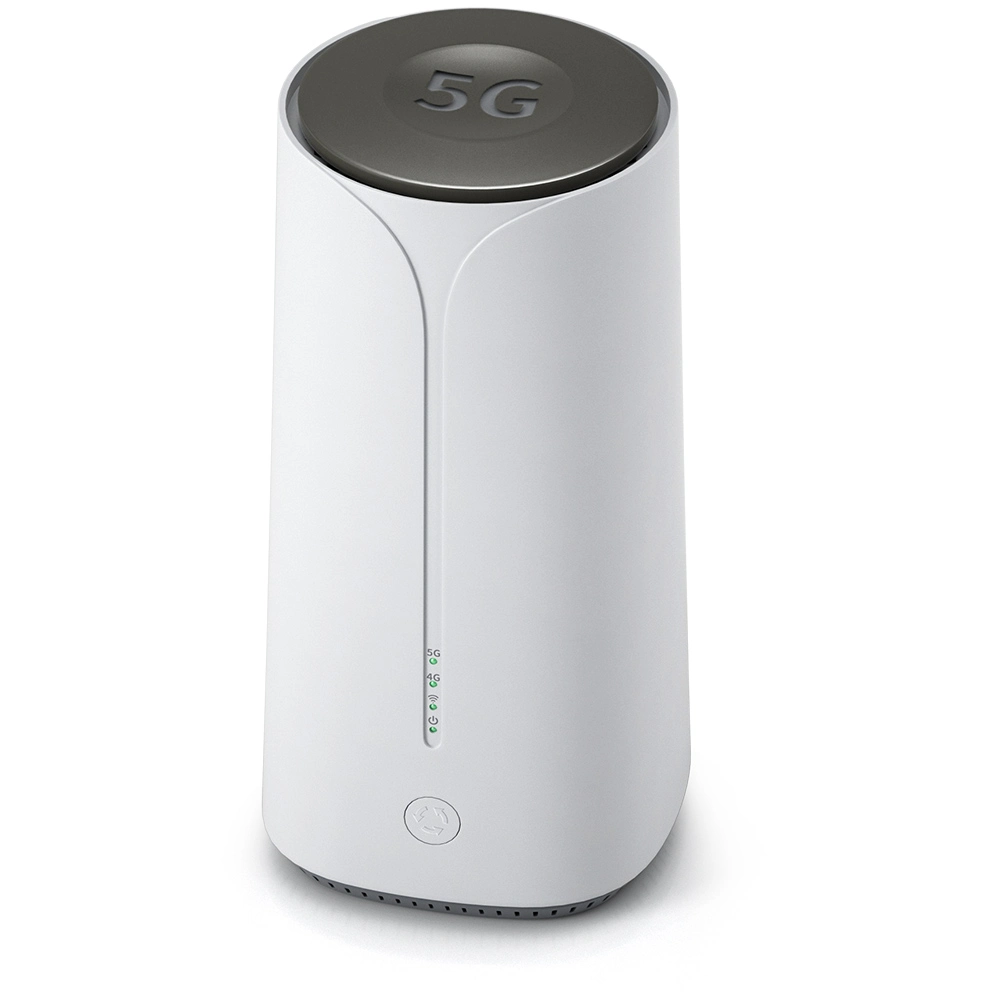
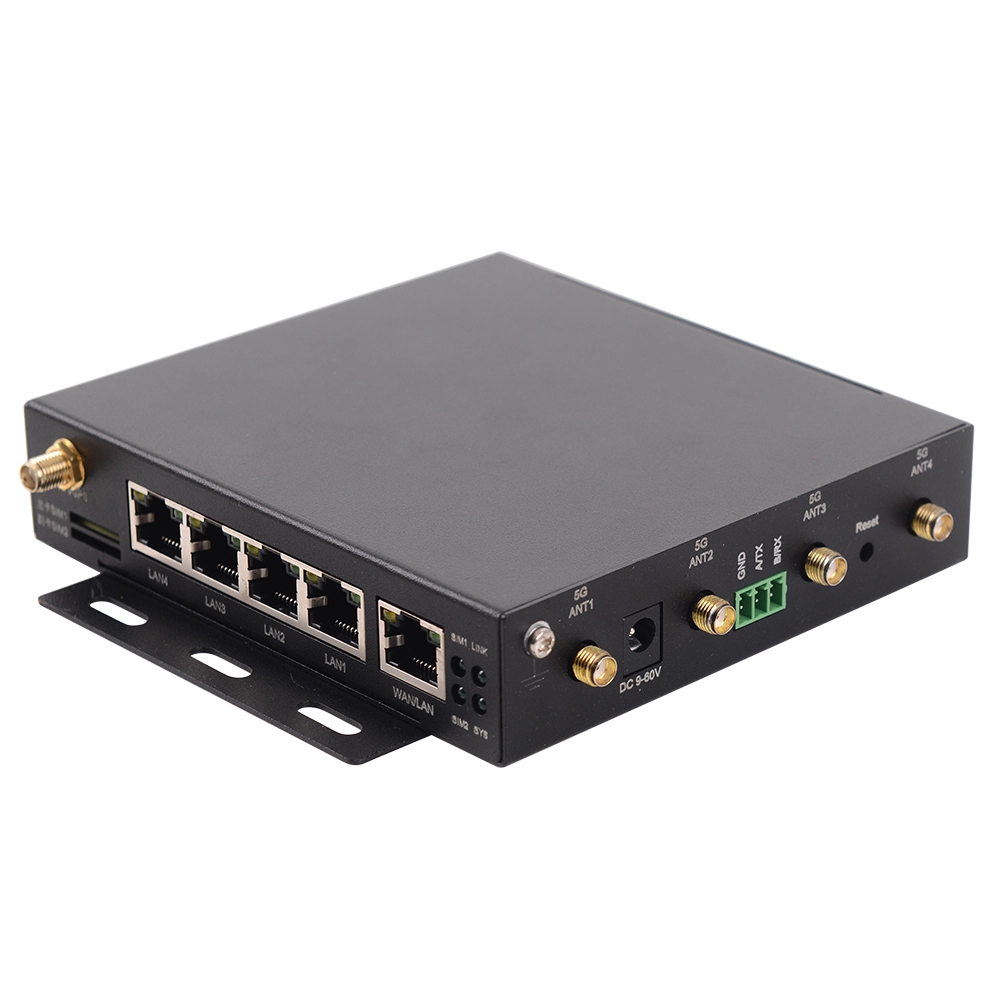
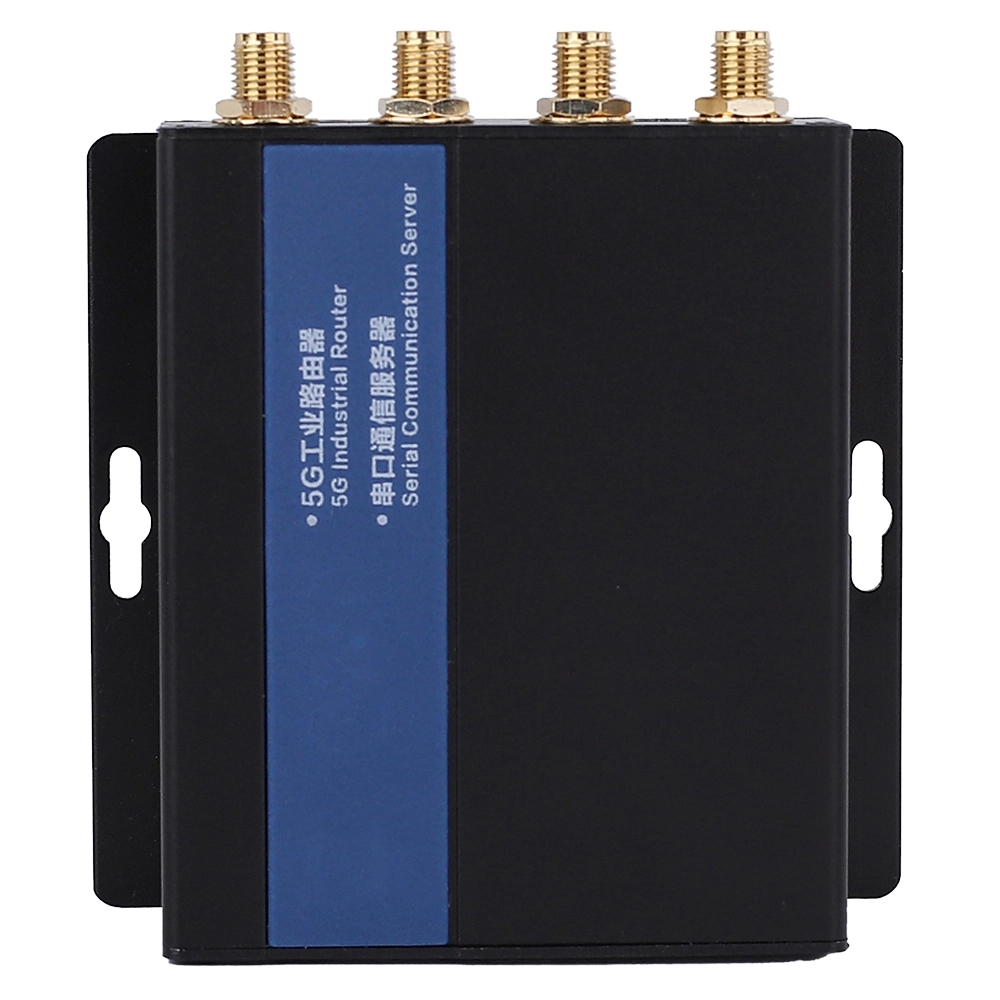
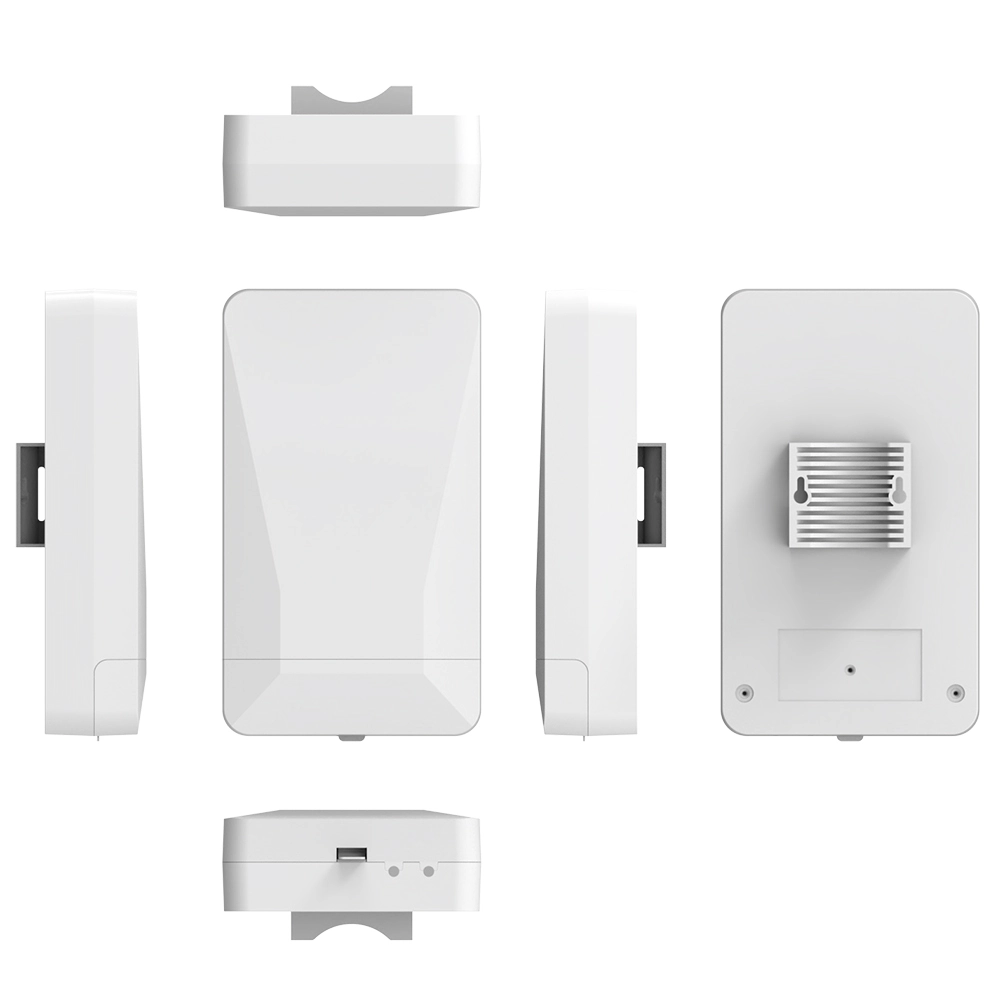
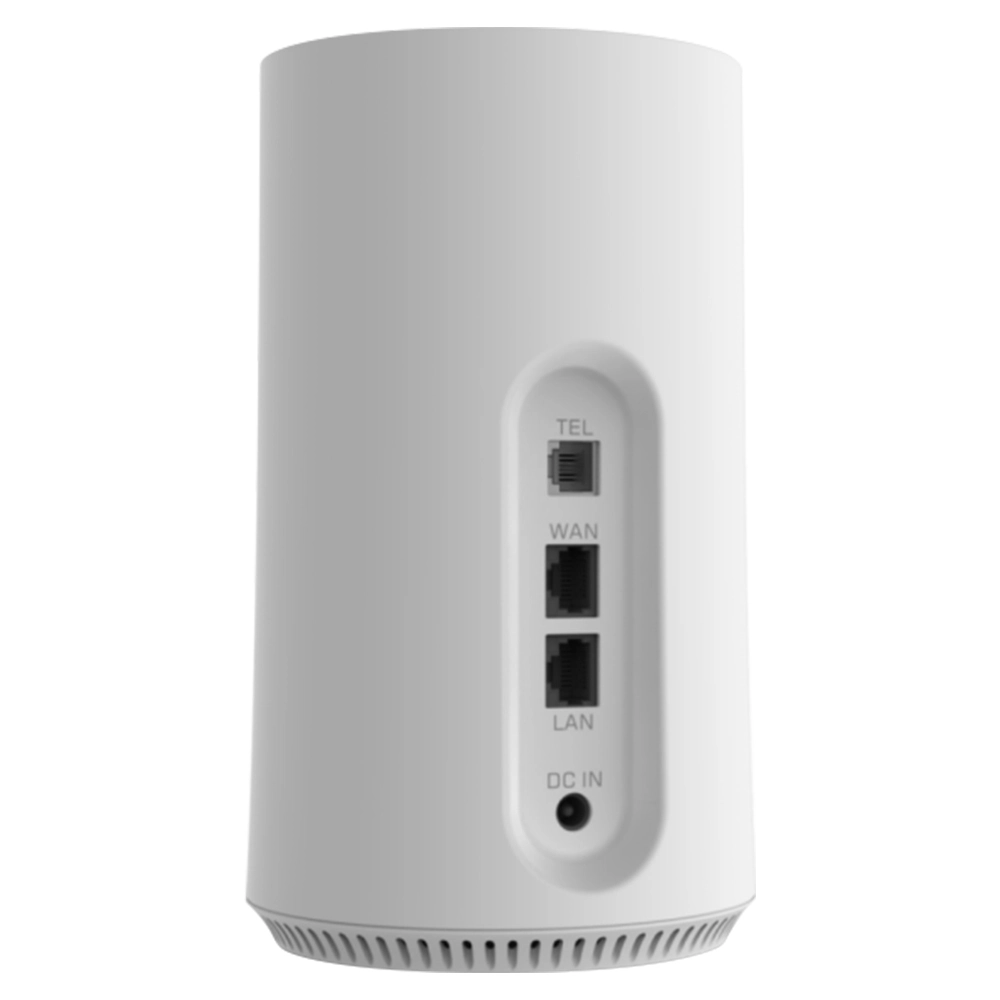
For average user, the most direct encounter with PPPoE is when to configure a 5g cellular router for home. In the network settings, select “Broadband Dial-up” or a similar option typically enables PPPoE client function. User need to accurately enter username and password provided by ISP. Additionally, some advanced settings might include Service Name (usually left blank), selection of authentication method (Auto, PAP, or CHAP) and whether to enable dial-on-demand or auto-reconnect. Correctly configuring these parameters is first step to access internet successfully.
Advantage Analysis: Why Did It Become Mainstream?
PPPoE became the mainstream broadband access technology due to several advantages. First, it provides robust user management and billing capabilities, this is crucial for operators. Second, it leverages PPP’s mature authentication and encryption systems, ensures access security. Third, it runs on standard Ethernet hardware, offer low deployment costs and wide compatibility. Finally, it creates logically independent connections for each user, facilitate Quality of Service (QoS) management and access control. These characteristics made it a nearly irreplaceable standard solution during DSL era.
Challenges and Limitations Faced
Despite its widespread usage, PPPoE is not without flaws, its limitations have become increasingly apparent as networks evolve. The main criticism lies in its encapsulation overhead and efficiency issues. Each data packet requires additional PPP and PPPoE headers, increase transmission overhead, potentially impacting performance when handling numerous small packets (e.g. online gaming and real-time communication). Furthermore, PPPoE session typically terminates at 5g cellular router for home, prevent operator’s network from directly perceiving multiple devices behind the router, cause difficulties for fine-grained management and service delivery, also facilitate the widespread use of Network Address Translation (NAT).
Technical Evolution: Integration with IPv6
With deployment of IPv6, PPPoE needs to evolve accordingly. The IETF has defined relevant standards such as RFC 4638 to enable PPPoE to support negotiating both IPv4 and IPv6 addresses simultaneously or separately during session phase. This means that in a single PPPoE dial-up process, client can obtain both IPv4 address and IPv6 prefix simultaneously, achieve dual-stack access. This lays foundation for smooth transition to next-generation internet and demonstrates continued vitality of PPPoE protocol.
Future Outlook: Role in Context of SDN and NFV
Against backdrop of emerging network architectures like Software-Defined Networking (SDN) and Network Functions Virtualization (NFV), traditional hardware-based PPPoE Access Concentrator is undergoing transformation. Its functions can be virtualized, running as software on general-purpose servers, enable more flexible resource scheduling and lower operational costs. Simultaneously, SDN’s centralized control concept could potentially combine with PPPoE’s user session management to create smarter, more dynamic broadband access services. As a mature access control protocol, PPPoE’s core ideas will likely maintain a place in future networks.
Troubleshooting: Common Issues and Problem-Solving Ideas
Users might encounter prompts like “Connection timeout,” “Password error,” or “Server no response” when using PPPoE dial-up. Troubleshooting these issues generally follows certain steps. First, check if physical lines are connected and device indicator lights are normal. Second, check if username and password are entered correctly, paying attention to case sensitivity and special characters. Third, try to connect a computer directly to the modem for dialing to rule out router malfunctions. Finally, the issue might be on the operator’s side, such as an Access Concentrator failure or account problem, which need to contact with ISP’s customer support for technical assistance.
Comparison with Other Technologies: Differences from DHCP and PPPoA
People often confuse PPPoE with Dynamic Host Configuration Protocol (DHCP) or the newer Point-to-Point Protocol over Ethernet (PPPoA-even note PPPoA is older, often compared with DHCP or L2TP). DHCP is solely responsible for automatically allocating IP addresses and other parameters, lack user authentication and session management capabilities; it is commonly used in LANs or broadband environments without authentication. PPPoA is another technology which mainly used in ATM networks, and not so popular now. The key is that PPPoE’s core value lies in its point-to-point connection mode with strong authentication implemented over a shared network, a capability other technologies lack.
A Bridge Connect Virtual and Real
Review development history of PPPoE, it stands as an ingenious technological bridge, successfully transplanting PPP, suitable for serial links, onto broadcast Ethernet, thereby meeting broadband-era operators’ pressing needs for user authentication, management and billing. It might not be the highest-performance protocol, but its solution provided during a specific historical phase was extremely successful. Understanding PPPoE is not just about understanding a communication technology; it’s about understanding how the business models of internet access and technical architectures shape each other. As network technologies continue to evolve, PPPoE may gradually fade away, but the problem it solved—how to provide secure, manageable, individual connections over shared physical infrastructure—will always be a crucial topic in networking field.


What can we do for you?