
An industrial router is a core network device especially designed for harsh industrial environments. It surpasses the function of ordinary routers by integrating capabilities such as data exchange, security isolation and protocol conversion, ensure network reliability and stability under high temperatures, vibration and electromagnetic interference. Its core value lies in building a resilient communication backbone for critical sectors like smart manufacturing, energy and transportation, make it cornerstone of the Industrial Internet of Things (IIoT) and automation control. Compared to commercial routers, industrial routers place greater emphasis on reliability, security and long service life, serve as one of the core infrastructures of the IIoT. In today’s digital wave, industrial routers act as a bridge to connect physical and digital worlds, quietly drive intelligent transformation in manufacturing, energy management and urban infrastructure.
Essential Definition of Industrial Router
Simply put, industrial router is a professional network device tailored for complex and harsh environments such as factory floors, outdoor sites and moving vehicles. Its core task is to select optimal path between different networks and forward data packets, but its design goals and performance metrics are quite different from commercial or home-use routers. According to relevant standards of the International Electrotechnical Commission (IEC), industrial communication equipment must meet stringent requirements regarding reliability, real-time performance and security. Industrial router epitomizes this concept, it is not only a gateway connect local area networks (LANs) to wide area networks (WANs) but also a comprehensive communication platform integrating routing, switching, firewalls, virtual private networks (VPNs), serial servers, protocol conversion and more, aiming to provide 24 hours service, highly available network connectivity for industrial automation systems.
Fundamental Differences from Ordinary Routers
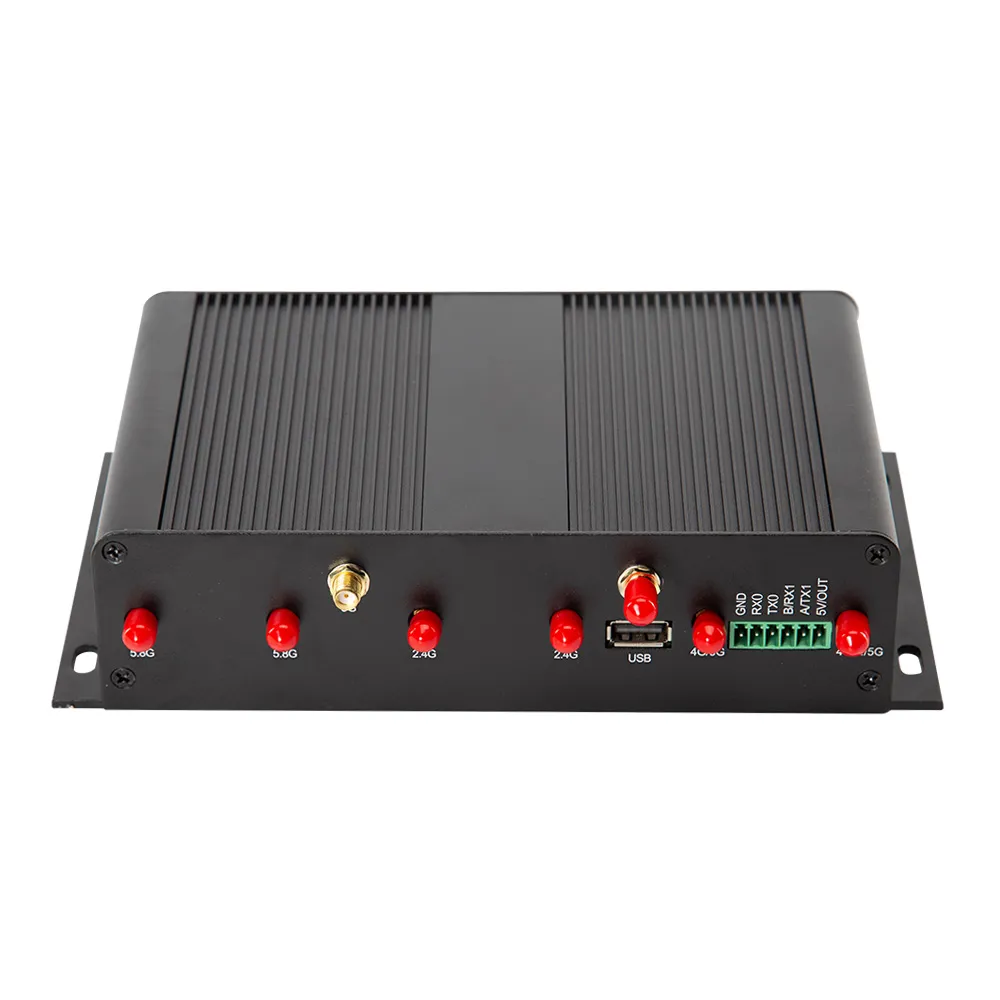
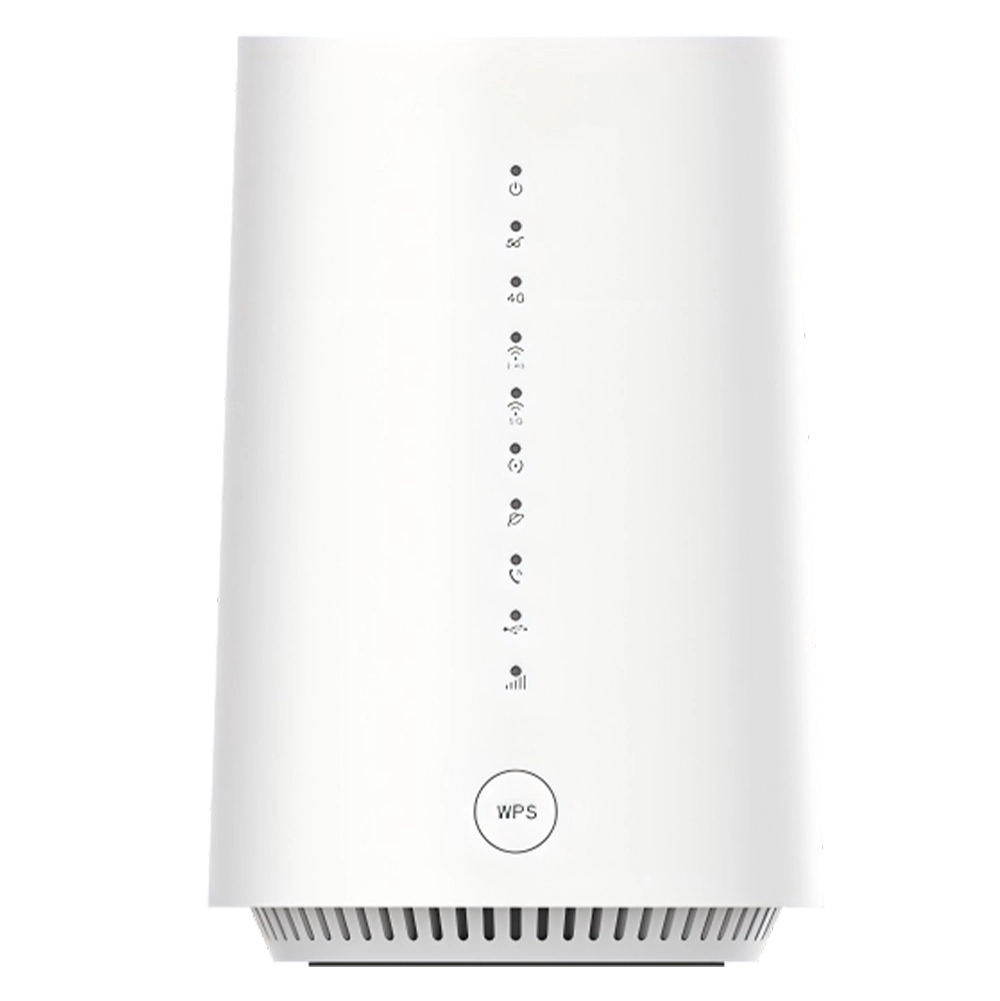
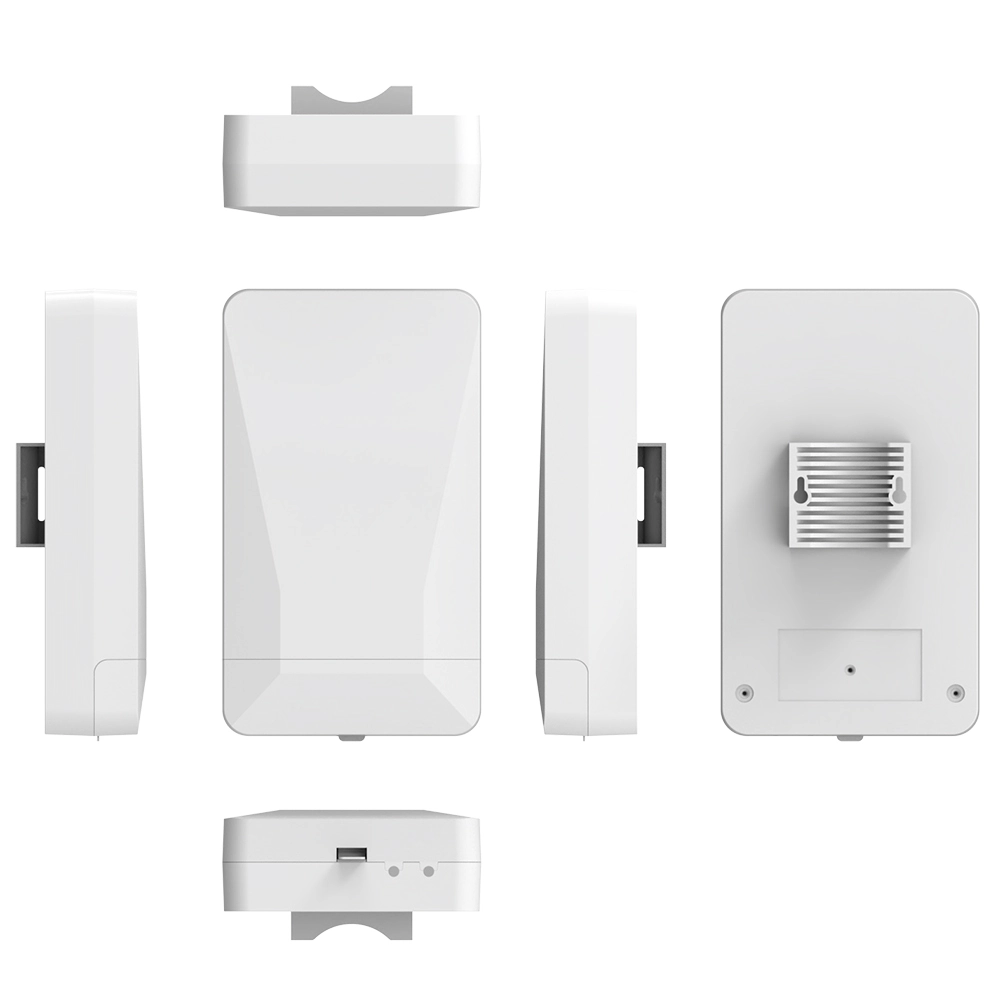
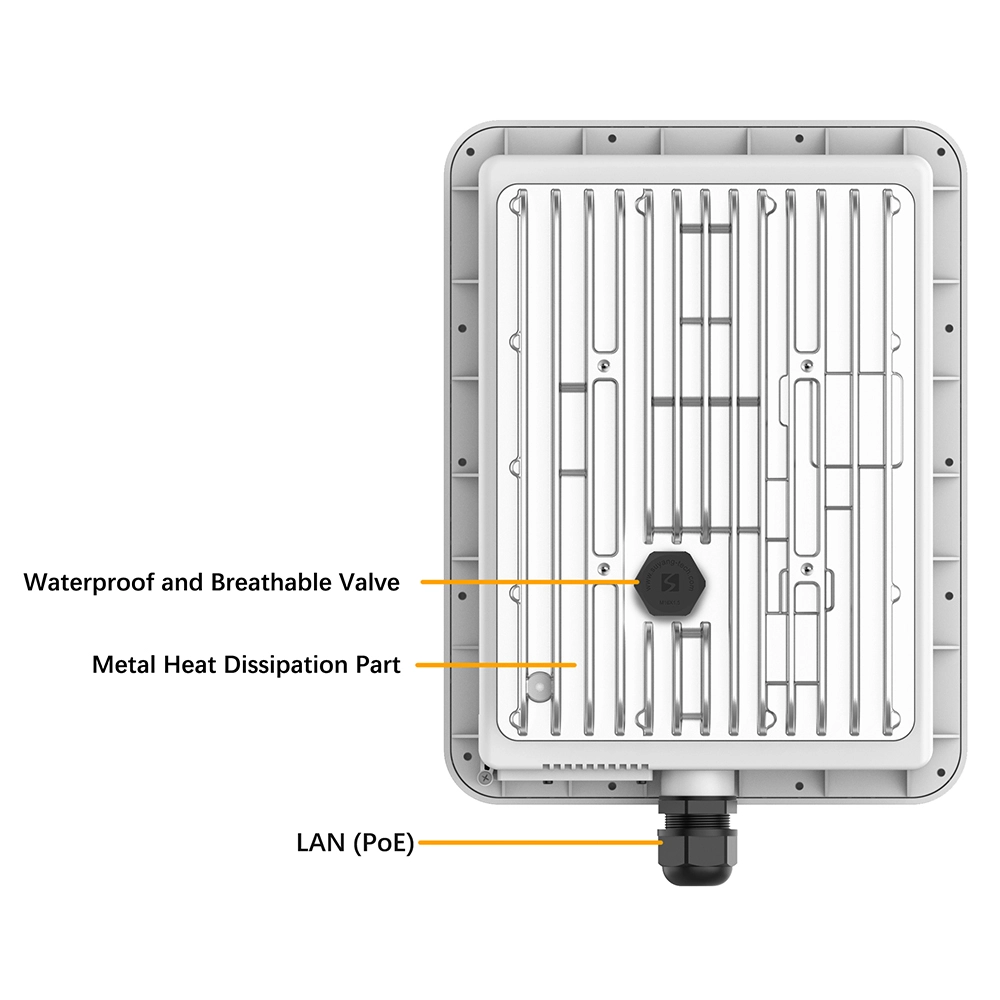
The most direct way to understand industrial router is to compare it with ordinary home or office routers. First, in terms of physical durability, industrial routers normally use metal casings with higher ingress protection (IP) ratings, effectively resist dust, moisture and even water intrusion. They operate across an extremely wide temperature range, functioning stably in freezing cold of dozens of degrees below zero or scorching heat up to seventy degrees above zero, while withstand strong vibration and shock. Second, regarding electrical characteristics, industrial routers support a wider range of DC power input and include protection features such as reverse polarity and surge protection to adapt to unstable power supplies in industrial settings. Finally and most importantly is their professional software and functionality, their operating system is streamlined and enhanced to support various industrial real-time communication protocols, ensure millisecond-level transmission of critical control commands, and their design life is far exceeds than consumer-grade routers.
Insights into Core Architecture and Working Principles
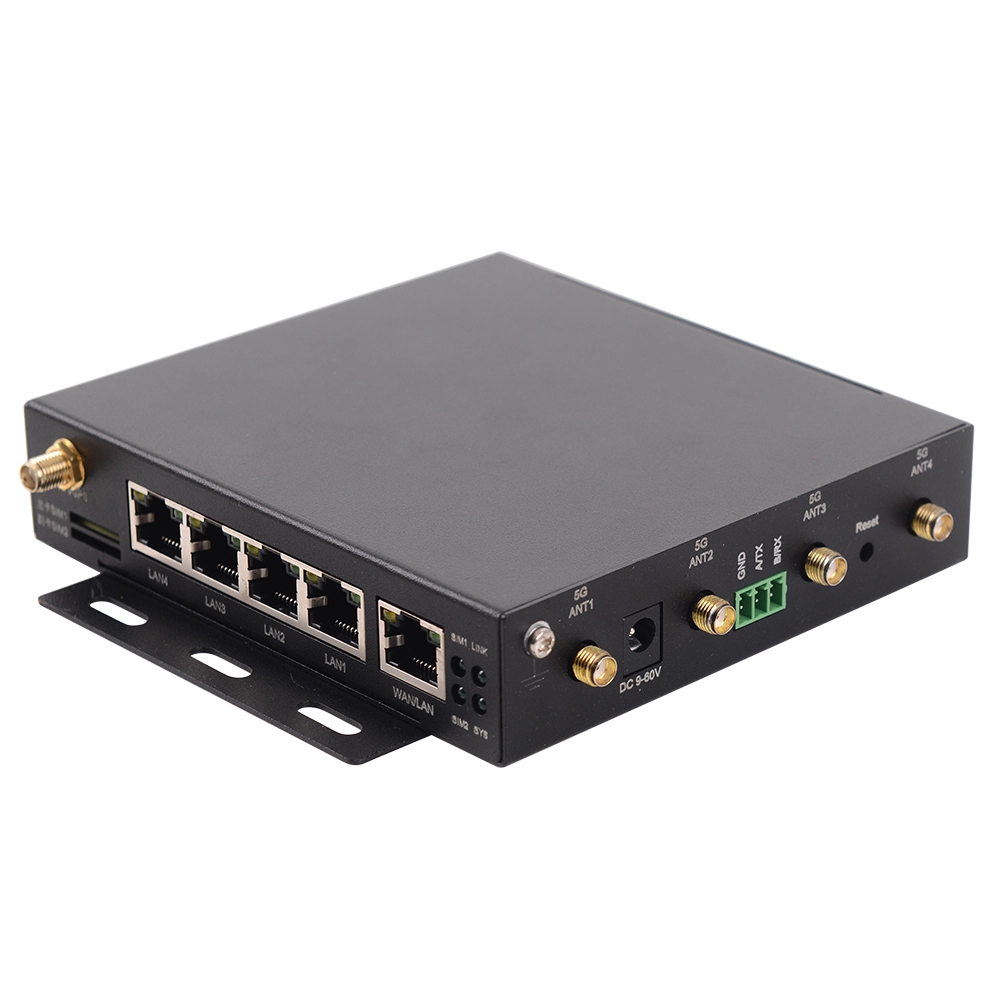
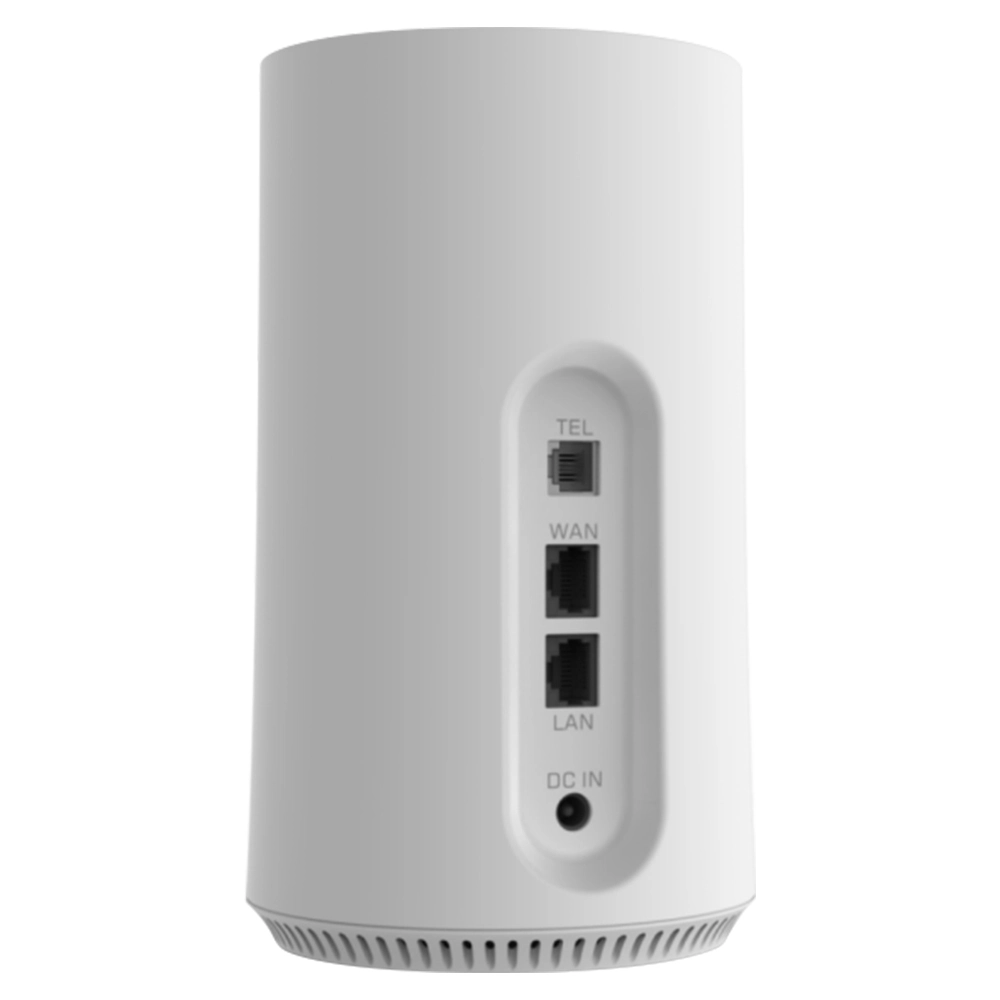
Inside an industrial router can be viewed as a miniature, specialized computer system. Its hardware core typically uses industrial-grade main control chip, paired with large-capacity memory and stable clock circuit. Regarding interface configuration, besides ordinary Ethernet ports, it often integrates serial interfaces, digital input&output interfaces etc. which can connect to traditional industrial equipment like programmable logic controllers (PLCs), sensors and instruments directly. On software side, it runs deeply customized embedded network operating system responsible for managing routing tables, executing packet forwarding policies, handling Network Address Translation (NAT) and implement advanced security functions such as VPN tunneling encryption and Access Control List (ACL) filtering. Its workflow can be summarized as: receive data packets from different interfaces or networks, query internal routing table based on destination address, select optimal path, possibly performing protocol conversion or data encapsulation, finally deliver the data accurately to target device.
Superior Environmental Adaptability
Environmental adaptability is the foundation of an industrial router’s existence. In settings like high-temperature workshops of steel smelters, coastal ports with salt spray corrosion, bumpy construction vehicles, or Gobi oil fields with huge temperature differences between day and night, network devices face severe tests. Industrial routers meet these challenges through a series of engineering designs. For example, they use fanless passive cooling or wide-temperature cooling designs to ensure continuous operation at high temperature; employ conformal coating on circuit boards and sealed interfaces to prevent moisture and corrosion; and feature reinforced soldering and structural mounting of internal components to withstand prolonged vibration. These inherent “tough guy” characters ensures that under the harshest conditions, transmission link for production data and control commands remains rock-solid.
Impeccable Network Reliability
For industrial operations, network interruption means production line stoppages or energy supply fails, this will lead to massive economic losses. Therefore, industrial routers prioritize reliability above all else, and this is reflected in several aspects: hardware uses industrial-grade or even military-grade electronic components to ensure long life and low failure rate; software includes watchdog timer mechanism for automatic restart upon system lockup. More importantly, they generally support various network redundancy and self-healing technologies, such as Virtual Router Redundancy Protocol (VRRP) and Spanning Tree Protocol (STP), capable of switching automatically to backup path within milliseconds when the primary link or device fails, achieve service-unaware switching and thereby build highly available ring or dual-star network topologies.
Crucial Real-time Performance and Determinism
Industrial control scenarios impose nearly stringent requirements on network latency and jitter. A delayed motion control command could lead to inaccurate robot positioning; a lost sensor data point could trigger a cascade of safety reactions. The design of industrial routers fully considers this. By optimizing data forwarding engine and support Quality of Service (QoS) policies, they can assign higher priority and reserved bandwidth to critical business data flows, ensure timely transmission. Furthermore, some high-end industrial routers begin to support new-generation technologies like Time-Sensitive Networking (TSN), provide bounded and extremely low end-to-end latency for time-critical traffic, truly achieve deterministic communication and meet the demands of future high-end smart manufacturing.
Impregnable Security Protection System
As industrial systems integrate deeply with internet, cybersecurity threats extend from information domain to physical domain. As critical nodes on network boundary, industrial routers shoulder responsibility of the first line of defense. They integrate enterprise-grade firewalls for granular access control based on addresses, ports and protocols. Built-in VPN function support various encryption algorithms, can establish secure encrypted tunnels over public internet, ensure confidentiality and integrity of remote data transmission. Additionally, they support advanced security features such as protection against Denial-of-Service (DoS) attacks, Intrusion Detection and Prevention Systems (IDS/IPS), certificate-based authentication, can integrate with higher-layer security management systems to jointly build a defense-in-depth system, protect core industrial assets from attacks.
Powerful Protocol Conversion and Compatibility Capabilities
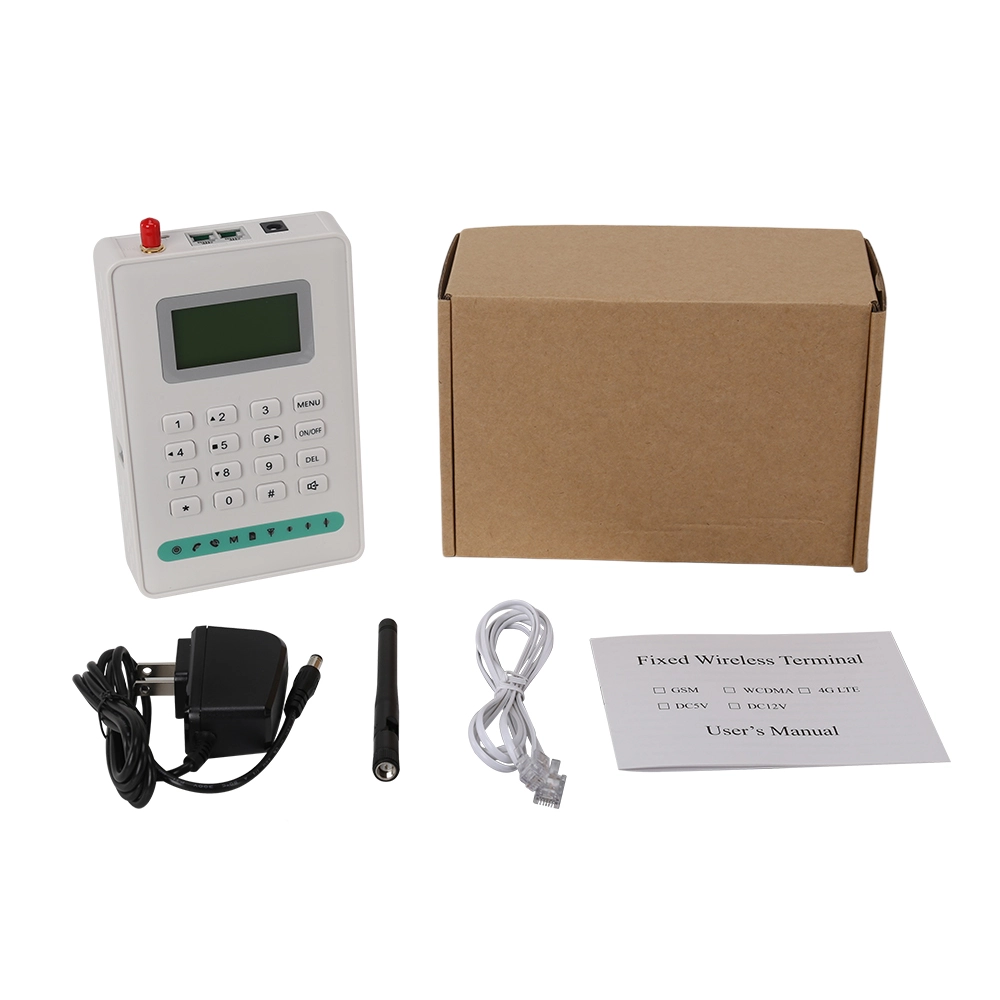
Industrial sites are often complex environments where old and new equipment coexist, and multiple protocols are mixed. From legacy serial communication to modern Industrial Ethernet, data formats vary greatly, the important role of industrial router is translator. Through built-in protocol conversion functions, it can uniformly convert data sent by different devices into standard format transmissible over IP networks. This enables traditional serial devices to easily connect to the IIoT, facilitate digital transformation and smooth upgrade of legacy systems, protect user’s prior investments and greatly enhance flexibility and convenience of system integration.
Flexible and Diverse Network Access Methods
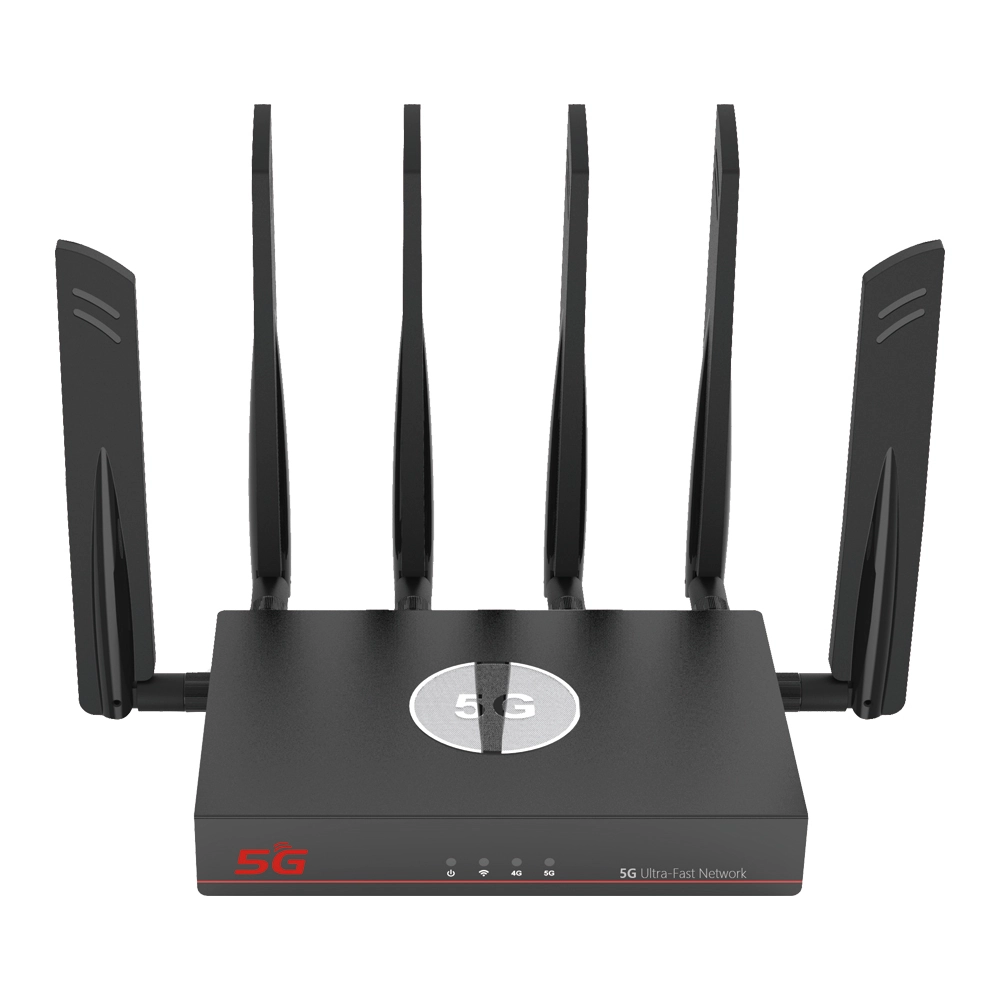
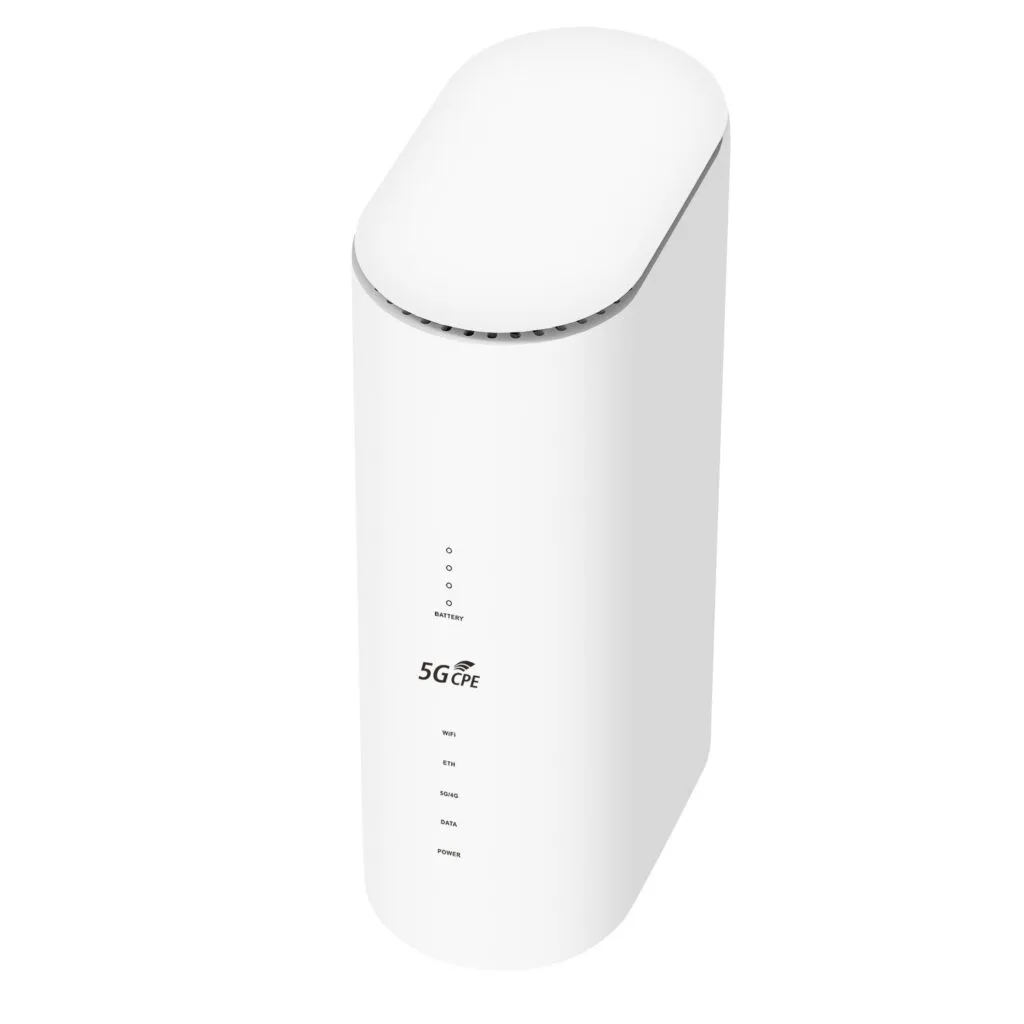
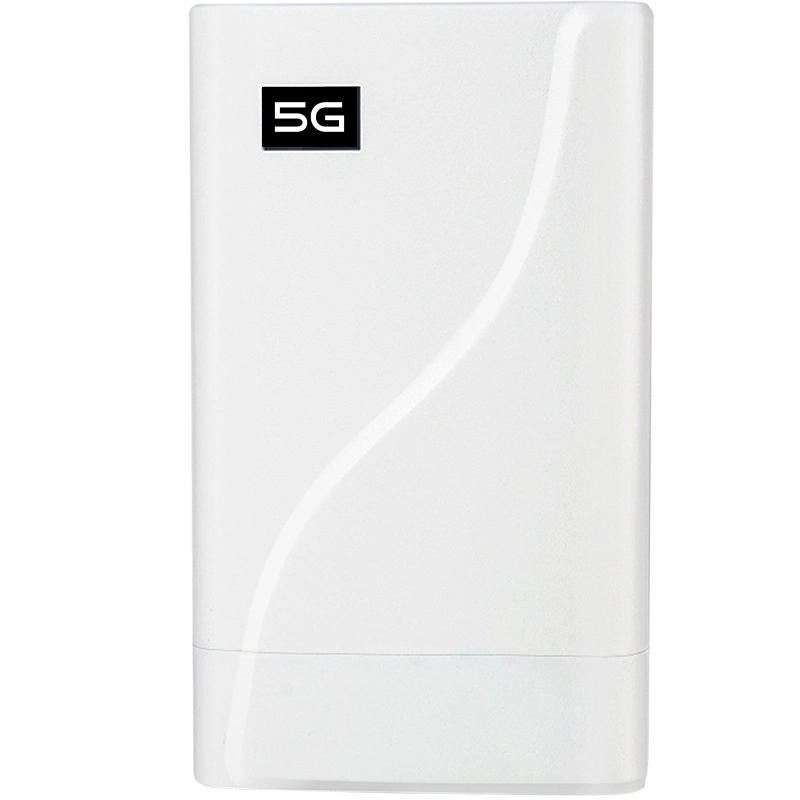
Industrial application scenarios are dispersed and diverse, but fixed wired networks are not always available, so modern 4g lte industrial router or 5G Industrial Router generally support multiple WAN access methods. Besides traditional fiber optics and Ethernet, they can insert Subscriber Identity Module (SIM) cards for high-speed wireless connectivity via 4G or 5G networks, they can also support access methods like Digital Subscriber Line (DSL) in remote areas. This “full network” access capability ensures that a reliable data backhaul channel can be quickly established wherever there is signal, enable applications such as distributed energy monitoring, mobile policing and telemedicine.
Remote Management and Intelligent Operations
When hundreds of industrial routers are deployed across vast geographical areas, centralized management and efficient operation become significant challenges. Advanced industrial routers support standard network management protocols like Simple Network Management Protocol (SNMP), allow for unified configuration, batch upgrades and status monitoring via cloud management platforms. Administrators can view operational status, traffic statistics and alarm information of remote devices in real-time from central control room and perform remote diagnostics and troubleshooting. This significantly reduces operational costs, improves response speed, makes managing massive numbers of edge devices possible, is key support for large-scale IIoT deployment.
Core Role in Smart Manufacturing
In a smart factory, industrial router acts as bridge to connect information world and physical world. It connects devices on production line–such as PLCs, robots, machine vision systems and RFID readers–to factory backbone network, enable real-time collection of production data and precise delivery of commands. By establishing workshop-level wireless networks, it supports flexible dispatching of Automated Guided Vehicles (AGVs) and inspection tasks using mobile terminals. Its high reliability and deterministic networking capabilities are the foundation for equipment collaboration, flexible manufacturing and digital twins, making it an indispensable neural node driving manufacturing towards intelligence and networking.
Enable the Construction of Smart Energy Systems
In energy sector such as power and oil&gas, industrial routers are widely used in scenarios like distribution automation in smart grids, substation monitoring and pipeline surveillance. In complex outdoor substations, they stably connect various protective relay devices and smart meters; along thousands of kilometers of oil and gas pipelines, they rely on wireless networks to transmit pressure, flow and leak detection data. Their robust environmental adaptability and strong security encryption ensure safe, reliable and real-time transmission of energy infrastructure monitoring data, provide solid data foundation for smart dispatch, fault warning and energy optimization.
Lay Cornerstone for Intelligent Transportation and Internet of Vehicles (IoV)
The intellectualization of transportation systems relies on reliable vehicle-to-ground communication and roadside sensing networks. Industrial routers are deployed on buses, subway trains, traffic signal poles and along highways to transmit vehicle location information, passenger flow data, high-definition video surveillance feeds and traffic control signals. Their shock-resistant and wide-temperature characteristics meet the demand requirements of vehicular environment, and wireless backup links ensure uninterrupted communication. In future Vehicle-to-Everything (V2X) and autonomous driving systems, industrial routers will become core components of Roadside Units (RSUs), responsible for high-volume, low-latency data exchange between vehicles and infrastructure, ensure traffic safety and efficiency.
Support Intellectualization of Urban Public Services
In smart city construction, countless sensing terminals–from environmental monitors and smart streetlights to emergency broadcast systems and digital urban management devices–need network connectivity. Industrial routers with flexible deployment, rich interfaces and convenient management, serve as ideal edge access and aggregation devices. They can be integrated into smart streetlights, simultaneously provide network connectivity and security isolation for lighting control, environmental sensors, cameras and Wi-Fi access points, achieve “multiple functions per pole,” reduce redundant construction and build unified carrying platform for the city’s peripheral neural network.
Selection Key Points and Considerations
When want to choose an industrial router, factors like operating environment, network requirements and management needs must be considered comprehensively. First, determine installation location and environmental conditions to ascertain required IP rating and temperature range. Second, specify the type and number of network interfaces needed based on actual application and whether wireless communication is required. Finally, consider network management method and whether advanced functions like remote configuration and fault diagnosis are needed.
Installation and Maintenance Guide
Install industrial routers must follow specifications. When install in an electrical cabinet, ensure adequate ventilation space and proper grounding. Regular maintenance should include checking power status, cleaning ventilation openings and updating system software. According to manufacturer recommendations, industrial routers generally require comprehensive inspection every six months, include port testing and performance evaluation.
Future Development Trends and Challenges
Looking ahead, development of industrial routers is deeply integrating with cutting-edge technologies. On one hand, with maturity of 5G technology, 5G Industrial Router will provide higher bandwidth, lower latency and greater connection density for wireless access, enable new applications like AR-assisted maintenance and remote real-time control. On the other hand, the rise of edge computing is pushing industrial routers towards intelligence. Future routers may integrate lightweight computing modules to perform data filtering, analysis and preliminary decision-making locally at the device side, reduce cloud burden and improve response real-time performance. Simultaneously, facing increasingly complex cyber threats, integrating built-in AI engines for anomalous traffic detection and proactive defense will become crucial direction for upgrading industrial router security capabilities. Balancing feature integration with device cost, and performance with power consumption will be ongoing challenges.
Conclusion
In summary, industrial router is far more than a simple network connection device; it is a specialized product deeply integrating communication technology, automation technology and information security technology. It is silent cornerstone in the wave of industrial digital transformation. With its resilient physique, reliable performance and intelligent mind, it supports production and operation of modern society from unseen corners. From roaring factories to silent wilderness, from speed trains to deep pipeline networks, industrial router is weaving an intelligent, reliable and secure industrial internet in its unique way, continuously driving industrial upgrading and social progress. Understanding it is a key step towards understanding the context/essence of contemporary industrial communication.



What can we do for you?