
In demanding industrial environments—from remote mining outposts to sprawling outdoor construction sites—network downtime is never just a technical glitch. It is a costly disruption that halts production and drains resources. For decision-makers managing critical infrastructure, “staying connected” has evolved from a convenience into a survival requirement. However, as global operations shift toward high-bandwidth automation, many find that standard consumer hardware simply buckles under the pressure of real-world deployment.
The Shift from Basic Voice to High-Speed Data Ecosystems
The journey of wireless terminal technology mirrors the trajectory of modern industrial growth. Back in 2010, when the world relied on GSM terminals for basic voice and low-speed data, the seeds of today’s ultra-connected infrastructure were sown. As 4G LTE matured, the demand shifted from simple connectivity to high-speed data throughput, necessitating the development of robust outdoor routers and industrial-grade gateways.
Today, 5G is the heartbeat of digital transformation. According to the Ericsson Mobility Report 2023, 5G coverage is expanding at a record pace, allowing organizations to deploy fiber-like speeds in areas where physical cabling is impossible. By leveraging the best 5g router sim card technology, operations are now bypassing the limitations of traditional ISPs, gaining the agility to establish high-speed networks anywhere on the planet within minutes.
Why Professional Hardware Outperforms Consumer Brands
A common pitfall is the assumption that a high-end consumer router—the kind you might find from brands like Mercusys—is sufficient for professional operations. This logic often leads to catastrophic failures in the field. Consumer routers are designed for climate-controlled living rooms; they lack the thermal management and electromagnetic shielding required for a factory floor or a construction site.
True professional-grade hardware is built on a foundation of R&D depth. When engineers spend over a decade optimizing PCB layouts, they aren’t just placing components; they are eliminating signal interference and ensuring compliance with stringent EMC regulations. This level of technical rigor results in a production pass rate that is 30% higher than the industry average, ensuring that equipment survives where others fail.
To understand why specialized hardware is a non-negotiable investment for modern infrastructure, consider the following technical comparison:
| Feature Dimension | Standard Consumer Grade | Professional Outdoor/Industrial Grade |
| Operating Temperature | Limited (0°C to 40°C); prone to throttling | Wide-temperature design; stable from sub-zero to extreme heat |
| Enclosure Protection | Plastic; no ingress protection | IP65/IP66 rated; UV-resistant, waterproof, and lightning-proof |
| Concurrent Connections | 10-20 devices; high latency under load | Optimized for massive device scaling and advanced load balancing |
| Self-Healing Features | Requires manual rebooting | Hardware Watchdog (WDT) for automatic link recovery |
| Customization | Fixed firmware and interfaces | Supports eSIM, TR069, and region-specific band tuning |
Bridging the Gap in Signal-Challenged Environments
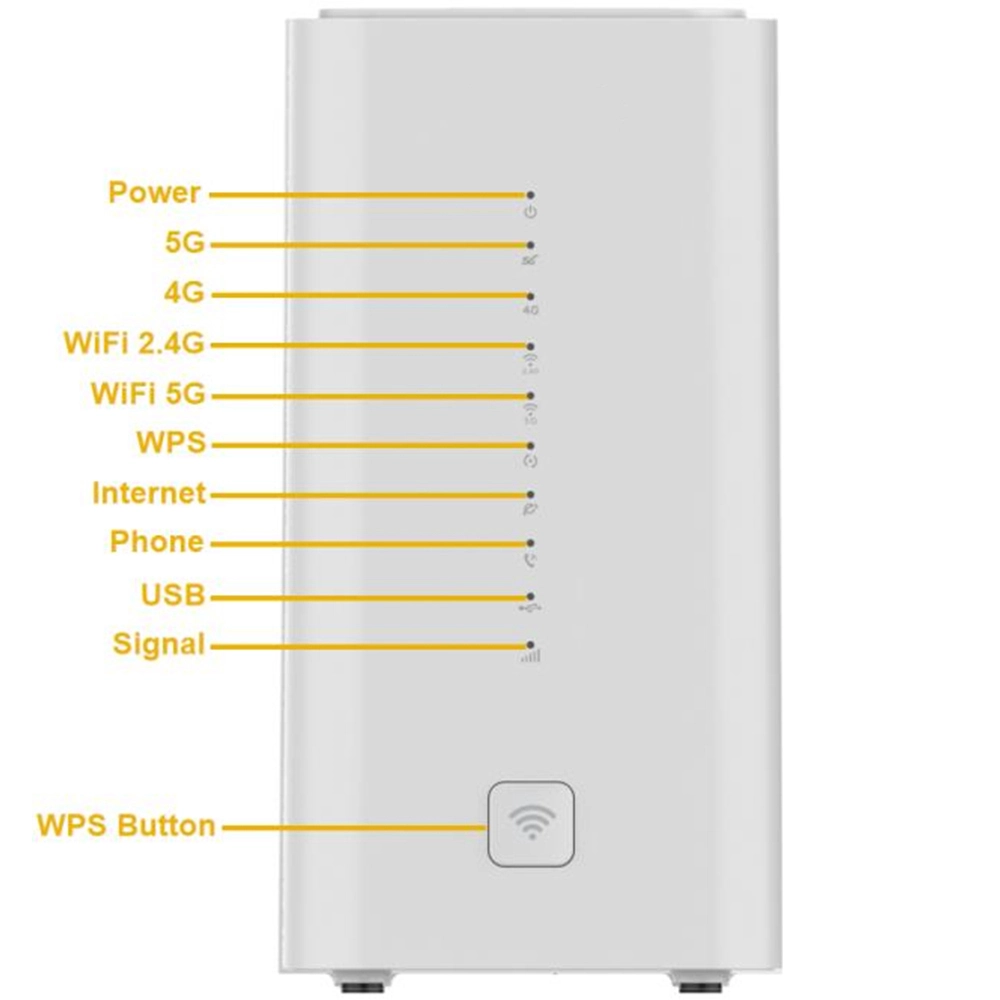
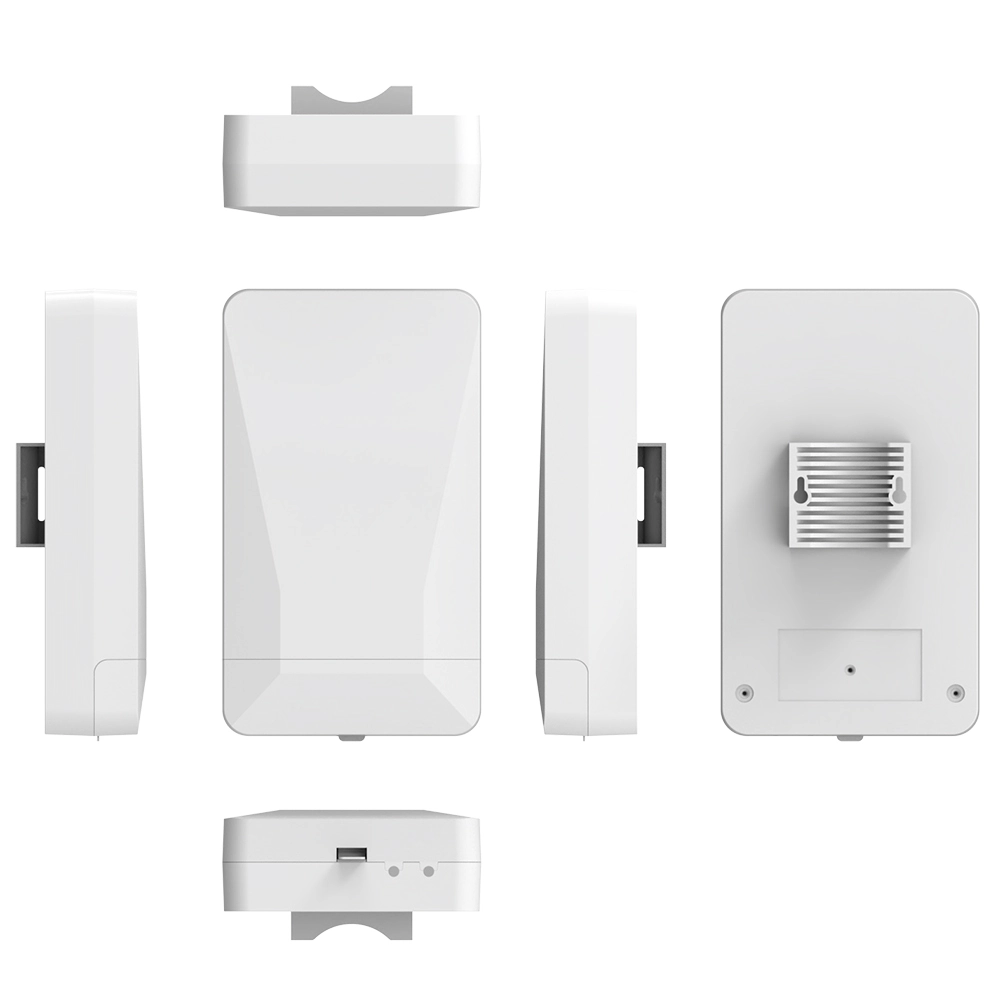
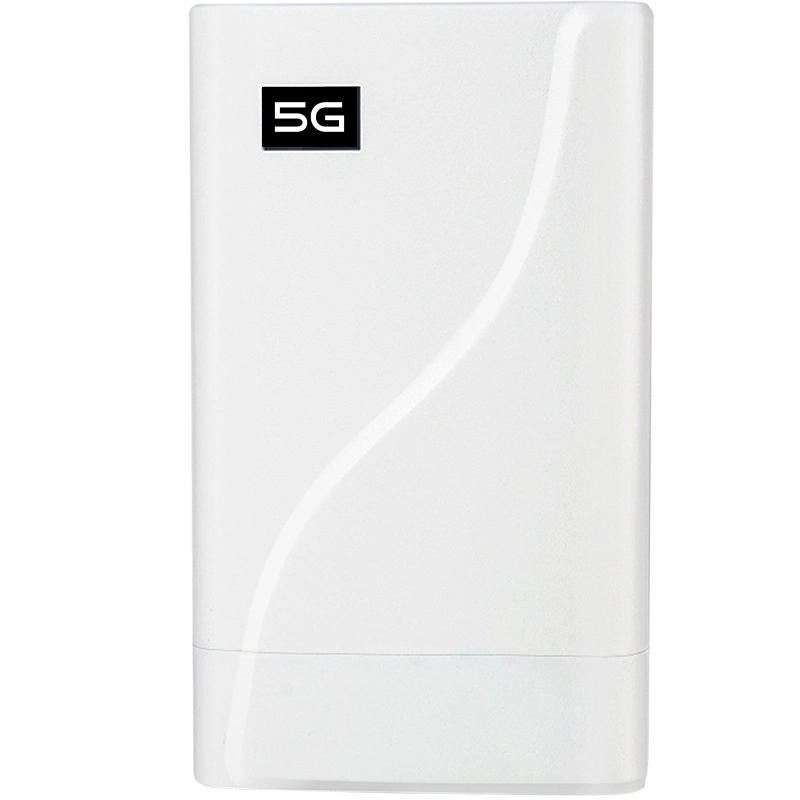
When searching for the best 5g router for weak signal, the environment is usually the primary antagonist. In remote zones or sprawling estates, indoor signals are often blocked by heavy machinery or geographical barriers. This is where a dedicated 5G outdoor router with a SIM slot becomes transformative.
These devices are mounted externally at optimal heights, using high-gain antennas to “grab” weak 5G signals that indoor devices miss. Imagine a smart farm spanning thousands of acres; deploying miles of fiber is cost-prohibitive. By installing a professional 5G outdoor router, the site achieves a “plug-and-play” broadband experience, enabling real-time data transmission from sensors and autonomous machinery directly to the cloud. This agility allows project managers to bypass the months-long lead times associated with traditional internet service providers.
Performance on the Move: The New Standard for Field Teams
While fixed assets require permanent gateways, field engineers, technical consultants, and onsite teams require portability without compromising on the best 5g sim wifi router performance.
A professional 5G pocket router is a significant upgrade from a standard smartphone hotspot. Equipped with WiFi 6 technology and high-density 4400 mAh batteries, these devices handle sustained, high-bandwidth data transfers without overheating. More importantly, they offer robust security protocols that protect data from the vulnerabilities inherent in public WiFi networks. For teams on the move, this is about maintaining a secure, mobile fortress for sensitive information.
Engineering Trust Through Quality and Service
In large-scale procurement, reliability and service are the currencies of trust. A partner must be more than just a vendor; they must be a technical ally capable of handling the nuances of hardware customization and global logistics.
The four pillars of a successful connectivity partnership include:
- R&D Depth: Engineering teams with a decade of experience ensure that PCB layouts meet EMC standards, significantly reducing interference while increasing stability.
- Manufacturing Control: Direct oversight of production lines means quality control is never outsourced. From material warehousing IQC to 100% production line testing, every unit is verified.
- Round-the-Clock Support: Global operations never sleep. A 7×24 hour online service model ensures that technical queries are addressed regardless of time zones, preventing project delays.
- Hardware Flexibility: Whether it is integrating an eSIM, adding a TS9 connector for external antennas, or optimizing for specific carrier bands in Nigeria, Mexico, or Australia, the ability to customize hardware is critical.
Stable connectivity is the fuel of digital transformation. When we discuss the best 5G networking solutions, we are discussing the foundation upon which your projects will grow. Selecting equipment that understands both the technical intricacies of 5G and the harsh realities of field deployment is the only way to ensure your infrastructure remains future-proof.
Frequently Asked Questions (FAQ)
1. What defines an “Industrial Grade” 5G cellular router?
Industrial-grade routers are defined by their durability. Unlike consumer models, they use high-performance communication chipsets (such as ASR or MediaTek platforms) and are housed in ruggedized, heat-dissipating enclosures. They feature advanced software functions like auto-reconnection (Watchdog), VPN tunneling, and remote management (TR069) to ensure 24/7 operation in unmanned locations.
2. Can 5G outdoor routers withstand extreme weather conditions?
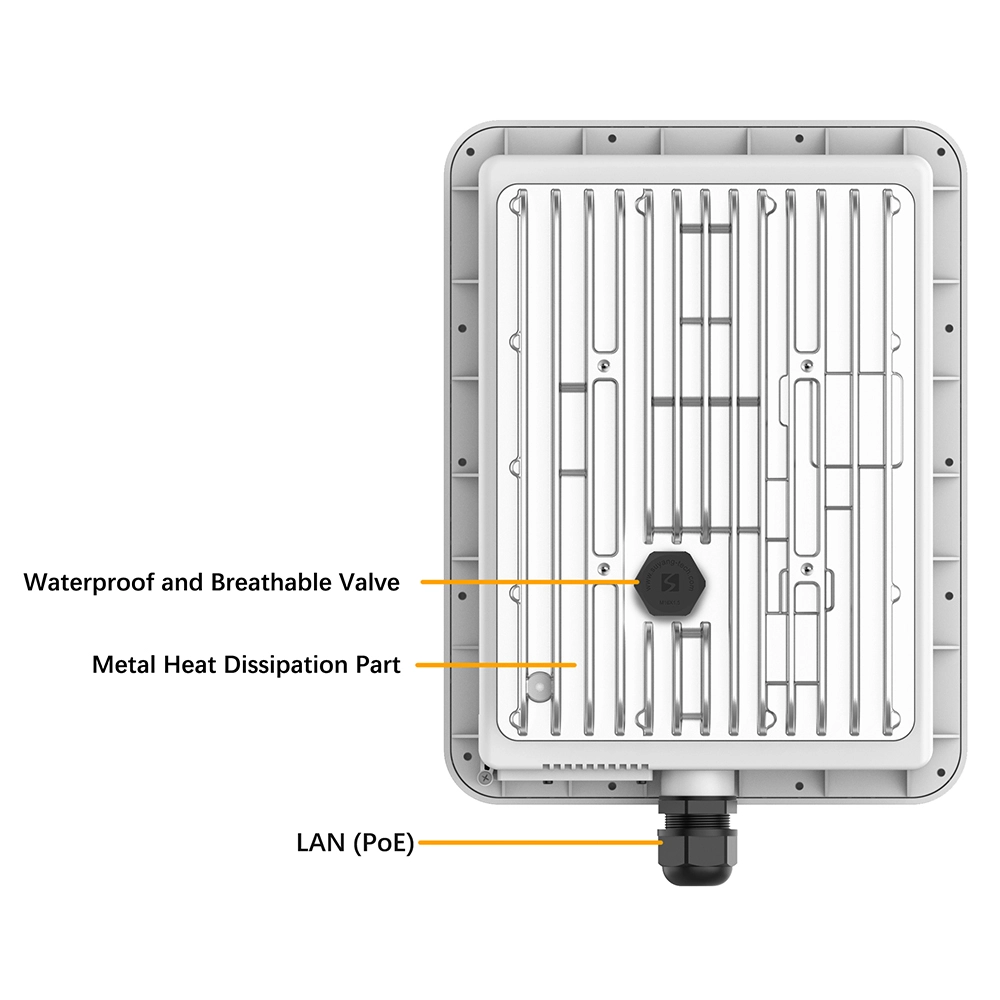
Yes. Professional 5G outdoor routers are built with an IP65 or IP66 rating, making them completely dust-tight and protected against powerful water jets. The casings are made from UV-stabilized materials to prevent cracking under intense sunlight, and they include surge protection to handle lightning strikes.
3. Is hardware and software customization available?
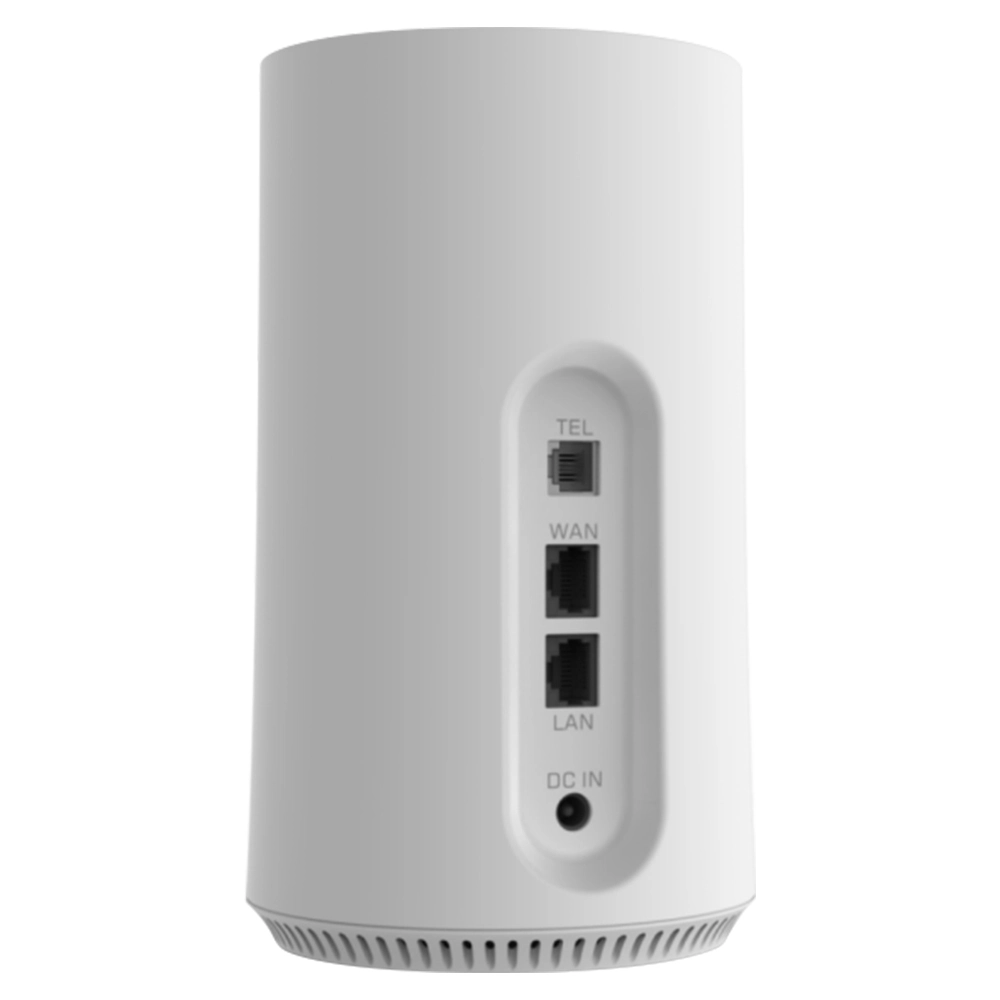
Absolutely. We provide comprehensive customization services. This includes hardware modifications (RJ11 ports, eSIM integration, TS9 antenna ports) and software customization (custom Web UI, pre-configured APNs, brand logos, and specific frequency band tuning for global carriers).
4. How does a 5G pocket router compare to mobile hotspots?
A dedicated 5G pocket router offers superior signal reception due to dedicated internal antennas and a specialized modem. Unlike smartphones, which throttle speeds due to heat during prolonged use, pocket routers are designed for continuous high-speed WiFi 6 output, supporting more concurrent devices (up to 32) with much longer battery life.
5. What is the typical lead time for bulk orders?
Because we operate our own SMT and assembly lines, we offer highly competitive lead times. Sample orders are typically processed within 3-5 business days, while large orders generally range from 2 to 6 weeks depending on the level of customization required.
6. Are these routers compatible with global 4G/5G SIM cards?
Our routers are designed with multi-band support to ensure compatibility with major carriers across the US, Nigeria, Australia, Brazil, Mexico, and beyond. During the inquiry process, our engineers will confirm the specific frequency bands required for your region to ensure seamless “plug-and-play” connectivity.


What can we do for you?