
Finding a reliable internet connection in remote locations, on the move, or in challenging environments can feel like searching for a needle in a haystack. Standard home routers fail when there’s no fiber or cable, and weak cellular signals render even the best data plans useless. This is where a specialized tool becomes essential: the 5G router with SIM slot and external antenna. But with so many technical terms and models on the market, choosing the right one is daunting. This guide cuts through the complexity. We’ll explain exactly what you need to know—from decoding frequency bands to understanding antenna gain—so you can select a router that delivers fast, stable, and secure connectivity exactly where you need it most.
What is a 5G Router with SIM Slot and External Antenna?
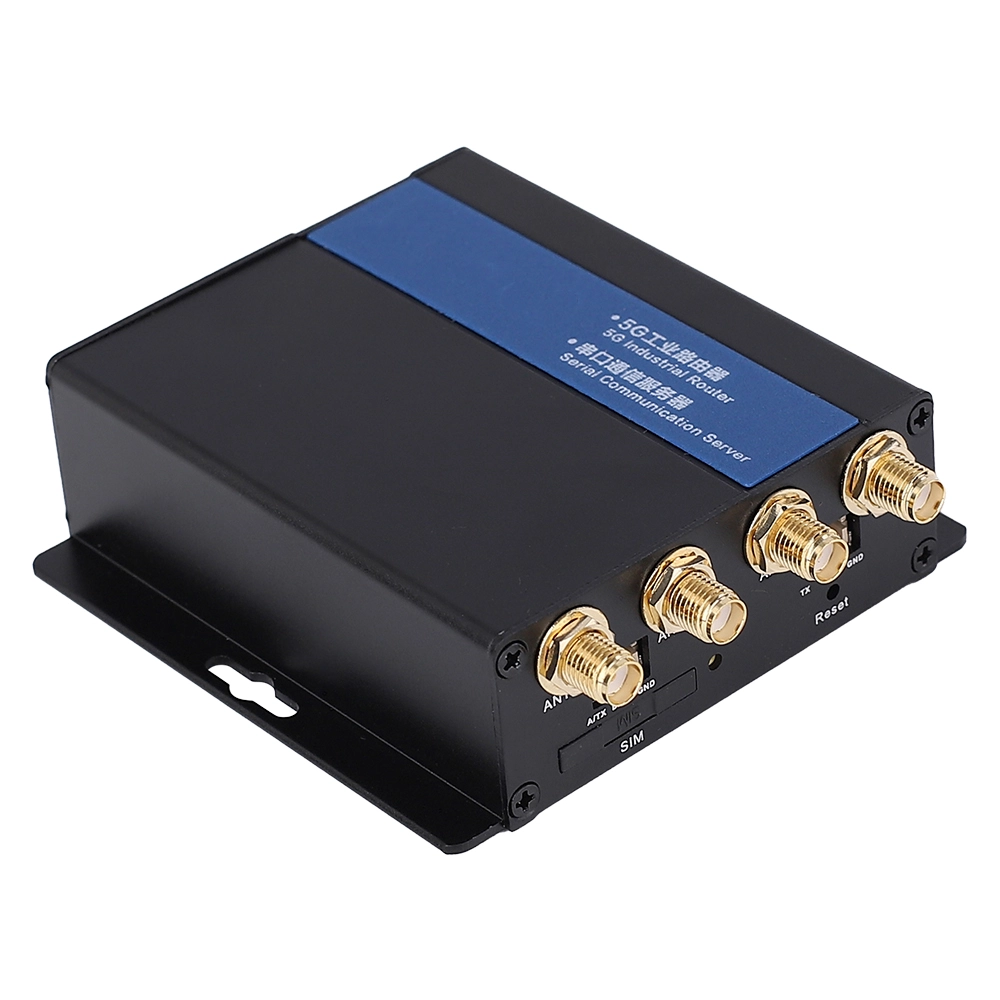
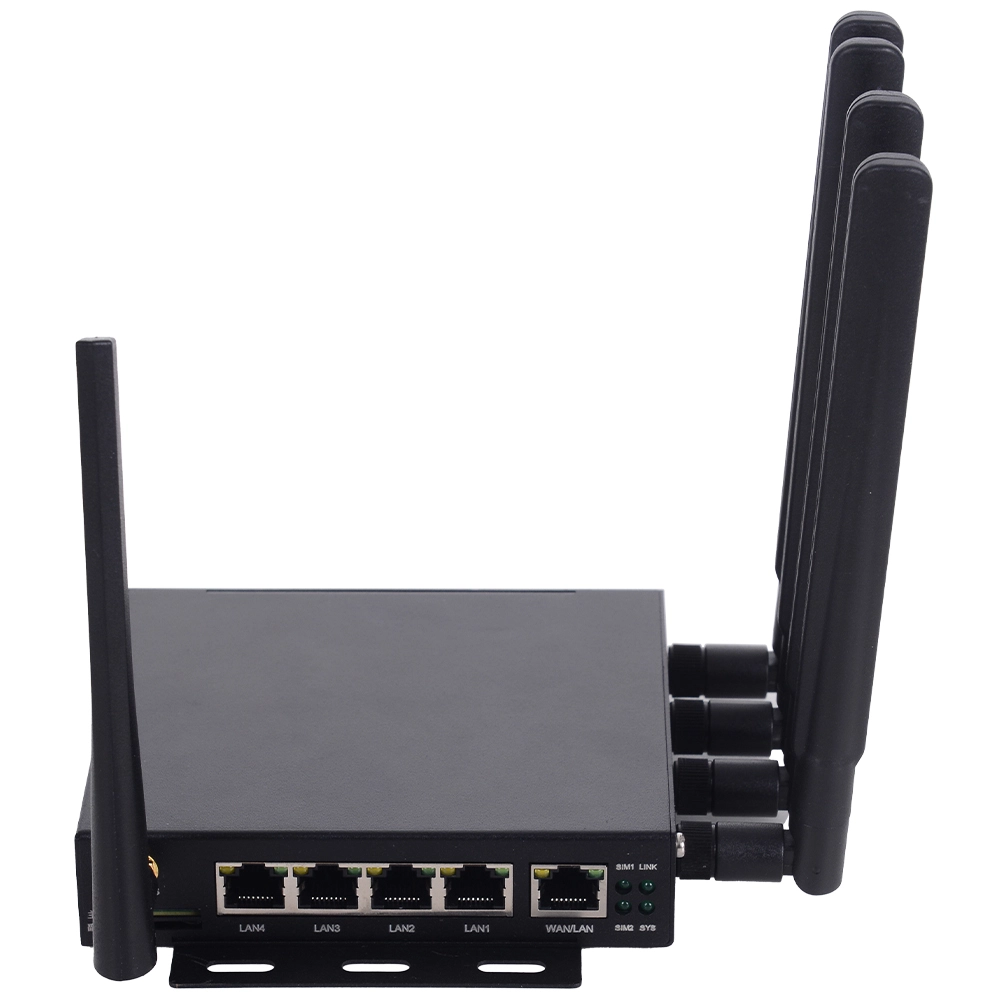
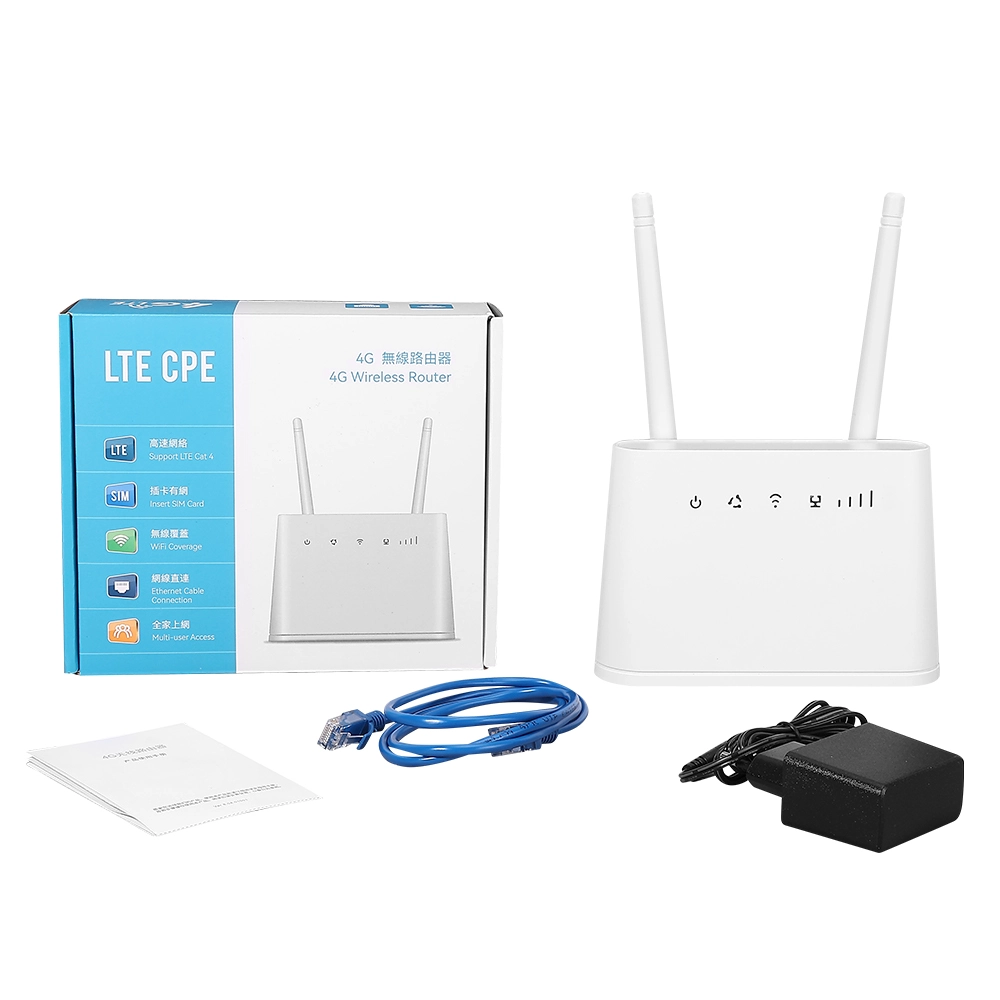
Let’s break down this powerful device. At its core, a 5G cellular router is a gateway that connects to the internet using a mobile network (5G/4G) instead of a traditional wired line. The SIM slot is where you insert a data SIM card from a mobile carrier, just like in your phone. This is the heart of its mobility. The external antenna ports are the game-changer. They allow you to connect high-gain, directional, or omnidirectional antennas to significantly boost signal reception. Think of it this way: the router’s internal antennas are like trying to listen to a distant radio station with your bare ears. External antennas are like powerful satellite dishes, pulling in clear signals from much farther away. This combination makes these routers indispensable for industrial sites, rural farms, construction trailers, vehicles, boats, and temporary event setups where reliable, high-speed internet is critical but hard to come by.
Key Features to Look For When Choosing Your Router
Not all 5G routers are created equal. To avoid costly mistakes, focus on these critical specifications that directly impact performance.
1. 5G Frequency Bands and Carrier Compatibility
This is arguably the most important technical detail. 5G operates on different radio frequencies, often categorized as low-band (coverage), mid-band (balance), and high-band or mmWave (extreme speed, short range). A router must support the specific bands your local carrier uses. In the U.S., for example, major carriers use a mix of n2, n5, n66, n77, and n260/n261. A router missing key bands will fail to connect to 5G or will drop to slower 4G. Always check your carrier’s band information and ensure the router’s specifications list them. A future-proof router supports a wide array of global bands (e.g., n1, n3, n7, n8, n20, n28, n38, n41, n78), ensuring compatibility if you travel or switch providers. This is a core strength of industrial-grade routers designed for global deployment.
2. Understanding Antenna Gain and Types
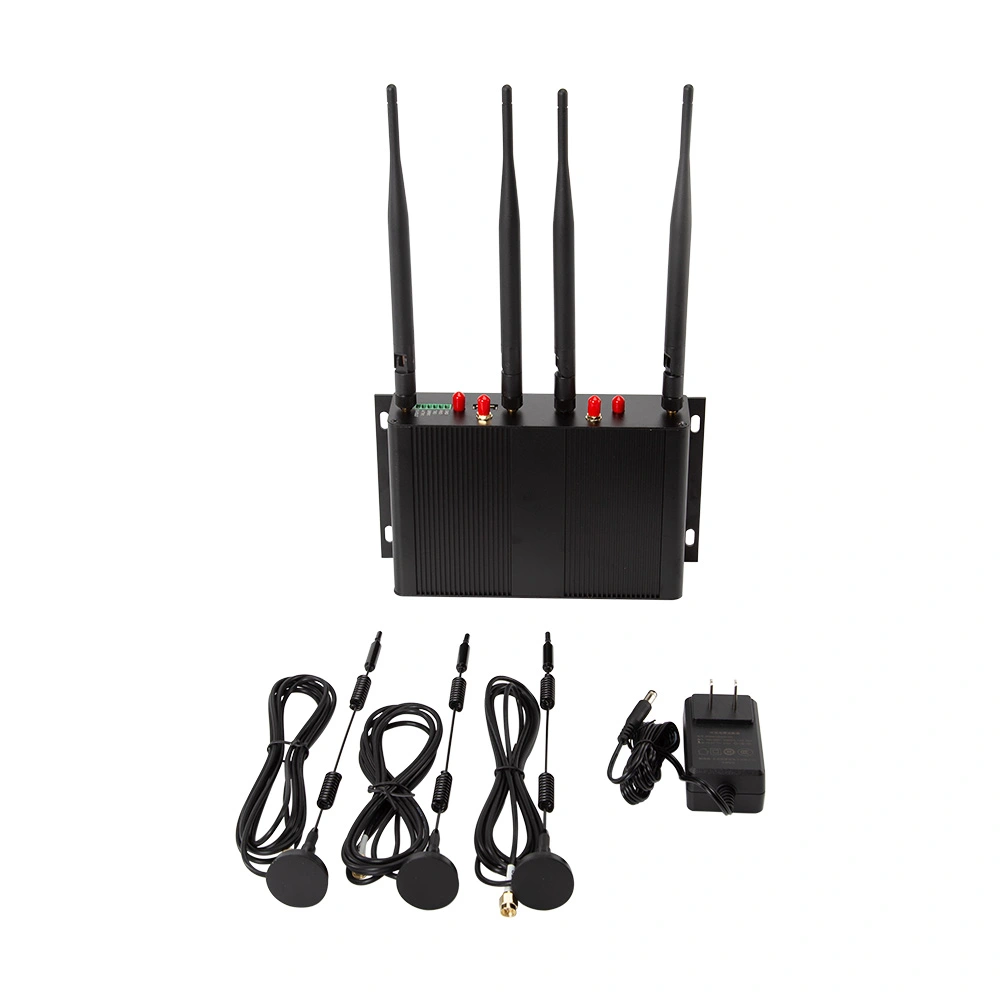
The external antenna capability is why you’re considering this type of router. Antenna gain, measured in dBi, indicates how effectively it focuses radio energy. A higher dBi doesn’t always mean \"better\"—it means more directional. An omnidirectional antenna (e.g., 4-5 dBi) receives signals from all horizontal directions, ideal for general area coverage. A directional or panel antenna (e.g., 9-12 dBi) focuses its power in a specific beam, like a flashlight. It can pull in a much weaker signal from a distant tower but must be carefully aimed. For a 5G router with SIM slot and external antenna, look for routers with multiple antenna ports (typically 4 or more) for MIMO (Multiple Input, Multiple Output) configurations, which dramatically improve data throughput and connection stability by using multiple data streams.
3. SIM Card Compatibility and Failover Features
Most routers accept standard nano-SIM cards. However, for mission-critical applications, consider a dual SIM industrial router. This feature provides built-in network resilience. If the primary SIM card’s network fails or signal drops, the router automatically and seamlessly switches to the secondary SIM (from a different carrier, ideally). This network failover ensures zero downtime for applications like remote monitoring, digital signage, or payment systems. Some advanced models even support link aggregation, bonding the connections from both SIMs to increase total bandwidth. Verify the router supports the right SIM form factor and has robust management tools for configuring failover rules.
4. Security and Management Capabilities
Connecting industrial equipment or a remote office over a cellular network demands enterprise-grade security. Look for built-in firewall with stateful packet inspection, support for VPN protocols (IPSec, OpenVPN, WireGuard), and the ability to create secure tunnels back to your headquarters. A good router will also offer VLAN support to segment network traffic and advanced features like access control lists (ACLs). Remote management via a cloud platform or a secure web interface is crucial for maintaining devices deployed in hard-to-reach locations without sending a technician on-site.
Comparing Router Types: Consumer vs. Industrial Grade
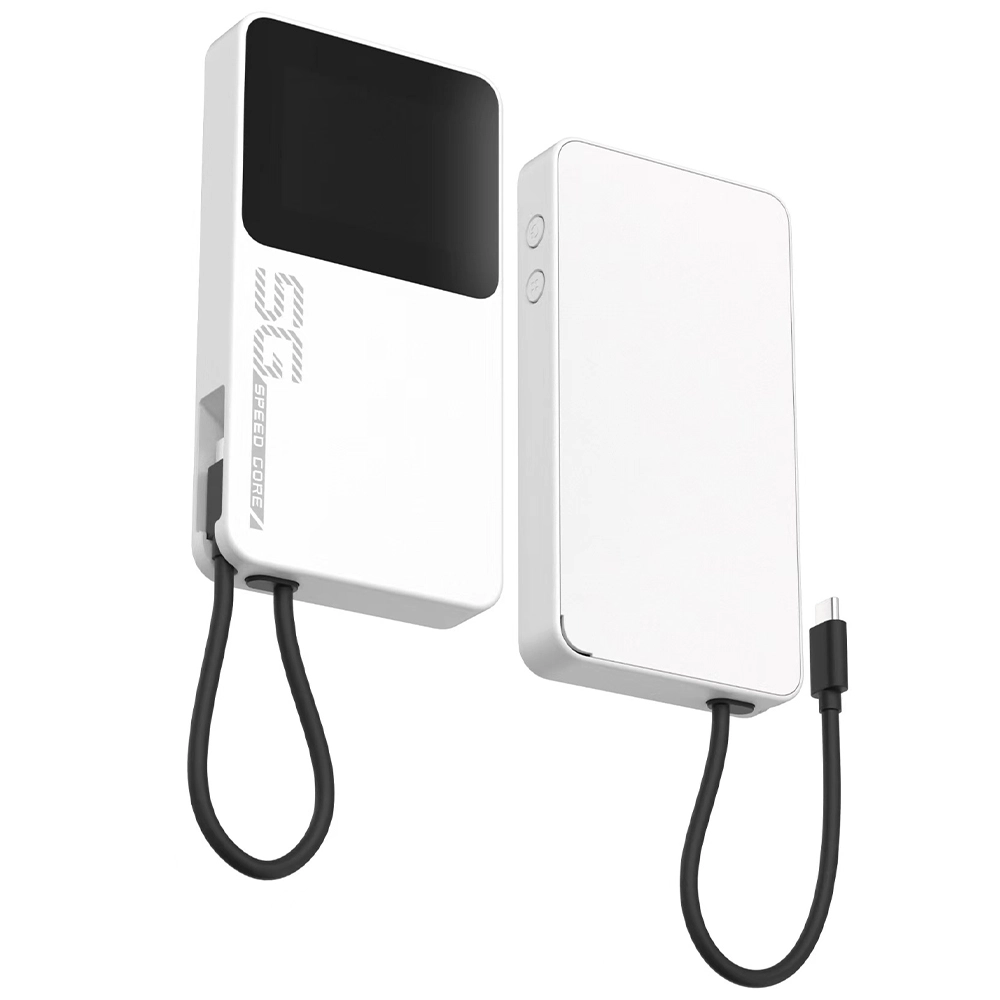
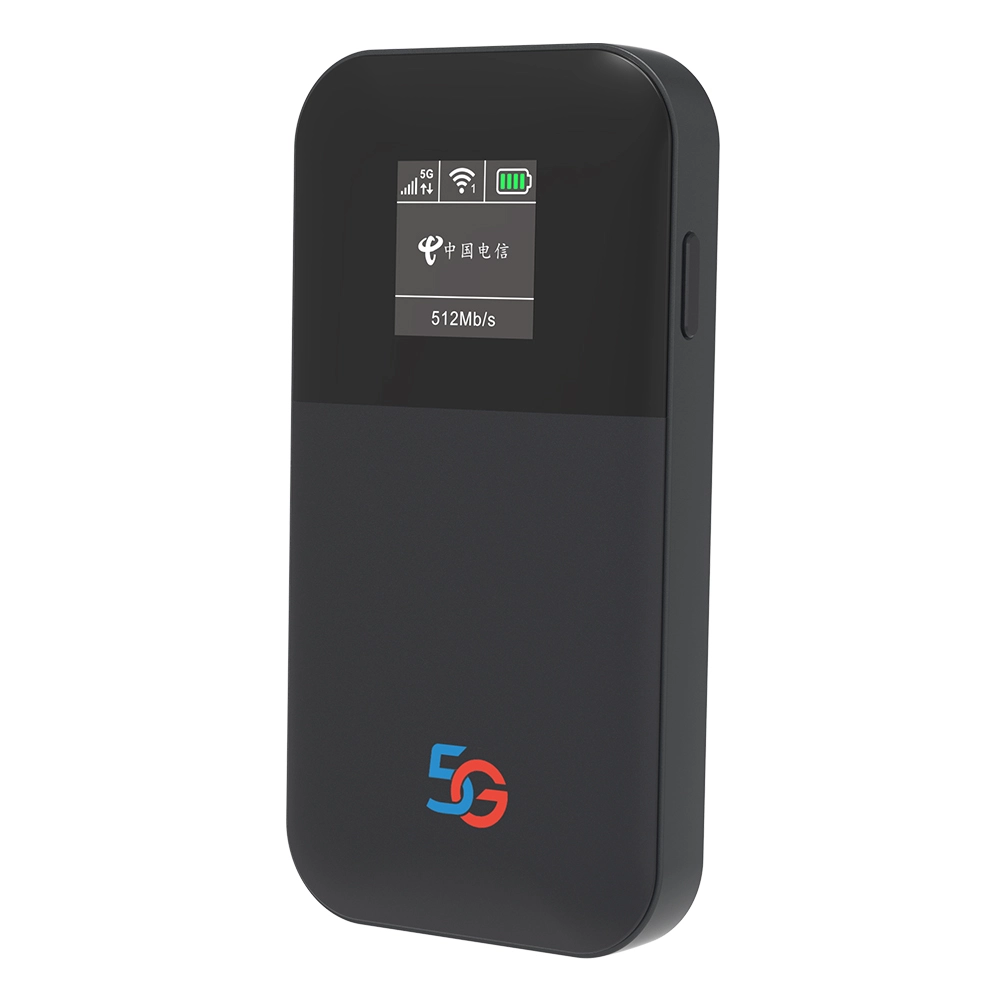
You might find consumer-grade 5G hotspots at your electronics store. Why choose an industrial 5G router with SIM slot and external antenna? The difference is like comparing a family sedan to a heavy-duty work truck.
- Durability: Industrial routers are built for harsh environments. They operate in extreme temperatures (-40°C to +75°C), resist dust and water (IP30 or higher ratings), and can withstand vibration and power surges common in vehicles or factories.
- Performance Stability: They use higher-quality components and sophisticated PCB design to minimize electromagnetic interference (EMI), ensuring stable data transmission 24/7. Consumer devices can overheat or crash under constant load.
- Interface Richness: Beyond standard Ethernet (RJ45), industrial routers often feature serial ports (RS232/RS485) for connecting legacy industrial equipment, digital I/O (DI/DO) for sensor triggering, and PoE (Power over Ethernet) to power connected devices like security cameras.
- Longevity & Support: They are designed for long-term deployment with extended product lifecycles and professional firmware support, unlike consumer gadgets with rapid obsolescence.
Real-World Applications and Use Cases
Where does this technology shine? Here are concrete examples where a robust 5G cellular router solves real problems.
Remote Construction and Mining Sites
These locations often have zero wired infrastructure. A rugged router with high-gain directional antennas can connect to a cellular tower miles away, providing internet for site offices, equipment telemetry, security camera feeds, and worker connectivity. The industrial design withstands dust, vibration, and wide temperature swings.
Public Transportation and Fleet Management
On buses, trains, or service vehicles, a dual SIM industrial router ensures continuous connectivity for passenger Wi-Fi, GPS tracking, real-time surveillance, and digital signage. Automatic failover between carriers prevents dropouts when moving between coverage areas, and the metal casing handles constant vibration.
Smart Agriculture and Environmental Monitoring
In vast agricultural fields or remote weather stations, these routers connect soil sensors, irrigation controls, and HD cameras. The external antenna is mounted high on a pole to capture the best signal, enabling farmers to monitor and manage operations from anywhere.
Emergency Response and Temporary Events
For disaster recovery crews or pop-up festivals, a portable 5G router kit can establish a secure command center network in minutes, independent of local damaged or overloaded infrastructure.
Why Choose Our 5G Router Solution?
With over a decade of specialization in industrial communication, we don’t just sell routers; we engineer connectivity solutions for the most demanding scenarios. Our flagship 5G router with SIM slot and external antenna embodies this expertise.
It is built on a foundation of intensive R&D, with PCB layouts meticulously designed by engineers with 10+ years of experience to eliminate interference and ensure compliance with strict EMC and safety regulations. Every unit is produced in our own ISO9001-certified facility, undergoing 100% testing on the production line and final AQL inspection before shipment. This rigorous process guarantees the reliability we’re known for.
Our router supports global 5G/4G bands, features four high-power external antenna ports for maximum signal flexibility, and includes dual SIM slots with intelligent failover for unbeatable uptime. It’s housed in a robust metal case rated for wide-temperature operation and equipped with industrial interfaces like RS485 and DI/DO for seamless IoT integration. We back it with 24/7 technical support and deep customization options, from firmware to hardware interfaces.
We understand that choosing the right router is critical. Contact our team for a free consultation. We’ll analyze your application, environment, and performance needs to recommend the perfect solution. For a limited time, mention this guide to receive a special discount on your first order.
Frequently Asked Questions (FAQs)
1. Can I use any external antenna with a 5G router?
Not exactly. You must use antennas that support the specific 5G frequency bands your router and carrier utilize. Also, ensure the antenna connector type (e.g., SMA, TNC) matches the router’s ports. Using a mismatched or low-quality antenna can degrade performance.
2. How does the dual SIM failover work in practice?
The router is constantly monitoring the connection quality (signal strength, latency) of the primary SIM. If it detects a failure or the signal drops below a pre-set threshold, it automatically switches all data traffic to the secondary SIM card within seconds. This process is seamless, so connected devices (like a payment terminal or camera) experience no interruption.
3. What’s the real-world speed difference between using internal vs. external antennas?
In areas with strong signal, the difference may be minimal. However, in low-signal or congested areas, external antennas can be the difference between an unusable 5 Mbps connection and a stable 50+ Mbps connection. They improve both download/upload speeds and overall network stability by providing better signal-to-noise ratio.
4. Are industrial 5G routers difficult to configure?
While they offer advanced features for professionals, most come with intuitive web-based interfaces or cloud management platforms for basic setup (SIM configuration, Wi-Fi settings). For complex setups like VPNs or VLANs, our support team provides comprehensive guides and direct assistance to get you up and running.
5. Do I need a special \"5G\" data plan from my carrier?
Yes, you typically need a dedicated data plan for IoT/M2M devices or a mobile broadband plan that allows hotspot/tethering. Standard smartphone plans may have restrictions or throttle speeds when used in a router. Always check with your carrier to get the appropriate plan for your expected data usage.

What can we do for you?