
Imagine landing in a new country, turning on your device, and having instant, high-speed internet without hunting for a local SIM vendor or risking your data on a sketchy public network. For modern travelers, digital nomads, and remote professionals, this isn’t just a convenience—it’s a necessity. The traditional model of international connectivity, plagued by exorbitant roaming fees, incompatible SIM cards, and unreliable public WiFi, is finally being disrupted. At the heart of this revolution is a powerful, portable device: a 5G WiFi hotspot that accepts all SIM cards. This isn’t merely an incremental upgrade; it represents a fundamental shift in how we access the internet globally, offering unparalleled freedom, security, and performance. This article explores why a universal 5G WiFi hotspot might be the single most important tool in your travel or remote work kit, dissecting its benefits, key features, and how it simplifies the complex world of global connectivity.
The End of SIM Card Swaps: Unlocking True Global Freedom
For anyone who travels frequently, the ritual of acquiring a local SIM card is a familiar headache. It involves finding a reputable store, navigating language barriers, presenting identification, and then carefully swapping out the tiny chip in your phone, often with a paperclip. This process wastes precious time at the start of your trip and leaves you disconnected the moment you land. A 5G WiFi hotspot for all SIM cards eliminates this entire ordeal. By being carrier-unlocked, it gives you the power to choose. You can pop in a pre-purchased regional eSIM data plan, buy a cheap local physical SIM at the airport, or even continue using your home country’s SIM if the roaming package is favorable. The hotspot becomes your personal, portable internet gateway, independent of your phone’s SIM slot. This means your primary phone number remains active for calls and texts via WiFi Calling, while the hotspot handles all data-heavy tasks. The convenience factor is monumental, transforming connectivity from a logistical challenge into a seamless, background activity. You gain immediate internet access upon arrival, allowing you to hail a ride, translate a sign, message loved ones, or check into your accommodation without delay. This freedom extends beyond tourism. Deploying remote teams, managing international projects, or conducting business across borders becomes significantly smoother when every team member has a reliable, standardized internet source that works identically in Berlin, Bangkok, or Buenos Aires.
Fort Knox in Your Pocket: Security Beyond Public WiFi Risks
Public WiFi networks in airports, hotels, and cafes are a notorious security minefield. These open networks are hunting grounds for cybercriminals running \"man-in-the-middle\" attacks, packet sniffing, and setting up malicious fake hotspots with similar names (\"Starbucks FREE\" vs. \"Starbucks_FREE\"). When you connect to public WiFi, you potentially expose your login credentials, financial information, private emails, and business data. A personal 5G WiFi hotspot for all SIM cards replaces this public risk with a private, secure connection. The data transmitted between your devices (laptop, tablet, phone) and the hotspot is typically protected by robust WPA2/WPA3 encryption, similar to your secure home network. All your internet traffic then travels from the hotspot to the cellular network via a secure mobile data link. This creates a private bubble of connectivity around you. For remote workers handling sensitive client data, journalists protecting sources, or anyone conducting online banking, this security is non-negotiable. Furthermore, many advanced 5G hotspots come with built-in firewall capabilities and support for VPN pass-through, allowing you to run a corporate or personal VPN on your connected devices for an additional layer of encryption. By carrying your own network, you control the security perimeter, dramatically reducing the risk of data theft and cyber-attacks that are rampant on shared public infrastructures.
The Remote Worker’s Lifeline: Consistency and Performance Anywhere
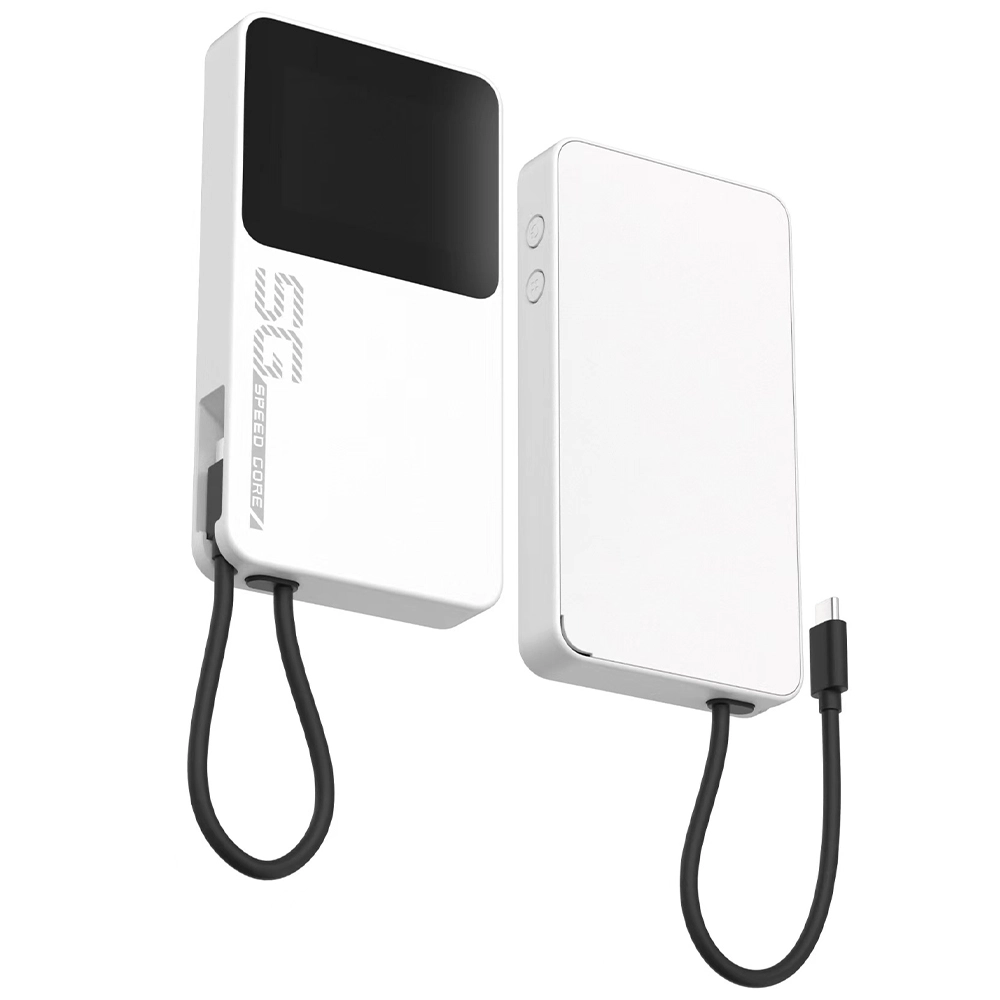
The \"work from anywhere\" dream often crashes against the reality of poor internet. Video calls freeze, large files refuse to upload, and cloud applications become unusable. A high-performance 5G WiFi hotspot is the solution that makes remote work truly viable. By leveraging 5G and 4G LTE networks, these devices can deliver download speeds that rival or exceed many fixed-line broadband connections, often reaching hundreds of Mbps. This ensures smooth Zoom/Teams meetings, rapid software syncs, and effortless streaming. The \"for all SIM cards\" feature is crucial here. It allows you to seek out the mobile carrier with the strongest signal and best speeds in your specific location, whether it’s a coastal village, a mountain cabin, or a bustling city center. You’re not locked into a single, potentially weak network. For sustained work sessions, battery life is key. Leading hotspots offer 8-12 hours of continuous use and can often double as power banks to charge your phone. Some models allow for continuous power via USB-C, making them perfect for a fixed remote desk setup. This combination of high-speed, carrier-flexible connectivity and long-lasting power creates a professional-grade internet environment, empowering you to be productive and reliable no matter where your work takes you, without compromising on performance or professional appearance during critical video conferences.
How to Choose Your Perfect Global 5G Hotspot: A Buyer’s Checklist
Not all hotspots are created equal. Selecting the right one requires careful consideration of several technical and practical factors to ensure it meets your global needs.
- Network Compatibility & Bands: This is the most critical technical spec. A truly global 5G WiFi hotspot must support a wide array of 5G and 4G LTE frequency bands used across different continents (e.g., n1, n3, n5, n7, n8, n20, n28, n38, n41, n77, n78 for 5G). The more bands it supports, the better your chances of connecting to the fastest available network anywhere in the world. Always check the band support list against the regions you frequent.
- SIM and eSIM Flexibility: Ensure the device is truly unlocked and supports both physical nano-SIM cards and eSIM profiles. eSIM support is a game-changer, allowing you to digitally download and activate a data plan before you even land, often at cheaper rates than physical SIMs.
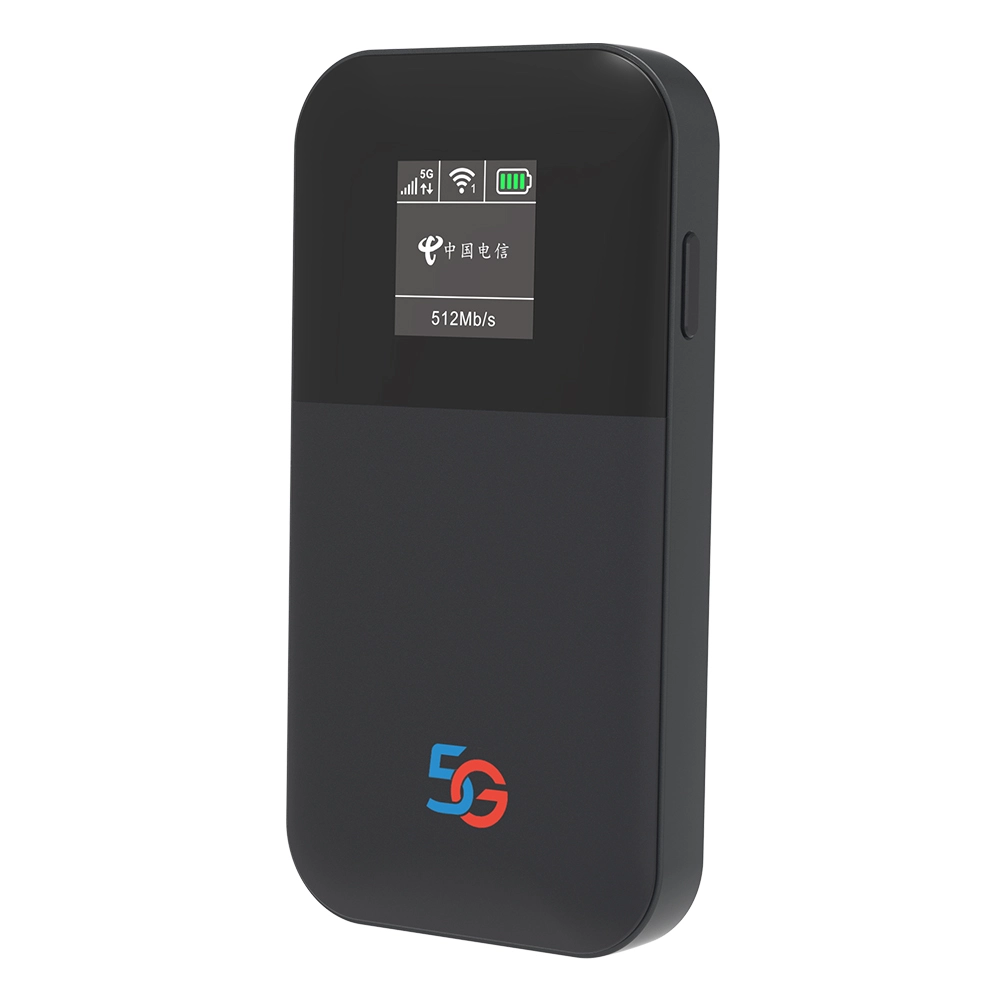
- Battery Life and Management: Look for a device with a high-capacity battery (e.g., 3000mAh or more) that promises a full day of use. Features like an OLED screen that clearly displays signal strength, data usage, and battery level are incredibly helpful for management.
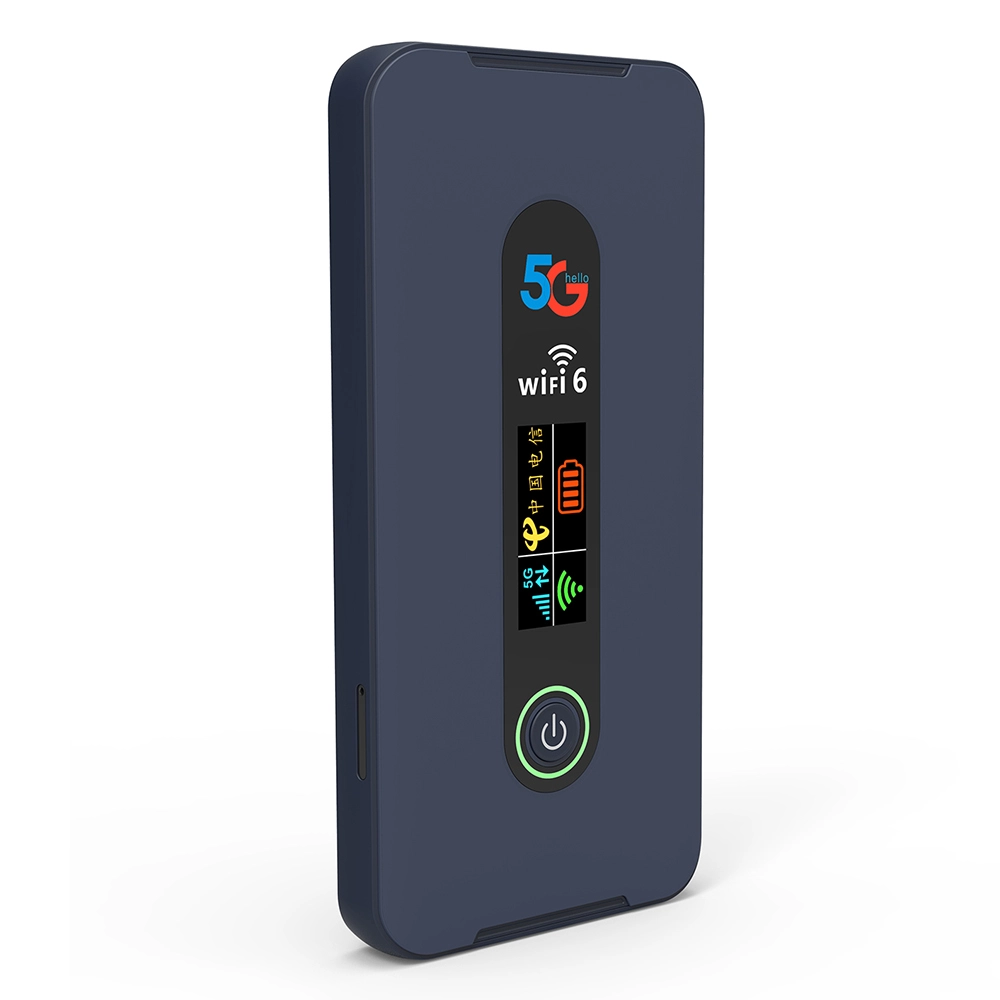
- Connectivity and Sharing: Check how many devices can connect simultaneously (10-15 is a good range) and if it supports the latest Wi-Fi 6 standard for efficient, high-speed connections to multiple gadgets. A built-in Ethernet port can be a lifesaver for connecting gaming consoles or devices that need a more stable link.
- Security Features: Beyond standard WPA3 encryption, look for features like a built-in firewall, the ability to create a guest network, and MAC address filtering for enhanced control over who accesses your private bubble.
The Cost-Saving Analysis: Beating International Roaming
At first glance, purchasing a dedicated 5G WiFi hotspot represents an upfront investment. However, a simple cost analysis reveals significant long-term savings, especially for frequent travelers. Mobile carriers charge notoriously high fees for international roaming data, often $10-$15 per day, which can add hundreds to your monthly bill during a trip. In contrast, a local SIM card with a generous data package in most countries costs between $20-$50 for a month. An eSIM data plan for a specific region can be even cheaper. By using a local SIM in your universal hotspot, you immediately save 50-80% on data costs compared to roaming. Over the course of a few trips, the hotspot pays for itself. Furthermore, it allows you to be a savvy consumer—you can shop for the best local data deal without being tied to your home carrier’s monopoly on your phone’s SIM slot. For businesses, issuing employees with global hotspots can lead to predictable, manageable connectivity expenses, eliminating bill shocks from roaming overages and increasing overall operational efficiency by keeping teams online and productive.
Real-World Applications: Beyond Tourism and Remote Work
The utility of a universal 5G WiFi hotspot extends into numerous other scenarios. Content creators and live streamers can broadcast high-quality video from remote locations. RV travelers and boaters can maintain a stable internet connection while on the move. International students can avoid long-term contracts and get connected immediately upon arrival in their host country. Journalists and field reporters can file stories and transmit footage from conflict zones or disaster areas where infrastructure is damaged. Families on vacation can share a single, cost-effective data plan among all their devices, avoiding the need to buy multiple local SIMs. The common thread is the need for immediate, reliable, and secure internet that is not dependent on fixed location or a single network provider. The 5G WiFi hotspot for all SIM cards acts as a universal key to the world’s cellular networks, democratizing high-speed access and empowering a mobile, connected lifestyle.
Embracing the Connected Future
The evolution of mobile technology points towards a borderless digital experience. The device that encapsulates this future isn’t just a smartphone with a single eSIM; it’s a dedicated, powerful 5G WiFi hotspot designed to accept all SIM cards. It separates your critical internet access from the limitations of your phone, provides a fortress of security, delivers professional-grade speeds, and offers profound cost savings and convenience. For the modern traveler who values time and security, the remote worker whose livelihood depends on a stable connection, or anyone who needs reliable internet beyond their home borders, this tool is no longer a luxury—it’s an essential component of a global, digital life. It represents a shift from adapting to fragmented local systems to carrying your own, personal piece of the internet wherever you go.
Frequently Asked Questions (FAQs)
1. What exactly is a \"5G WiFi hotspot for all SIM cards\"?
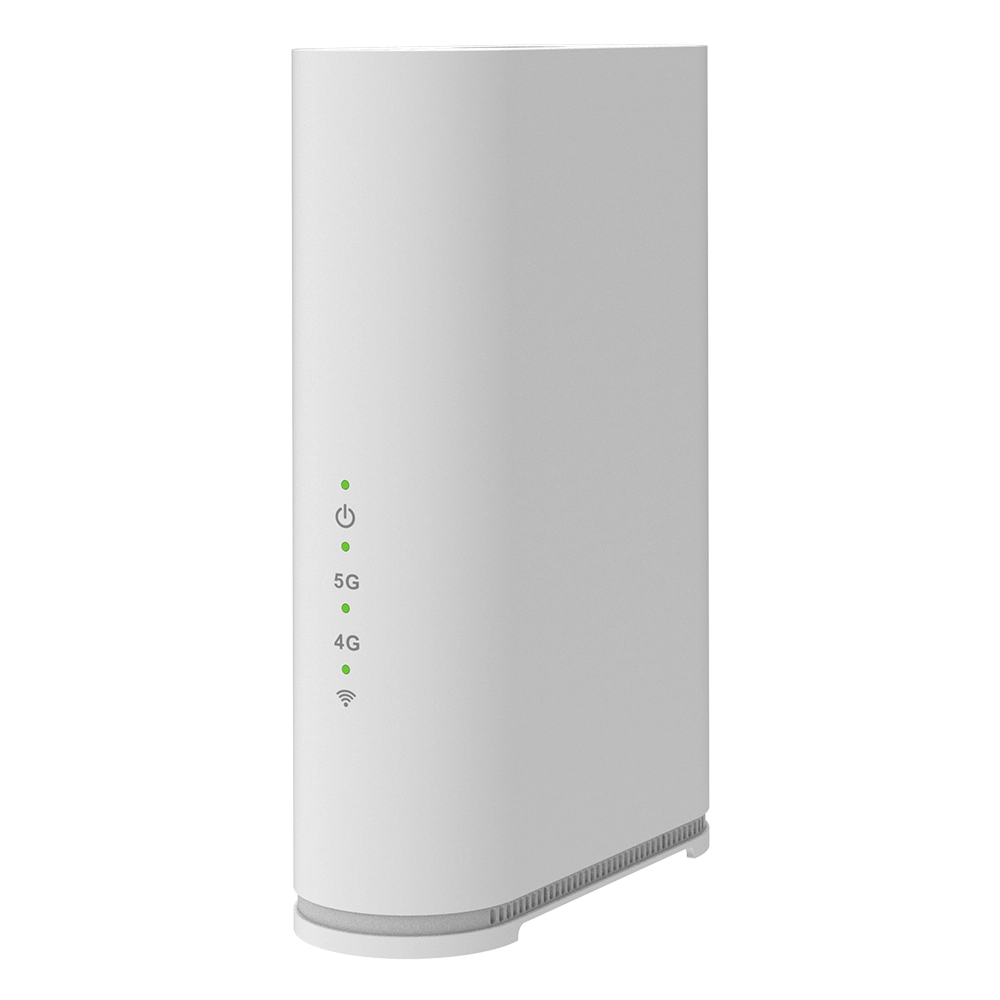
It is a portable, battery-powered device that creates a private WiFi network for your laptops, tablets, and phones. Its key features are: 1) It connects to the internet using super-fast 5G (and 4G LTE) cellular networks. 2) It is \"unlocked,\" meaning it is not tied to any specific mobile carrier. You can insert a physical SIM card from any provider worldwide or use a digital eSIM data plan, giving you the freedom to choose the best local network for coverage and price wherever you are.
2. Is using a hotspot like this really more secure than public WiFi?
Absolutely. Public WiFi is shared and often unencrypted, making your data visible to others on the network. A personal hotspot creates a private, encrypted connection (like your home WiFi) between your devices and the hotspot itself. Your data then travels securely over the cellular network. This eliminates the risks of snooping and fake hotspots common in airports and cafes, providing a much safer environment for online banking, work, and communication.
3. How does the cost compare to using my phone’s international roaming?
Using your phone’s international roaming is typically the most expensive option. A 5G WiFi hotspot allows you to use affordable local SIM cards or eSIM data plans. For example, while roaming might cost $10-$15 per day, a local 30-day data plan might cost $30 total. After a few days of travel, the savings from using a local SIM in your hotspot will outweigh the device’s cost, leading to significant long-term savings, especially for frequent travelers.
4. Can I use it for high-bandwidth activities like video calls and streaming?
Yes, that’s one of its primary advantages. Modern 5G hotspots can deliver speeds exceeding 100-500 Mbps, which is more than sufficient for HD video conferencing, streaming 4K video, and uploading/downloading large files. The performance is often better than unreliable hotel WiFi and is comparable to good home broadband, making it perfectly suited for remote work and entertainment.
5. What should I look for when buying one for global use?
Focus on these essentials: Global Band Support: Ensure it supports the 5G/4G bands used in the countries you visit. Dual SIM/eSIM: Flexibility to use both physical SIMs and digital eSIMs. Battery Life: Aim for 8+ hours of continuous use. Wi-Fi 6: For faster, more efficient connections to multiple devices. Carrier Unlocked: This is non-negotiable for using \"all SIM cards.\" Checking reviews from other global travelers can also provide valuable real-world insights.

What can we do for you?