
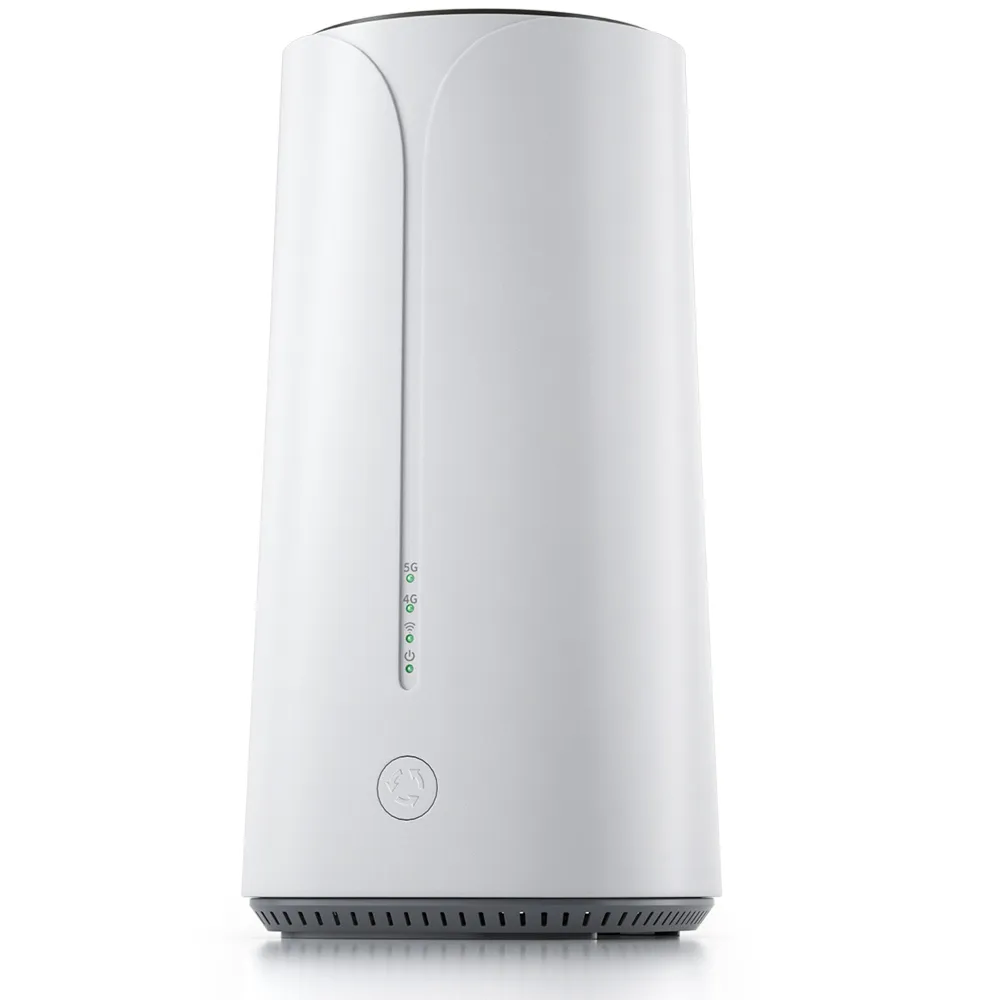
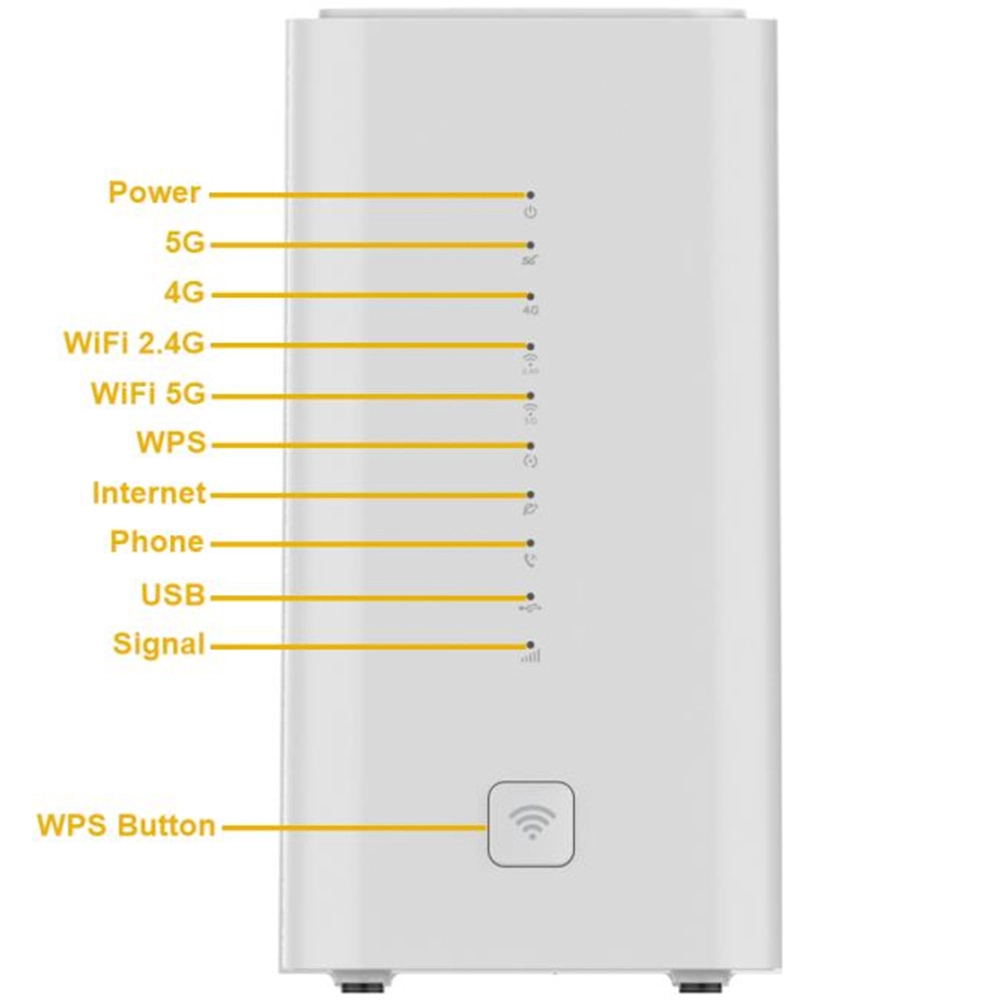
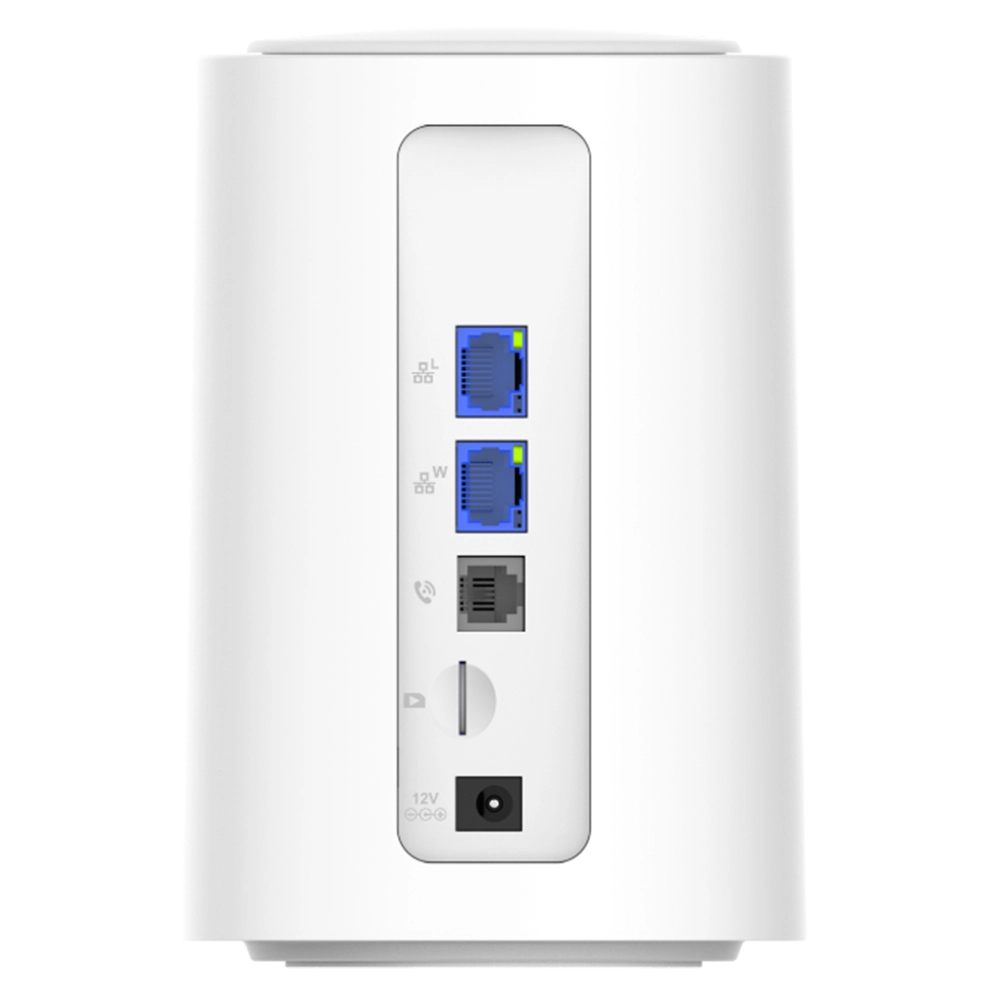
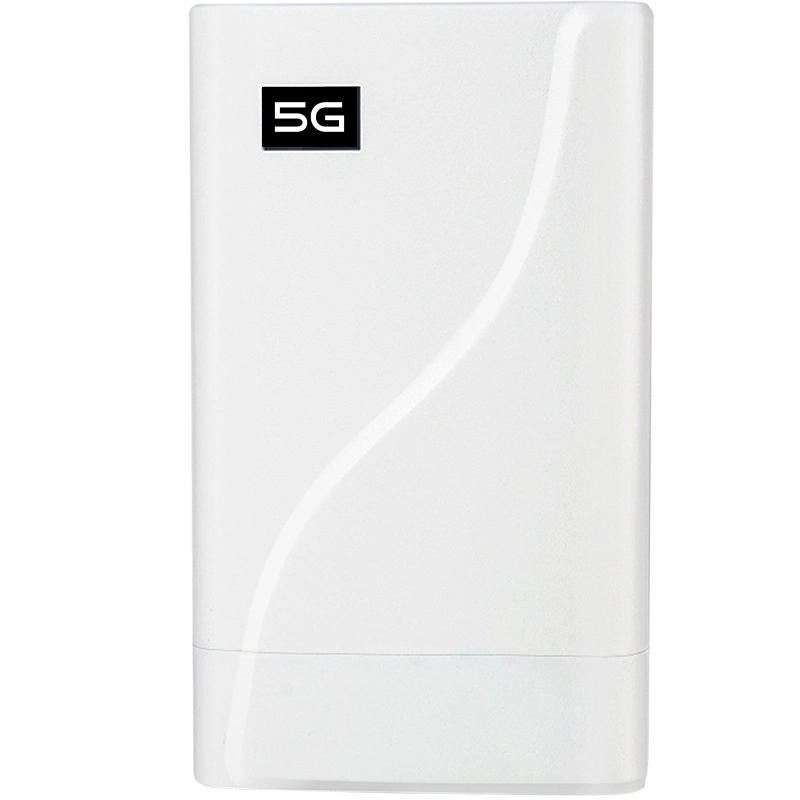
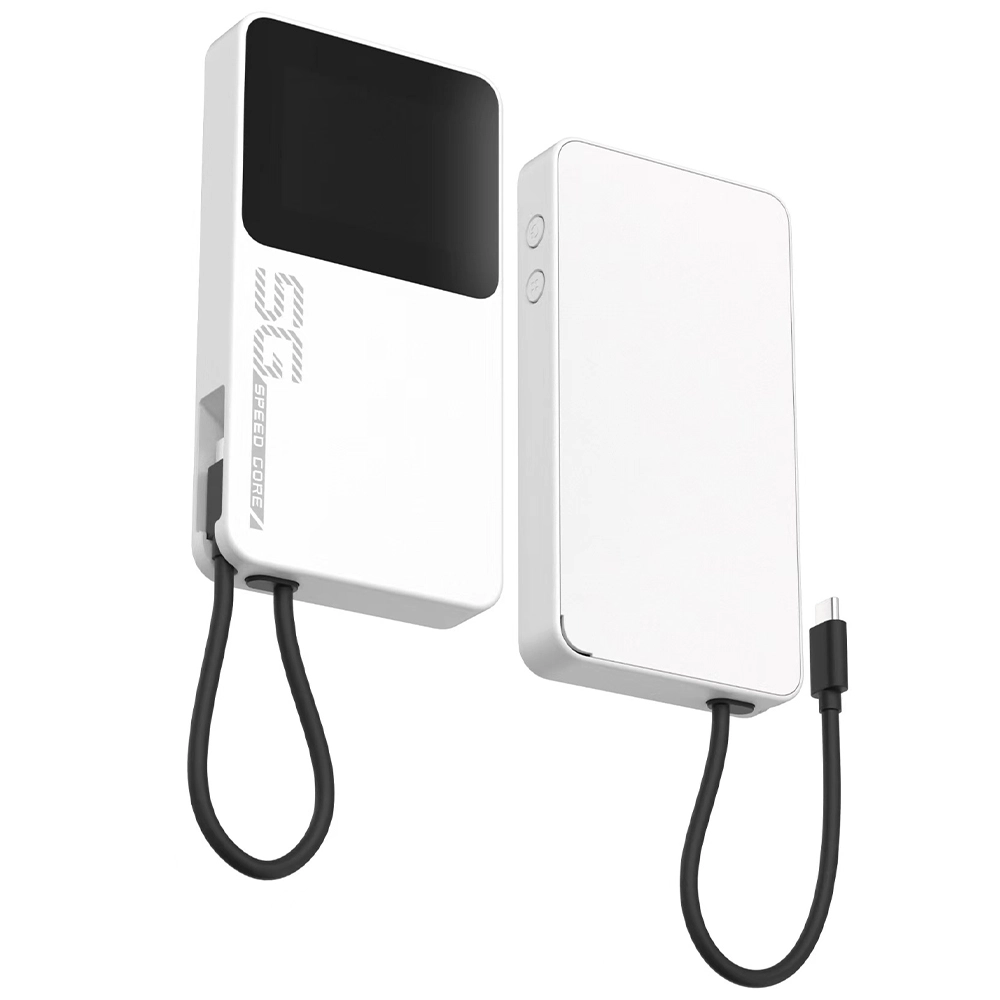
When we use 4g lte router sim card or 5g router sim card slot to build wireless network for home or office, we’ve to consider the power of them. Wireless router power is core parameter that determines its signal coverage and transmission performance, usually refers to intensity of radio waves emitted by its radio frequency module, in milliwatts or decibels milliwatts. It affects the network’s through-wall capability directly, connection stability and maximum coverage, but it is not the higher the better. Signal quality, equipment power consumption and electromagnetic radiation effects need to be balanced within regulatory limits. Understanding the nature of power will help users purchase scientifically and configure routers and optimize wireless environment at home or office.
Original power source of wireless signal transmission
When we talk about the power of a wireless router, we specifically refer to its radio frequency transmission power, which is the amount of energy that the wireless chip and power amplifier circuit inside the router radiate electromagnetic waves into space. This is like the volume of a loudspeaker, the higher the power the farther and louder the sound spread. In wireless communication, volume is the electromagnetic wave signal. A common unit of power is milliwatts or decibel milliwatts, for example, a router labeled with transmit power of 100 milliwatts has theoretically better signal strength than a 20 milliwatts router. However, signals can eventually be received by mobile phones, computers and other terminal equipment and transformed into stable and high-speed network connections. They are also subject to complex constraints by multiple factors such as antenna gain, receiving sensitivity, environmental interference, modulation and coding technology.
Safety red line delineated by regulations
In order for safety of public electromagnetic environment and use radio spectrum resources orderly, different countries and regions around the world have set strict legal limits on transmit power of wireless local area network equipment. In China, relevant technical specifications formulated by the national radio regulatory agency clearly stipulate the maximum equivalent omnidirectional radiated power of wireless routers operating between 2.4GHz and 5GHz bands. This means the maximum transmit power of sold 4g lte router sim card or 5g router sim card slot legally in the market is limited to a safe range. Users cannot increase power infinitely through simple settings or swiping, any product that exceeds the limit cannot pass model approval and certification, which is violation of the equipment. This red line ensures wireless devices not have recognized negative effects on human health and avoids excessive mutual interference between devices.
Through wall ability is double-edged sword
High power can help improve initial strength of the signal in space, so as to improve the ability to penetrate the wall to certain extent. When electromagnetic waves penetrate obstacles such as walls and floors, they will reflect, refract and absorb, result is energy attenuation. Higher transmit power means that the signal still has higher margin to be received by the terminal after attenuation, but through-wall effect is not determined only by transmitter end, backhaul capability of the terminal is also critical. Transmit power of mobile phones and other devices is much lower than that of routers, which may cause an imbalance of strong downlink signals and weak uplink signals and lead to unstable connections. In addition, blindly pursuing high-power penetration may cause routers to receive more co-channel interference signals from neighbor networks, which will reduce signal-to-noise ratio and lower the final network speed.
Antenna design and gain of amplifier
Antennas are key components of wireless routers that convert radio frequency energy into space electromagnetic waves. Antenna gain, usually expressed in decibels, represents the antenna’s ability to concentrate energy in a certain direction. A high-gain antenna can more effectively focus the router’s transmit power in a specific direction, thereby obtaining stronger equivalent signal strength in that direction, which is equivalent to improve the “effective power” in a specific direction without increasing the actual transmit power. Common multi-antenna routers in the market often intelligently direct signal energy to connected devices through multi-input and multi-output technology and beamforming technology. This “directional enhancement” is more efficient and intelligent than simply increasing global transmit power.
Hidden costs of power consumption and cooling
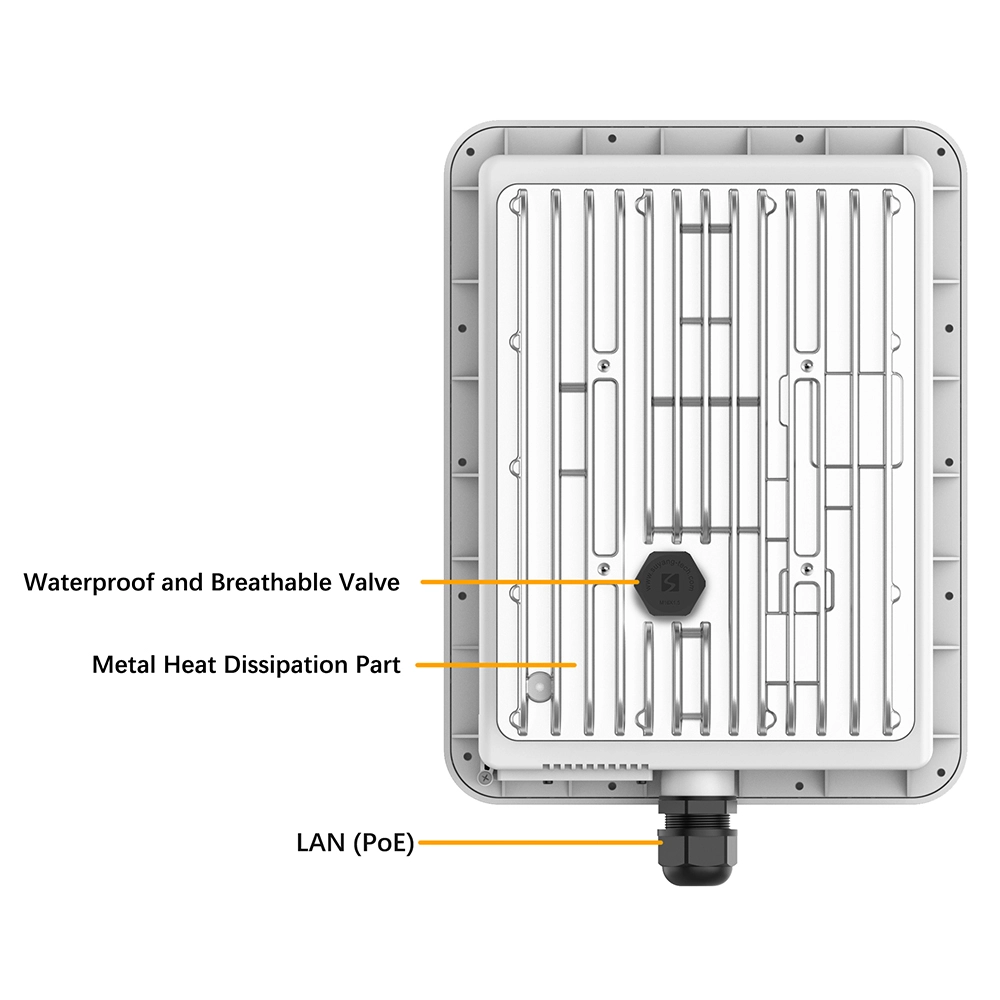
Higher transmit power directly means higher energy consumption. The RF power amplifier circuit consumes more power and generates more heat when working. This will accumulate considerable electricity costs for routers that require uninterrupted operation for 7 times 24 hours a day. More importantly, the increase in heat output will challenge the cooling design of the router. If the heat dissipation is poor, the core chip and power amplifier module will work at high temperatures for a long time, not only will the performance be degraded, the stability will be deteriorated, and their service life will also be greatly reduced. Therefore, excellent router design seeks the best balance between performance, power consumption and heat dissipation within the power range allowed by regulations, rather than blindly pursuing the maximum power value.
Power strategy under frequency band differences
Modern dual-band or triple-band routers operate in both the 2.4 GHz and 5 GHz bands. Due to different physical characteristics, the power performance and application scenarios of these two frequency bands are also different. The 2.4 gigahertz band has a long wavelength and strong diffraction ability. Under the same transmit power, the signal usually travels farther than the 5 gigahertz band and has a better through-wall effect. The channel in the 5 gigahertz band is relatively clean, has less interference, and supports higher data transmission rates, but its signal attenuates faster. Many routers allow users to set the transmit power in different frequency bands separately. For example, in order to obtain broader coverage, the power in the 2.4 gigahertz band can be set slightly higher; in order to obtain extreme speed at close range and reduce interference, the power in the 5 gigahertz band can be set to adaptive or standard mode.
Receiving sensitivity: the other half that is easily ignored
For a complete wireless communication link, transmission and reception are equally important. The receiving sensitivity of a router refers to the minimum signal strength that it can correctly resolve. A router with high receiving sensitivity can “hear” signals from weaker terminals, which is crucial given that the power of terminal equipment is generally low. Even if the router has a high transmission power and the signal covers the entire house, if its reception sensitivity is not good, it cannot stably receive data from a laptop or smartphone in the corner of the room. Therefore, when considering the performance of a router, it should be regarded as a whole with excellent transceiver capabilities, rather than just looking at the transmission power.
Software algorithms and dynamic tuning
Modern smart routers no longer continuously transmit signals at fixed power. Their built-in software algorithms can dynamically monitor the network environment, the number of connected devices, data traffic, and signal quality. When it is detected that the device is close and the signal is good, the system may automatically lower the transmit power to reduce unnecessary radiation and power consumption, and reduce interference to other networks in the same frequency. When it is detected that the device has moved to an edge area or the signal has deteriorated, the power will be increased in due time to maintain a stable connection. This dynamic power control technology ensures a greener and more friendly wireless environment while ensuring the user experience.
False propaganda and “false standards” of power
In the market, there are some irregular product promotions, such as exaggerating the words “King of Walls” and “High Power”. Consumers need to be vigilant that some of the markings may be the theoretical peak power of the power amplifier chip or the value that has not been converted by the antenna gain, rather than the final equivalent omnidirectional radiated power that complies with regulations. The true signal coverage requires the measured performance of the whole machine in a real environment. When purchasing, priority should be given to well-known brands, and the actual signal coverage test report from authoritative media or evaluation agencies should be referred to, rather than simply believing the power figures in the advertise.
Nonlinear relationship between power and network speed
A common misunderstanding must be clarified: continuing to increase transmit power will not directly increase the maximum transmission rate of the network if the signal strength is sufficient to establish a stable connection. Network speed is mainly determined by wireless standards (such as Wireless Fidelity Sixth Generation), channel bandwidth, modulation and coding scheme, and the number of spatial streams. The main role of power is to expand the coverage of stable connections. When the signal is weak, increasing power can improve connection quality, thereby supporting higher encoding rates and indirectly increasing speed. But once signal strength reaches a good level, speed depends on the other more critical technical parameters mentioned above.
Practice of home layout and power setting
For ordinary users, how do they view power settings based on their own situation? If the living environment is an open and small apartment, it is usually enough to set the router to the standard within the regulations or medium power. Excessive power may cause signal reflection interference. If it is a complex apartment with multiple rooms and multiple walls, you can try to adjust the power to “through-wall” or the highest gear in the router settings (if this option is provided), and give priority to adjusting the router placement (such as placing it in the center of the house), or using multiple routers to network to solve the coverage dead spots, which is more effective than simply relying on one high-power router.
Different considerations between enterprise and household levels
Enterprise wireless access points and home routers have different logic in power design. Enterprise equipment usually uses higher transmit power and more professional high-gain antennas within the scope permitted by regulations to meet the coverage needs of large-area offices, warehouses, campuses and other scenarios. But its more core advantages are strong multi-user concurrent processing capabilities, advanced radio frequency management, seamless roaming and support for intensive deployments. Home routers pay more attention to cost, ease of use and appearance. Therefore, for ultra-large units, sometimes the coverage capacity of a mid-to-high-end home router may be no less than that of a low-power enterprise-level access point, but the latter has obvious advantages in stabilizing capacity and complex management functions.
Future development trend: precision and intelligence
With the evolution of new technologies such as Wireless Fidelity Seventh Generation, power management of wireless routers is moving in a more accurate and intelligent direction. For example, through more refined multi-user multi-input multi-output technology and resource scheduling, routers can act like spotlights, directing energy accurately to each connected device, rather than radiating uniformly in all directions. This will greatly improve power utilization efficiency and minimize overall radiation and interference while meeting the connection needs of each device. Future routers may no longer emphasize “high power”, but emphasize “high energy efficiency” and “high intelligence” signal scheduling capabilities.
To sum up, the power of a wireless router is a technical indicator that has a clear upper limit and needs to be viewed systematically. It is one of the cornerstones of wireless network coverage, but it is by no means the only determining factor. Antenna technology, receiving performance, software algorithms, environmental interference and scientific network layout together shape the ultimate wireless experience. As users, we should break out of the mindset of “greater power, the better” and select products that achieve a good balance in signal coverage, stability, speed and functions under the framework of regulations and security, combined with our own actual needs. And through reasonable settings and deployments, wireless networks can better serve our digital life.
Understanding the nature of power not only helps us avoid misunderstandings when purchasing, but also allows us to manage and optimize our network environment with a more scientific and calm attitude and enjoy stable, high-speed and healthy wireless connections.

What can we do for you?