
5G is the fifth generation mobile communication technology, is the new generation cellular network technical standard after 4G. It achieves peak rates of more than 10 gigabits per second, millisecond latency, million-level device connection density through core technologies such as millimeter wave, large-scale antenna arrays and network function virtualization. 5G is not only an upgrade of mobile broadband, but also provides low-level support in industrial Internet, autonomous driving, telemedicine and other fields, promoting society into the era of Intelligent Link of Everything.
1.Disruptive breakthroughs in technological architecture
5G network adopts a layered and heterogeneous architecture, achieving performance leaps through core network reconstruction and access network upgrades. Its core network is based on a service-oriented architecture (SBA), which virtualizes the functions of traditional hardware devices into software modules, enabling the network to have on-demand slicing capabilities. The access network introduces a combination of millimeter wave (24-100GHz band) and mid-frequency band (3.5-6GHz), combined with large-scale multi-input multi-output (large-scale antenna technology) technology, so that the number of antennas in a single base station has increased from 8-16 in 4G. The number has increased to 128-256, forming a directional beam to accurately track user equipment.
2.Exponential improvement in rate performance
Measured data shows peak downlink rate of 5G networks can reach 20 gigabits/s, which is 100 times higher than that of 4G. This means it takes only 6 seconds to download a 8GB high-definition movie, compared with 7 minutes on a 4G network, this improvement stems from a wider spectral bandwidth (100MHz jump off versus 20MHz for 4G) and higher-order 256 Quadrature Amplitude Modulation (256-QAM) technology, which is equivalent to expanding a single lane into a 100-lane highway.
3.Industrial value of millisecond delay
5G compresses end-to-end latency to 1 millisecond, a leapfrog improvement compared with 4G’s 50 milliseconds. This ultra-low latency allows remote surgical robots to respond to doctor’s operating instructions in real time, and industrial robots can achieve microsecond synchronous collaboration. Tests in Huawei laboratories in China show that the delay stability of 5G networks reaches 99.999%, providing deterministic network guarantee for industrial automation.
4.Orders of magnitude across connection density
The connection capacity of millions of devices per square kilometer is a distinctive feature of 5G. Through non-orthogonal multiple access technology and dispatch-free transmission mechanism, a large number of IoT devices can simultaneously access network without congestion. According to Ericsson’s forecast, there will be 2.6 billion 5G connected devices in the world by 2026, supporting real-time data interaction of hundreds of thousands of sensors per square kilometer in smart cities.
5.Technological revolution of network slicing
Network slicing technology enables 5G to virtualize multiple logical exclusive networks on a physical network. For example, ultra-high reliability slices with a delay of less than 5 milliseconds are divided for autonomous driving, and large-bandwidth slices are provided for live video. In the case shown by China Mobile, a single network can simultaneously support eight types of business scenarios with different service quality requirements.
6.Innovative use of spectrum resources
5G is the first large-scale application of millimeter wave band (24-100GHz), although transmission distance is short but bandwidth is extremely large, meanwhile dynamic spectrum sharing technology is adopted to enable 4G and 5G signals to switch intelligently in the same frequency band. The Federal Communications Commission (FCC) auctioned millimeter wave spectrum bandwidth of 1.4 GHz, more than three times of total 4G spectrum.
7.Green transformation of energy efficiency
Although transmission rate increased 100 times, the bit energy consumption of 5G is only 1/10 of 4G. This is because intelligent sleep technology: when no equipment is connected, the base station will turn off radio frequency unit automatically. Data from Nokia Bell Labs shows that energy consumption per unit of traffic of 5G networks is 90% lower than that of 4G, help communication industry achieve its carbon peak goal.
8.Deep integration of edge computing
5G sinks computing power to base station side, forming distributed edge computing nodes. Factory production data can be processed directly within the park which needn’t to be transmitted back to the cloud, reduce latency and ensure data security. The Gree 5G+ Industrial Internet platform built by China Unicom controls data processing delay within 2 milliseconds through edge computing.
9.Significant enhancement to uplink
5G particularly enhances uplink performance and uses supplementary uplink technology to increase uplink peak rate to 10 gigabits/second. This allows 4K ultra-high-definition live broadcast devices to transmit raw quality materials wirelessly, drones can return 8K panoramic video in real time.
10.Breakthrough progress in positioning accuracy
Through beamforming and time-difference of arrival positioning technology, 5G can achieve three-dimensional positioning accuracy of 0.3 meters indoors and 2.5 meters outdoors. It is 10 times higher than GPS, making it possible to navigate underground parking lots and track medical equipment. 3GPP standard stipulates 5G positioning accuracy is required to reach meter level.
11.Multi-dimensional reinforcement of security mechanisms
5G uses 256-bit encryption algorithm (stronger than 4G’s 128-bit) and two-way authentication mechanism, while introducing privacy identifiers to protect user identity information. According to Global System for Mobile Communications Association security standards, networks need to meet security protection needs of IoT devices over 10-year life cycle.
12.Ecological reconstruction of industry applications
5G is reshaping the ecology of industry, medical, transportation and other industries. 5G private network deployed by Qingdao Port enables remote control accuracy of bridge cranes to reach centimeter-level and efficiency is increased by 30%. The 301 Hospital has achieved brain pacemaker implantation operations spanning 1200 kilometers through 5G network. These applications prove that 5G has become a core component of new infrastructure.
13.Continuous iteration of standard evolution
5G standard evolving everday, the Third Generation Partnership Project (3GPP) has released versions R16-R18, added drone communication, high-precision positioning and other functions. 5G-Advanced Network is an intermediate stage in the transition from 5G to 6G, will increase the rate to 50 gigabits per second.
14.Differential progress in global deployment
Countries adopt different 5G deployment strategies: China mainly promotes 3.5GHz and 4.9GHz mid-frequency bands, consider account coverage and capacity; United States prioritizes the deployment of millimeter waves to achieve extreme speeds; Europe adopts combination of 3.5GHz+700MHz to ensure wide coverage. Until 2023, China has built 2.34 million 5G base stations, shares more than 60% of global total quantity.
15.Wave of innovation in terminal equipment
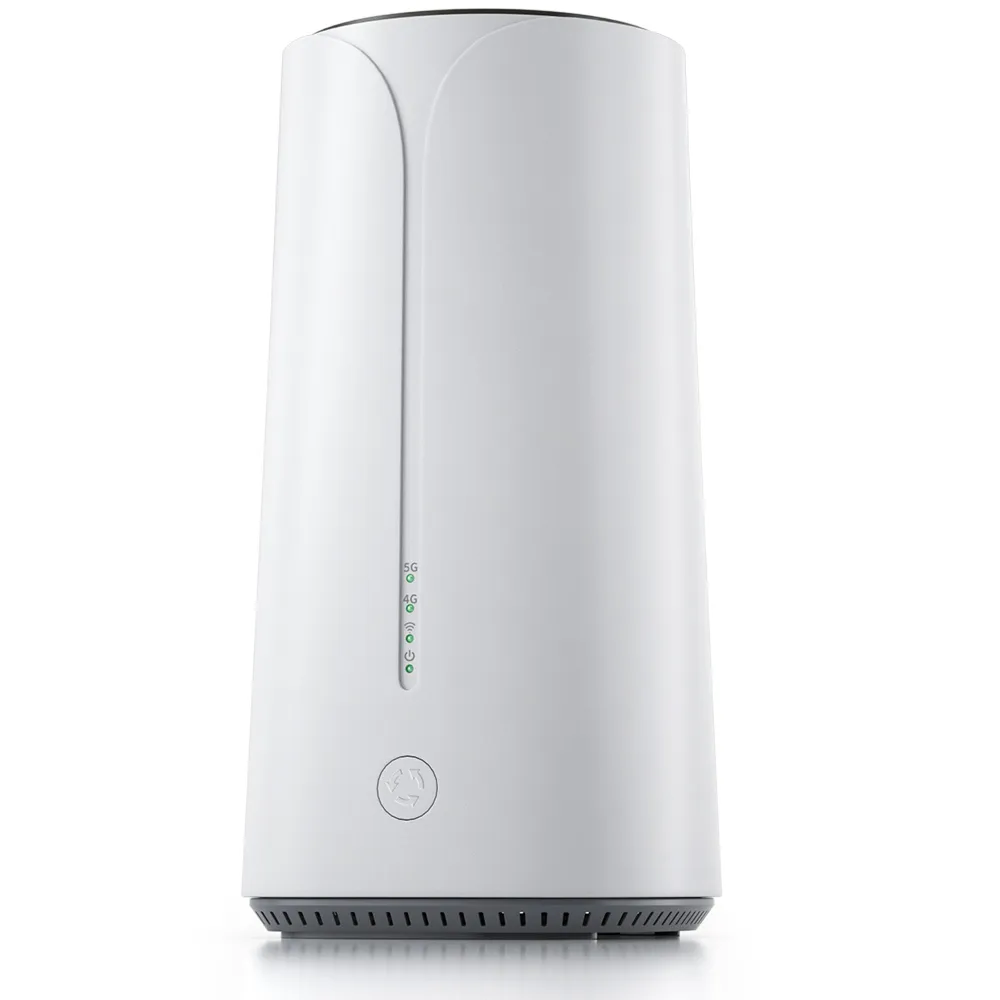
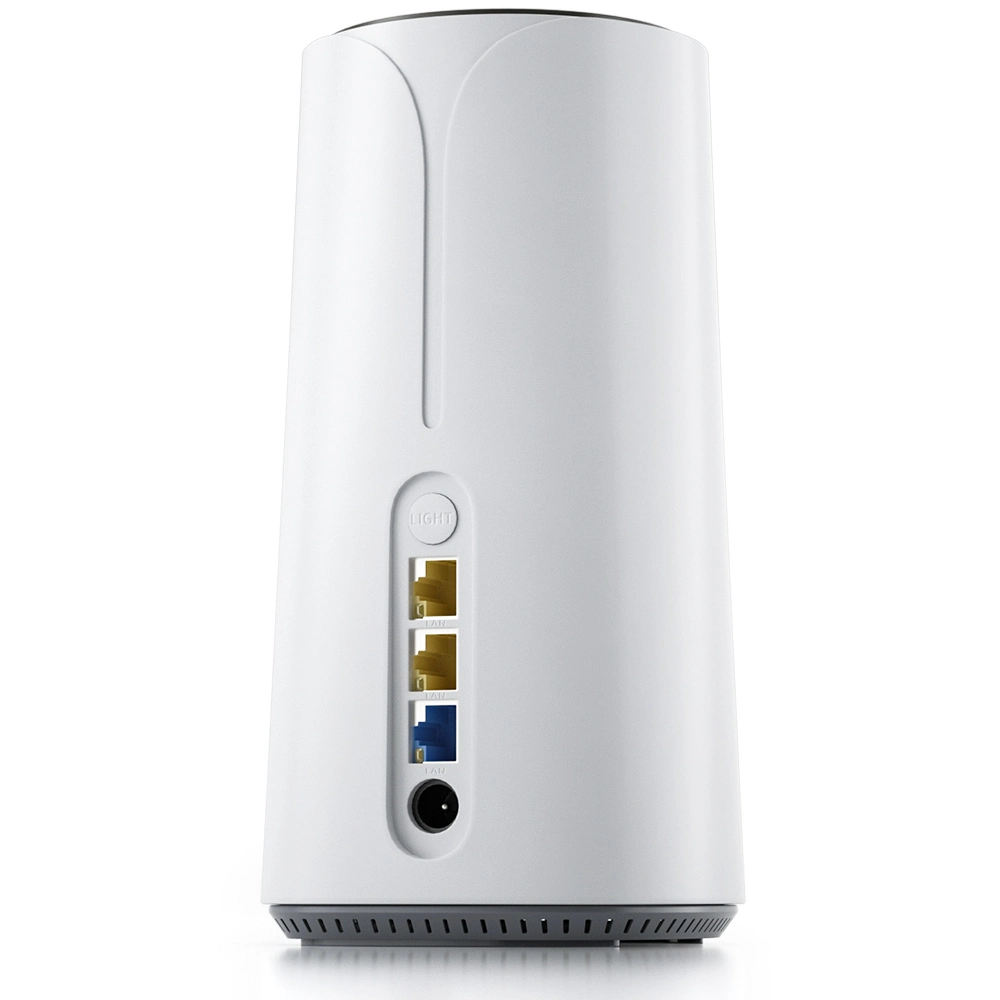
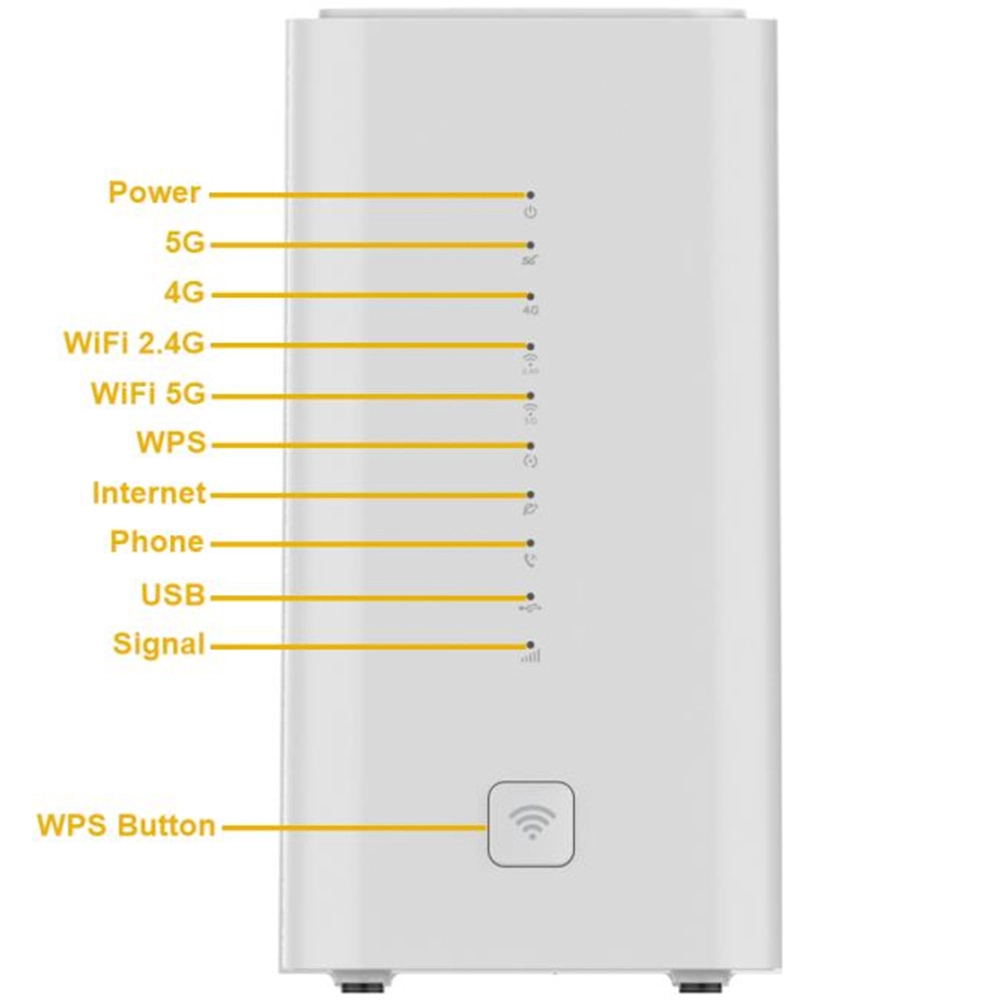
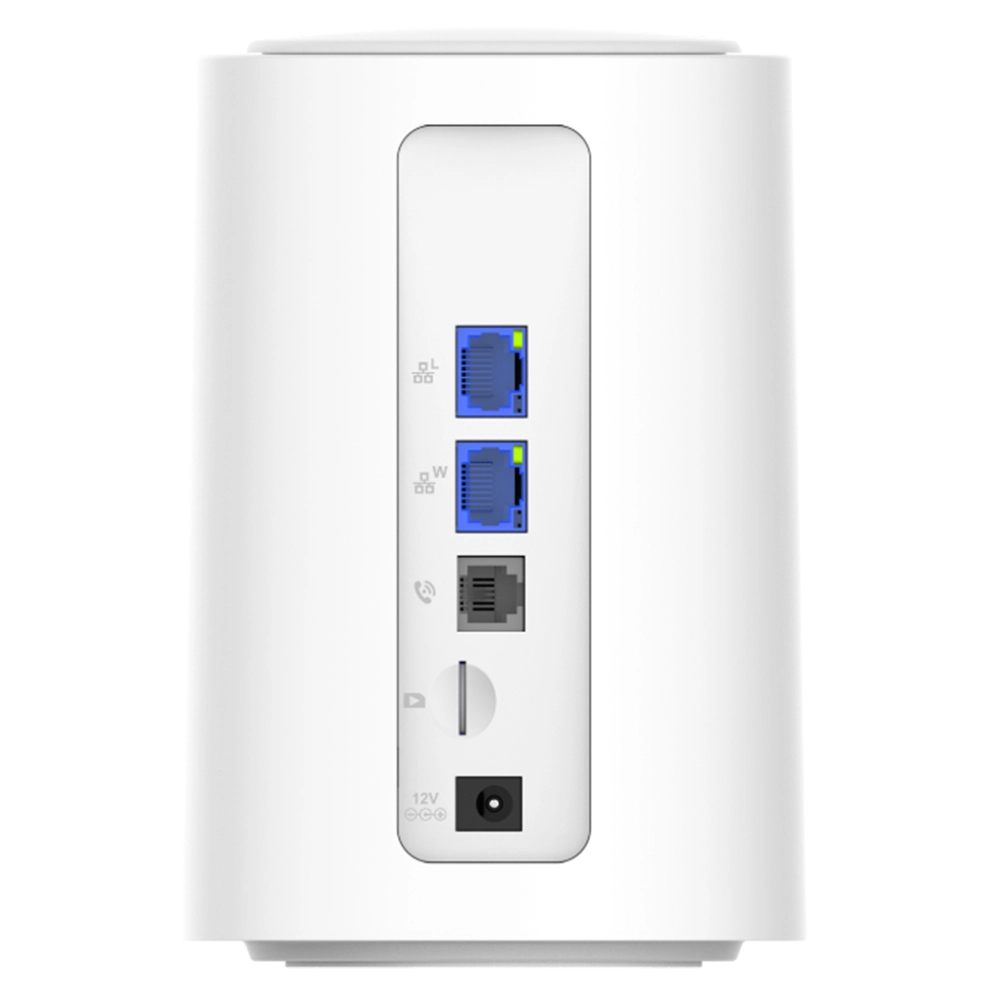
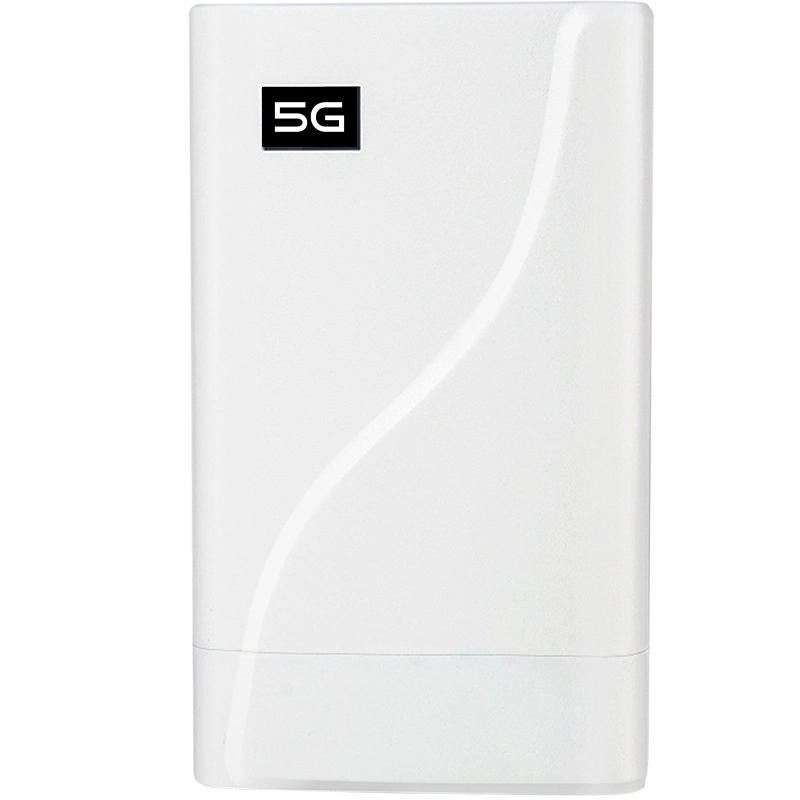
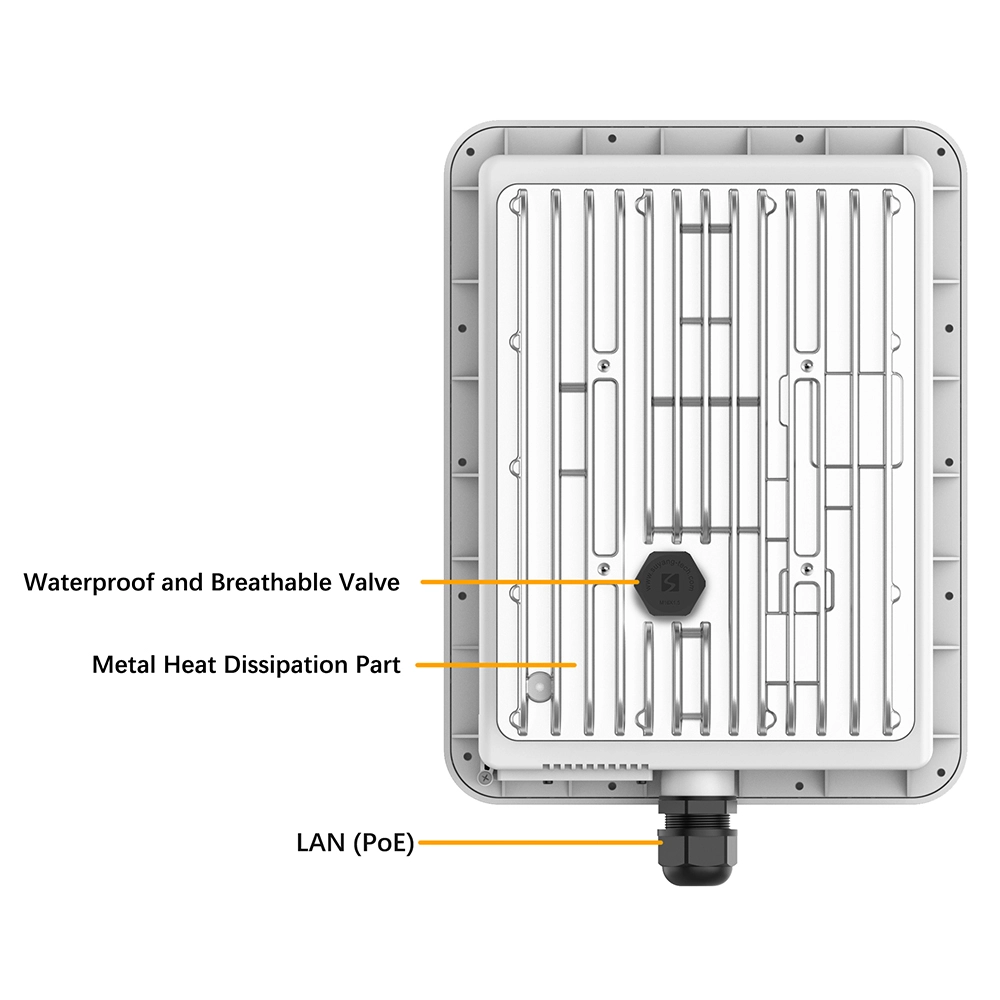
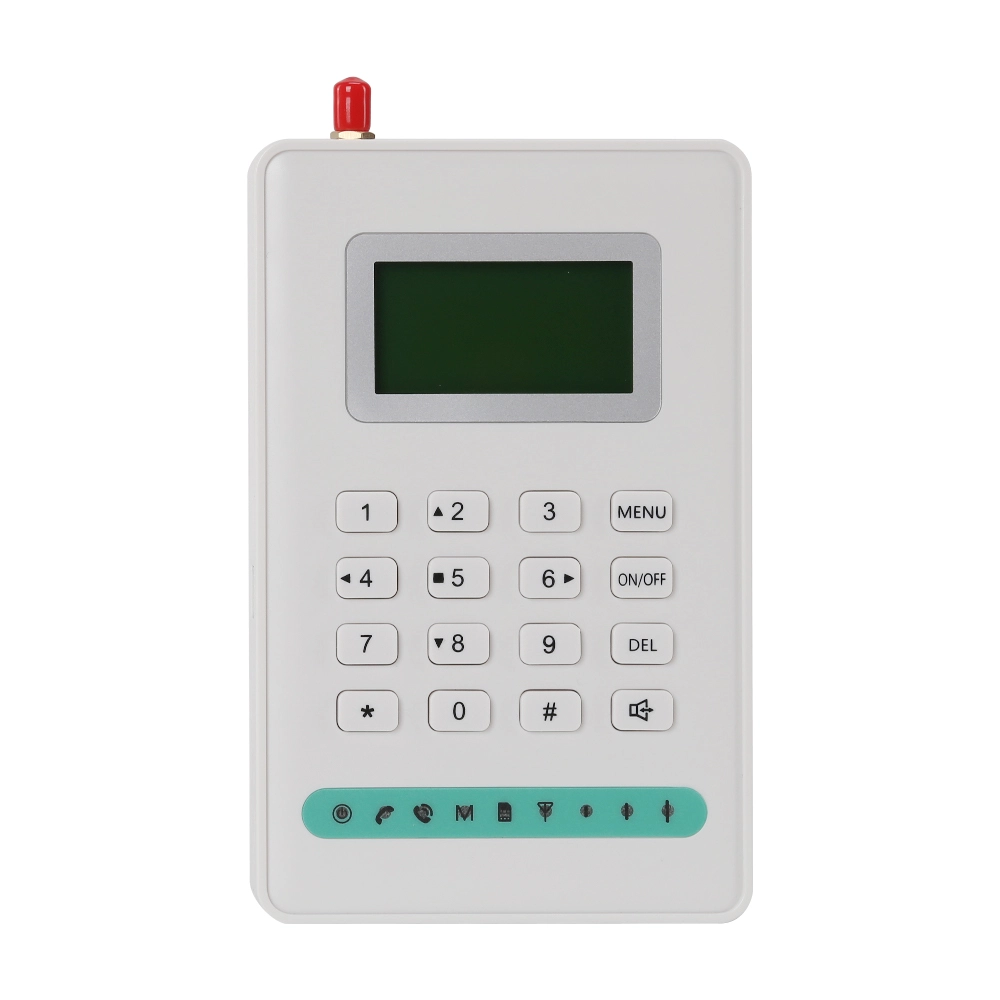
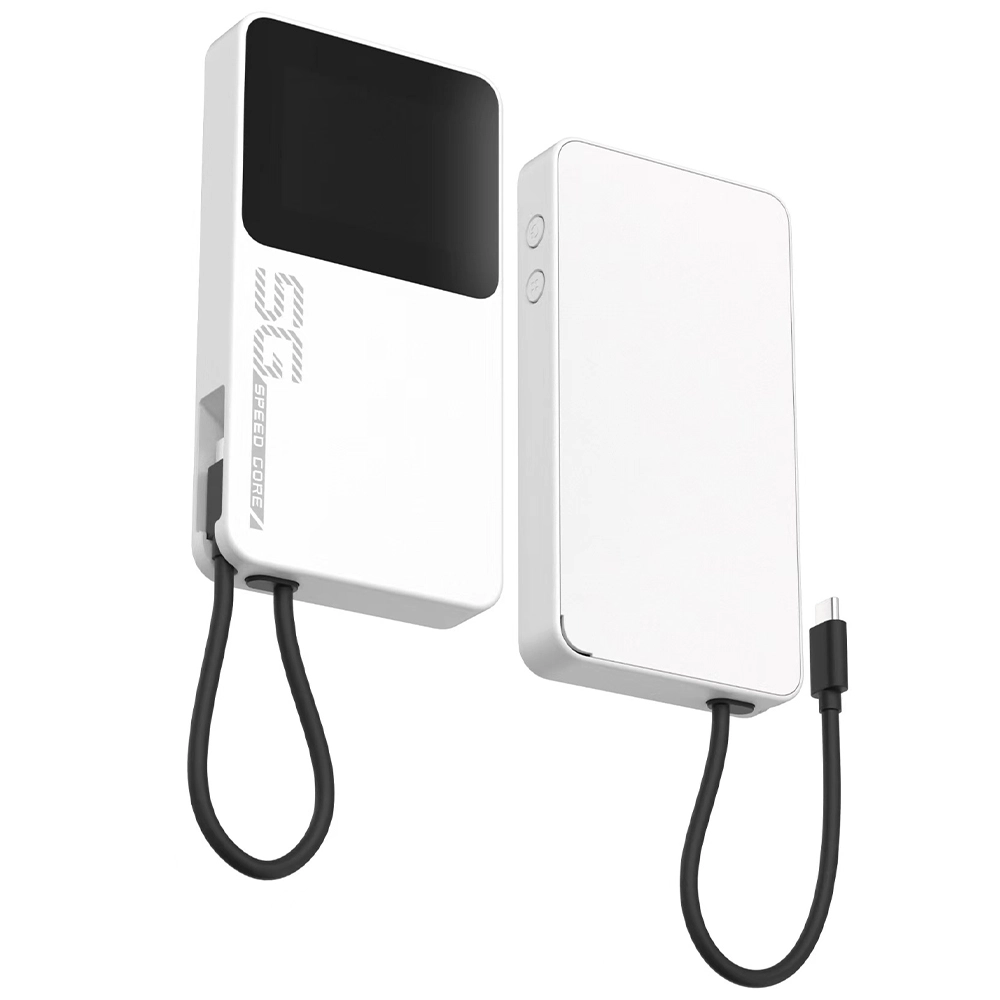
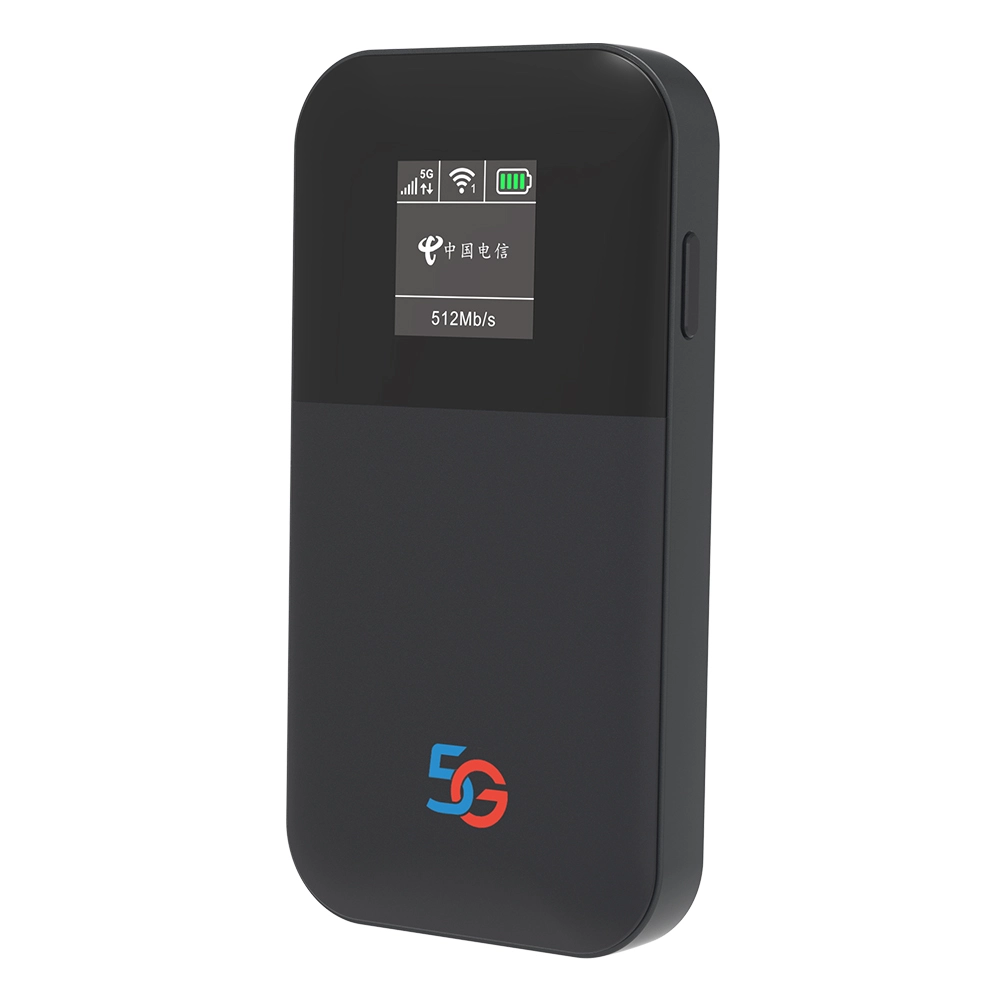
5G terminal category has expanded from mobile phones to modules, gateways, industrial 5g router and wifi router with sim card slot 5g etc. Huawei’s 5G industrial module MH5000 supports wide operation temperature from-40℃ to 85℃. SAIC Motor’s 5G smart car generates 4TB data every day and uploads it to the cloud in real time through 5G in-vehicle unit.
16.Collaborative integration with emerging technologies
5G, AI and cloud computing form iron triangle of technology: 5G responsible for data transmission, AI conducts data analysis and cloud computing provides computing power support. The National Supercomputing Center transmits computing power to factories thousands of miles away through 5G networks to achieve real-time visual inspection in the cloud.
Through above multi-dimensional technical analysis, we can see that 5G isn’t a simple speed upgrade, but a neural network to build a digital society. It is reshaping production and lifestyle in an integrated and innovative way, providing critical infrastructure support for digital economy. As standard keeping on evolveing and application scenarios deepen, true potential of 5G will continue to be released in the next decade.

What can we do for you?