
In today’s hyper-connected world, a dropped network connection is more than an inconvenience; it can mean halted production lines, failed security systems, lost financial transactions, or critical data gaps in remote monitoring. For industries where operations are mission-critical, network downtime is simply not an option. This is where the robust capabilities of a dual SIM industrial router come into play, transforming a potential point of failure into a pillar of resilience. If you’re responsible for maintaining connectivity for smart grids, automated factories, or fleet management, understanding how these devices work is crucial. This guide will demystify dual SIM technology, explain the life-saving concepts of failover and aggregation, and show you why investing in a true industrial internet router is a strategic decision for business continuity.
What is a Dual SIM Industrial Router and Why Do You Need One?
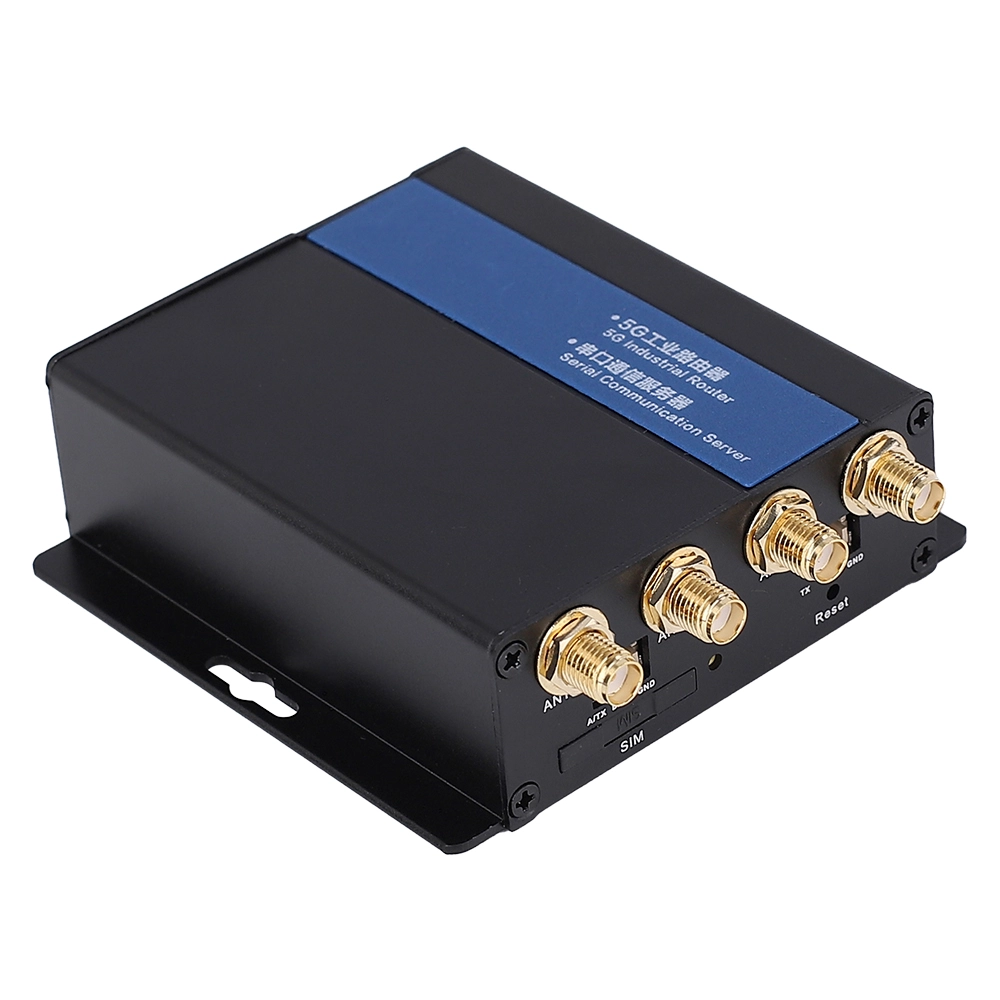
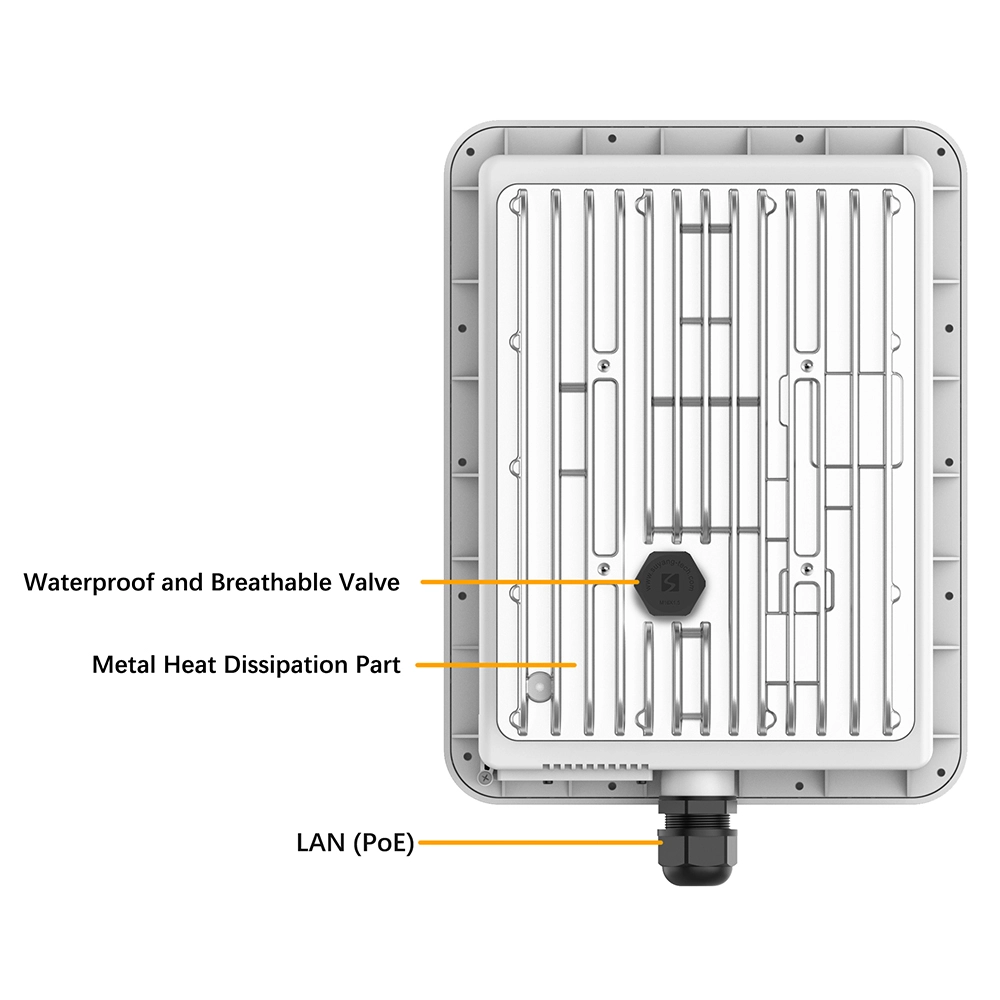
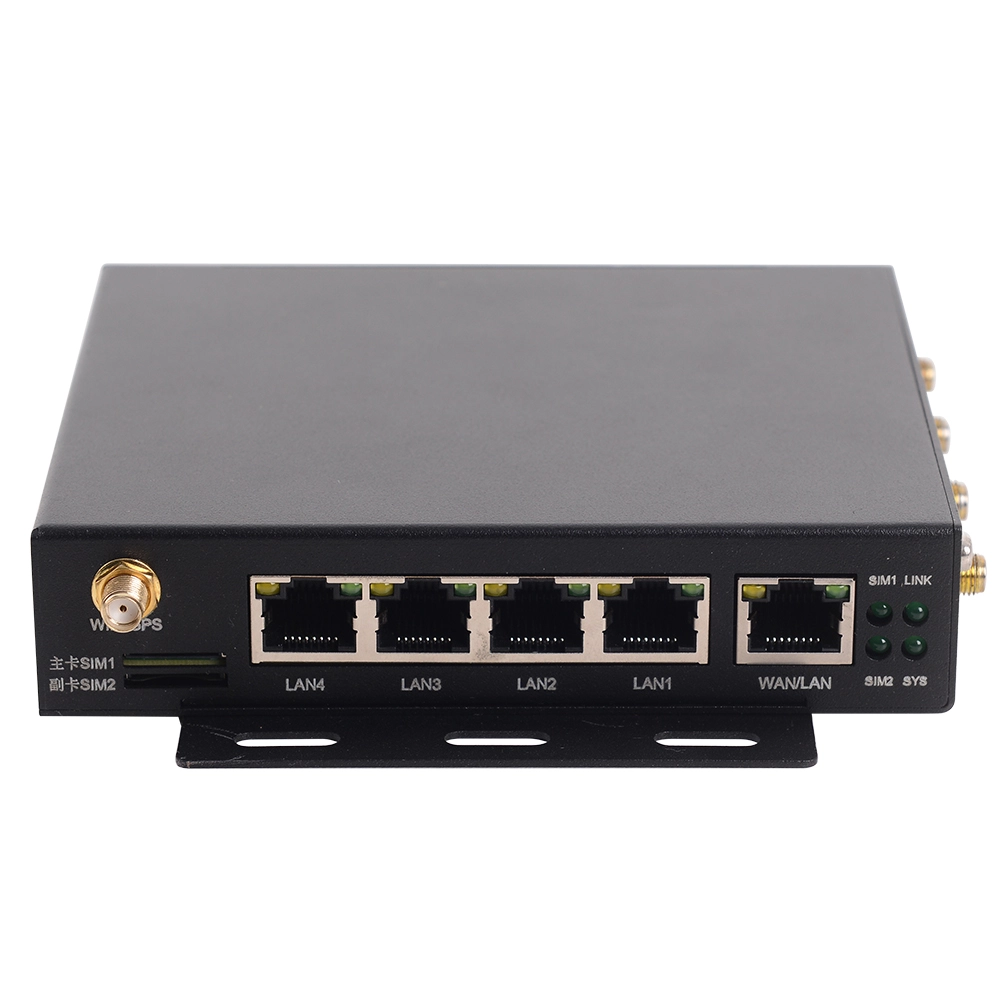
At its core, a dual SIM industrial router is a ruggedized networking device built to operate reliably in harsh environments—think factory floors, outdoor cabinets, or moving vehicles—while housing two Subscriber Identity Module (SIM) cards. Unlike the consumer router in your home, an industrial IoT router is engineered for durability, with components rated for extreme temperatures (-40°C to 75°C is common), resistance to vibration and shock, and housed in a metal casing for EMI protection and heat dissipation. But the real magic lies in those two SIM slots. This design provides direct access to two separate mobile networks (e.g., from different carriers like Verizon and AT&T). The primary purpose is to create redundancy. If the primary cellular connection fails due to an outage, tower maintenance, or signal interference, the router can automatically switch to the secondary SIM’s network, maintaining your data flow with minimal to zero interruption. This feature, known as failover, is the first line of defense against connectivity loss. For applications like remote video surveillance, where a lapse could mean missing a security breach, or for automated teller machines (ATMs) processing transactions, this seamless switch is invaluable. When evaluating industrial router price, the cost of the hardware is quickly justified by preventing the far greater expense of operational downtime.
Beyond Backup: Understanding Failover vs. Link Aggregation
Most people understand the basic backup concept, but advanced dual SIM industrial routers offer a more sophisticated feature: link aggregation (also called bonding or load balancing). It’s important to distinguish between the two modes, as they serve different strategic purposes.
Failover (Redundancy Mode): This is the \"break-glass-in-case-of-emergency\" function. The router uses the primary SIM’s connection for all data traffic. It continuously monitors the health of this link—checking signal strength, latency, and if it can reach a predefined test server. The moment it detects a failure or a drop below a configured threshold, it automatically and swiftly activates the secondary SIM’s connection. The switchover typically happens in seconds, making it appear seamless for many Machine-to-Machine (M2M) applications. This mode is perfect for ensuring high availability in critical infrastructure like a smart grid, where sensors need to constantly report data to a central management system.
Link Aggregation (Load Balancing Mode): This is where things get powerful. Instead of keeping the second SIM idle as a mere backup, link aggregation allows the router to use both cellular connections simultaneously. It can distribute outbound traffic between the two links for more efficient bandwidth usage or, more impressively, combine the bandwidth of both connections to create a single, faster, and more reliable \"pipe\" for data. For example, if each 4G LTE connection offers 50 Mbps, aggregation could provide a usable throughput close to 100 Mbps. This is ideal for data-intensive applications. Imagine a mobile command center for first responders that needs to upload high-definition drone footage and access multiple databases in real-time. Or a digital signage system on a bus that needs to download large media files quickly during a short stop. Aggregation not only boosts speed but also enhances reliability; if one link degrades, the router intelligently shifts more traffic to the healthier connection without dropping sessions.
Key Industrial-Grade Features That Make It All Work
The sophisticated network logic of failover and aggregation would be useless if the router itself couldn’t survive the deployment environment. This is what separates a true industrial router from a consumer device with an extra SIM slot. Let’s break down the non-negotiable features:
- Wide Operating Temperature Range: Must function flawlessly in unheated outdoor enclosures in winter and sun-baked metal boxes in summer. Industrial-grade components are selected and tested for this.
- Robust Power Design: Supports a wide DC input range (e.g., 9-36V DC) to handle voltage fluctuations common in vehicles and industrial settings. Often includes ignition sensing for automatic power-on/off in vehicles.
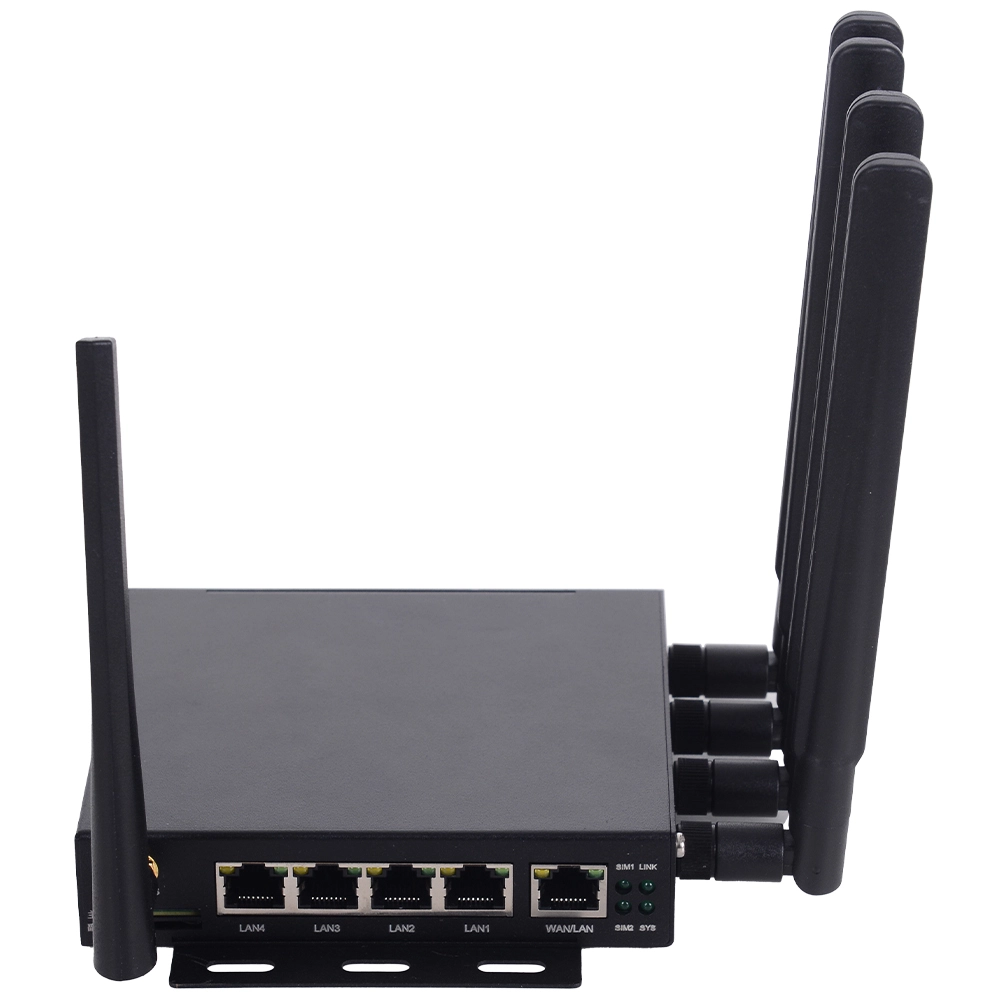
- Enhanced Connectivity Ports: Beyond cellular (5G/4G), they feature multiple Ethernet ports (some with PoE to power cameras/phones), serial ports (RS232/485) for legacy industrial equipment like PLCs, and digital I/O for monitoring alarms or controlling relays.
- Advanced Security: Built-in VPN (IPsec, OpenVPN, WireGuard), stateful firewall, and VLAN support are standard to protect data traversing public networks.
- Centralized Remote Management: A critical feature for scaling deployments. IT managers can monitor hundreds of routers, update firmware, and configure settings from a single cloud-based platform, drastically reducing onsite maintenance costs.
Real-World Applications: Where Dual SIM Routers Shine
The theory is solid, but where does it actually apply? The use cases are vast and growing with the Internet of Things (IoT).
Transportation & Fleet Management: A dual SIM industrial router installed in a long-haul truck provides constant connectivity for GPS tracking, real-time cargo sensor data (temperature, humidity), driver telematics, and in-cab Wi-Fi. As the vehicle crosses regions, one carrier’s coverage might fade, but the router fails over to the other, ensuring the fleet manager always has a live view. Link aggregation can ensure smooth video streaming from onboard safety cameras.
Smart Cities & Utilities: Traffic light control systems, environmental sensors (air quality, noise), and smart water meters deployed across a city cannot afford connectivity gaps. A router at each site with dual SIM failover guarantees that critical data on traffic flow or a water leak alert is transmitted reliably, enabling automated and timely responses.
Retail & Payment Systems: Point-of-Sale (POS) systems, self-service kiosks, and ATMs require always-on connectivity to process payments. Network downtime directly translates to lost sales and customer frustration. A router with automatic failover ensures business continuity.
Remote Monitoring & Security: For construction sites, oil rigs, or agricultural fields, solar-powered security cameras and equipment sensors rely on cellular backhaul. A robust router ensures 24/7 surveillance and data collection, with aggregation available for sites using high-resolution, multi-camera setups.
Making the Right Choice: A Decision Framework
Selecting the right industrial IoT router involves more than just picking a device with two SIM slots. Use this framework to guide your decision:
- Define the Primary Need: Is your absolute priority zero downtime (prioritize robust failover), or do you need maximum bandwidth for data-heavy tasks (prioritize aggregation capabilities)? Some routers excel at one; high-end models do both.
- Assess the Environment: What are the extreme temperatures, exposure to elements, and vibration levels? This dictates the required ruggedness level and IP rating (e.g., IP65 for dust and water resistance).
- Map Your Connectivity: Do you need 5G for ultra-low latency and high throughput, or is 4G LTE sufficient? Ensure the router supports the frequency bands used by your chosen carriers in the deployment region.
- Interface with Existing Gear: Count your devices. How many IP cameras (need PoE?), PLCs (need serial ports?), or sensors (need digital I/O?) must connect? Choose a router with enough ports.
- Plan for Management: Will you manage 10 devices or 10,000? A cloud management platform is essential for large-scale deployments to monitor health, configure settings, and apply updates remotely.
- Understand the Total Cost: While industrial router price is a factor, consider the Total Cost of Ownership (TCO). A slightly more expensive, reliable router from an established manufacturer with strong support will save money by preventing costly field failures, downtime, and replacements.
Building a Foundation for Resilient Operations
In an era defined by data and connectivity, the network edge—where physical operations meet the digital world—is a critical battleground for reliability. A dual SIM industrial router is not just a piece of hardware; it’s an insurance policy for your operational integrity. By providing automatic failover for uninterrupted service and optional link aggregation for enhanced performance, these rugged devices empower industries to deploy IoT solutions with confidence. Whether you’re modernizing a manufacturing plant, securing a remote asset, or managing a smart utility network, investing in the right industrial-grade connectivity solution is the first step toward building a resilient, efficient, and future-proof operation. The initial investment in a capable industrial internet router pays continuous dividends in uptime, data integrity, and peace of mind.



What can we do for you?