
In today’s hyper-connected world, a dropped signal or a slow connection is more than an inconvenience—it can mean lost data, halted production, and significant financial loss. While the router in your home office handles emails and streaming just fine, the demands of industrial environments are a different beast entirely. This is where the specialized world of industrial routers comes into play. If you’re managing operations in manufacturing, transportation, energy, or any field where connectivity is mission-critical, understanding the power of an industrial internet router is your first step toward building a resilient and future-proof network.
This comprehensive guide will demystify industrial routers. We’ll move beyond basic definitions to explore their core functionalities, dissect the advanced technologies that set them apart (like dual SIM failover), and provide you with a clear framework for selecting the right industrial IoT router for your specific application. By the end, you’ll know exactly why a consumer-grade device can’t cut it on the factory floor and how to invest in connectivity that works as hard as your operations do.
What is an Industrial Router? Beyond Your Home Wi-Fi
At its most fundamental, a router is a device that forwards data packets between computer networks. But comparing a standard home router to an industrial router is like comparing a family sedan to a heavy-duty mining truck. Both transport, but one is built for comfort on paved roads, and the other is engineered for survival and performance in the most punishing conditions.
An industrial router is a networking device specifically designed to operate reliably in harsh, non-climate-controlled environments. It serves as the communication backbone for Machine-to-Machine (M2M) and Internet of Things (IoT) applications, connecting sensors, PLCs (Programmable Logic Controllers), cameras, and other equipment to central management systems or the cloud. The primary value proposition isn’t just internet access; it’s about uninterrupted, secure, and manageable data flow where failure is not an option.
Let’s break down the key differentiators that justify the industrial router price and make them indispensable for critical operations:
- Ruggedized Design & Environmental Hardening: This is the most visible difference. Industrial routers feature metal casings instead of plastic, providing superior durability and heat dissipation. They are built to withstand extreme temperatures (commonly from -40°C to 75°C), high humidity, vibration, and electromagnetic interference (EMI) commonly found in factories, vehicles, and outdoor installations. This robust construction ensures consistent performance where a consumer device would quickly fail.
- Enhanced Security Protocols: Industrial networks are high-value targets. Industrial routers come equipped with enterprise-grade security features like stateful firewall inspection, VPN support (IPsec, OpenVPN, WireGuard), VLAN segmentation, and advanced authentication methods. They are designed to create secure tunnels for data, protecting sensitive operational technology (OT) from cyber threats.
- Reliable Cellular Connectivity: While many have Ethernet ports for wired backhaul, their superpower is often built-in 4G LTE or 5G cellular modems. This provides primary or backup WAN connectivity in locations without fixed-line internet. Support for global frequency bands and carrier aggregation ensures the best possible signal and speed.
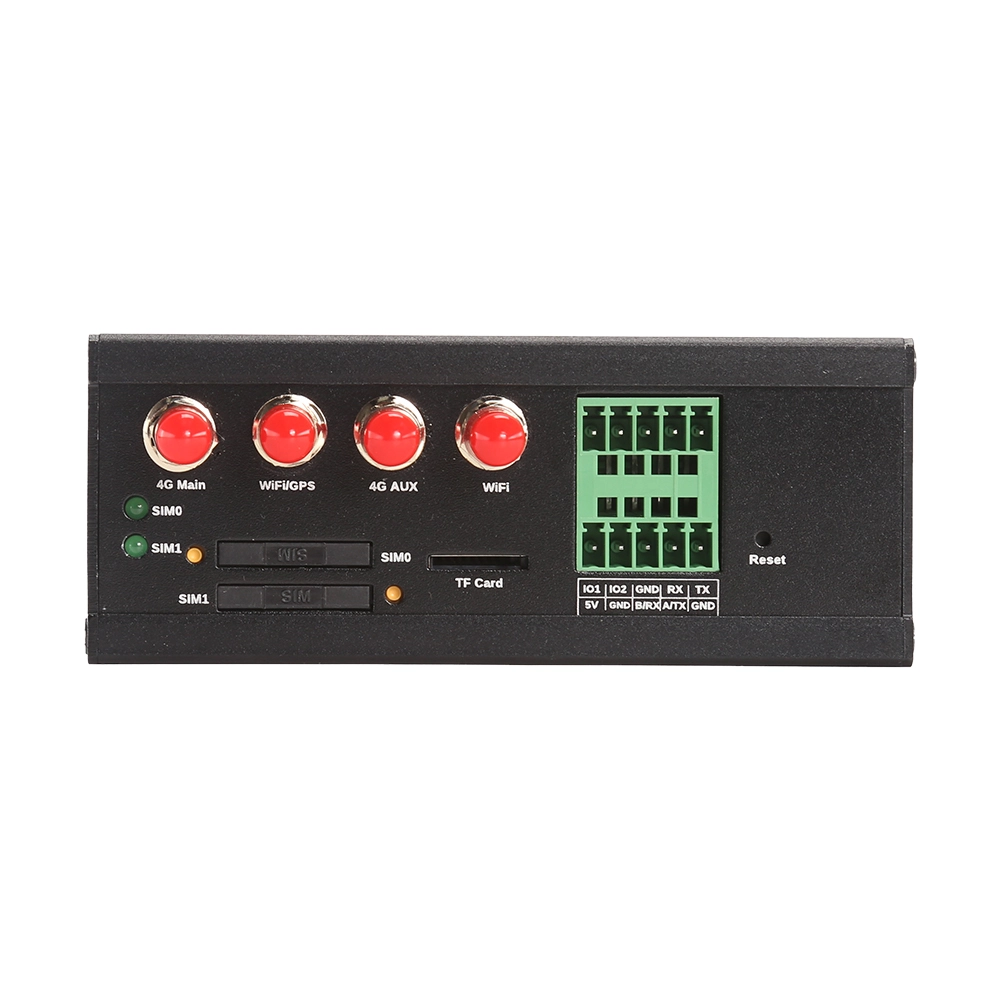
- Advanced Network Management & Reliability Features: These devices offer sophisticated capabilities like dual SIM industrial router functionality for automatic failover and load balancing, Quality of Service (QoS) to prioritize critical traffic, and programmable I/O ports for remote monitoring and control of external devices (e.g., restarting a pump if a sensor triggers).
- Long-Term Support & Stability: Unlike consumer electronics with short lifecycles, industrial routers are designed for long-term deployment (often 7-10 years). Manufacturers provide extended firmware support, security patches, and stable hardware platforms to avoid disruptive upgrades.
Key Technologies Powering Modern Industrial Routers
The feature set of an industrial router is driven by the needs of modern applications. Here’s a look at some pivotal technologies:
- 5G Connectivity: Beyond speed, 5G offers ultra-low latency and network slicing, enabling real-time control of machinery and support for a massive number of connected devices—key for smart factories and autonomous systems.
- GPS/GNSS: Integrated GPS is crucial for asset tracking in logistics, fleet management, and mobile applications. It allows for location-based data logging and geofencing.
- VPN & Secure Remote Access: This allows engineers and managers to securely access on-site equipment from anywhere in the world for configuration, troubleshooting, and data retrieval, eliminating the need for costly site visits.
- Edge Computing Capabilities: Many advanced industrial IoT router models now include edge computing functionality. They can run applications locally to pre-process data, make immediate decisions, and only send relevant insights to the cloud. This reduces bandwidth costs, lowers latency, and increases system resilience.
Dual SIM Industrial Routers: Your Insurance Policy Against Network Downtime
For applications where connectivity is the lifeline—think remote monitoring of a water treatment plant, transaction processing in a mobile retail unit, or real-time data from a wind turbine—a single network connection is a single point of failure. This is where the dual SIM industrial router transitions from a nice-to-have to an absolute necessity. It provides two fundamental advantages: Failover and Network Aggregation.
Understanding Failover: The Automatic Safety Net
Failover is the router’s ability to automatically detect when the primary cellular network (SIM 1) becomes unavailable or degraded below a usable threshold. The triggers can be a complete carrier outage, loss of signal in a tunnel or remote area, or SIM card exhaustion. Upon detection, the router seamlessly switches all data traffic to the secondary cellular connection (SIM 2) within seconds, often without dropping active sessions.
Why is this critical? Manual intervention is too slow for automated processes. In a smart grid application, losing connectivity to substation sensors could mean missing a critical fault. In digital signage, it could mean blank screens during a high-traffic sales period. Failover ensures High Availability (HA), a cornerstone of operational resilience. When evaluating an industrial internet router, look for configurable failover triggers (e.g., based on ping failure, signal strength, or data usage) and a proven, fast switchover time.
Leveraging Link Aggregation for Speed and Reliability
While failover is about redundancy, link aggregation (or load balancing) is about performance and robust throughput. A sophisticated dual SIM industrial router can actively use both SIM cards simultaneously.
- Bandwidth Bonding: This technique combines the bandwidth of two separate cellular connections into a single, logical pipe. If each SIM provides 50 Mbps, bonding can potentially offer 100 Mbps for a large download, significantly speeding up data-intensive tasks like uploading high-resolution video surveillance footage or large batch firmware updates.
- Intelligent Load Balancing: The router can distribute outbound traffic sessions across both links based on algorithms (like least-used or round-robin). This prevents either connection from becoming a bottleneck and provides a smoother overall experience for multiple connected devices.
- Enhanced Reliability: Even if one connection is experiencing latency or packet loss, the router can steer latency-sensitive traffic (like VoIP or remote desktop) to the cleaner connection, maintaining quality of service.
Implementing a dual SIM industrial router with these capabilities requires careful planning. It’s crucial to use SIMs from different network operators to avoid a single point of failure from a carrier-wide issue. The industrial-grade design—wide temperature tolerance, vibration resistance, and secure VPN tunnels—ensures this intelligent connectivity hub itself remains operational in the field. For sectors like transportation, smart cities, and energy, this isn’t just a router; it’s the foundation for a truly resilient and always-on network.
Choosing the Right Industrial IoT Router: A Practical Decision Tree
With an understanding of the \"what\" and the \"why,\" the most common challenge becomes the \"which.\" The market offers a vast array of industrial IoT router options, and navigating specifications can be overwhelming. The industrial router price can vary widely based on features, and the most expensive model isn’t necessarily the right one for your job. Use this decision-making framework to align your needs with the correct device.
Step 1: Define Your Primary Application Scenario
The environment dictates the core requirements. Ask yourself: Where will this router live?
- Vehicular / Mobile (Bus, Train, Police Car, Heavy Equipment): Prioritize ruggedness (high vibration/shock resistance), ignition-sensing power input (for controlled startup/shutdown), and powerful GPS with dead reckoning. A dual SIM industrial router with failover is highly recommended due to constantly changing network conditions.
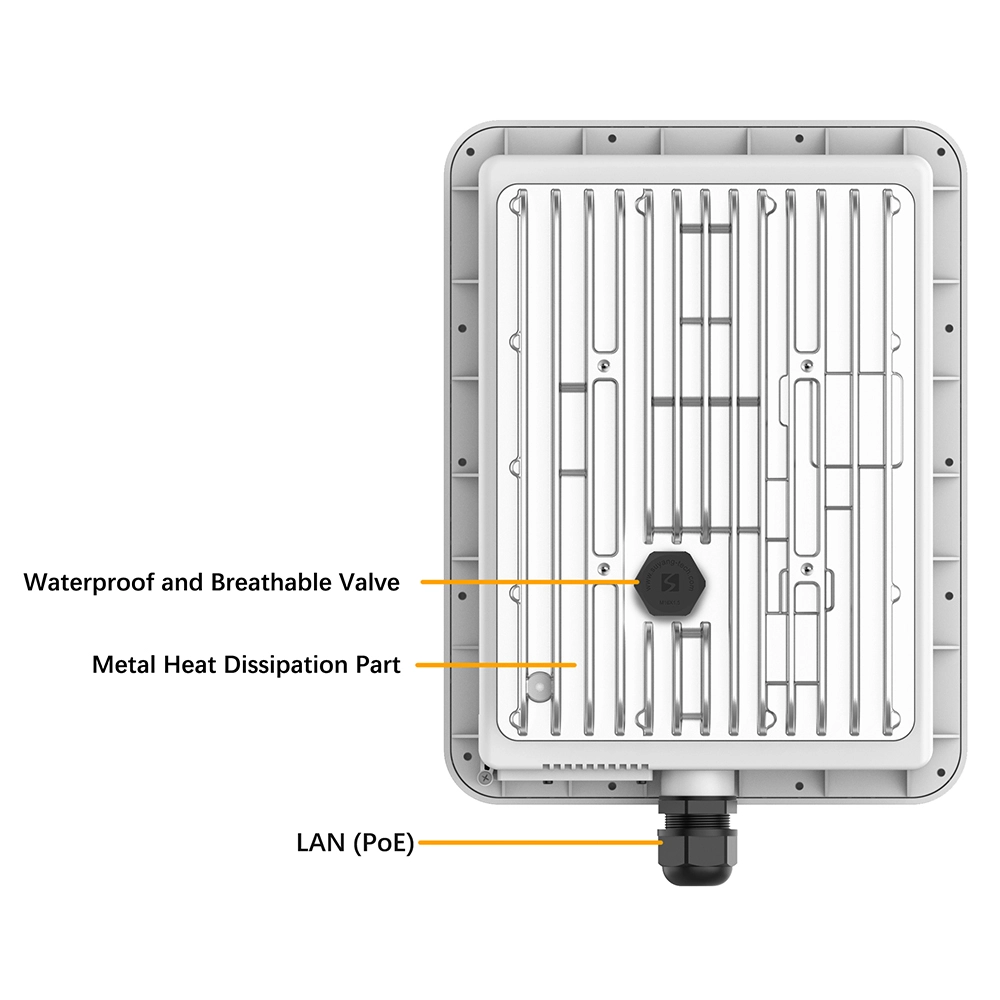
- Fixed Outdoor / Base Station (Traffic Camera, Weather Station, Solar Farm): Focus on extreme temperature range (especially cold start capability), weatherproof (IP67) enclosure, lightning/surge protection on all ports, and strong cellular antenna options. Power over Ethernet (PoE) can be useful for powering the connected camera or sensor.
- Factory Floor / Indoor Industrial: Key needs include resistance to EMI, DIN-rail mounting for easy installation in control cabinets, support for industrial protocols (Modbus TCP, PROFINET) to communicate with PLCs, and robust security features to segment OT from IT networks.
- Remote & Hard-to-Access (Oil Well, Pipeline, Agricultural Field): Ultra-reliable cellular connectivity is paramount. Look for models with support for low-power wide-area networks (LPWAN) like LTE-M or NB-IoT as a backup, solar-ready power inputs, and very low idle power consumption.
Step 2: Assess Your Technical & Performance Requirements
Once the environment is set, drill into the technical specs that will impact performance.
- Processing Power & Memory: Basic data logging requires minimal resources. However, if you’re running local applications, firewall rules, multiple VPN tunnels, or edge computing analytics on the router itself, you need a model with a more powerful CPU (e.g., ARM Cortex-A series) and ample RAM.
-
Connectivity Needs:
- WAN: Do you need 5G for low latency/high bandwidth, or is 4G CAT-4 or CAT-6 sufficient? Is a dual SIM industrial router mandatory for failover?
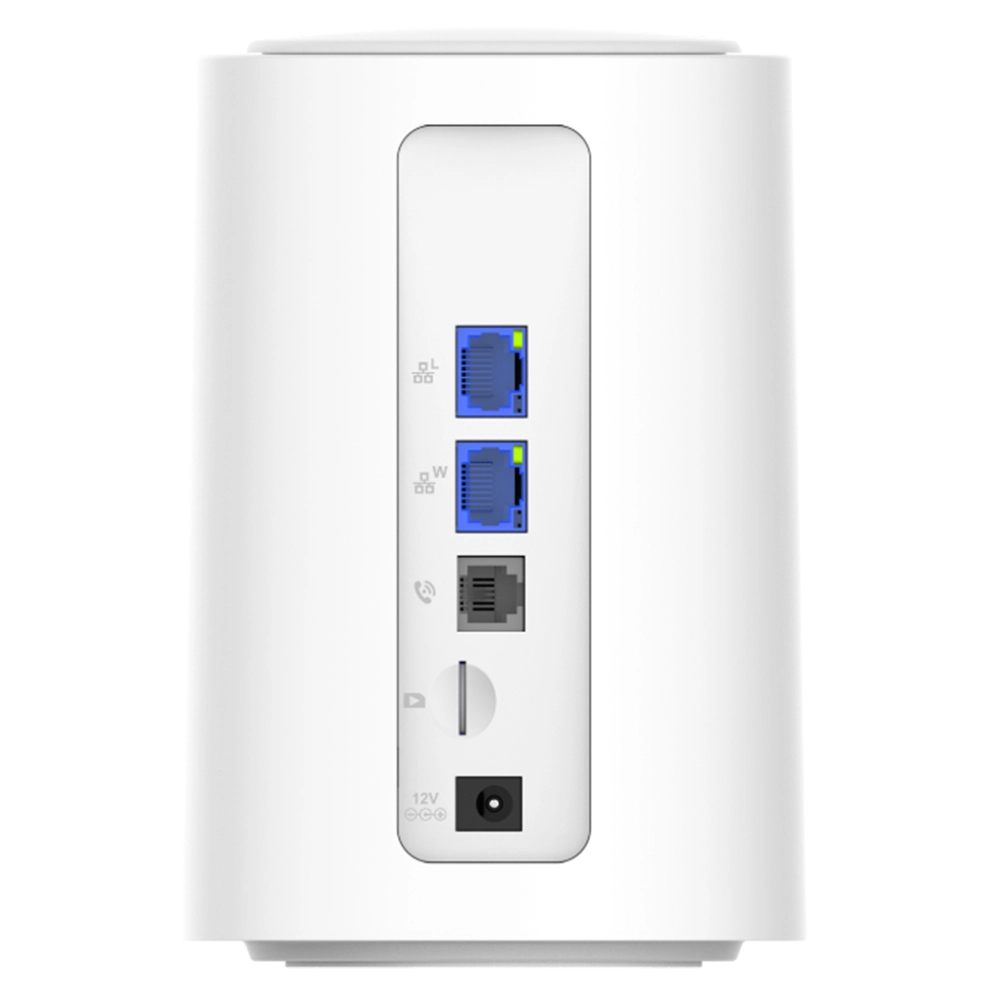
- LAN: How many devices need to connect? Consider the number of Ethernet ports (Gigabit?), and whether you need built-in Wi-Fi (for mobile handhelds) or cellular-only.
- Serial/DI/DO: For legacy equipment or sensor integration, digital/analog input and output ports or serial (RS-232/485) interfaces are essential.
- Data Flow & Protocols: What kind of data are you moving? Small, periodic sensor readings (MQTT is efficient) are different from constant video streams. Ensure the router supports your required communication protocols (MQTT, Modbus, OPC UA, etc.).
- Security Posture: Match the security features to your corporate IT policies. Mandatory VPN? Specific firewall certifications? Hardware trust anchors (TPM)?
Step 3: Factor in Operational & Budgetary Constraints
The final step brings practicality to the selection.
- Total Cost of Ownership (TCO): Look beyond the upfront industrial router price. Consider ongoing cellular data plan costs (aggregation uses more data), potential licensing fees for advanced software features, power consumption, and the expected lifespan/replacement cycle.
- Management & Scalability: How will you manage 10, 100, or 1000 routers? Look for devices compatible with cloud-based device management platforms that allow for remote configuration, mass firmware updates, and centralized monitoring. This saves immense time and cost at scale.
- Vendor Support & Ecosystem: Choose a vendor with proven experience in your industry. Do they offer technical support, detailed documentation, and reliable long-term firmware updates? Can they provide customization if your project has unique needs?
By working through this decision tree—Application -> Technical Needs -> Operational Reality—you move from being overwhelmed by specs to making an informed, confident choice. The right industrial IoT router becomes a strategic asset, not just a commodity purchase, enabling efficiency, visibility, and control over your most critical operations.
Investing in Connectivity That Endures
The journey from a standard network to an industrial-strength one begins with recognizing that not all connectivity is created equal. Industrial routers are the engineered workhorses of the digital transformation age, built to deliver reliability, security, and intelligence where it matters most. Whether your priority is surviving harsh environments with a rugged industrial internet router, eliminating downtime with a sophisticated dual SIM industrial router, or precisely matching an industrial IoT router to a complex application, the principles remain the same: prioritize durability, plan for redundancy, and select based on a clear understanding of your operational demands.
While the industrial router price may represent a higher initial investment compared to consumer gear, it pales in comparison to the cost of network failure—lost production, safety incidents, or missed opportunities. In the landscape of industrial operations, your router isn’t just another piece of IT equipment; it’s the central nervous system of your connected assets. Choosing wisely ensures that this system is resilient, secure, and capable of driving your business forward for years to come.






What can we do for you?