
Imagine this: a critical piece of machinery on a remote oil rig stops transmitting data. A traffic monitoring system during a major storm goes offline. A payment terminal at a bustling outdoor farmer’s market loses its connection. In each scenario, the culprit is often the same: a network device that simply wasn’t built for the job. Consumer-grade routers, the kind you have at home, are designed for a stable, climate-controlled environment. They fail—sometimes catastrophically—when faced with dust, extreme temperatures, vibration, or electrical noise. This is where the world of industrial routers begins. For over a decade, Junhaoyue has specialized in designing and manufacturing connectivity solutions that don’t just work, but thrive, where others cannot. This deep dive explores the core technology, rugged design, and critical functionalities of modern 4G and 5G industrial routers, explaining why they are the indispensable backbone of today’s automated and connected industrial landscape.
What is an Industrial Router? The Foundation of Rugged Connectivity
At its core, an industrial router performs the same basic function as your home router: it connects devices to a network, often the internet. But the comparison ends there. Think of an industrial router as the heavy-duty pickup truck to your home router’s compact sedan. Both get you from point A to point B, but one is engineered for payload, durability, and off-road conditions. An industrial router is a purpose-built device designed to provide reliable, secure, and continuous network connectivity in harsh, demanding, and often remote environments. These are not places where you can simply reboot a device. Downtime translates directly to lost revenue, safety risks, and operational failures.
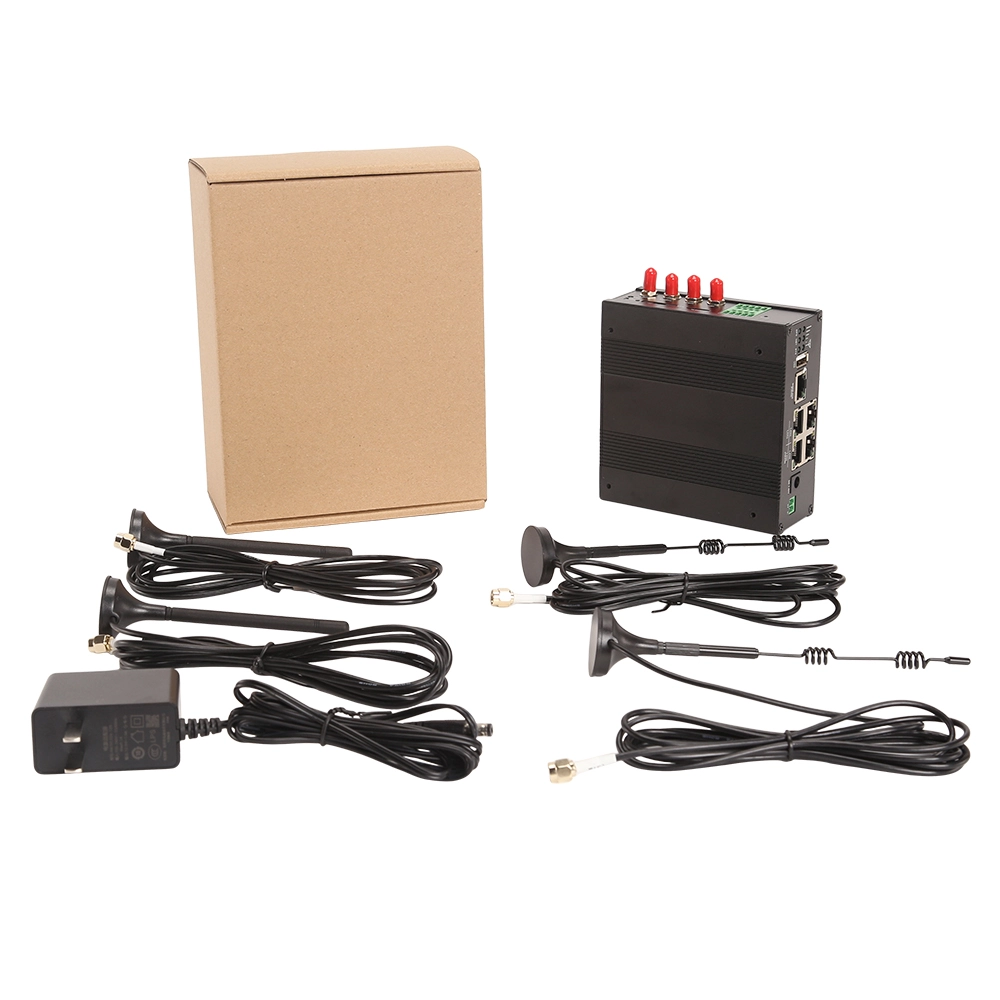
The defining characteristic of an industrial router is its ruggedized design. This isn’t just about a tougher plastic case. It’s a holistic engineering approach. Junhaoyue’s routers, for instance, are built to operate across a wide temperature range, typically from -40°C to 75°C. This means they can function in a freezing cold storage facility or under the blistering sun on a solar farm without skipping a beat. Their components are selected for high MTBF (Mean Time Between Failures) rates, and the printed circuit board (PCB) layouts are meticulously designed to minimize electromagnetic interference (EMI), a common cause of instability in electrically noisy industrial settings. The enclosures are often metal, providing superior heat dissipation and protection against physical impact, dust, and moisture, frequently meeting IP30 or higher ingress protection ratings. This robust construction ensures the router can withstand constant vibration from heavy machinery or the occasional bump during transportation and installation.
Key Features That Set Industrial Routers Apart
Beyond the rugged shell, the true value of an industrial router lies in its advanced feature set, tailored for professional and commercial applications. Let’s break down the most critical functionalities:
- VPN Support (Virtual Private Network): Security is paramount. Industrial routers often have built-in VPN servers and clients (supporting protocols like IPsec, OpenVPN, and WireGuard). This allows devices in the field—like a remote security camera or a sensor on a wind turbine—to create an encrypted tunnel back to your company’s headquarters network. All data passing between them is secure from interception, effectively extending your corporate network’s security perimeter to any location with cellular coverage.
- GPS Integration: For asset tracking, fleet management, or mobile applications, built-in GPS is a game-changer. A Junhaoyue router with GPS can not only provide internet connectivity to a vehicle or container but also report its precise location in real-time. This data can be used for route optimization, geofencing (triggering alerts if an asset leaves a designated area), and improving logistical efficiency.
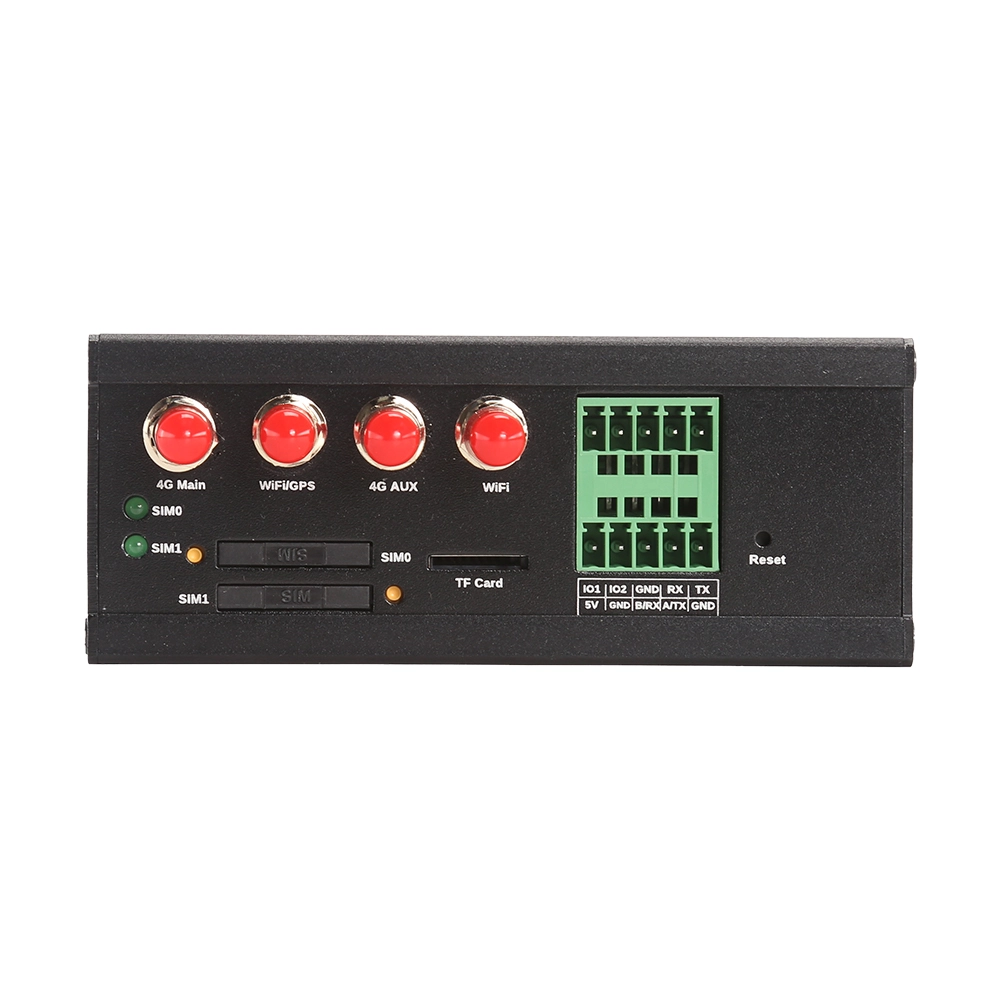
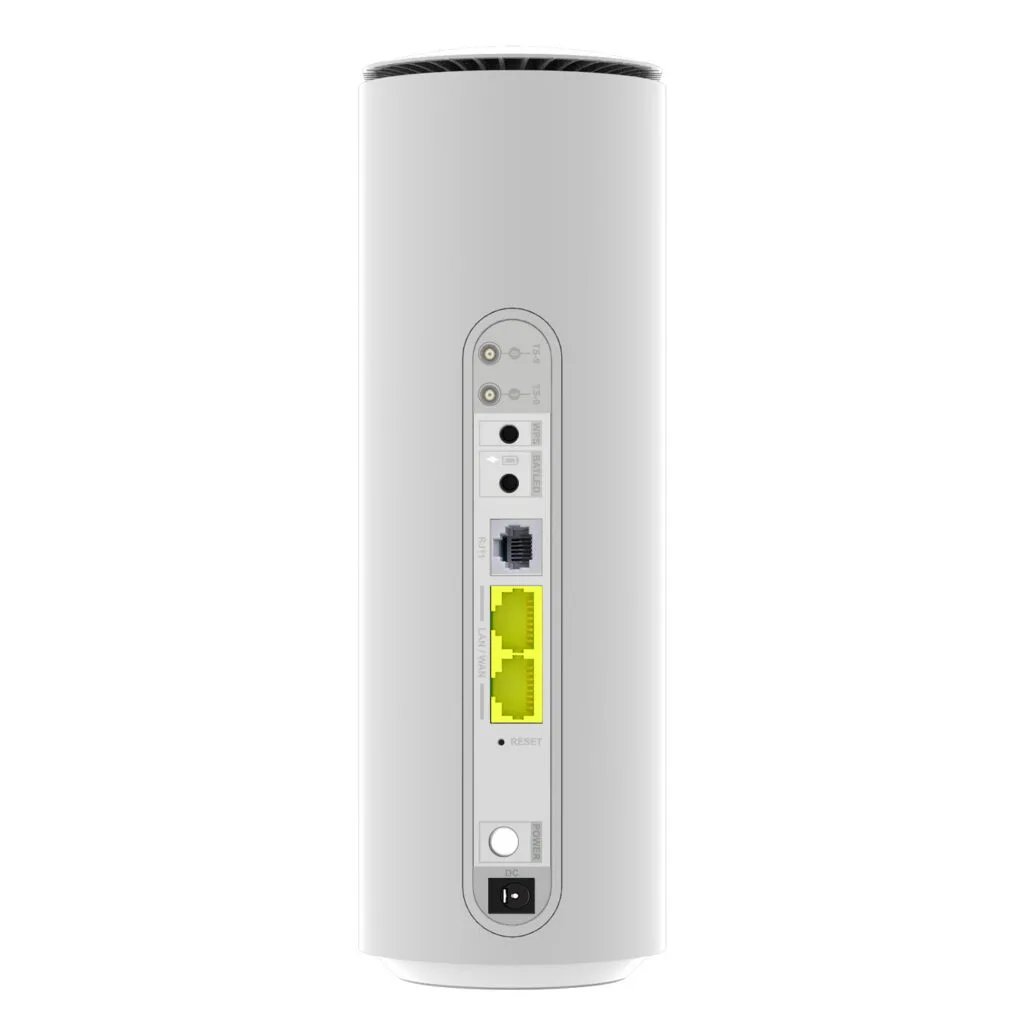
- Multiple Ethernet and Serial Ports: While Wi-Fi is common, wired connections are often preferred in industrial settings for their reliability and speed. Industrial routers come equipped with multiple Gigabit Ethernet ports to connect PLCs (Programmable Logic Controllers), IP cameras, and other stationary equipment. Some models also include serial ports (RS232/RS485) to communicate with legacy industrial devices that use protocols like Modbus, allowing older machinery to be integrated into modern IoT networks.
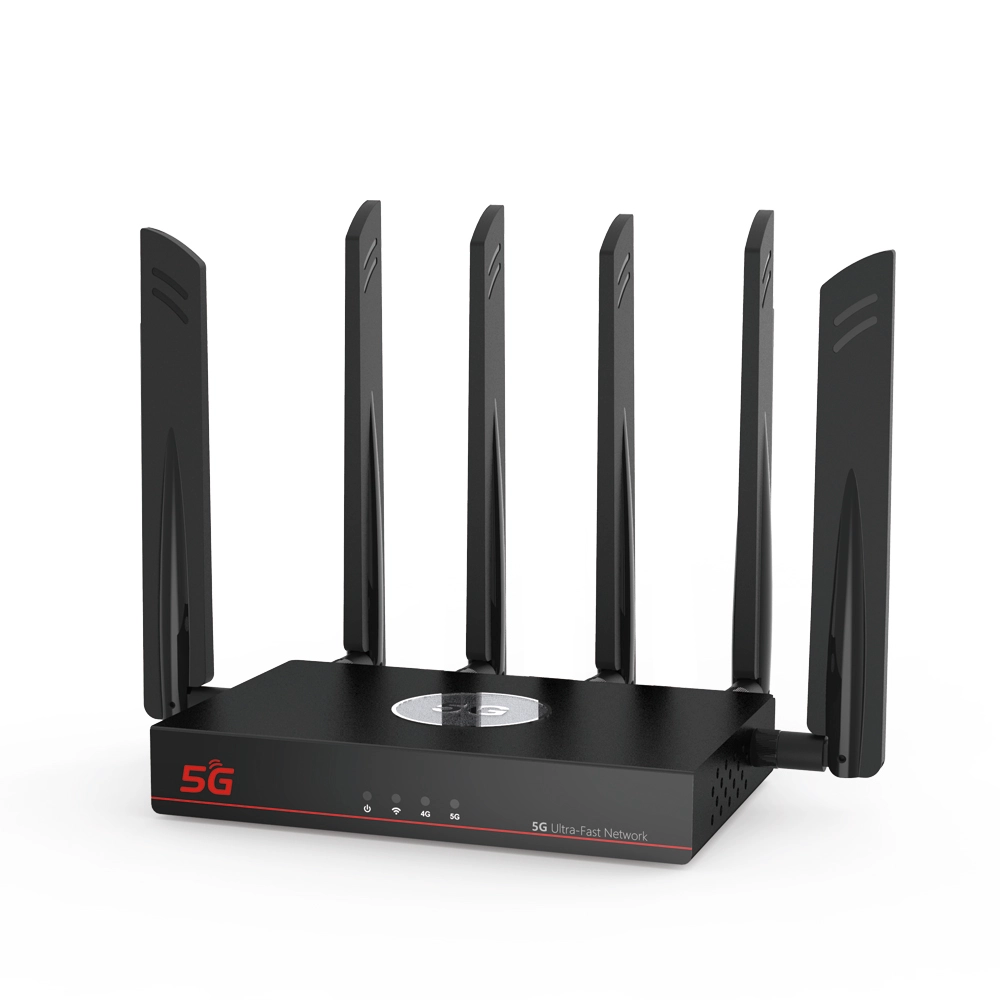
- Advanced Cellular Capabilities: This is where the \"4G/5G\" specification becomes crucial. Industrial routers support a global range of LTE and 5G bands, ensuring compatibility with carriers worldwide. More importantly, they feature high-gain, externally accessible antenna connectors. This allows for the installation of specialized antennas (directional, omnidirectional, high-gain) to maximize signal strength in areas with poor coverage, a critical factor for reliability.
The Critical Role of Dual SIM and Network Redundancy
For mission-critical applications, a single point of failure is unacceptable. What happens if your primary cellular network experiences an outage? With a standard router, your operation grinds to a halt. This is the core problem that a dual SIM industrial router solves. It’s one of the most powerful features for ensuring business continuity.
A dual SIM router is equipped with two SIM card slots, which can be configured with plans from two different mobile network operators (MNOs). The router intelligently manages these connections through a feature called automatic failover. Here’s how it works: The router designates one SIM as the primary connection for all data traffic. It continuously monitors the health of this link—checking for signal strength, network registration, and data flow. If it detects that the primary connection has failed (e.g., the signal drops, the tower is congested, or the data plan is exhausted), it automatically and seamlessly switches all traffic to the backup SIM on the secondary network. This switch happens in seconds, often without any noticeable interruption to the connected devices. For applications like remote monitoring of critical infrastructure, digital signage for financial transactions, or emergency response systems, this redundancy is not a luxury; it’s a necessity.
Beyond simple failover, advanced dual SIM industrial routers can also perform link aggregation. This mode uses both cellular connections simultaneously, bonding their bandwidth together. This provides two major benefits: First, it increases the total available throughput, which is useful for bandwidth-heavy applications like transmitting high-definition video from multiple security cameras. Second, it enhances reliability through load balancing; if one connection becomes unstable, the router can dynamically shift traffic to the healthier link, maintaining optimal performance. Junhaoyue’s routers excel in these scenarios, featuring robust designs with wide-temperature operation and vibration resistance, making them ideal for unstable environments like moving vehicles in smart transportation systems or remote substations in a smart grid.
How to Choose the Right Industrial IoT Router: A Step-by-Step Guide
Selecting an industrial IoT router can feel overwhelming given the technical specifications and variety of models. The key is to methodically assess your project’s specific needs. Let this guide help you navigate the decision-making process.
- Define Your Application Scenario: This is the most important step. Are you deploying routers for smart manufacturing on a factory floor? For environmental sensors across a smart city? For telematics in a smart transportation fleet? The environment dictates the ruggedness required (temperature, ingress protection), and the application dictates the necessary features (GPS for tracking, multiple Ethernet ports for machines).
- Assess Data and Connectivity Needs: How much data will you be transmitting, and how often? A sensor sending small packets of temperature data once an hour has very different needs than a system streaming real-time HD video. This will guide your choice of cellular technology (4G LTE may be sufficient for many IoT applications, while 5G offers ultra-low latency and high bandwidth for advanced use cases) and help you estimate data plan costs, a key component of the total industrial router price consideration.
- Evaluate Environmental Conditions: Will the router be installed indoors in a controlled cabinet, or outdoors on a pole? What are the minimum and maximum temperatures? Is there exposure to dust, humidity, or corrosive chemicals? Is vibration from nearby machinery a concern? Answering these questions determines the required industrial-grade specifications for enclosure rating and operating temperature range.
- Prioritize Security and Management: Industrial networks are high-value targets. Ensure the router has robust security features: a built-in firewall, support for the VPN protocols your IT team uses, and secure management interfaces (SSH, HTTPS). Consider if you need centralized cloud management to configure, monitor, and update hundreds of deployed routers from a single dashboard.
- Consider Edge Computing Capabilities: The latest industrial internet routers are more than just pipes for data. Some have edge computing functionality, meaning they can run applications locally. For example, a router connected to a security camera could run AI-based video analytics locally to detect intruders and only send an alert to the cloud, rather than streaming 24/7 video. This drastically reduces bandwidth costs and cloud processing loads.
- Understand Total Cost of Ownership (TCO): The upfront industrial router price is just one factor. Consider the reliability (to avoid costly downtime), energy efficiency (for solar-powered sites), ease of management (to reduce IT labor), and scalability. A slightly more expensive, more capable, and more reliable router from a trusted manufacturer like Junhaoyue often provides a far lower TCO than a cheaper, less robust alternative that fails prematurely.
Engineering Reliability into Every Connection
Since 2010, Junhaoyue’s journey has been defined by a deep commitment to R&D and manufacturing excellence. This focus translates directly into product reliability. With a significant portion of engineering resources dedicated to R&D, their team—many with over a decade of experience—specializes in designing PCBs that actively combat interference and ensure compliance with international EMC and safety standards. This technical depth is why their routers exhibit exceptional stability in the field.
This expertise is backed by rigorous, in-house manufacturing. Operating under an ISO9001 quality management system, Junhaoyue controls the entire production process. Every component undergoes incoming quality control (IQC) inspection. On the assembly line, each unit is 100% tested for functionality. Finally, before shipping, finished products are subjected to AQL (Acceptable Quality Level) sampling inspections. This multi-layered quality assurance, combined with a daily production capacity of up to 3000 units, ensures that customers receive products that perform as specified, delivered on time.
Furthermore, Junhaoyue understands that off-the-shelf solutions don’t always fit. They offer extensive customization services, from cosmetic changes like color and logo imprinting to deep hardware modifications—adding specific communication modules, extra interfaces, or tailoring firmware for unique protocols. Coupled with 24/7 online support and comprehensive after-sales service, they act as a true partner, providing not just a product, but a complete connectivity solution tailored to solve specific industrial challenges.




What can we do for you?