
In today’s hyper-connected world, staying online isn’t just a convenience; it’s a necessity. Whether you’re a digital nomad crafting emails from a beach cafe, a field engineer uploading critical site data, a student researching in a library, or a family streaming movies on a road trip, reliable internet access is the lifeline. For years, 4G LTE mobile hotspots have been the trusted companions for portable connectivity. But now, 5G is here, promising a revolution in speed and responsiveness. This leaves many of us at a crossroads, facing a common dilemma: Is it time to upgrade to a 5G hotspot, or does a trusty 4G LTE model still meet my needs? The choice isn’t always straightforward, and confusion about real-world benefits, coverage, and cost-effectiveness is widespread.
This guide is designed to cut through the marketing hype and provide a clear, practical comparison. We’ll dive deep into the technical and experiential differences between 5G and 4G LTE hotspots, moving beyond just peak speed numbers to what truly matters for your specific usage. We’ll explore scenarios where 5G is not just an upgrade but a game-changer, and other situations where a robust 4G LTE device remains the smarter, more economical choice. Finally, we’ll provide actionable buying advice tailored to different user profiles—from the heavy-data streamer to the budget-conscious traveler—helping you invest in the right portable WiFi solution that aligns perfectly with your lifestyle, work demands, and budget.
Understanding the Core Technology: 4G LTE vs. 5G
To make an informed decision, it’s essential to understand what you’re comparing. 4G LTE (Long-Term Evolution) is the fourth generation of mobile network technology. It was a monumental leap from 3G, introducing all-IP networking and significantly higher data rates, enabling the mobile broadband era we enjoy today. A typical 4G LTE hotspot can deliver real-world download speeds ranging from 5 Mbps to 50+ Mbps, depending on network congestion and signal strength. This is sufficient for most common tasks like web browsing, social media, standard-definition video streaming, and email.
5G, the fifth generation, is not merely an incremental upgrade; it’s a foundational shift designed to connect everything and everyone. It operates on three key spectrum bands, each with distinct characteristics. Low-band 5G offers wide coverage and better wall penetration, with speeds similar to good 4G LTE. Mid-band 5G (the sweet spot for many carriers) provides the ideal balance of speed and coverage, delivering significantly faster speeds than 4G. High-band mmWave (millimeter wave) offers blistering, multi-gigabit speeds and ultra-low latency but has very limited range and poor penetration, making it suitable only for dense urban pockets or fixed wireless access.
The advantages of 5G for a hotspot user are multi-faceted. First is raw speed: where 4G LTE peaks, 5G soars. Downloading large files, 4K video streams, and massive game updates can happen in a fraction of the time. Second, and often more crucial, is latency. Latency is the delay before a data transfer begins. 4G LTE latency typically ranges from 30ms to 50ms. 5G aims to reduce this to 1ms in ideal conditions, though real-world figures are often between 10-30ms. This near-instantaneous response is critical for video conferencing (reducing lag and \"talking over each other\"), competitive online gaming, and real-time remote control applications. Third, 5G networks are engineered to handle many more connected devices simultaneously without degrading performance, a key factor as we add more gadgets to our personal networks.
Scenario Analysis: When is a 5G Hotspot Essential?
For certain users and use cases, investing in a 5G hotspot transitions from a \"nice-to-have\" to a \"must-have.\" If your work or leisure depends on high-bandwidth, low-latency applications, the 5G premium is justified.
- Professional Content Creators & Remote Workers: If you’re regularly uploading and downloading large video files, raw photos, or complex 3D models to cloud storage or clients, 5G’s speed turns hours of waiting into minutes. For remote workers relying on video conferencing platforms like Zoom or Teams, the lower latency of 5G ensures smoother, more natural conversations without jarring delays, making virtual meetings more productive and less fatiguing.
- Hardcore Gamers and Cloud Gaming Enthusiasts: Services like Xbox Cloud Gaming (xCloud), NVIDIA GeForce Now, and PlayStation Remote Play are entirely dependent on a stable, high-speed, low-latency connection. 4G LTE can be prone to lag spikes and compression artifacts. A 5G hotspot, particularly on a mid-band network, provides the responsive, high-fidelity experience needed for enjoyable cloud gaming on the go.
- Tech-Savvy Families and Shared Households: Imagine a family road trip where one person is video calling, another is streaming a 4K movie, and a third is playing an online game—all connected to the same hotspot. 5G’s enhanced capacity and speed make this multi-device, high-demand scenario feasible without constant buffering or arguments over who’s hogging the bandwidth.
- Users in Well-Covered 5G Urban Areas: If you live and primarily work or travel within areas with strong and consistent mid-band or mmWave 5G coverage, you are positioned to reap the full benefits. A 5G hotspot here acts as a genuine replacement for fixed broadband, offering cable-like speeds without the wires.
Scenario Analysis: When Does a 4G LTE Hotspot Suffice (or Even Excel)?
Despite the allure of 5G, a high-quality 4G LTE hotspot remains a profoundly capable and often smarter choice for a vast number of users. The decision often boils down to coverage, cost, and actual need.
- Budget-Conscious Users and Travelers: 4G LTE hotspots and the data plans that fuel them are generally less expensive than their 5G counterparts. If your primary uses are email, web browsing, social media, music streaming, and standard-definition (SD) or even HD video streaming, a 4G LTE connection is more than adequate. For international travelers, 4G LTE global roaming is often more widely available and affordable than 5G roaming packages.
- Those in Areas with Limited or No 5G Coverage: This is the most critical factor. A 5G hotspot is essentially a very expensive 4G LTE device if you’re rarely in a 5G zone. Before buying, meticulously check your carrier’s 5G coverage map for the areas you frequent most—your home, workplace, and common travel routes. If coverage is spotty or non-existent, a reliable 4G LTE model is the pragmatic choice.
- Users with Moderate Data Needs: If you don’t regularly consume hundreds of gigabytes of data per month through tethering, the extreme speed of 5G might be overkill. A stable 4G LTE connection can handle periodic large downloads comfortably.
- Focus on Battery Life and Portability: Currently, 5G modems can be more power-hungry than their 4G equivalents. Some 4G LTE hotspots are renowned for their exceptional battery life, lasting 12-24 hours on a single charge, making them ideal for long flights, camping trips, or all-day excursions where charging isn’t guaranteed. If ultimate portability and endurance are your top priorities, a compact, long-lasting 4G LTE model might be the best 5g hotspot alternative for your needs.
Key Buying Factors Beyond \"G\": Choosing Your Perfect Hotspot
While the 4G vs. 5G debate is central, several other critical factors define a great hotspot experience. Ignoring these can lead to disappointment, regardless of the generation.
- Carrier Coverage and Data Plans: The device is only as good as the network it’s on. Research which carrier has the strongest and most reliable network (4G or 5G) in your area. Also, scrutinize data plans: look for high- or unlimited-data options for hotspots, beware of throttling policies after a certain data threshold, and understand any tethering-specific limits.
- Battery Life and Power Options: Assess the rated battery life in hours of continuous use. Look for features like USB-C for faster charging, the ability to charge while in use (pass-through charging), and consider if a removable battery is important for you. For always-on applications, some models offer direct DC power input.
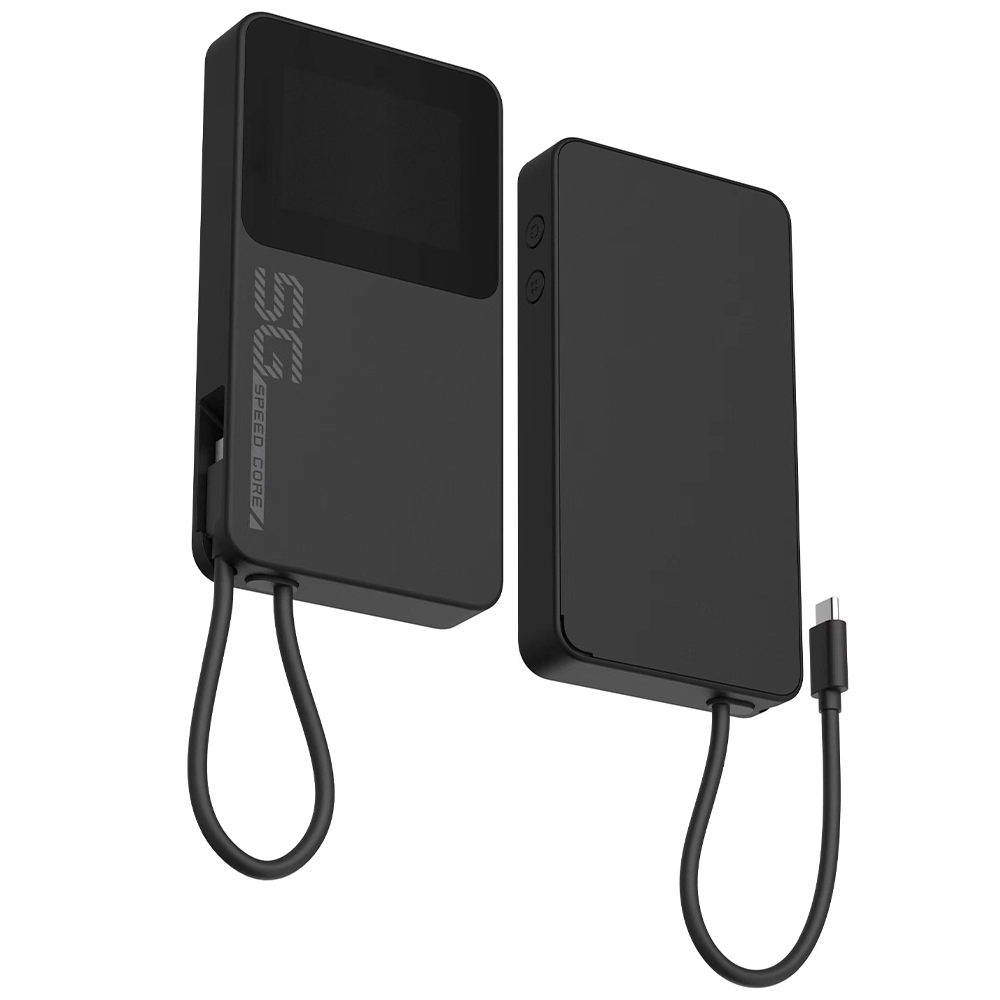
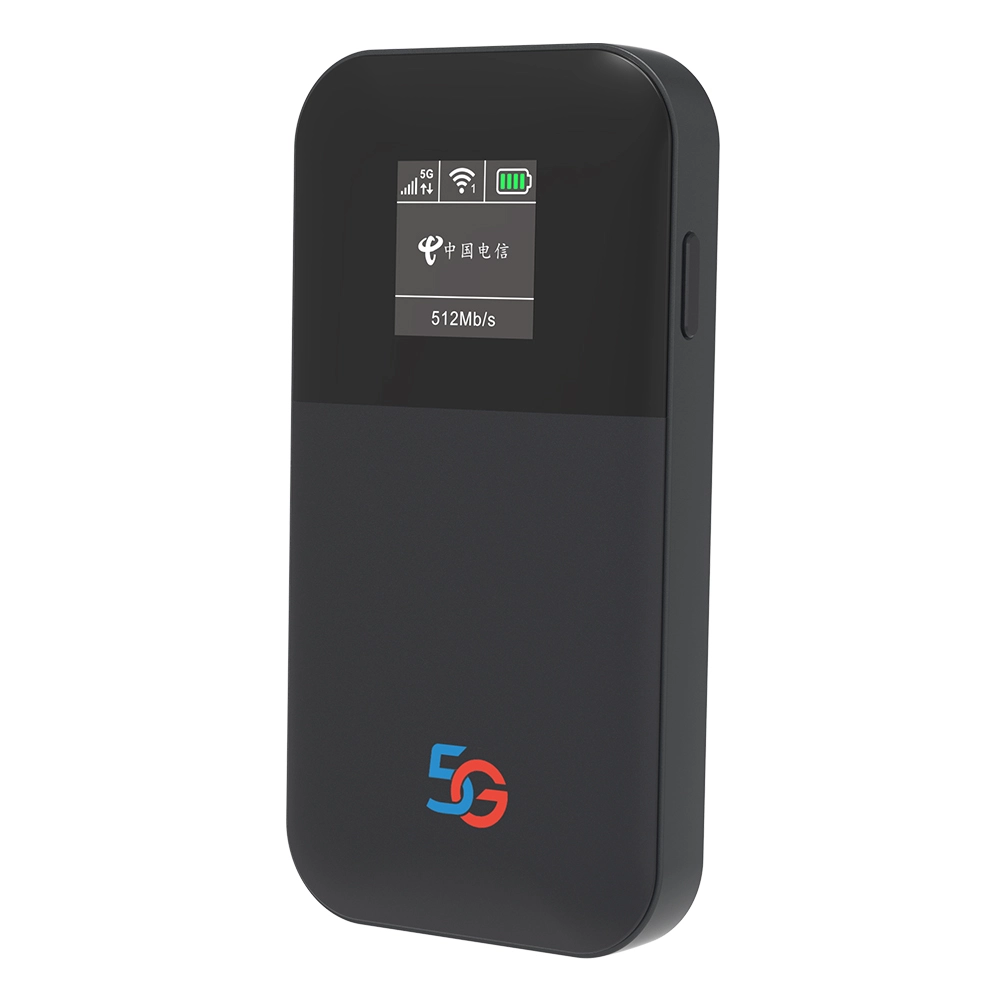
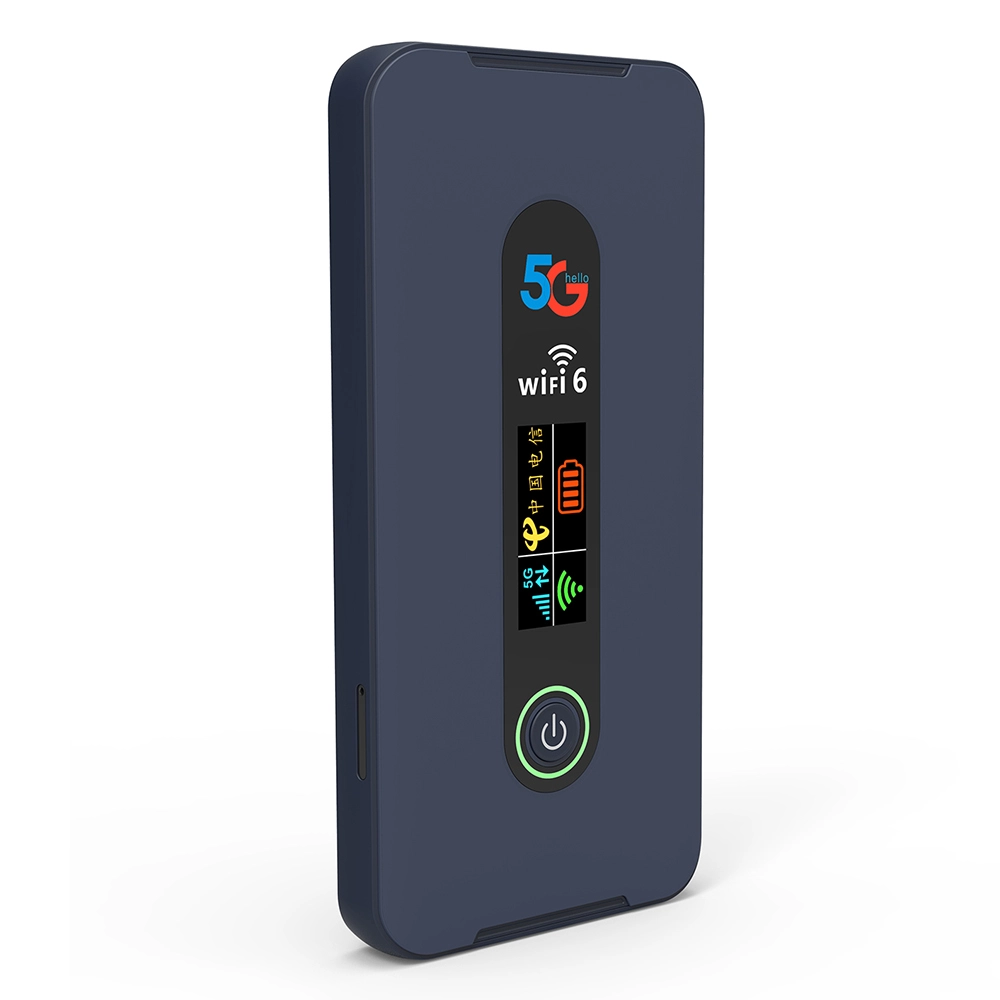
- Portability and Design: Size and weight matter if you’ll carry it daily. Some are pocket-sized, while others are larger with more robust antennas. A clear, informative display showing signal strength, connected devices, and data usage is a valuable feature.
- Network Management and Security: A good hotspot should offer a user-friendly web interface or mobile app. Key features to look for include: the ability to set a custom WiFi SSID and password, create a guest network, manage connected devices (blocking or prioritizing certain devices), and configure basic firewall settings. Support for modern WiFi security protocols (WPA3) is essential.
- Connectivity and Advanced Features: How many devices can connect simultaneously? (10-20 is common). Does it have an Ethernet port to function as a wired-to-wireless bridge for devices like gaming consoles or smart TVs? Some advanced models offer dual-band WiFi (2.4GHz and 5GHz) for less interference, or even external antenna ports to boost signal in weak areas—a crucial feature for rural users or those in vehicles.
Tailored Recommendations: Matching the Hotspot to the User
Let’s translate these factors into practical advice for different user profiles.
- The Power User / Early Adopter: You need the fastest speeds available for work and play in urban centers. Prioritize a flagship 5G hotspot from your carrier with the latest modem (like the Snapdragon X65/X75), support for the widest range of 5G bands, and WiFi 6/6E for the best local network performance. Be prepared for a higher device and data plan cost.
- The Frequent Traveler / Digital Nomad: Reliability and global compatibility are key. Look for a 4G LTE or 5G hotspot that supports a vast number of LTE/5G bands for international use. Consider unlocked models that allow you to use local SIM cards. Excellent battery life and a compact, durable design are paramount. A device with a proven track record of global connectivity might serve you better than the latest, untested 5G model.
- The Family or Shared Household: Your priority is stable connectivity for multiple concurrent users. Choose a hotspot with strong dual-band WiFi that can handle 15+ devices comfortably. A model with good network management tools (like device prioritization) can help ensure the video call isn’t interrupted by a movie download. A larger battery or the option for constant power is beneficial.
- The Budget-Conscious or Coverage-Cautious User: Value and reliability are your guides. A well-reviewed, mid-range 4G LTE hotspot from a reputable brand often represents the best value. Focus on finding one with excellent battery life, a simple interface, and positive user reviews regarding connection stability. This is often the most sensible and satisfying choice, providing robust performance without the premium price tag of early 5G technology.
The landscape of portable connectivity is exciting, with 5G paving the way for new applications. However, the \"best\" choice is deeply personal and situational. By honestly assessing your primary use cases, checking your real-world coverage, and balancing your performance desires with budget constraints, you can select a hotspot—whether a cutting-edge 5G model or a capable 4G LTE workhorse—that truly keeps you connected, productively and enjoyably, wherever life takes you. The goal isn’t to have the latest technology for its own sake, but to have the right tool that seamlessly and reliably integrates into your digital life.
Frequently Asked Questions (FAQs)
- Is a 5G hotspot worth it if I already have good 4G LTE service? It depends on your activities. If you are satisfied with your current speeds for tasks like browsing and SD video, it may not be an urgent upgrade. However, if you frequently experience buffering during HD/4K streaming, lag in video calls, or need to download very large files quickly, and you have confirmed strong 5G coverage in your areas, then a 5G hotspot can provide a significantly enhanced experience.
- Do I need a specific data plan for a 5G hotspot? Yes, typically. To access 5G networks, you need a 5G-compatible data plan from your carrier. Using a 5G hotspot on a 4G-only plan will restrict you to 4G LTE speeds. These plans are often (but not always) priced higher than 4G-only plans, so factor in the total cost of device and service.
- Can a 5G hotspot work as a home internet replacement? In areas with robust and consistent 5G coverage (especially mid-band), a 5G hotspot can be a viable alternative to traditional cable or DSL, particularly for lighter to moderate usage households. For heavy, unmetered usage like constant 4K streaming or massive daily downloads, a dedicated fixed wireless access (FWA) 5G gateway or fiber/cable might still be more suitable and cost-effective.
- How many devices can typically connect to a mobile hotspot? Most modern hotspots support connecting 10 to 20 devices simultaneously. However, the performance for each device will diminish as more devices are added and actively using data. For a good multi-user experience, look for a hotspot with dual-band WiFi and a strong processor.
- What’s the real-world battery life difference between 4G and 5G hotspots? Generally, connecting to and maintaining a 5G signal can consume more power than 4G LTE, potentially reducing battery life by 15-30% under similar usage conditions. Manufacturers are improving efficiency with each new chipset generation. When comparing models, always check the manufacturer’s stated battery life for continuous use, and read user reviews for real-world anecdotes.

What can we do for you?