Fixed Wireless Terminal 4G Functions and Applications
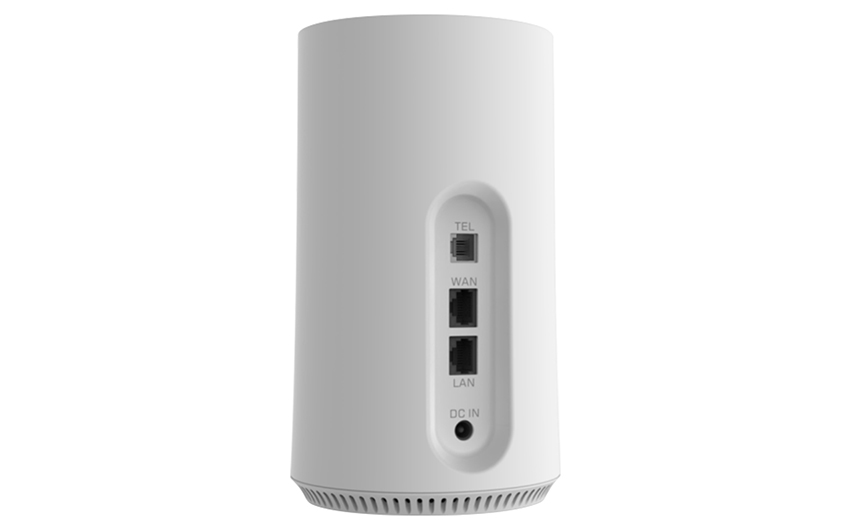
A 4G fixed wireless terminal is a voice and data access device that converts a cellular connection into familiar fixed-telephone interfaces. Instead of depending on a copper PSTN line, the terminal uses a 4G SIM card and the available LTE network. A standard telephone connects through RJ11, allowing users to make and receive calls in the same way they would with a conventional landline.
Junhaoyue terminals use Quectel EC25, EC200A and EC200U series modules according to the destination market and network requirement. These industrial cellular modules support stable long-term operation, clear voice and common dialing characters such as the asterisk, plus sign and hash key. Models are available with one or two RJ11 ports, optional battery backup and optional dual-SIM support.
Where a 4G fixed wireless terminal is used
The main advantage of an FWT is deployment flexibility. It can provide voice service in rural areas, mountain locations and other places where signal is available but fixed-line construction is slow or expensive. The same principle applies to ships, trains and long-distance buses, where a permanent copper line cannot be installed.
Security and emergency systems are another important application. A terminal can connect to a telephone alarm panel, elevator SOS button, equipment-failure alarm or home-security system. When the connected equipment is triggered, the cellular terminal provides the external voice path. Specialized models can also send SMS notifications, dial preset contacts or operate relay outputs.
Business users may connect an FWT to a PBX, recording system, voice card, call-center device or ordinary desk phone. Public telephone and billing applications can use polarity reversal or related metering signals. This allows an organization to keep existing telephone equipment while replacing the access line with a cellular service.
Core functions
- Simple installation: insert a supported SIM card, connect the antenna, attach the telephone and power on the unit.
- Incoming and outgoing calls: use a normal wired telephone for local, domestic or international calling.
- Caller ID: support FSK or DTMF caller identification according to the connected phone and market.
- PBX compatibility: provide standard working voltage and RJ11 connection for telephone systems.
- Billing support: selected models generate reverse-polarity or other metering signals.
- Automatic IP dialing: store access prefixes and apply them before selected outgoing numbers.
- Permission control: restrict international, domestic, local or selected number ranges.
- Security settings: support PIN, PUK, SIM and network-lock functions on compatible models.
- Status display: show power, module, SIM, call and signal conditions through LEDs or an LCD.
- Automatic recovery: a watchdog monitors operation and restarts the terminal if a fault occurs.
Optional configurations
Battery backup keeps the terminal working during a power interruption. Dual-SIM models can keep a second network available for standby, while 4G plus PSTN variants can switch between a cellular path and an existing wired line. Other options include LCD display, enhanced dialing rules, SMS control and customized firmware for alarm or remote-control projects.
The correct model depends on the operator bands, voice service, interfaces and connected equipment. Before ordering, confirm the cellular network, SIM type, required RJ11 quantity, caller-ID format, PBX or billing needs, backup time and any security restrictions. For customized applications, a sample should be tested with the intended SIM card, telephone or alarm equipment and local network before production.
Why businesses choose cellular voice access
A fixed wireless terminal avoids the time and civil-work cost of installing a new copper line. It can be moved, replaced and maintained more easily than a wired service, yet it preserves the user’s familiar telephone workflow. For operators, distributors and system integrators, the device provides a practical bridge between existing analog equipment and modern cellular coverage.
Junhaoyue supplies 4G and GSM fixed wireless terminals for standard voice, PBX, billing, alarm and customized control applications. Hardware, firmware, module selection, interfaces and packaging can be matched to the destination market after the application requirements are confirmed.

Junhaoyue Editorial Team