

4G Fixed Wireless Terminal for a Singapore Alarm System
The challenge
On August 6, 2026, Smart Solutions System Pte Ltd in Singapore asked Junhaoyue to adapt a fixed wireless terminal for an alarm-system project. The customer did not need a standard voice gateway alone. The terminal had to sit between an alarm panel and the mobile network, receive a trigger from the alarm equipment, contact designated people in a controlled sequence and report the event by SMS or a prerecorded voice message.
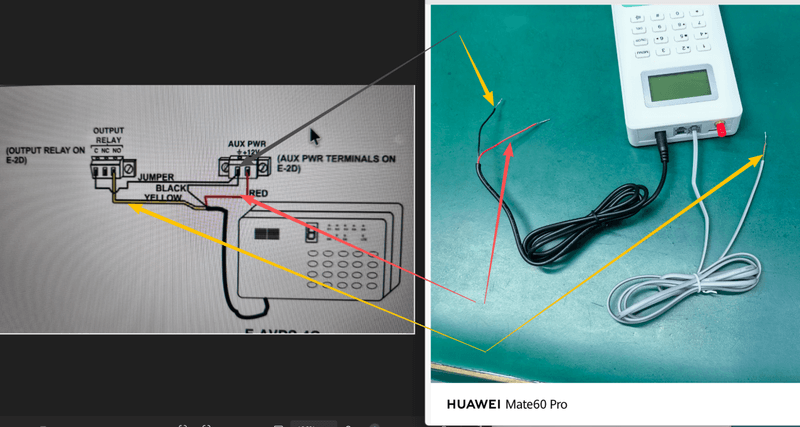
The initial specification required a 4G fixed wireless terminal using a SIM card with fallback support for 3G and GSM networks. Three leads had to be taken from the PCB so the unit could receive power and a trigger from the alarm panel. The customer wanted commands for eight preset telephone numbers, an adjustable interval between calls, an administrator number for SMS reporting and eight stored audio messages. The intended workflow also required the device to notify the administrator when a call was answered.
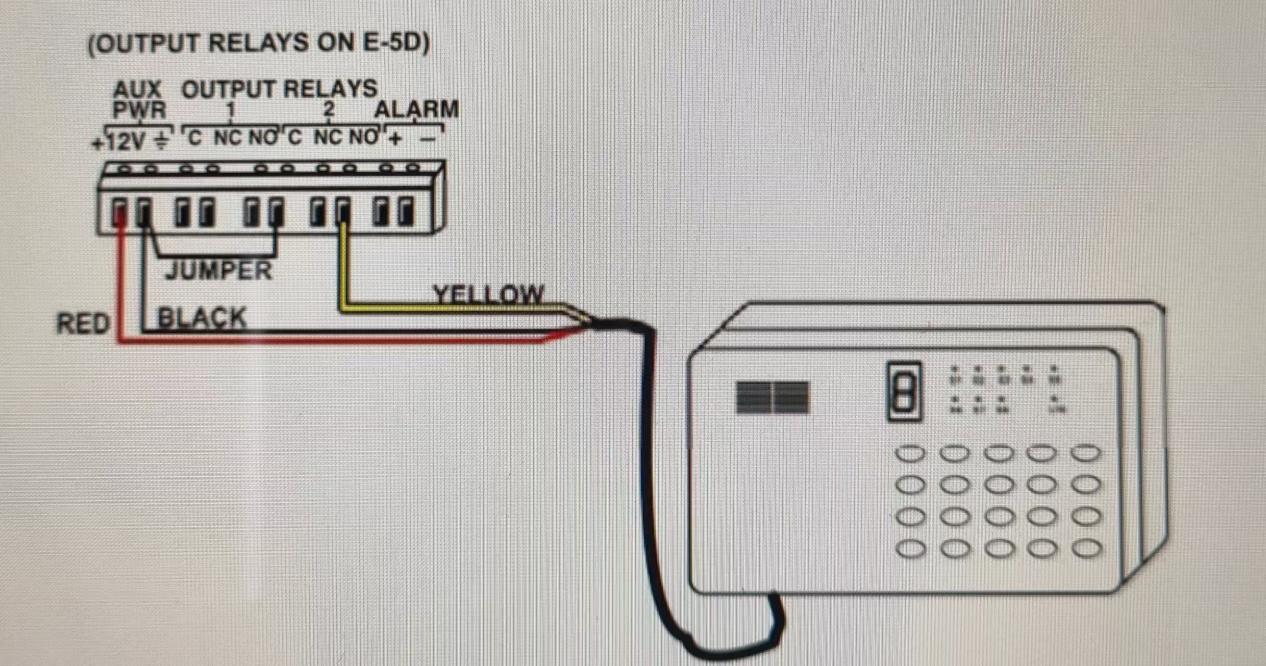
This combination created several engineering questions. The terminal had to preserve familiar fixed-wireless voice behavior while adding event logic that was not part of an ordinary FWT. Power, trigger polarity, dialing order, waiting time, administrator permissions and message storage all had to be defined before firmware development. The device also needed a clear local interface so technicians could confirm power, SIM, module and signal status at the installation site.
Junhaoyue therefore treated the request as a complete application project rather than a simple hardware quotation. The team reviewed the alarm connection, the expected mobile-network conditions, the number of contacts, the content of alert messages and the way installers would configure each unit. That early clarification reduced the risk of delivering a technically functional sample that would be difficult to install or manage in the field.
Our approach
After an internal engineering review, Junhaoyue selected its A392 fixed wireless terminal as the hardware platform. The model used the Quectel EC200A-EU module and supported 4G, 3G and GSM networks. Within two days, the engineering team prepared samples with the required leads and interface changes so the customer could begin application testing.
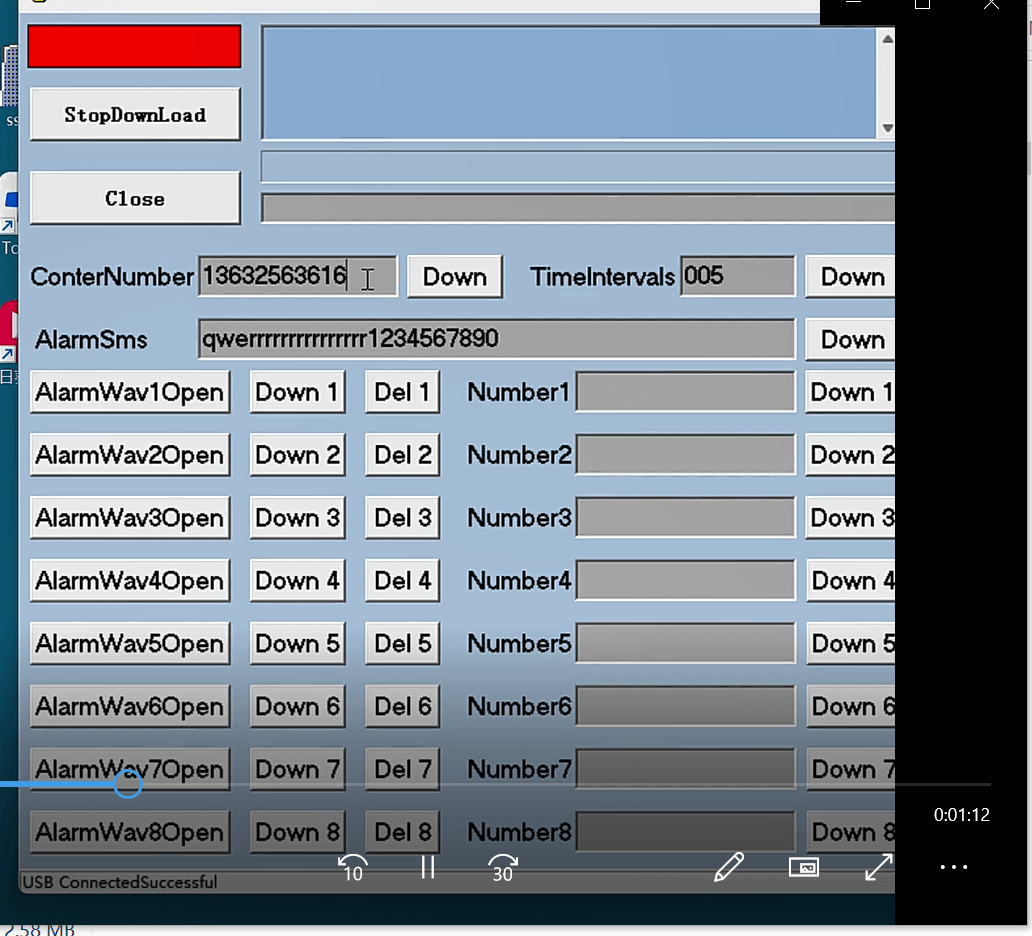
The configuration process was designed around a PC tool connected through USB Type-C. Installers could set the administrator number, the interval between dialing attempts, the SMS text and the destination numbers. Time intervals were entered as three digits, so an interval of 50 seconds was stored as 050. Eight audio files could be loaded into the terminal, updated individually or deleted, and each contact number could be written to a defined position.
The firmware also provided direct command configuration. When triggered, the unit could dial a sequence of as many as 32 stored numbers until one answered. Separate commands controlled the duration between attempts and the maximum waiting time for each call. The administrator number was stored independently so alert messages were sent to the authorized recipient. This command layer allowed system integrators to commission units without relying only on the graphical tool.
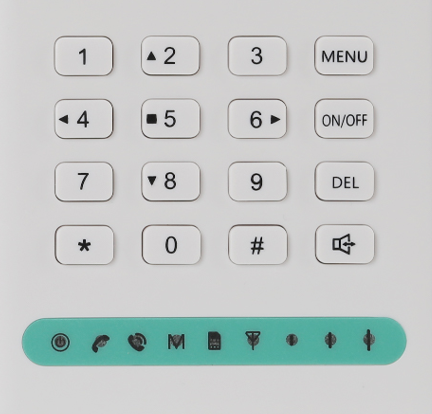
Local operation remained simple. The SIM card was inserted before power-up, the A392 was connected to the alarm system, and the ON/OFF key controlled the terminal. A technician could also enter a telephone number on the keypad and press the hash key to dial, or use the dedicated calling control. The front-panel indicators showed power, handset status, call status, module health, SIM condition and four levels of signal strength.
During customer testing, several spelling errors were found in the commands used for SMS sending and receiving. Junhaoyue corrected the software, issued an update and supported another test cycle. The customer then confirmed that the revised commands performed as required. This feedback loop was important because alarm applications depend on predictable behavior; a minor command mismatch can prevent a remote technician from changing a critical contact or message.
The result
The completed A392 solution gives the customer a cellular alarm-communication path without a fixed PSTN line. When the alarm input is triggered, the terminal can call the programmed contacts in order and send an SMS to the stored administrator number. Alert content can be ordinary text or a stored voice message, and eight messages can be prepared for different events or locations.
After the firmware correction and confirmation test, Junhaoyue delivered several lots of formal orders. The project moved from a short application brief to a repeatable terminal configuration with documented wiring, local indicators, command settings and a PC configuration tool. The customer could deploy the same operating method across multiple alarm installations instead of assembling separate mobile, voice and messaging components.
Project outcomes
- A392 hardware connected directly to the alarm system for power, trigger input and telephone communication.
- 4G service with 3G and GSM fallback improved deployment flexibility across different coverage conditions.
- Up to 32 dialing contacts and adjustable call timing supported an escalation sequence.
- Administrator SMS alerts and eight stored messages allowed event-specific notification.
- Field technicians received both keypad operation and PC/command configuration options.
The case also established a practical development pattern for similar security, elevator and emergency-call applications. The required behavior was translated into electrical interfaces, dialing logic, message storage, visible status and testable commands. Because the terminal came from Junhaoyue’s own product platform, hardware, firmware and follow-up changes could be coordinated by one engineering team.