

Firmware, WebUI & Network Customization
Adapt device behavior and the management experience to your network and brand.
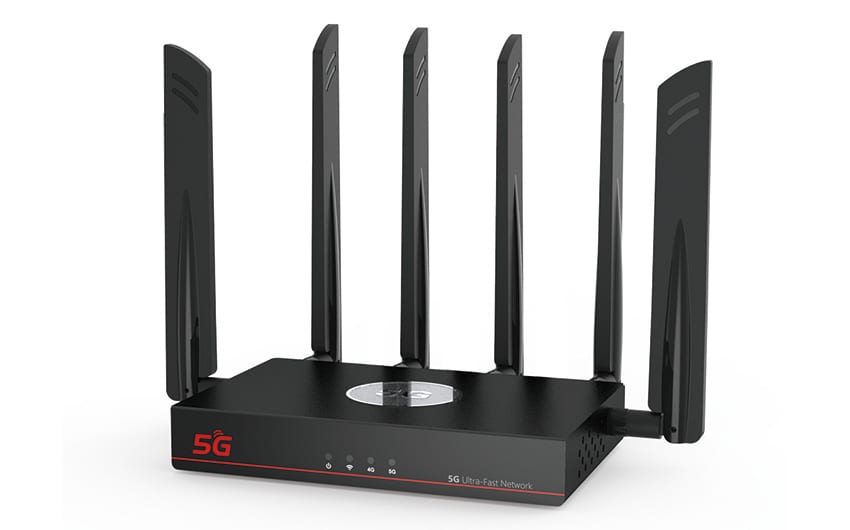
Firmware, WebUI & Network Customization is a coordinated engineering service for companies that need a wireless product to fit a defined market rather than simply purchasing a generic device. It adapts device behavior, default settings and the browser-based management experience to an operator, distributor or enterprise deployment while keeping the underlying Junhaoyue hardware platform controlled. Junhaoyue combines an established hardware platform, practical customization and controlled manufacturing so that commercial objectives can be translated into a product that is clear to specify, straightforward to validate and realistic to produce.
Why this service matters
A router can have capable hardware and still create support problems if its defaults, terminology and management workflow do not match the deployment. A successful program must connect product positioning with cellular bands, Wi-Fi performance, interfaces, power design, enclosure choices, regulatory obligations and the experience of the people who will install or use the equipment. Decisions made early affect certification cost, sample timing, firmware stability, packaging and after-sales support. Our role is to make those dependencies visible before they become expensive changes.
The service is suited to operators, managed-service providers, private-label brands, enterprise solution teams and distributors that need repeatable configuration across many devices. We begin by separating essential requirements from optional features and future ideas. This creates a stable baseline for quotation and engineering while preserving a controlled path for later variants. Commercial targets such as order quantity, launch window, destination country and channel positioning are considered alongside technical specifications, because a technically attractive product still has to be manufacturable, supportable and competitive.
Scope and engineering decisions
Customization can include APN profiles, preferred network mode, dual-SIM policy, WAN failover, Wi-Fi names, password rules, LAN settings, VPN options, remote management, language packs, boot identity and branded WebUI elements. The review normally covers the modem and chipset family, supported LTE or 5G bands, Wi-Fi generation, antenna arrangement, SIM format, Ethernet and voice interfaces, power input, enclosure construction, thermal limits, indicators and buttons. Where an existing Junhaoyue platform already meets most of the requirement, we use it as the controlled foundation and customize only the areas that create measurable value.
- Market definition: target users, deployment conditions, operator environment and price position.
- Platform selection: the closest proven Junhaoyue router, outdoor CPE, pocket Wi-Fi or fixed wireless terminal.
- Feature control: a written list of mandatory, optional and excluded functions to prevent scope drift.
- Brand presentation: product naming, enclosure marks, interface identity, labels, manuals and packaging.
- Production readiness: sample gates, approval criteria, forecast, accessories and shipment requirements.
A practical development workflow
The process begins with a configuration matrix that distinguishes visible user choices from locked operator settings. At the definition stage, both teams confirm a requirement sheet and identify items that need proof through samples. We also agree on who approves hardware, firmware, artwork and packaging. This ownership map keeps feedback precise and prevents one late comment from reopening decisions that were already closed.
A controlled firmware build is prepared on the selected Junhaoyue platform and reviewed with realistic SIM cards and network conditions. Engineering samples are then prepared for functional review. Customer testing should reproduce the intended network and user conditions, including the selected SIM cards, access points, connected devices, power adapters and management workflow. Issues are recorded with steps, expected behavior and evidence, allowing the engineering team to distinguish configuration questions from defects and new feature requests.
After user-acceptance testing, the approved defaults and interface assets are frozen with a named firmware release. When the agreed functions are stable, a golden sample and controlled firmware version are approved. Pilot production confirms that assembly instructions, programming, labels, accessories and inspection items work together. Only after the pilot findings are closed do we release the program to repeat production.
Quality, communication and change control
Testing confirms boot behavior, registration, reconnect logic, failover, configuration retention, browser compatibility, translations, permissions and factory-reset behavior. Project control is maintained through versioned documents and named approval points. Changes are assessed for impact on cost, schedule, certification and previously completed tests. This is particularly important for cellular products because a small modification to the RF path, power design, enclosure or firmware defaults can affect performance in ways that are not visible during a quick desktop check.
Communication is kept practical: a consolidated question list, a decision log, sample feedback and an agreed next action for every open item. Customers receive a clear view of what is complete, what is under test and what is waiting for their input. This reduces repeated explanations across purchasing, engineering, branding and management teams and helps international projects move despite time-zone differences.
What the customer receives
The package normally includes the approved firmware image, release notes, default-configuration matrix, WebUI artwork, translation file, known limitations and upgrade instructions. Depending on the project, the final package can include the approved specification, sample record, firmware version, default-configuration sheet, artwork files, label content, packaging layout, accessory list, inspection points and shipment documentation. The exact list is agreed at the beginning so that launch teams know what evidence and files will be available.
- A production-ready device based on a customer-approved Junhaoyue product platform.
- Traceable samples and a golden configuration for repeat orders.
- Coordinated technical, brand and packaging information.
- A practical handover for purchasing, logistics and after-sales teams.
Common planning questions
Can the project begin from an existing model?
Yes. Starting from a proven Junhaoyue platform usually shortens the schedule and reduces technical risk. The team identifies which items can remain standard and which items must change for the target market. This approach is often more efficient than treating every program as a completely new design.
How are samples approved?
Approval criteria are written before testing. The customer checks the agreed networks, functions, interface behavior, appearance and accessories, while Junhaoyue records the corresponding hardware and firmware versions. A sample becomes the golden reference only after open issues are closed or formally accepted.
What information helps us quote accurately?
Share the destination country, operator bands, expected quantity, product type, Wi-Fi and port requirements, preferred enclosure, branding level, certification needs and target delivery date. If some items are unknown, describe the application and current device so our team can recommend a practical starting configuration.
Start with a clear requirement
The fastest way to define firmware work is to provide the current workflow, the intended users and a list of settings that must be visible, hidden or preconfigured. Send your target market, network bands, expected volume and the functions that matter most. Junhaoyue will review the request against its own router and terminal portfolio, identify a suitable product foundation and propose the next engineering step without substituting third-party product imagery or unrelated hardware.